The Final Curtain for Pink: Synth Riders to Retire ‘Barbie Dance ‘N Dream’ Experience
The intersection of virtual reality (VR) gaming and global pop culture phenomena is often a fleeting one, defined by licensing agreements and the zeitgeist of the moment. In a move that highlights the ephemeral nature of digital branded content, Kluge Interactive has announced that its highly acclaimed “Barbie Dance ‘N Dream” experience for the rhythm game Synth Riders will officially be retired on September 30, 2024.
The experience, which transformed the neon-soaked landscapes of the base game into a vibrant, Mattel-inspired wonderland, has been a staple for fans of the 2023 Barbie film since its release. While the core musical track will remain available for purchase, the bespoke visual journey—a hallmark of Synth Riders’ premium offerings—will no longer be available for new buyers after the end of the month. This marks the conclusion of one of VR’s most high-profile cinematic collaborations, leaving a legacy of mixed reality innovation and "Kenergy" in its wake.
Main Facts: The Sunsetting of a VR Milestone
The "Barbie Dance ‘N Dream" experience was more than just a standard DLC (Downloadable Content) pack; it was a curated, immersive music video that allowed players to step inside the aesthetic world of the Barbie movie. Developed by Kluge Interactive in collaboration with Warner Bros. and Mattel, the experience was built around the track “Barbie Dreams” by the K-pop sensation FIFTY FIFTY, featuring rapper Kaliii.
Key Details of the Retirement:
- Final Date of Availability: September 30, 2024.
- Legacy Access: Users who have already purchased the experience or the "Barbie Dreams" track before the deadline will retain permanent access to the content.
- Partial Retention: The song "Barbie Dreams" will remain in the Synth Riders library for purchase as a standalone track, but it will lose the "Experience" visual component for new purchasers.
- Platform Reach: The content was available across all major VR ecosystems, including Meta Quest (2, 3, and Pro), SteamVR, PlayStation VR2, and the Apple Vision Pro.
The removal of the visual "Experience" layer is primarily attributed to the expiration of specific licensing windows. In the digital age, music and brand rights are often tiered; while the rights to distribute a song might last for several years, the rights to use a brand’s specific likeness (like Barbie’s signature iconography and pink-hued environments) are often more restricted.
Chronology: From Pink Screens to Digital Delisting
The journey of the Barbie/Synth Riders collaboration mirrors the meteoric rise and sustained cultural impact of Greta Gerwig’s Barbie (2023).
1. The Summer of Barbie (July 2023)
The release of the Barbie film sparked a global "Barbiecore" trend. Music from Barbie: The Album dominated global charts. Kluge Interactive, known for its high-art approach to VR rhythm gaming, saw an opportunity to bring this aesthetic into the immersive space.
2. The Launch (December 2023)
Following months of development, the "Barbie Dance ‘N Dream" experience launched in late 2023. It was positioned as a flagship piece of content for the holiday season, particularly for the newly released Meta Quest 3. It capitalized on the film’s home media release and the ongoing popularity of the soundtrack.
3. Mixed Reality Integration (Early 2024)
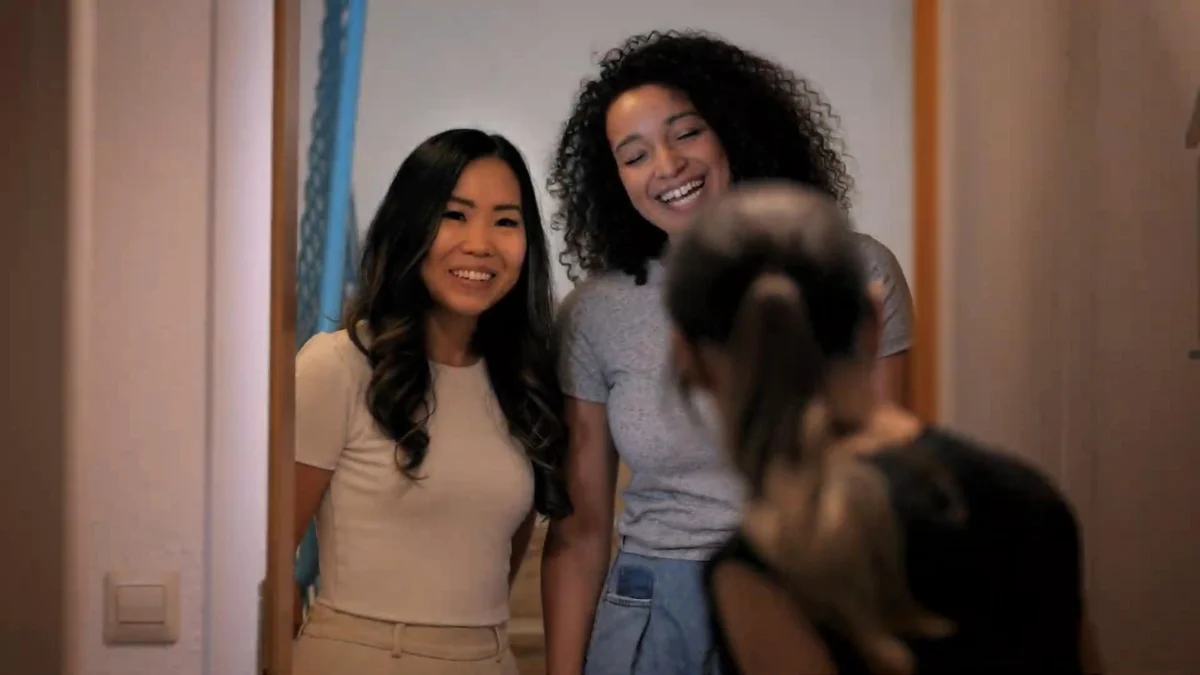
As Synth Riders expanded its Mixed Reality (MR) capabilities, the Barbie experience became a showcase for the technology. The "Barbie Box" portal—which allowed players to see their actual living rooms through the headset while a giant Barbie-themed portal sat in the center of the room—became a viral hit on social media platforms like TikTok and Instagram.
4. The Sunset Announcement (September 2024)
Kluge Interactive issued a notification to the community that the partnership with Mattel and the specific visual assets associated with the "Experience" would be entering their final phase. The announcement serves as a "last call" for enthusiasts to secure the content before it enters the digital vault.
Supporting Data: The "Experience" Model in Synth Riders
To understand the significance of this removal, one must understand what a Synth Riders "Experience" actually is. Unlike a standard level where a player hits notes in a generic environment, an Experience is a hand-crafted, psychedelic, and cinematic journey.
The Pedigree of Kluge’s Creative Team
Kluge Interactive has built a reputation for these high-fidelity visual journeys. Previous "Experiences" include:
- Muse: "Starlight" and "Algorithm"
- The Offspring: "Self Esteem"
- Lindsey Stirling: "Underground"
- League of Legends: "Legends Never Die"
These levels are often cited by VR critics as the "gold standard" for music in VR, surpassing even Beat Saber in terms of visual storytelling. The Barbie experience was unique because it was the first to lean heavily into a major Hollywood film property rather than just a musical artist’s discography.
Technical Performance and Mixed Reality
The Barbie DLC was a significant driver for Synth Riders’ adoption on the Apple Vision Pro and Meta Quest 3. According to industry analysis of VR rhythm game trends, "branded" content typically sees a 25-40% higher attachment rate among casual users compared to original indie tracks. The Barbie experience, with its bright colors and accessible difficulty levels, acted as a "gateway drug" for new VR users who were not traditional gamers but were fans of the Barbie brand.

Official Responses and Developer Insights
While Kluge Interactive has maintained a professional stance regarding the expiration of the license, the developer has consistently emphasized the importance of "Experience" levels in their portfolio.
In past statements regarding their creative process, the Kluge team noted:
"Our Experiences are designed to be a love letter to the music. We don’t just want you to play the song; we want you to live inside of it. The Barbie collaboration allowed us to play with a palette of colors and a sense of whimsy that we hadn’t fully explored in our more ‘cyberpunk’ or ‘rock’ oriented packs."
Industry analysts suggest that the retirement of such content is a standard, albeit unfortunate, part of the "Games as a Service" (GaaS) model. When asked about the longevity of digital content, representatives from the VR publishing space often point to the complexities of multi-party agreements involving record labels (Atlantic Records for the Barbie soundtrack) and toy manufacturers (Mattel).
Users on the official Synth Riders Discord and Reddit communities have expressed a mix of disappointment and urgency. The prevailing sentiment among the "Synthies" (the game’s dedicated fanbase) is that the Barbie Experience was one of the most technically impressive MR implementations to date, specifically citing the transition from the "Real World" into the "Barbie World" as a landmark VR moment.
Implications: The Fragility of the Digital Muse
The removal of the "Barbie Dance ‘N Dream" experience raises broader questions about the future of digital ownership and the preservation of VR art.
1. The Challenge of Digital Preservation
As VR matures, it faces the same "delisting" issues that have plagued traditional gaming (e.g., Scott Pilgrim vs. The World: The Game or various Forza titles). Because "Experiences" are deeply integrated with copyrighted visual assets and music, they cannot easily be archived by fans once they are removed from official stores. This creates a "lost media" risk for some of the most innovative visual work in the medium.
2. Licensing as a Barrier to Entry
For independent developers like Kluge Interactive, the cost of maintaining high-profile licenses can be prohibitive. While the Barbie movie was a massive success, the ongoing royalties required to keep the brand in-game indefinitely may not align with the long-term revenue generated by a single DLC track. This suggests that "limited-time" branded content may become the norm in VR, similar to "Seasons" in Fortnite or Call of Duty.
3. The Value of the "Experience" Label
By keeping the song available but removing the visuals, Kluge is attempting a middle ground. However, this highlights a shift in value. In VR, the environment is often more valuable than the audio. Without the Barbie world, "Barbie Dreams" becomes just another track in a library of hundreds. This move may signal to players that if they want the "full" artistic vision of a VR creator, they must buy in early.
4. Mixed Reality as a Marketing Tool
The success of the Barbie MR portal has likely set a template for future film tie-ins. We can expect to see similar "portal" experiences for upcoming blockbusters, but with the understanding that these are temporary marketing activations rather than permanent additions to the gaming landscape.
Conclusion: A Final Walk Down the Pink Carpet
The clock is ticking for players who wish to own a piece of VR history. The "Barbie Dance ‘N Dream" experience represents a unique moment in time where a 65-year-old toy brand, a billion-dollar film, and cutting-edge spatial computing converged.
As of October 1, the digital pink paint will be packed away, and the Barbie box portal will close for new players. For the thousands who already own it, it remains a vibrant time capsule of 2024’s cultural landscape. For the rest of the industry, it serves as a reminder that in the world of virtual reality, the most beautiful worlds are often the most fleeting.
Synth Riders continues to thrive with other packs—most recently featuring Linkin Park and various electronic artists—but the loss of the Barbie Experience marks the end of a particularly colorful chapter in the game’s five-year history. Whether you are a hardcore rhythm gamer or a casual fan of the film, the message is clear: if you want to dance in the Dreamhouse, you have until September 30 to get your ticket.