African Cinematic Visionaries Triumph at Locarno 2026: A Deep Dive into the Open Doors Winners
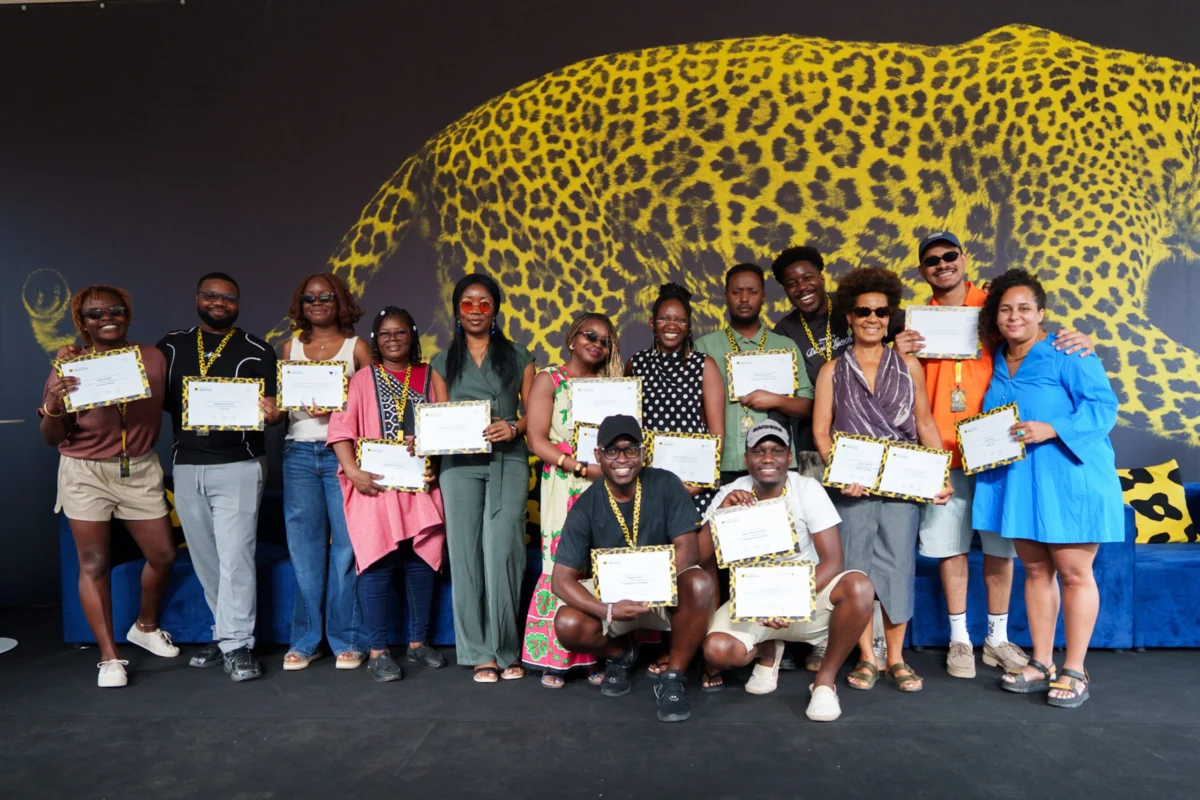
LOCARNO, SWITZERLAND – The 2026 edition of Locarno Pro’s Open Doors initiative concluded with a resounding celebration of African storytelling, as the prestigious Swiss festival awarded its top honors to a diverse array of projects hailing from Uganda, Somalia, Ghana, and beyond. In a year marked by high-stakes narratives and innovative aesthetic choices, Talemwa Pius’s magic realist fable A Vineyard for a Lobster and Mohammed Sheikh’s Somali-set legal drama Accept My Plea for a Burial emerged as the primary victors, securing the largest cash prizes and signaling a robust future for East African cinema on the global stage.
The Open Doors program, which has spent the last several years focusing on the cinematic landscapes of the African continent, proved its commitment to nurturing emerging talent by ensuring that every project in its primary selection walked away with significant support. From development grants to prestigious residencies, the 2026 awards ceremony highlighted the growing sophistication of co-productions across the Global South.
Main Facts: The Top Honors and Major Winners
The Open Doors Grants, totaling CHF 50,000 (approximately $62,000), were the most anticipated awards of the evening. These grants are sponsored by Visions Sud Est, the Swiss Agency for Development and Cooperation (SDC), and the City of Bellinzona.
1. A Vineyard for a Lobster (Uganda)
Directed by Talemwa Pius and produced by Emmanuel Gashumba of Kampala-based Gripmagic, this project secured a CHF 20,000 ($24,800) grant. The film is described as a "striking magic realist fable" that uses a supernatural weather event—an impossible snowfall in a drought-stricken Ugandan village—as a vehicle for political critique.
2. Accept My Plea for a Burial (Somalia/Djibouti)
Directed by Mohammed Sheikh and produced by Kadir Harbi of Aleel Films, this project also took home a CHF 20,000 ($24,800) grant. Set against the backdrop of Somali customary law, the film explores the moral and legal fallout following the accidental death of a young goatherd.
3. Too Much Music (Ghana)
Directed and produced by Aseye Fiagbe, this documentary focuses on the tragic yet brilliant life of Kiki Gyan, the Ghanaian keyboard prodigy. It received a CHF 10,000 ($12,400) grant, rounding out the top-tier cash prizes.
Beyond the primary grants, the ceremony saw a "prize sweep" where various European film boards and festivals offered development support, ensuring that the entire six-project focus of the Open Doors Hub received the resources necessary to move into production.
Chronology: The Journey to the 2026 Awards
The road to the August 10 announcement at Locarno Pro was the culmination of a multi-year focus on the African film industry. The Open Doors initiative operates in three-year cycles, and 2026 represented a critical juncture for the talent involved.
- Project Selection (Early 2026): After a rigorous scouting process across Sub-Saharan Africa, six projects were selected for the Open Doors Hub, while several producers were invited to the Open Doors Lab.
- The Locarno Pro Intensive (August 4–9, 2026): The selected filmmakers and producers arrived in Switzerland for a week of intensive pitching, networking, and one-on-one meetings with international sales agents, distributors, and festival programmers.
- The Pitching Sessions: Talemwa Pius and Mohammed Sheikh presented their projects to a room of industry veterans. Pius’s pitch focused on the metaphorical weight of "snow in the tropics," while Sheikh emphasized the "rarely seen Somali cultural framework" of his narrative.
- The Awards Ceremony (August 10, 2026): The winners were announced at the Locarno Pro industry zone. The atmosphere was one of collective triumph, as the jury noted the unprecedented level of thematic depth in this year’s cohort.
Supporting Data: Detailed Breakdown of Projects and Awards
The 2026 awards list reflects a wide geographic and stylistic range, proving that "African Cinema" is not a monolith but a collection of distinct national and artistic voices.
Development and Residency Awards
- CNC Development Grant (€8,000 / $9,200): Awarded to Chapa 100 (Mozambique), directed by Ique Langa and produced by Lara Sousa. Langa, who previously gained international acclaim with The Prophet at Rotterdam, explores an endearing love story involving elderly protagonists in Mozambique.
- ArteKino International Award (€6,000 / $6,900) & Sørfond Award: Both went to The Ones with the Tempered Flowers (Tanzania/Kenya), directed by Neema Ngelime and produced by Ivy Kiru. This essayistic film utilizes stop-motion animation and "constructed archives" to bridge the gap between 1990s childhood and an imagined Tanzanian future.
- Tabakalera-San Sebastian Residency: Won by Ugochukwu Azuya for I Live in V.I. (Nigeria). This social satire, produced by Olubunmi Ogunsola, takes aim at the wealth disparities and class tensions on Nigeria’s Victoria Island.
- Rotterdam Lab Award: Granted to Adja Mariam Mahre Soro of Studio Kä (Ivory Coast). Soro, an animation specialist, will participate in the prestigious Rotterdam Lab in 2027.
- EAVE Award: A scholarship for the EAVE Marketing Workshop went to Mamounata Nikiema of Burkina Faso (Pilumpiku Production). Nikiema is a veteran documentary producer known for ambitious co-productions like Djeliya, Memory of Mandingo.
- OIF Consultancy Prize: Awarded to Sarah by Pocas Pascoal (Angola), providing specialized development consulting for French-speaking Global South projects.
- AFP Critics Prize ($500): A new addition presented by African Film Press LLC, awarded to Submergido by Ariel Añez (Mozambique). The jury, comprising Kelvin Kariuki, Vivian Nwajiaku, and Jeffrey Ini-Abasi, praised the film’s unique visual language.
Official Responses: From the Filmmakers
The winners spoke to Variety and other industry outlets following the ceremony, providing insight into the creative motivations behind their award-winning projects.
Talemwa Pius (Uganda), on A Vineyard for a Lobster:
"In the film, an impossible snowfall in a Ugandan village becomes a political allegory, echoing colonial intrusion. It is a story about how we react to the miraculous—do we look for the common good, or do we succumb to self-serving ambitions? The snow is a catalyst for a broader collective breakdown."
Mohammed Sheikh (Somalia), on Accept My Plea for a Burial:
"This is a morally complex story where there is no clear truth, told through a rarely seen Somali cultural framework. We are looking at the intersection of customary law and human grief. It’s a follow-up to my film Barni, but on a much larger, more challenging scale."
Neema Ngelime (Tanzania), on The Ones with the Tempered Flowers:
"The film is diary-like. We are using cinema verité performances with my own family alongside stop-motion to explore different timelines. It’s about how we remember the past and how we construct a future from those memories."
Implications: The Shifting Landscape of African Cinema
The 2026 Locarno Open Doors winners signify several important trends in the international film industry:
1. The Rise of "High-Concept" African Narrative
For years, African cinema on the festival circuit was often pigeonholed into "social realism" or "poverty porn." The success of A Vineyard for a Lobster and I Live in V.I. shows a pivot toward magic realism, satire, and high-concept allegory. By using "impossible snowfall" or "Victoria Island luxury" as backdrops, these filmmakers are reclaiming the right to imagination and stylistic experimentation.
2. Legal and Customary Systems as Dramatic Engines
Mohammed Sheikh’s win highlights a growing interest in films that explore indigenous legal systems. By focusing on Somali customary law, the film moves beyond Western tropes of African conflict, instead focusing on the internal mechanisms of justice and morality within a specific cultural context.
3. The Power of Regional Co-production
The awards list is a map of successful South-South and South-North partnerships. Projects like Accept My Plea for a Burial (Somalia/Djibouti/Qatar) and The Ones with the Tempered Flowers (Tanzania/Kenya) demonstrate that regional cooperation is essential for overcoming the financial hurdles of independent filmmaking in Africa.
4. Locarno as a Gatekeeper of the "New Wave"
Locarno Pro continues to solidify its reputation as the premier launchpad for filmmakers who do not fit the traditional Hollywood or even "Euro-pudding" mold. By distributing prizes "evenly" and ensuring every participant received support, Open Doors is moving away from a winner-take-all model toward a sustainable ecosystem of talent development.
As these projects move from the pitching stage into production, the global film community will be watching closely. If the 2026 Locarno cohort is any indication, the next three years of African cinema will be defined by bold aesthetic risks, deep moral inquiry, and a fierce commitment to local authenticity.