Re-evaluating Our Ancestral Legacy: The Unsung Triumph of Homo erectus
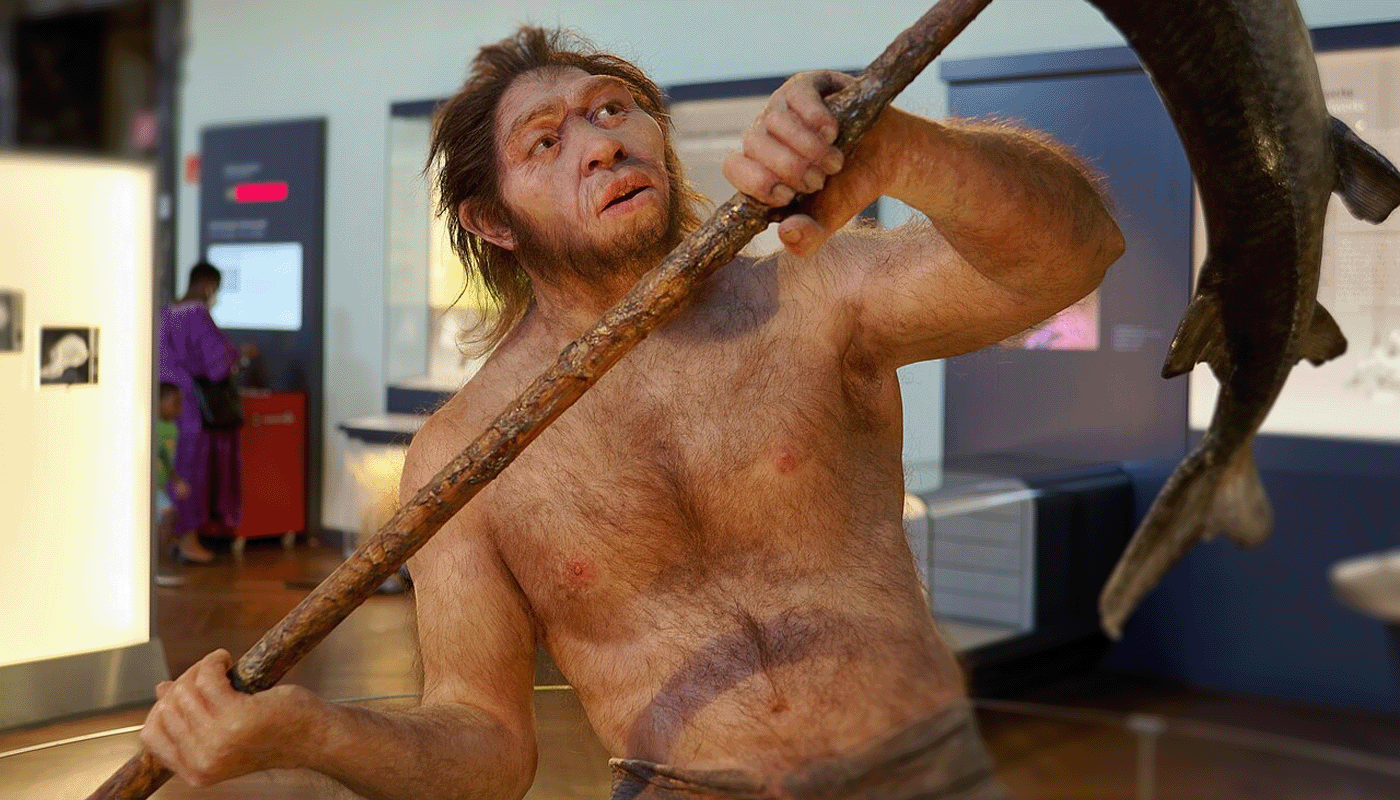
For too long, the narrative of human evolution has been a teleological march towards Homo sapiens, casting our predecessors as mere stepping stones on the path to our perceived pinnacle. This anthropocentric bias often dismisses earlier hominin species as rudimentary, unsophisticated preludes to our own "Mercedes-class" existence. However, a closer examination of the fossil record and archaeological evidence compels a radical re-evaluation, particularly for one species whose remarkable innovations, resilience, and unprecedented longevity challenge this narrow perspective: Homo erectus.
Often relegated to the role of a dull-witted "cave-person," burdened by a scientific name that invites snickers, Homo erectus was, in fact, an extraordinary success story—arguably the most enduring and adaptable member of the genus Homo to ever walk the Earth. Its two-million-year reign, a period five times longer than that of anatomically modern humans so far, speaks volumes about its evolutionary fitness and mastery of early Pleistocene environments.
Challenging the Narrative: Beyond a "Mere Prelude"
The prevailing view often paints previous hominins as simply "necessary but unremarkable" stages in our lineage, an evolutionary equivalent of basic models compared to our advanced form. This perspective overlooks the profound achievements of species like Homo erectus, focusing instead on what they lacked relative to us, rather than celebrating their successes in their own right. The temptation to view them as anatomically backward, hairy, or less intelligent fundamentally disregards the innovative spirit and adaptive capacity that defined their existence.
The Underestimated Ancestor
Our understanding of Homo erectus is frequently clouded by a tendency to project modern human capabilities backward, creating an unfair yardstick. While they certainly differed from Homo sapiens in physical attributes and cognitive capacities, these differences do not diminish their achievements. Their success was not measured by their resemblance to us, but by their ability to thrive, innovate, and expand across vast swathes of the ancient world for an astonishing span of geological time. This longevity is a critical, yet often understated, metric of evolutionary triumph.
A Cognitive Leap: Brain Development
One of the most significant advancements seen in Homo erectus was a substantial increase in brain size. While their average cranial capacity of approximately 1000 cubic centimeters (cc) was smaller than that of modern Homo sapiens, it represented a dramatic leap from their predecessors. Homo habilis, often dubbed "handy man," possessed brains ranging from 500-900 cc, and the Australopithecines averaged around 600 cc. This larger brain in Homo erectus was not merely an anatomical upgrade; it fueled a new era of cognitive abilities, driving innovations in technology, social organization, and environmental exploitation. This encephalization provided the neurological architecture necessary for the complex behaviors that would define their species.
Innovation and Adaptation: The Pillars of Homo erectus‘ Success
The success of Homo erectus was built upon a foundation of groundbreaking innovations that allowed them to interact with their environment in unprecedented ways, shaping both their own destiny and the broader evolutionary trajectory of the genus Homo.
Revolutionizing Technology: The Acheulean Toolkit
While older hominin species, including Homo habilis, used tools, the Acheulean toolkit developed by Homo erectus marked a significant evolutionary advancement. This sophisticated array of stone implements, characterized by bifacial handaxes and cleavers, represented a major improvement over the simpler Oldowan choppers and flakes. The creation of Acheulean tools required foresight, planning, and a higher degree of cognitive complexity, including an understanding of symmetry and precision knapping.
These versatile tools were not merely crude implements; they were multi-purpose instruments used for a wide range of tasks: butchering large animals, scraping hides, processing plant materials, and possibly even digging. The widespread distribution of Acheulean tools across Africa, Asia, and Europe serves as a testament to their effectiveness and the cultural transmission of this advanced technology throughout Homo erectus populations. This technological mastery provided them with a critical advantage in resource acquisition and defense, enabling a more efficient and diverse diet.
Mastery of Fire: A Transformative Force
One of the most profound innovations attributed to Homo erectus is the controlled use of fire. While evidence suggests earlier hominins might have encountered natural fires, Homo erectus appears to have been the first to harness and manage this powerful element. The implications of this achievement were nothing short of revolutionary, fundamentally altering their lifestyle and opening new avenues for survival and expansion.
The controlled use of fire offered a multitude of benefits:
- Cooking: This was perhaps the most impactful application. Cooking food, especially meat and starchy plants, increased caloric intake by making nutrients more accessible and digestible. This reduced the energy expenditure on chewing and digestion, potentially leading to smaller guts and freeing up metabolic energy to fuel larger, more complex brains. Cooking also detoxified certain plants and killed pathogens in meat, improving health and diet breadth.
- Protection: Campfires provided a deterrent against predators, offering safety and security, particularly during the vulnerable nighttime hours.
- Warmth: Fire enabled Homo erectus to survive in colder climates, expanding their habitable range beyond tropical zones and laying the groundwork for further migrations.
- Light: Campfires extended the usable hours of the day, allowing for social interaction, tool-making, and other activities after sunset, fostering a more complex social environment.
- Social Cohesion: The campfire became a central gathering point, fostering social bonding, communication, and the sharing of knowledge, which are crucial for cultural development.
- Habitat Modification: Fire could also be used to clear dense vegetation, creating open spaces for hunting or settlement.
The ability to control fire was a monumental step, marking a clear distinction from earlier hominins and establishing Homo erectus as a species capable of profound environmental manipulation.
The Apex Predator: Dietary Shifts and Energy Demands
Armed with sophisticated Acheulean tools and the power of fire, Homo erectus established itself as a formidable super-predator. They were capable of targeting and successfully hunting large herbivores, including animals far larger than themselves, such as rhinos and elephants, which possessed substantial natural defenses. Evidence from fossil sites, including cut marks on large animal bones, indicates their prowess in acquiring and processing meat.
This shift towards a higher-calorie, protein-rich diet was crucial. Brains are metabolically expensive organs, consuming a significant portion of the body’s energy. The consistent access to nutrient-dense cooked meat and other processed foods provided the sustained energy required to fuel the continued growth and complex functioning of their expanding brains. This positive feedback loop—larger brains enabling better tools and fire, leading to a richer diet, which in turn supported further brain development—was a key driver of their evolutionary success.
Global Pioneers: The Great Migration Out of Africa
Perhaps the most impressive testament to the adaptability and ingenuity of Homo erectus was their extensive expansion out of Africa and across Eurasia. While Homo georgicus, a potential early variant or descendant of Homo habilis, may have made earlier, more limited forays out of Africa (as seen at Dmanisi, Georgia), Homo erectus left an indelible mark across vast geographical regions, establishing a widespread presence. Their fossils and tools have been found from East Africa to Indonesia (Java Man, Peking Man), and across parts of Europe.
Remarkably, there is compelling evidence suggesting Homo erectus possessed the cognitive capacity and technological know-how to cross significant bodies of water. The discovery of Acheulean tools on islands such as Luzon in the Philippines and Naxos in the Aegean Sea, which have always been separated from mainland landmasses by water, implies the use of rafts or other basic watercraft. This capability demonstrates an extraordinary level of planning, cooperation, and navigational skill previously thought to be exclusive to much later hominins. Such sea crossings would have required a keen understanding of currents, winds, and the construction of buoyant vessels—a monumental cognitive and engineering feat for their time.
Despite their widespread migration, their expansion appears to have been limited by certain environmental factors. Apparent climate preferences and a likely lack of effective clothing restricted their northern expansion into colder latitudes. Had these limitations not been present, we might well have found Homo erectus remains in the New World, further underscoring their pioneering spirit.
An Unprecedented Reign: Two Million Years of Dominance
The longevity of Homo erectus as a species stands as its most striking claim to evolutionary preeminence within the genus Homo. The earliest Homo erectus fossils date back at least two million years, with the youngest examples found around one hundred thousand years ago. This sustained presence across such a vast timeframe is unparalleled by any other hominin species.
Comparing Hominin Lifespans
To fully grasp the magnitude of this achievement, consider the lifespans of other well-known hominin species:
- Homo habilis endured for approximately 750,000 years.
- Neanderthals, often depicted as a robust and successful species, lasted for about 400,000 years.
- Anatomically modern humans (Homo sapiens) have been around for roughly 300,000 years.
The genus Homo itself is less than three million years old. This means that for a staggering two-thirds of the entire history of our genus, Homo erectus was the dominant and most successful species.
The True Measure of Evolutionary Success
For Homo sapiens to merely match the impressive record of Homo erectus, we would need to persist for another 1.6 million years—a timeframe five times longer than our current existence. Homo erectus achieved this remarkable feat with only stone tools, a nascent mastery of fire, and a distinct lack of tailored clothing or advanced agriculture. Their success was not dependent on rapid technological advancement or complex societal structures, but on a deep-seated adaptability, resourcefulness, and a fundamental evolutionary fitness that allowed them to thrive across diverse ecosystems for an unimaginable duration.
Implications and Re-evaluation
The story of Homo erectus demands a fundamental shift in how we perceive our evolutionary past. They were not merely a transient "intermediate step" in a linear progression to Homo sapiens. Instead, they were a vibrant, adaptable, and profoundly successful species in their own right, carving out an ecological niche and sustaining it for an epochal span of time.
Redefining Hominin Success
The true measure of evolutionary success is not necessarily complex technology, abstract thought, or global dominance through sheer numbers, but rather the ability of a species to persist and adapt over geological timescales. By this metric, Homo erectus arguably stands as the most successful example of Homo there has ever been. And, if Homo sapiens does not manage to endure for another 1.6 million years, Homo erectus will likely remain the most successful hominin species to have ever existed. This realization offers a humbling perspective on our own tenure on Earth, highlighting the fragility and youth of our species in the grand sweep of evolutionary history.
Lessons from Our Ancient Kin
The enduring legacy of Homo erectus offers valuable lessons. Their success stemmed from fundamental adaptive strategies: a commitment to technological innovation, the ability to harness and control natural forces like fire, a diverse and efficient diet, and an unparalleled capacity for geographic expansion. These traits allowed them to navigate the challenges of the Pleistocene era and flourish.
Their story compels us to look beyond our anthropocentric biases and appreciate the diverse forms and strategies that have contributed to the rich tapestry of human evolution. Homo erectus reminds us that success in the long term often lies not in complex sophistication, but in foundational adaptability and enduring resilience. As we contemplate the future of our own species, the two-million-year journey of Homo erectus stands as a powerful testament to the fundamental principles of survival and the often-underestimated genius of our ancient ancestors.