Against the Odds: How Two ‘The Pitt’ Stars Secured Emmy Nominations Without Studio Backing
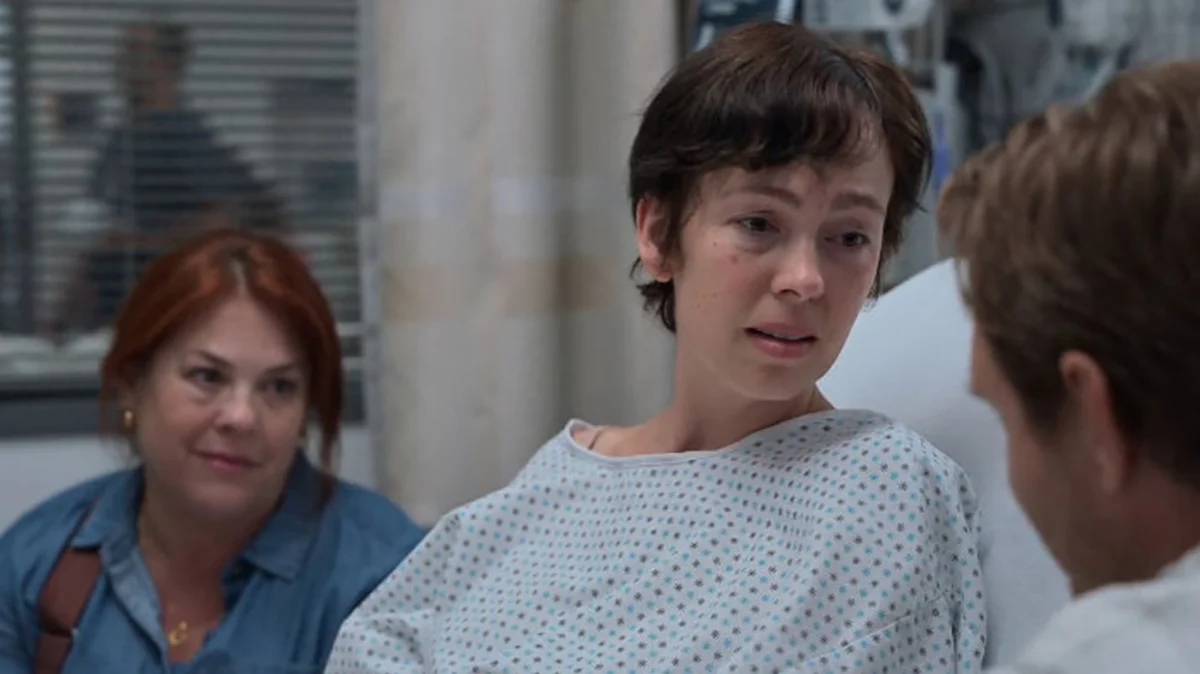
In the landscape of prestige television, the path to a Primetime Emmy nomination is typically paved by multimillion-dollar "For Your Consideration" (FYC) campaigns, orchestrated by powerful streaming giants and legacy networks. However, the announcement of the 2026 Primetime Emmy Award nominations has delivered a rare and resounding victory for the "underdog" spirit. While HBO Max’s high-stakes medical drama The Pitt dominated the field with a staggering 25 nominations, two of its most poignant performances reached the ballot not through corporate strategy, but through personal conviction.
Brittany Allen and Jeff Kober, who delivered standout guest performances in the show’s sophomore season, secured nominations in the Outstanding Guest Actress and Outstanding Guest Actor in a Drama Series categories, respectively. Their inclusion is particularly striking because neither actor was included in HBO Max’s official Emmy submission list. By betting on themselves and navigating the rigorous self-submission process, Allen and Kober have highlighted a shifting dynamic in Hollywood—one where talent can occasionally bypass the gatekeepers of the traditional awards machine.
The Main Facts: A Grassroots Path to the Ballot
The 2026 Emmy nominations solidified The Pitt as a cultural juggernaut, rewarding its blend of "empathy and competency" with a massive haul across technical and acting categories. Returning winners such as Noah Wyle, Katherine LaNasa, and Shawn Hatosy (the latter moving from Guest to Supporting Actor) found themselves back in the race. However, the Guest Acting categories became the site of a significant industry shake-up.
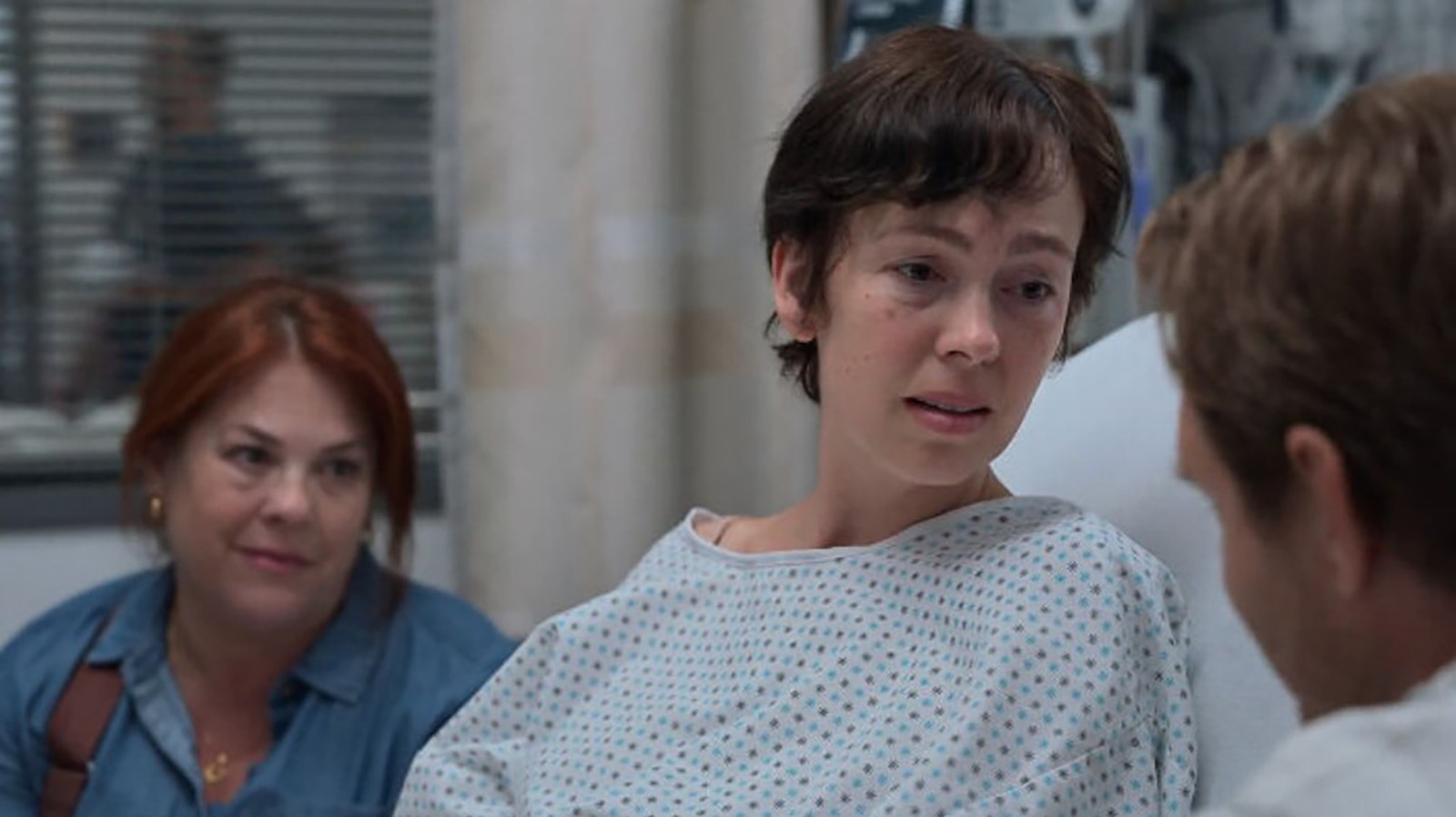
Brittany Allen’s nomination stems from her portrayal of Roxie Hamler, a terminal cancer patient whose journey through the emergency room became the emotional heartbeat of Season 2. Over a six-episode arc, Allen depicted a woman who had reached a state of profound peace with her mortality, seeking only to end her suffering with dignity. Despite being hailed by critics as a "showcase actors dream about," HBO Max did not include her among their 14 official performer submissions.
Similarly, veteran character actor Jeff Kober was overlooked by the studio. Kober played Duke Ekins, the philosophical biker friend of Dr. Robby. His performance was lauded for its subtlety, masking a terrifying medical crisis behind a façade of weathered Zen. Like Allen, Kober was left off the network’s official entry list, prompting him to take matters into his own hands.
Both actors utilized a provision in the Television Academy rules that allows individual performers to submit their own work for consideration, provided they cover the necessary entry fees and meet the eligibility requirements. Their success is a statistical anomaly; while eight other actors from The Pitt also self-submitted, only Allen and Kober managed to break through the noise to secure a spot on the final ballot.
Chronology: From Screen to Self-Submission
The journey to these nominations began with the critical and commercial success of The Pitt Season 2. As the series aired, the performances of Allen and Kober immediately resonated with the "medical drama" fanbase, though some viewers were criticized in industry circles for failing to grasp the nuanced storytelling—a phenomenon critics jokingly referred to as being "bad at watching TV."
The Internal Selection (Early 2026):
As the Emmy submission deadline approached, HBO Max executives and their awards strategy teams finalized their "slate." With an ensemble as large and talented as The Pitt, the network faced the "paradox of choice." To avoid "vote-splitting"—where too many internal candidates dilute the total votes for any single person—the network prioritized 14 performers. Allen and Kober were notably absent from this list.
The Independent Campaign (Spring 2026):
Upon learning they were not part of the official push, Allen and Kober launched independent FYC campaigns. Unlike the studio-funded efforts, which include lavish screenings and billboards along Sunset Boulevard, these campaigns were digital and grassroots. The actors participated in targeted interviews, appeared on industry-specific podcasts, and leveraged social media to remind voters of their specific contributions to the season’s most emotional arcs.
The Nomination Announcement (Summer 2026):
When the Television Academy announced the nominees, the industry was stunned to see five guest actors from The Pitt on the list. Three—Tal Anderson, Tina Ivlev, and Ernest Harden Jr.—were studio-backed. The remaining two were Allen and Kober, marking a rare moment where self-submitted talent stood shoulder-to-shoulder with their studio-endorsed counterparts.
Supporting Data: The Logistics of the Emmy Machine
To understand the magnitude of Allen and Kober’s achievement, one must look at the sheer scale of the Emmy competition. For the 2026 cycle, thousands of entries were submitted across all categories.
The Cost of Entry
Self-submission is not merely a matter of filling out a form; it is a financial and promotional undertaking.
- Fees: Individual entry fees for the Primetime Emmys can range from $100 to $500 per category, a cost usually covered by studios.
- Promotion: While studios spend six or seven figures on FYC campaigns, independent actors must rely on sweat equity.
- The "Rule of 14": Studios often limit their submissions to a specific number to ensure their marketing budget is concentrated. By submitting 14 other performers, HBO Max signaled where it believed its best chances lay.
The Competition Within
The Pitt achieved a rare feat by securing five nominations in the Guest Acting categories alone:
- Brittany Allen (Self-submitted)
- Jeff Kober (Self-submitted)
- Tal Anderson (Studio-submitted)
- Tina Ivlev (Studio-submitted)
- Ernest Harden Jr. (Studio-submitted)
This internal competition makes the success of the self-submitted actors even more impressive, as they had to convince voters to look past the "official" choices promoted by the network.
Official Dynamics: Why Studios Bypass Worthy Talent
While it may seem counterintuitive for a network like HBO Max to omit award-worthy performances, the decision is often rooted in cold, hard strategy rather than a lack of appreciation for the work.
Industry analysts point to the "Ensemble Trap." In a show like The Pitt, which prides itself on a deep bench of high-quality guest stars, submitting every deserving actor can lead to "voter fatigue." When a voter sees ten names from the same show in one category, they may opt to vote for a single name from a different series to "balance" the field, or their votes may be scattered so thinly among the ten that none of them reach the threshold for a nomination.
Furthermore, studios must allocate their "campaign kits"—the digital and physical screeners sent to Academy members—wisely. By focusing on a smaller group, they can ensure those actors receive the lion’s share of the visibility. Allen and Kober’s victory suggests that, in the era of streaming and social media, the studio’s role as the sole "signal booster" is beginning to wane.
Historical Context: A Pattern of Resilience
Interestingly, this is not the first time Brittany Allen and Jeff Kober have found success by bypassing traditional channels. Both actors have a history of "betting on themselves" within the soap opera circuit, a genre often considered the training ground for the industry’s most resilient talent.
In 2010, Brittany Allen self-submitted her work on the ABC soap All My Children. Not only did she earn a Daytime Emmy nomination, but she went on to win the award for Outstanding Younger Actress in a Drama Series.
Jeff Kober followed a similar trajectory in 2021. After a compelling run on General Hospital, he self-submitted for the Daytime Emmys and secured a nomination and a subsequent win for Outstanding Supporting Actor in a Drama Series.
These historical precedents suggest that both actors possess a keen understanding of the "prestige value" of their own work, as well as the tenacity required to navigate the Academy’s bureaucracy without a corporate safety net.
Implications: The Death of the Gatekeeper?
The success of Allen and Kober carries significant implications for the future of television awards.
1. Empowering the Individual:
Their nominations serve as a proof-of-concept for other actors who feel overlooked by their networks. It proves that if the work is strong enough and the actor is willing to put in the promotional legwork, the Academy will listen.
2. The Impact of Social Media:
The ability to reach voters directly via platforms like X (formerly Twitter), Instagram, and industry podcasts has leveled the playing field. High-priced billboards are no longer the only way to stay "top of mind" during the voting window.
3. Strategy Re-evaluation:
Studios may need to rethink their submission strategies. If self-submitted actors are consistently outperforming or matching studio-backed talent, the "Rule of 14" may become obsolete, leading to more inclusive, albeit more crowded, submission lists.
As the 2026 Primetime Emmy Awards approach, all eyes will be on Allen and Kober. Having already defied the odds to reach the ballot, they now face the final hurdle. Whether they take home the statuette or not, their journey has already provided a masterclass in professional autonomy and the enduring power of a standout performance. In the sterile, high-stakes world of The Pitt, these two actors proved that sometimes the most effective medicine for a career is a healthy dose of self-belief.