‘AI is a Trojan horse that everybody knows the Greeks are inside’ says The Odyssey director Christopher Nolan:…

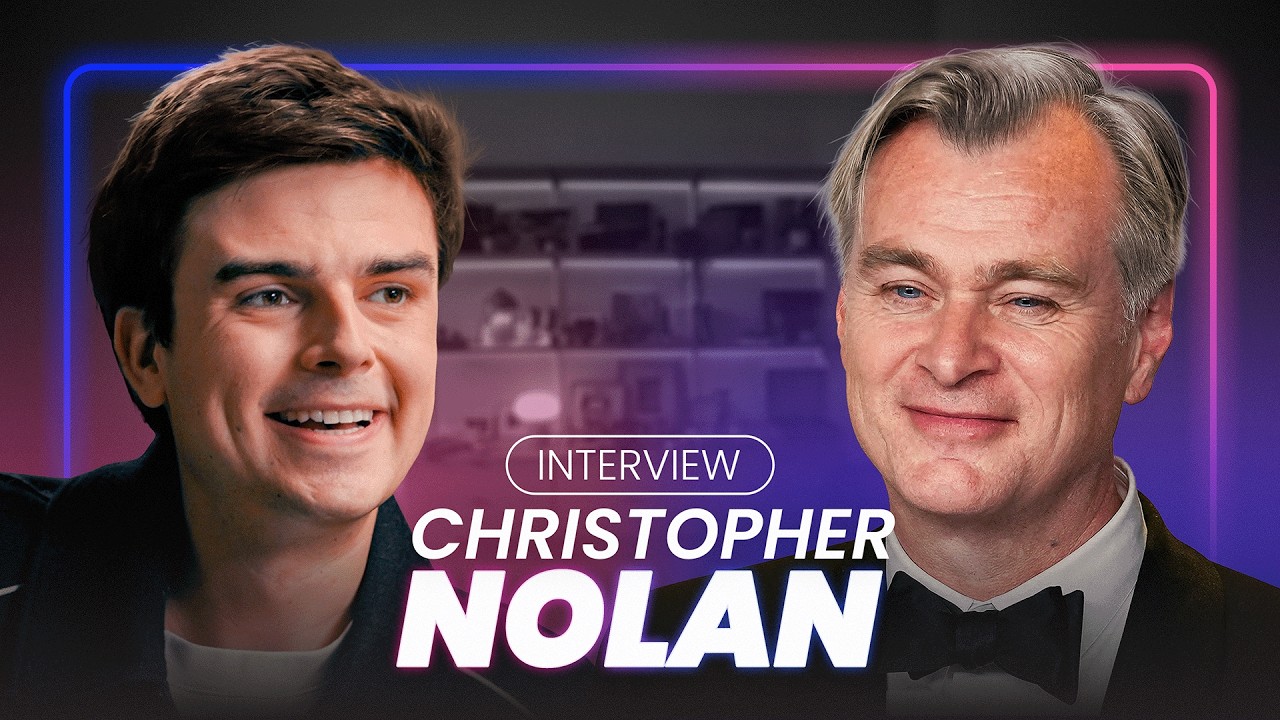
London, UK – July 23, 2026 – As anticipation for Christopher Nolan’s latest cinematic offering, "The Odyssey," reaches fever pitch, the acclaimed director has ignited a fresh wave of discourse, not about his filmmaking prowess, but about the burgeoning world of artificial intelligence. In a candid interview with the YouTube channel HugoDéchrypte – Grands formats, Nolan drew a stark parallel between the ancient Greek stratagem and the current trajectory of AI, labeling it an "obvious Trojan horse." This pronouncement comes amidst a flurry of public appearances by Nolan, further solidifying his position as a prominent voice on both cinematic and societal issues.
The timing of Nolan’s AI commentary is particularly resonant. "The Odyssey" is widely predicted to be this summer’s dominant box office force, and the director’s willingness to engage with complex technological and cultural topics beyond the confines of his filmography underscores his multifaceted engagement with the public sphere. Following his recent, widely reported remarks on the younger generation’s outright rejection of "AI slop" – a term he used to describe inferior AI-generated content – his latest interview delves deeper into the underlying anxieties surrounding artificial intelligence.
The Trojan Horse of Artificial Intelligence: A Transparent Threat?
Nolan’s assertion that AI represents an "obvious Trojan horse" is a powerful metaphor, suggesting a deceptive offering that conceals a hidden danger. However, in his view, this particular deception is remarkably transparent. "I think AI is a Trojan horse that everybody knows the Greeks are inside," he stated, offering a nuanced perspective on public perception. This implies a collective, perhaps subconscious, awareness of the potential downsides of AI, even as its adoption accelerates.
His observations on the rapid advancement and simultaneous public rejection of AI are particularly striking. "I’ve never seen a technology advancing so rapidly, so completely rejected by the public," Nolan observed, his tone reflecting a genuine bewilderment. "Everybody’s suspicion of it is so extreme, particularly young people." This widespread skepticism, he noted, is evident in the immediate and harsh judgments passed on AI-generated content, particularly by younger demographics who label it "AI slop."
Nolan’s consistent critique of AI-generated content, especially as articulated by his own children’s generation, highlights a growing generational divide in how this technology is perceived. The term "AI slop" has become a shorthand for content that lacks genuine creativity, soul, or human touch, and its widespread adoption by younger audiences suggests a discerning palate that prioritizes authenticity.
The Imperative of Skepticism: Navigating Technological Gifts
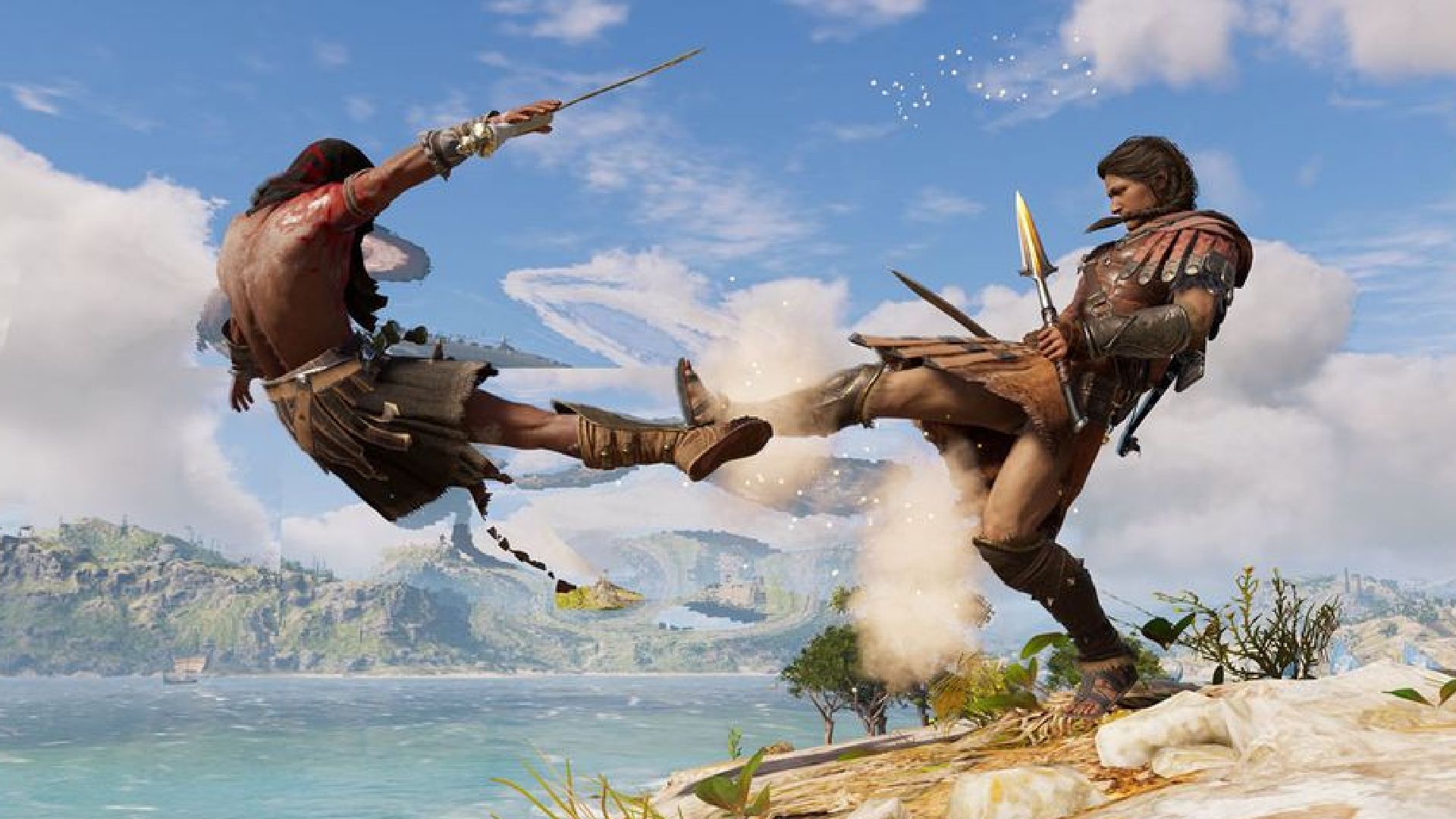
The director’s advocacy for a healthy dose of skepticism towards new technologies is not born from a Luddite sentiment, but rather from a deep understanding of historical patterns and human nature. "Which I think is a very healthy scepticism," Nolan elaborated, "because technology is always going to give us great gifts… but it has to be viewed with scepticism, the motives of the people giving it to us also have to be viewed with scepticism."
This call for critical evaluation extends beyond the technology itself to the intentions of its creators and proponents. Nolan believes that a balanced approach, one that embraces the potential benefits while rigorously examining the underlying motivations and potential consequences, is crucial for harnessing the true potential of innovation. "That’s when we’ll get the best out of a new technology, rather than just blind faith that everything’s going to be great," he emphasized.
A Transparent Future: The Glass Horse Analogy
The interview culminates with Nolan’s evocative analogy of the AI Trojan horse being made of glass. "It’s a transparent horse. It’s made of glass. Everybody can see what’s going on inside," he concluded. This powerful imagery suggests that while AI may present itself as a gift, its inner workings and potential implications are increasingly visible and understood by the public. The transparency of the "horse" implies that the dangers are not hidden, but rather openly apparent, demanding a conscious decision on how to engage with it.
The Growing Tide of Youthful Discontent: Data and Anecdotes
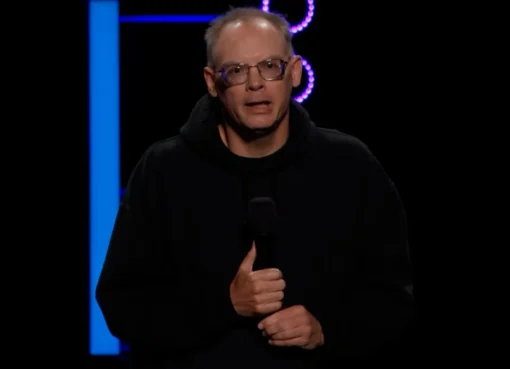
The widespread apprehension towards AI, particularly among younger generations, is not merely anecdotal. Recent months have witnessed a growing number of public expressions of this discontent. Viral videos have captured students at university graduation and commencement ceremonies booing speakers who extolled the virtues of AI, labeling it the "next industrial revolution." These reactions, often met with cheers when the speaker acknowledged AI’s recent emergence as a significant factor in their lives, underscore a deep-seated anxiety about its impact on their futures.
This sentiment is further amplified by the pervasive uncertainty and grim predictions surrounding the labor market. Reports from international bodies, such as the International Monetary Fund (IMF), have warned of an "AI tsunami" that could profoundly disrupt youth employment. The prospect of entering a world shaped by advanced AI, where traditional job roles may be automated or significantly altered, naturally breeds apprehension and a healthy dose of skepticism.
The Tech Elite’s Utopian Visions vs. Public Apprehension
In stark contrast to the growing public wariness, many figures within the tech industry continue to paint an almost utopian vision of the future shaped by AI. These "tech luminaries" often present dazzling predictions of AI-driven advancements, promising a world of unparalleled progress and even hinting at possibilities like digital immortality and the resurrection of the dead, albeit contingent on future iterations and advancements of the technology.
This disparity between the aspirational narratives of tech leaders and the grounded concerns of the general public, particularly younger generations, creates a palpable tension. While the potential benefits of AI are undeniable, the unchecked enthusiasm and often speculative pronouncements from industry insiders can feel disconnected from the immediate anxieties about job security, ethical implications, and the very definition of human creativity.
The Echoes of Ancient Wisdom: Pyrrhonian Skepticism in the Digital Age
Nolan’s insistence on skepticism resonates deeply with historical philosophical traditions. The ancient Greek school of Pyrrhonism, for instance, championed a suspension of judgment in the face of uncertainty, advocating for a balanced and critical approach to knowledge and belief. This ancient wisdom, focused on understanding the limitations of human perception and the complexities of reality, seems remarkably relevant in the current discourse surrounding AI.
The author of this article finds it difficult to disagree with Nolan’s astute observations. While acknowledging the potential utility of AI, the relentless and often exaggerated optimism surrounding its capabilities can indeed be tiresome and, at times, patronizing. The emphasis on skepticism, a cornerstone of critical thinking and a vital tool for navigating complex technological advancements, is not only healthy but, as Nolan implicitly suggests, a practice with deep historical roots, even echoing the philosophical inquiries of the ancient Greeks. The ability to question, to scrutinize, and to avoid blind faith is arguably the most potent defense against the potential pitfalls of any transformative technology.
The conversation surrounding AI is far from over, and Christopher Nolan’s intervention serves as a crucial reminder that technological progress must be tempered with critical thought, ethical consideration, and a healthy dose of public skepticism. As "The Odyssey" prepares to dominate the box office, its director’s commentary on AI offers a profound insight into the anxieties of our time and the enduring importance of questioning the narratives we are presented with, especially when they promise a future that seems too good to be true.

About the Author:
Andy has been immersed in the world of PC gaming hardware since his early teens, witnessing firsthand the evolution of technology from the era of IDE cables to today’s high-performance systems. With over two decades of experience, he now dedicates his time to writing in-depth reviews and analyses of graphics cards, CPUs, peripherals, and all manner of PC gaming hardware. His passion lies in dissecting the intricacies of technology and offering informed opinions on the latest innovations in the field.