Alien: Isolation 2 – A New Era of Terror Dawns with a Familiar, Terrifying Aesthetic

Gamescom 2026 marks the highly anticipated reveal of Creative Assembly’s follow-up to the beloved horror classic, promising a return to the roots of the Xenomorph’s terrifying debut while boldly venturing into uncharted territory.
The air at Gamescom 2026 was thick with anticipation, a palpable buzz that reached a fever pitch as Creative Assembly unveiled its latest project: Alien: Isolation 2. For fans who have long cherished the original 2014 masterpiece, this announcement represents a potent blend of homecoming and exhilarating new beginnings. Despite a somewhat divisive initial reception, Alien: Isolation has since ascended to the pantheon of true horror classics, meticulously capturing the gritty, analogue sci-fi aesthetic that defined Ridley Scott’s seminal 1979 film and introduced the world to H.R. Giger’s perfect organism. This sequel, glimpsed for the first time at the prestigious gaming expo, promises to not only recapture that magic but to expand upon it in ways that have left the gaming community both thrilled and cautiously apprehensive.
The Unyielding Grip of the Original Vision
At the heart of Alien: Isolation 2‘s development lies an unwavering commitment to the aesthetic and atmosphere that made its predecessor a standout. Art Director Ana Sopikova was quick to reassure attendees and the wider gaming press that the team at Creative Assembly is deeply rooted in the original 1979 film’s distinct visual language. "We are definitely sticking to the original 1979 film," Sopikova stated emphatically during a behind-the-scenes presentation. "So the focus is still very much on that authentic Alien lo-fi sci-fi aesthetic. There’s definitely gonna be some claustrophobic interiors, corridors, and steam rolling – everything that people loved about the first game."

This dedication to the retro-futuristic charm of the original Alien is not merely an artistic choice; it’s a fundamental pillar of the game’s identity. The original Alien was a masterclass in visual storytelling, its world feeling lived-in, functional, and terrifyingly plausible. The clunky technology, the utilitarian design, and the pervasive sense of decay all contributed to an atmosphere of unease that the first Isolation game so brilliantly replicated. Alien: Isolation 2 aims to continue this legacy, ensuring that players will once again be plunged into environments that echo the practical effects and tangible feel of early sci-fi cinema. This commitment reassures fans that the soul of the original film, and the first game’s successful translation of it, will remain intact.
A Prologue into the Unknown: Venturing Beyond the Station Walls
While the spiritual successor to the original Alien is a cornerstone, Alien: Isolation 2 is not content to merely retread familiar ground. The game’s prologue, experienced firsthand by select members of the press, immediately signals a departure from the singular, isolated survival of Amanda Ripley. The narrative introduces a new protagonist, Blake, who begins her harrowing journey not alone, but in the company of fellow crew members. Their initial mission involves investigating a distress signal emanating from a crashed spacecraft on a remote colony world.
This setup swiftly thrusts players into a dramatically different environment. After their own transport suffers a catastrophic failure, Blake is forced to venture out on foot to reach the downed vessel. This leads to an unexpected and chilling encounter with the "great outdoors" – a concept rarely explored in the Alien franchise, which has traditionally favored confined, industrial, or technological settings. The preview showcased Blake navigating a pitch-black wilderness, illuminated only by the violent flashes of a raging storm, complete with driving wind and torrential rain. This initial foray into the elements, a stark contrast to the sterile corridors of Sevastopol station, hints at a significant expansion of the game’s playable spaces.

The exploration of this hostile natural environment, a deliberate shift from the claustrophobic interiors that defined the first game, immediately sparks speculation. The experience of being hunted in the dark, vulnerable to unseen threats amidst the chaos of a storm, inevitably draws parallels to another iconic sci-fi franchise that pits humans against formidable alien predators: Predator. While Creative Assembly remains tight-lipped about direct influences, Art Director Ana Sopikova acknowledged the new possibilities presented by these outdoor segments. "By taking it outside, how do you learn to survive there, and how does the Alien adapt to hunting you in this different environment?" she mused. "Obviously, the demo is just a prologue, but you’ll definitely have more arsenal of tools later." This suggests that the introduction of outdoor environments is not merely a cosmetic change but a fundamental evolution of the gameplay loop, forcing players to adapt their strategies and utilize a wider array of tools to survive.
Evolving the Threat: The Alien’s Adaptation and New Tools for Survival
The introduction of outdoor environments raises intriguing questions about the Xenomorph’s behavior and the player’s ability to counter it. The very nature of the creature, its adaptability and predatory prowess, suggests it would not be confined by traditional settings. The implication is that the Xenomorph will be a formidable threat even in this new, open-ended landscape, perhaps even more so.
Players can anticipate a return of familiar survival mechanics, including the iconic motion tracker, a staple of the Alien experience that instills an immediate sense of dread and paranoia. The game also sees the return of emergency phones as save points, a design choice that effectively amplifies the tension by forcing players to commit to a save location with the constant fear of the unknown lurking just around the corner.
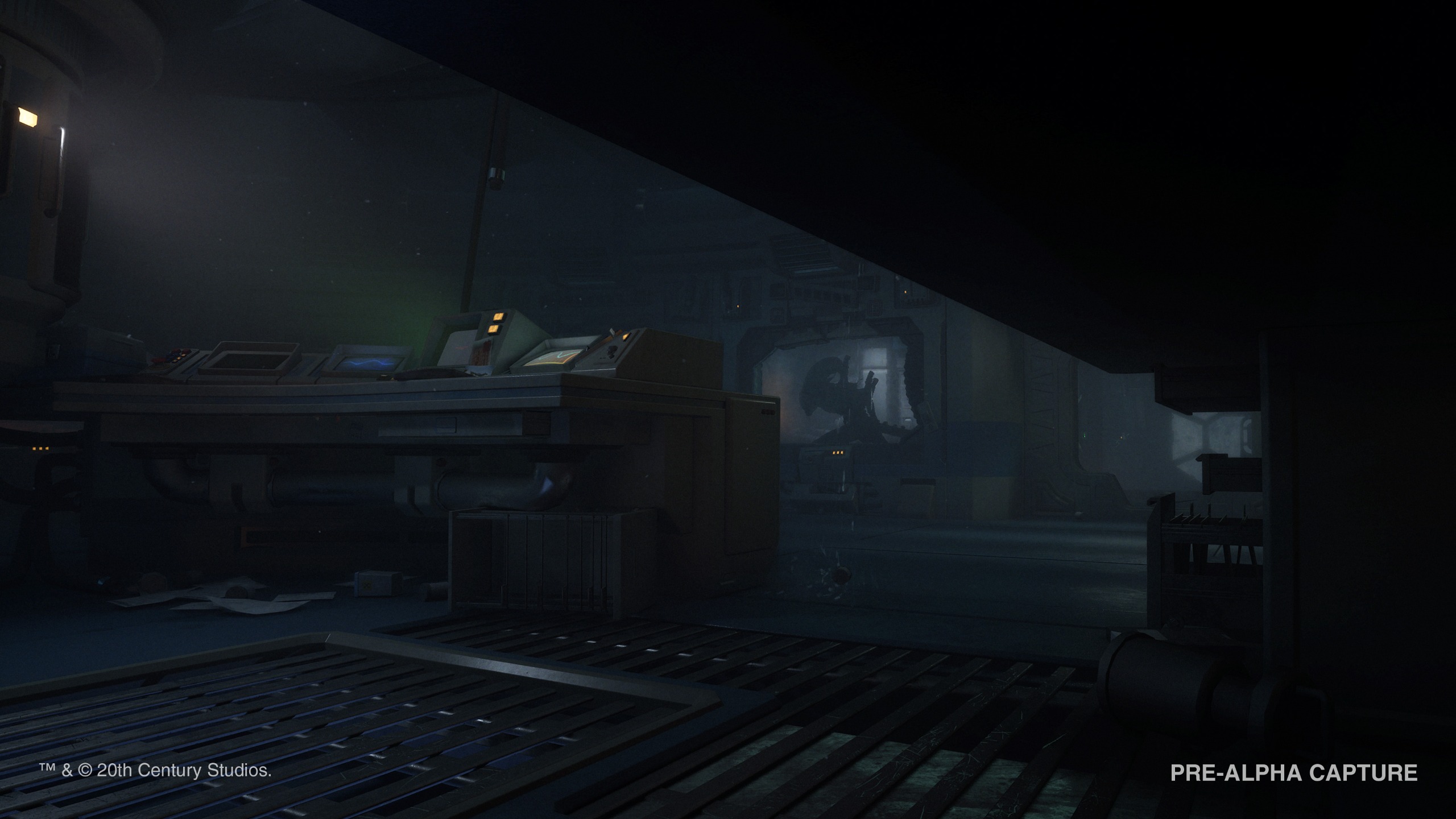
The prologue also offers a glimpse into the game’s enemy variety, with the first jump scare originating not from the Xenomorph itself, but from a still-sentient Working Joe. These hostile synthetics, a memorable antagonist from the first game, confirm that the sequel will build upon established lore and enemy types. However, the decision to reintroduce these elements, alongside the unwavering focus on the 1979 film’s aesthetic, raises the question of creative constraints.
Unfettered Creativity: Leveraging Archives and Advanced Technology
Creative Assembly’s close relationship with 20th Century Films has provided them with unprecedented access to a treasure trove of archival materials from the original Alien. This includes behind-the-scenes photographs and concept art, which have been instrumental in deconstructing the film’s unique elements and translating them into the game. "For us, we’re really lucky, because we have a good close relationship with 20th Century Films, so we have an archive from the original film, behind the scenes pictures, which really allows us to deconstruct all the elements that make the first film what it is," Sopikova explained. "Once you really dive deep into details that make the film unique, then you can take it and build something new out of it. So I wouldn’t say we’re constrained. There is a lot of creativity from the team, and there’s plenty more to build."
This access allows the developers to move beyond mere homage and to truly understand the genesis of the film’s iconic designs and atmosphere. It empowers them to innovate within the established framework, ensuring that Alien: Isolation 2 feels both authentic and fresh.
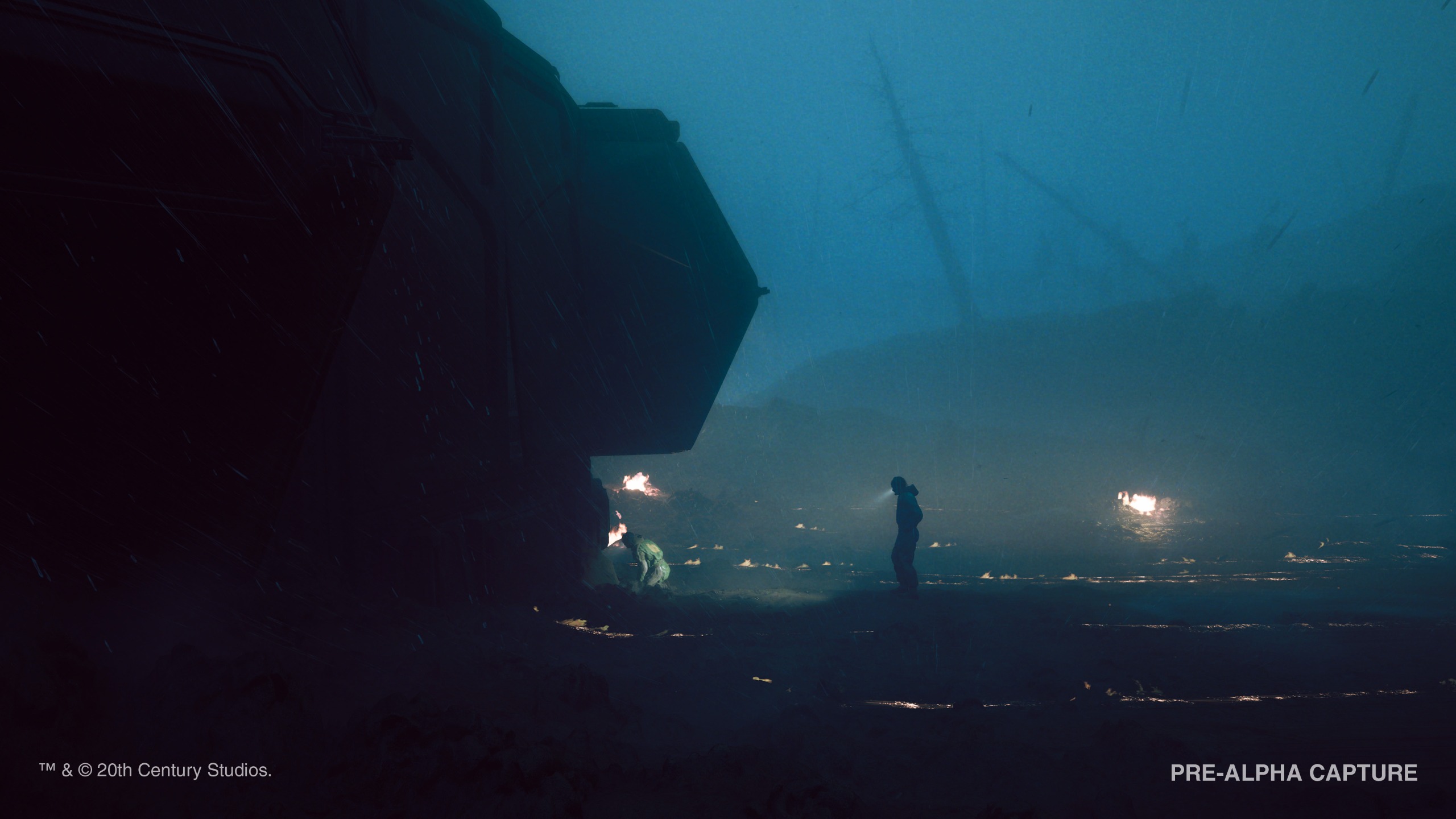
Furthermore, the development of Alien: Isolation 2 is being powered by Unreal Engine 5, a significant technological leap from the studio’s proprietary Cathode engine used for the original game. This advanced engine provides a robust foundation for creating the game’s detailed environments and dynamic lighting. Principal Environment Artist Archie Whitehead highlighted the team’s expertise and their commitment to pushing the boundaries of visual fidelity. "We’ve got a bunch of really experienced Unreal 5 developers, they know how to get the most out of it, so we’re leveraging everything that gives us a good starting point," Whitehead stated. "But one of the exciting things for us is we’ve got some custom tech on top of that as well. Lumen is fantastic, but we’ve got a custom lighting system that’s really reactive. So if the Alien moves fast or you see the shadow, and if the lights are flickering, we want it to be perfect."
This custom lighting system is particularly crucial for a game that relies so heavily on atmosphere and the unseen. The ability to create dynamic, reactive lighting that perfectly captures the fleeting shadows and disorienting flickers of emergency lights will undoubtedly heighten the sense of dread and immersion. The technology also allows for the realization of nuanced animations for the Xenomorph, a testament to the vision held by the original development team over a decade ago. "I was chatting to the animation director, who was an animator on the original game, and he was showing me these animations for the Alien that were complicated in a way that would have had to be blended in," Whitehead recalled. "So there’s a lot of stuff there that they had the vision in the original over 10 years ago, and unfortunately, they didn’t have the technology to support it, but now they do." This long gestation period has, in effect, allowed for a more refined and technologically advanced execution of their original creative aspirations.
The Legacy of Isolation: A Decade of Waiting Bears Fruit
The initial lukewarm commercial performance of Alien: Isolation left many fans disheartened, and the prospect of a sequel seemed distant, especially as Creative Assembly moved on to other projects, including the ambitious but ultimately cancelled online shooter Hyenas. However, the intervening decade has proven to be a significant benefit for the development of Alien: Isolation 2. The game’s prolonged development cycle has allowed for technological advancements, a deeper understanding of the source material, and the maturation of the development team.
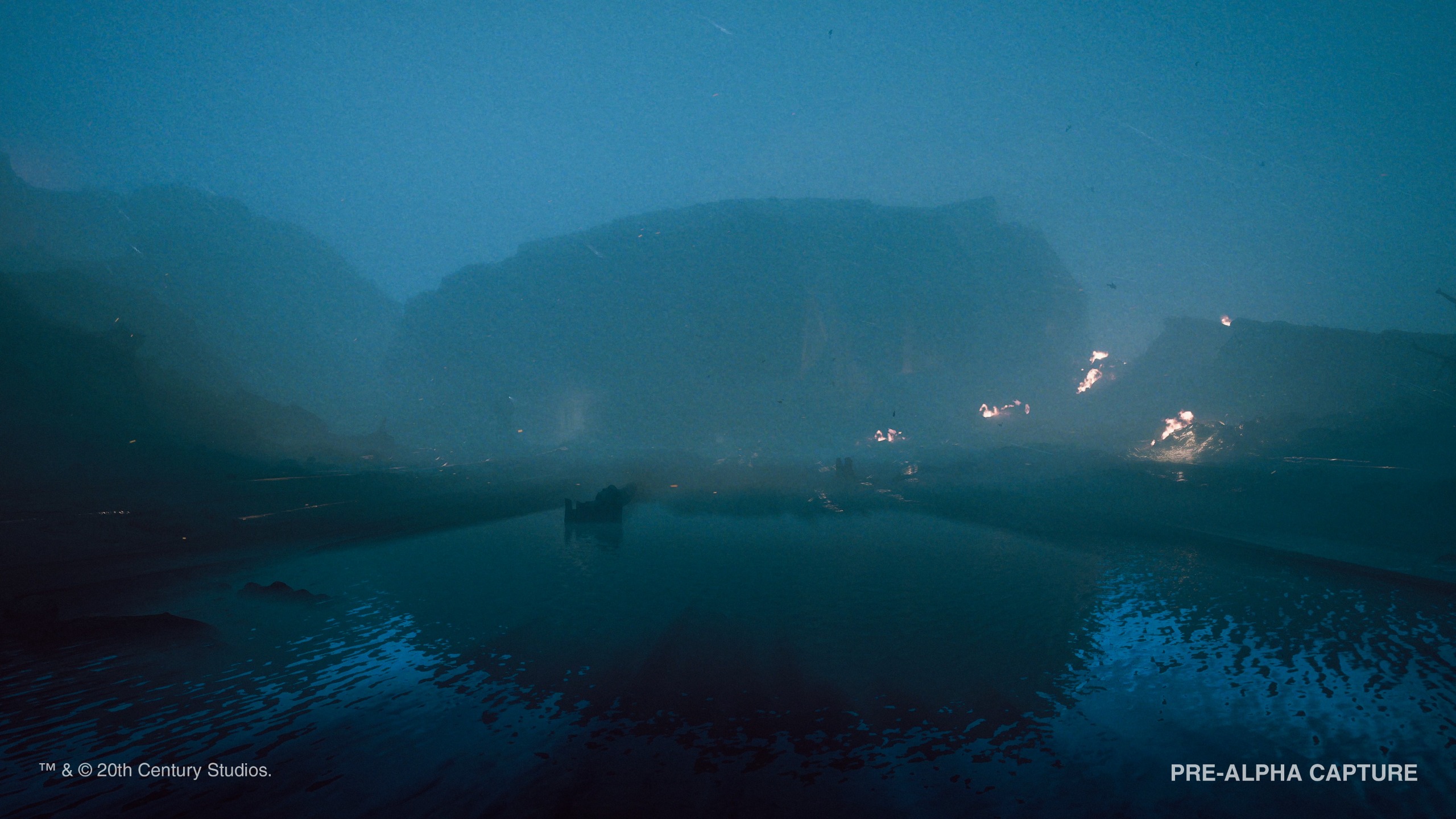
The wait has not been in vain. The increased graphical fidelity afforded by Unreal Engine 5, coupled with the studio’s refined understanding of what makes the Alien universe so terrifying, promises an experience that surpasses its predecessor in scope and immersion. The narrative expansion into outdoor environments, the potential for a more adaptive and dynamic Xenomorph, and the enhanced visual and technical capabilities all point towards a sequel that honors the legacy of the original while forging its own path.
Alien: Isolation 2 is slated for release on PC, Nintendo Switch 2, PlayStation 5, and Xbox Series X/S, bringing this new chapter of survival horror to a wide range of platforms. The anticipation for this return to the terror of the Xenomorph is palpable, and it appears that the long wait has been worth it, promising a game that will once again redefine survival horror.
For those inspired by the world of game development, exploring the best game development software and the ideal laptops for game development can offer further insights into the tools and hardware behind these immersive experiences. The future of Alien gaming looks brighter, and undoubtedly, far more terrifying, than ever before.