Anticipating the Next Wave: A Deep Dive into Speculative Fiction’s Diverse Upcoming Releases
The speculative fiction landscape is perpetually vibrant, a testament to the boundless human imagination and an ever-evolving reflection of contemporary society. As the publishing calendar turns, a new slate of titles emerges, promising to captivate readers with fresh narratives spanning science fiction, fantasy, horror, and young adult adventures. From intricate world-building and profound thematic explorations to thrilling action and sharp satire, the forthcoming releases showcase the genre’s remarkable breadth and depth. This comprehensive overview highlights some of the most anticipated books set to enrich the literary world, offering a glimpse into the creative minds shaping our speculative futures and pasts.
A Glimpse into the Future: Key Releases and Their Impact
The upcoming months are poised to deliver a rich tapestry of stories, each contributing to the expansive universe of speculative fiction. These releases not only promise compelling narratives but also push boundaries, engage with complex societal issues, and redefine genre conventions.
S.C. Bandreddi’s The Game of Oaths (Candlewick, June 26)
Making a highly anticipated debut, S.C. Bandreddi transports readers to 1896 Paris in The Game of Oaths, a young-adult historical dark fantasy novel. This enthralling narrative centers on a magical circus where performers, ensnared by binding contracts, are compelled to participate in a lethal tournament. The stakes are immense: the winner is promised freedom, a tantalizing prospect in a world designed to entertain the elite. However, one particular competitor harbors motives far beyond mere liberation, driven instead by a burning desire for revenge.
Bandreddi’s debut is lauded for its potent blend of magic and brutal action, creating an atmosphere of both wonder and peril. Beyond the captivating spectacle, the novel features a diverse cast of characters grappling with profound issues of colonialism, imbuing the fantastical setting with a serious, resonant touch. This intersection of historical context, magical realism, and social commentary positions The Game of Oaths as a significant entry in the YA dark fantasy genre, appealing to readers who seek both thrilling entertainment and thought-provoking depth. Its exploration of power dynamics and historical injustices through a fantastical lens offers a fresh perspective on a well-loved setting.

Maurice Broaddus’s A City Dreaming (Tor, June 26)
Maurice Broaddus concludes his acclaimed Astra Black trilogy with A City Dreaming, a volume expected to deliver a complex and action-packed finale. Set within the sprawling Muungano Empire, the narrative plunges into heightened political intrigue as a mysterious signal from a wormhole portends new arrivals. This cosmic event triggers widespread conflicts across the solar system, threatening to destabilize the delicate balance of power and challenge the very foundations of the empire.
Broaddus is known for his intricate world-building and ability to weave socio-political commentary into his science fiction narratives. A City Dreaming is anticipated to be no exception, offering a sophisticated exploration of imperial dynamics, interstellar diplomacy, and the consequences of unforeseen cosmic interventions. The culmination of a trilogy is often a pivotal moment for both author and reader, promising resolutions, revelations, and a definitive statement on the series’ overarching themes. Fans of complex space opera and politically charged science fiction will undoubtedly eagerly await this final installment.
Ellen Datlow, ed., Lovecraft’s Brood (Tachyon, July 26)
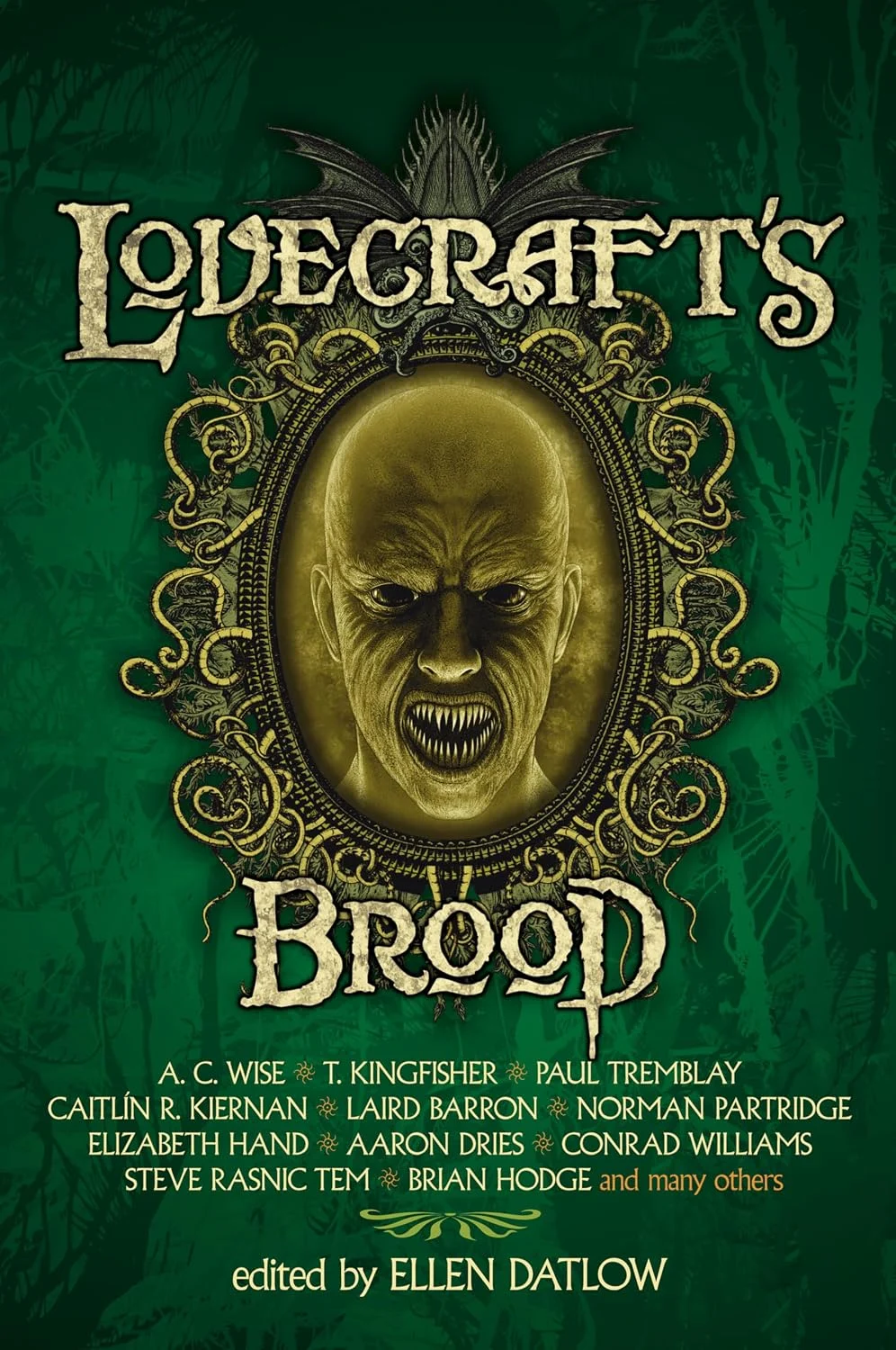
The venerable editor Ellen Datlow once again curates a collection of chilling tales with Lovecraft’s Brood, an anthology featuring 19 stories of cosmic dread. Spanning the last two decades, this collection promises new and inventive takes on Lovecraftian themes, moving beyond mere pastiche to explore the enduring anxieties of cosmic horror. Datlow, a titan in the horror and dark fantasy fields, brings together an impressive roster of authors including Laird Barron, Elizabeth Hand, Caitlín R. Kiernan, T. Kingfisher, Steve Rasnic Tem, Paul Tremblay, and L. Marie Wood.
This anthology is a testament to the continued relevance and evolution of H.P. Lovecraft’s foundational work. By focusing on contemporary interpretations, Lovecraft’s Brood offers readers fresh perspectives on existential terror, unknowable entities, and the fragility of human sanity. Datlow’s discerning eye ensures a collection that is not only terrifying but also critically engaging, showcasing the diverse ways modern authors confront and expand upon the core tenets of cosmic horror. It serves as a vital snapshot of how a classic subgenre continues to inspire and evolve in the 21st century.

Kate Heartfield’s Mercutio (Harper Voyager UK, May 26)
Kate Heartfield offers a unique literary reimagining with Mercutio, a "prequel" to William Shakespeare’s iconic Romeo and Juliet. This novel delves into the backstory of Romeo’s quick-witted friend, Mercutio, granting him his own epic adventure. In a truly audacious twist, Mercutio teams up with none other than Dante Alighieri to thwart a looming Faerie invasion threatening to spill into the human world.
Heartfield’s innovative approach promises to breathe new life into classic characters and literary canons. By blending Shakespearean drama with high fantasy and historical figures, Mercutio offers a rich, intertextual experience. This kind of literary fusion appeals to readers who appreciate clever storytelling and fresh perspectives on familiar tales, demonstrating the enduring capacity of myth and literature to be reinterpreted and expanded upon. The novel is set to explore themes of friendship, courage, and the hidden magical undercurrents beneath the surface of the mundane world.
Allan Kaster, ed., The Year’s Top Hard Science Fiction Stories 10 (Infinivox, June 26)
Allan Kaster returns with the tenth volume in his popular anthology series, The Year’s Top Hard Science Fiction Stories 10. This latest collection showcases 11 standout stories from 2025, featuring contributions from an impressive array of writers, including Vera Brook, Isabel J. Kim, Nancy Kress, Allen M. Steele, Bruce Sterling & Paul Di Filippo, and Peter Watts.
Kaster’s anthologies are a cornerstone for enthusiasts of hard science fiction, a subgenre distinguished by its rigorous adherence to scientific plausibility and exploration of technological and scientific concepts. This series not only highlights the cutting edge of scientific speculation but also champions authors who skillfully balance scientific accuracy with compelling storytelling. For readers seeking intellectually stimulating narratives grounded in scientific principles, this collection remains an essential guide to the best of the genre’s output. Its consistent quality and curated selection solidify its place as a vital resource for both seasoned fans and newcomers to hard SF.

Justin C. Key’s The Hospital at the End of the World (Harper, Feb 26)
Justin C. Key presents a thought-provoking near-future science fiction novel with The Hospital at the End of the World. The premise introduces a world where "hospitals are run entirely by AI and where doctors are little more than glorified software engineers." The narrative follows Pok, a medical student who finds himself compelled to work in the last remaining hospital not governed by algorithms. Here, he must learn the art of human-centered patient care, a stark contrast to the automated systems he knows, all while simultaneously trying to unravel a secret held by his father.
Key’s novel delves into crucial contemporary discussions surrounding artificial intelligence, healthcare ethics, and the essence of humanity in an increasingly technological world. As AI continues to integrate into various aspects of daily life, stories like The Hospital at the End of the World serve as important speculative commentaries, prompting readers to consider the implications of ceding control to machines and the irreplaceable value of human connection and intuition, especially in critical fields like medicine.
Haralambi Markov’s The Language of Knives (Mythic Delirium, July 26)
Haralambi Markov introduces his debut collection, The Language of Knives, a compelling assembly of 13 dark fantasy and horror stories. Four of these tales are new to this collection, while others have been previously published, all contributing to Markov’s distinctive voice. The stories frequently draw upon elements of Slavic myth, infuse dark humor, and bravely explore questions of queer identity. The collection is further enriched by an introduction from the acclaimed Ann VanderMeer.
Markov’s work stands out for its unique blend of cultural folklore, psychological depth, and thematic exploration. The inclusion of Slavic myth offers a rich, often underrepresented, tapestry of storytelling traditions, while the open engagement with queer identity speaks to the growing inclusivity and representational diversity within speculative fiction. The Language of Knives promises to be a powerful and memorable debut, signaling Markov as a significant new voice in dark fantasy and horror.

Alex Shvartsman’s The Best of All Possible Planets (UFO Publishing, July 26)
Alex Shvartsman delivers a satirical science fiction space opera with The Best of All Possible Planets, a novel that playfully acknowledges its primary inspiration in Voltaire’s Candide, while also drawing liberally from the comedic genius of Douglas Adams and dozens of other genre and pop culture targets. The novel follows a small, unlikely group on a quest to acquire a new protective force shield for Earth, affectionately known as "Planet Dirt." As one might expect from such inspirations, chaos naturally ensues.
Described as a "breezy read" by Adrienne Martini, Shvartsman’s work invites readers to simply "relax and let the ride take you away from the actual world for a bit." This novel exemplifies the power of satire within speculative fiction to critique society, explore philosophical ideas, and provide much-needed levity. Its intertextual playfulness and comedic energy make it a delightful addition for fans of intelligent humor and grand cosmic adventures.
Jen St. Jude’s Where You’ll Find Us (Bloomsbury US, June 26)
Jen St. Jude contributes to the flourishing young adult fantasy genre with Where You’ll Find Us. This novel follows a disowned queer teen who stumbles upon a farmhouse existing outside of conventional time. This unique sanctuary serves as a refuge for queer kids from different decades, providing a space for them to share their experiences and find community. However, this timeless haven faces a new challenge when "one day the clock starts ticking again," threatening their idyllic existence.
St. Jude’s novel addresses crucial themes of identity, belonging, and the search for sanctuary for marginalized youth. The concept of a temporal farmhouse housing queer individuals from various eras offers a poignant exploration of historical and contemporary queer experiences, fostering empathy and understanding. This book is a significant entry in the growing body of inclusive YA fantasy, celebrating diversity and providing much-needed representation for young readers.

Adrian Tchaikovsky’s The Best of Adrian Tchaikovsky (Subterranean, June 26)
Adrian Tchaikovsky, a prolific and celebrated author, offers a monumental collection with The Best of Adrian Tchaikovsky. This hefty volume comprises 37 stories personally selected by the author as his finest, accompanied by an introduction from the equally renowned John Scalzi. Tchaikovsky notes the deliberate omission of certain previously collected works, particularly those from his Shadows of the Apt series and his Lovecraftian Mythos stories, to present a curated overview of his diverse talents. What remains is a plentiful and entertaining mix of science fiction, fantasy, and "weirdness" that spans most of his illustrious career, from early efforts to recent tales.
This collection is an indispensable resource for both long-time fans and newcomers eager to explore the breadth of Tchaikovsky’s imagination. His ability to navigate between hard science fiction, epic fantasy, and unique speculative genres has earned him widespread critical acclaim. The Best of Adrian Tchaikovsky serves as a definitive showcase of his versatility and creative genius, solidifying his position as one of the most important voices in contemporary speculative fiction.
The Evolving Landscape of Speculative Fiction: Industry Trends and Thematic Depths
The upcoming releases collectively paint a vivid picture of the current state and future trajectory of speculative fiction. Several key trends are evident, highlighting the genre’s dynamic evolution and its increasing responsiveness to global dialogues.
One prominent trend is the growing diversity in authorship and thematic content. Authors like S.C. Bandreddi and Jen St. Jude are crafting narratives that weave in complex social issues such as colonialism and queer identity, moving beyond simple escapism to provide layered, meaningful experiences. This reflects a broader industry movement towards inclusivity, ensuring that a wider array of voices and perspectives are represented in fantastical and futuristic settings.

The blend of genres continues to flourish. Heartfield’s Mercutio marries Shakespearean literature with fae fantasy, while Bandreddi’s The Game of Oaths combines historical fiction with dark fantasy. This cross-pollination enriches narratives, offering unexpected juxtapositions and innovative storytelling approaches that defy easy categorization. This genre fluidity caters to a sophisticated readership hungry for novel combinations.
Anthologies remain a vital component of the speculative fiction ecosystem. Ellen Datlow’s Lovecraft’s Brood and Allan Kaster’s The Year’s Top Hard Science Fiction Stories 10 serve as essential showcases for emerging talents and established masters, demonstrating the enduring power of the short story format to explore intricate ideas and diverse voices. These collections not only introduce readers to new authors but also provide a curated snapshot of the genre’s cutting edge.
The enduring appeal of series conclusions and new takes on classic stories is also apparent. Maurice Broaddus bringing his Astra Black trilogy to a close satisfies long-term readers, while Kate Heartfield’s Mercutio exemplifies the creative potential in reinterpreting foundational texts. This balance between offering closure and breaking new ground ensures continuous engagement across different reader demographics.
Finally, the exploration of near-future technologies and their societal implications continues to be a fertile ground for science fiction. Justin C. Key’s The Hospital at the End of the World directly confronts the ethical quandaries of AI in healthcare, reflecting contemporary anxieties and hopes surrounding technological advancement. Such narratives serve as crucial thought experiments, helping readers to critically examine the path humanity is forging.

Industry Voices and Critical Acclaim: The Genre’s Dialogue
The speculative fiction industry is a vibrant ecosystem where critical dialogue plays a crucial role in shaping perceptions and driving literary trends. While direct "official responses" in the form of quotes from publishers or authors were not provided in the original snippets, the very nature of these publications and their descriptions reflects broader industry outlooks and anticipated critical acclaim.
The consistent output from established publishers like Tor, Harper, Candlewick, and Bloomsbury US underscores their continued investment in the speculative fiction market. Their decision to back diverse and thematically rich projects signals a belief in the commercial and critical viability of these works. For instance, Candlewick publishing a debut YA historical dark fantasy like The Game of Oaths suggests a confidence in the market for complex, socially aware young adult fiction. Similarly, Tor’s commitment to concluding a major series like Broaddus’s Astra Black trilogy speaks to the value placed on long-form narrative arcs and established authorial voices.
The inclusion of renowned editors like Ellen Datlow and Allan Kaster in curating "best of" anthologies further highlights the industry’s dedication to quality and genre legacy. Datlow’s name is synonymous with excellence in horror, and any anthology she edits is immediately recognized as a significant contribution, indicating its potential for critical praise and influence. Kaster’s long-running hard SF series demonstrates the sustained interest and academic rigor applied to science-fiction grounded in scientific principles.
The critical blurbs, even brief ones, such as Adrienne Martini’s comment on Alex Shvartsman’s The Best of All Possible Planets ("Just relax and let the ride take you away from the actual world for a bit"), serve as early indicators of a book’s intended tone and reception. Ian Mond’s description of Justin C. Key’s The Hospital at the End of the World ("hospitals are run entirely by AI and where doctors are little more than glorified software engineers") not only captures the premise but hints at the thought-provoking nature that critics often value.

The very existence of a "Best of" collection from an author as prolific and acclaimed as Adrian Tchaikovsky, with an introduction by John Scalzi, is an "official response" in itself—a declaration of his significant contributions to the genre and a recognition of his status as a modern master. Such collections are not merely compilations but statements about an author’s enduring legacy and critical standing.
Overall, the forthcoming list of releases reflects an industry that is self-aware, constantly innovating, and keen to both honor its traditions and push its boundaries. Publishers are actively seeking out voices that resonate with contemporary audiences, whether through diverse representation, fresh genre fusions, or incisive social commentary. This suggests a robust critical landscape where these books are likely to spark discussion, earn accolades, and contribute to the ongoing evolution of speculative fiction as a serious and impactful literary form.
Looking Ahead: The Implications for Readers and the Genre
The sheer variety and thematic depth of these upcoming releases hold significant implications for both the readership and the broader landscape of speculative fiction.
For readers, this diverse catalog promises a wealth of engaging experiences. Whether one seeks escapist adventure, intellectual stimulation, chilling horror, or empathetic exploration of identity, there is a title to match. The increased representation of diverse voices and experiences, particularly in YA fantasy like Jen St. Jude’s Where You’ll Find Us and Bandreddi’s The Game of Oaths, means that more readers will find themselves reflected in the stories they consume, fostering a deeper connection and sense of belonging within the genre community. This trend is crucial for attracting new readers and ensuring the genre remains relevant and appealing to younger generations.

For the genre itself, these books contribute to its ongoing evolution and legitimacy. Works like Key’s The Hospital at the End of the World demonstrate speculative fiction’s capacity for incisive social commentary and its role as a platform for exploring complex ethical dilemmas. Heartfield’s Mercutio showcases the genre’s ability to engage in creative dialogue with literary classics, expanding their universes and introducing them to new audiences. The continued success of anthologies curated by luminaries like Datlow and Kaster reinforces the genre’s commitment to quality short fiction and its role in identifying future literary stars.
The consistent output from established authors like Maurice Broaddus and Adrian Tchaikovsky, alongside exciting debuts, signals a healthy and competitive publishing environment. This encourages continuous innovation, as authors strive to distinguish their work in a crowded market. The blend of high-concept science fiction, intricate fantasy, and thought-provoking horror ensures that speculative fiction remains a dynamic and intellectually stimulating field, capable of addressing the most profound human questions through imaginative lenses.
Ultimately, these forthcoming publications underscore speculative fiction’s vital role not just as entertainment, but as a cultural barometer and a space for imagining alternative futures, understanding complex pasts, and critiquing the present. The critical reception of these works will likely shape discussions about genre boundaries, thematic relevance, and authorial innovation for years to come, potentially influencing award seasons and inspiring new generations of writers.
Conclusion: A Rich Tapestry Awaits
As the publishing calendar unfolds, the speculative fiction genre stands ready to deliver an exceptional array of new works. From the historical dark fantasy of S.C. Bandreddi’s magical Parisian circus to the cosmic conclusion of Maurice Broaddus’s Astra Black trilogy, and from Ellen Datlow’s curated cosmic dread to Adrian Tchaikovsky’s expansive "best of" collection, the upcoming months are rich with literary promise.

These titles, alongside groundbreaking near-future sci-fi, satirical space opera, and emotionally resonant queer YA fantasy, collectively affirm the genre’s boundless creativity and its profound capacity to reflect, question, and inspire. They represent a vibrant dialogue between past traditions and future possibilities, inviting readers to immerse themselves in worlds both familiar and astonishingly new. For enthusiasts of imaginative literature, the journey ahead promises to be nothing short of extraordinary. The tapestry of speculative fiction continues to be woven with threads of innovation, diversity, and sheer storytelling brilliance, ensuring that its appeal remains timeless and universal.