Apple’s Gaming Ambitions: A Deep Dive into the Rumored Beats Controllers and the Shifting Mobile Gaming Landscape

Apple’s long-standing presence in the technology sector has been defined by its innovative products and a meticulously curated brand image. While the company has consistently pushed the boundaries of personal computing and mobile communication, its foray into dedicated gaming hardware has been conspicuously absent, marked by the ill-fated Pippin console of the 1990s. However, recent developments, including the enhanced gaming capabilities of the iPhone 18 Pro and emerging rumors of Apple-developed gaming controllers under the Beats brand, suggest a significant strategic pivot. This article delves into the burgeoning evidence, explores the potential market implications, and critically examines Apple’s evolving approach to the increasingly lucrative mobile gaming industry.
The iPhone’s Gaming Evolution: A Foundation for Hardware Expansion
The recent launch of the iPhone 18 Pro has underscored Apple’s growing emphasis on mobile gaming. During the presentation, the company highlighted substantial upgrades designed to elevate the gaming experience. The new 7-core GPU integrated into the A20 Pro Chip boasts a performance increase of up to 40% compared to its predecessor. This raw processing power is further complemented by an advanced cooling system, featuring an enlarged vapor chamber, which Apple claims can sustain a 40% performance gain during demanding gaming sessions.
These advancements are not merely incremental improvements; they represent a clear signal from Apple that the iPhone is being positioned as a formidable gaming device, capable of handling increasingly complex and graphically intensive titles. The enhanced performance and thermal management are crucial for sustained gameplay, addressing a key limitation of mobile devices when pushed to their limits. This strategic enhancement of the iPhone’s gaming prowess sets the stage for the introduction of dedicated gaming accessories, aiming to provide a more console-like experience on a portable platform.
Whispers of a New Era: The Emergence of Apple’s Gaming Controllers
The narrative surrounding Apple’s renewed commitment to gaming has been amplified by recent rumors indicating the development of its first gaming hardware since the Pippin era. These whispers first surfaced when a keen-eyed MacRumors reader discovered references within the latest macOS 26.7 release code. Specifically, the code pointed to devices codenamed "T6502" and "T1057," which identify themselves to Apple’s Game Controller software framework as "Made For iPhone" gamepads.
This discovery was further corroborated by Mark Gurman of Bloomberg, a seasoned Apple rumor purveyor. Gurman confirmed that two distinct controllers have been in development for over a year. According to his reports, these controllers are expected to feature standard gaming input mechanisms, including a D-pad, dual thumbsticks, shoulder buttons, and analog triggers.
The information suggests a tiered approach to these peripherals. One controller is described as a more basic, likely wired, option. The second, however, is rumored to offer Bluetooth connectivity and incorporate an accelerometer and gyroscope. This latter feature, in particular, hints at a more advanced "Pro" version, potentially allowing for motion-based controls and further enhancing gameplay possibilities. The inclusion of these sensors could enable a wider range of interactions, mirroring functionalities found in dedicated gaming consoles and further blurring the lines between mobile and traditional gaming platforms.
Market Potential and Strategic Considerations: Is There a Viable Market for Apple Controllers?
The prospect of Apple entering the gaming controller market raises a pertinent question: is there a genuine, sustainable market for such products? The mobile gaming industry has exploded in recent years, becoming a dominant force in the overall gaming landscape. The sheer volume of smartphone users worldwide presents an enormous potential customer base. However, the market is already saturated with a wide array of third-party accessories catering to iPhone gamers.
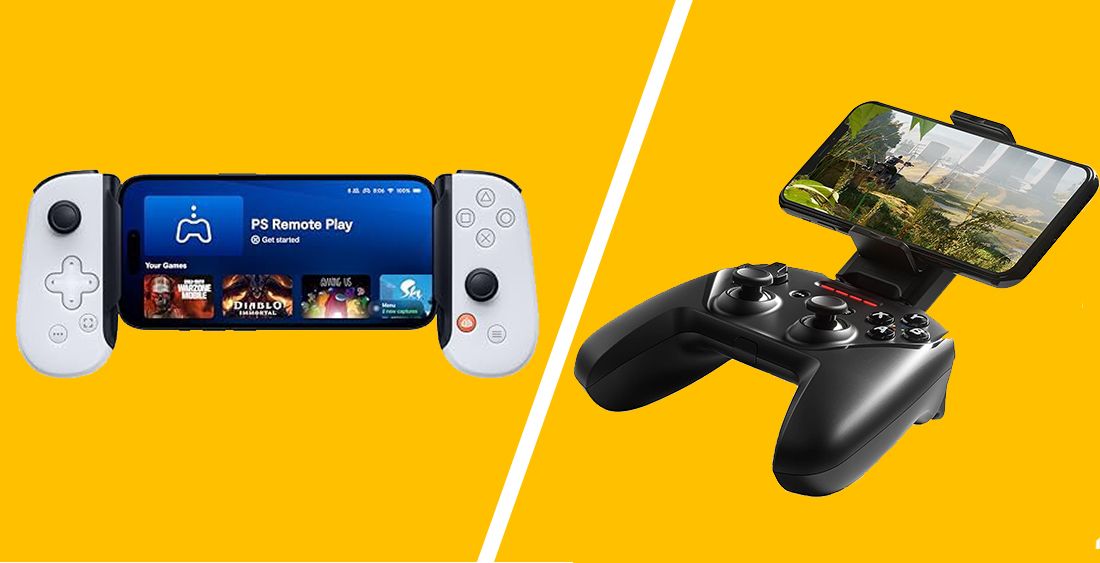
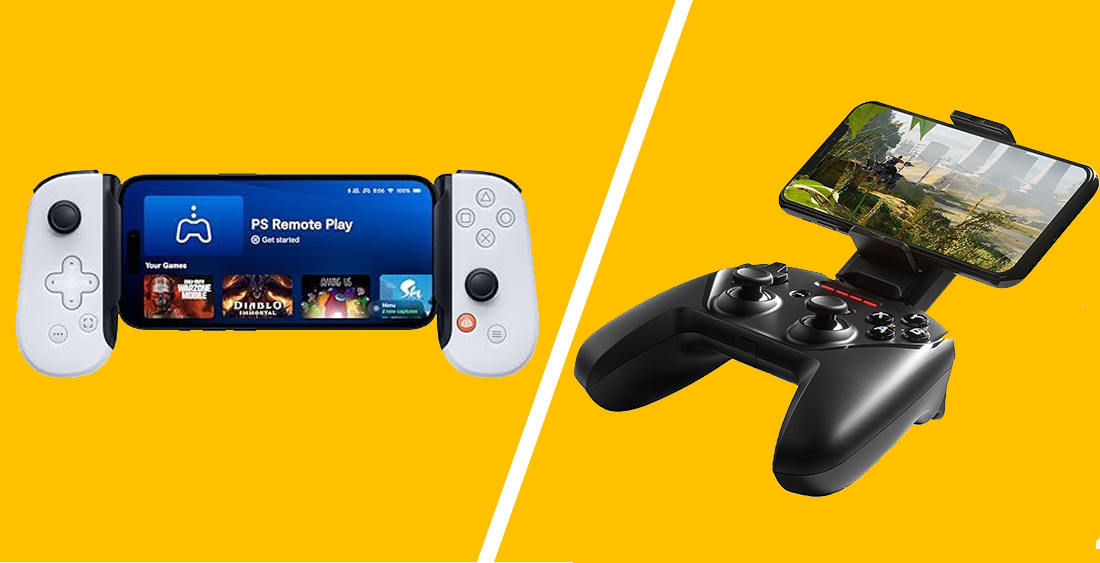
These existing options range from specialized controllers like those from Backbone and SteelSeries, which often attach directly to the iPhone, to universal controllers such as Sony’s DualShock 4 and DualSense, Microsoft’s Xbox Wireless Controller, and the Nintendo Switch Pro Controller. Furthermore, numerous other brands offer their own solutions, creating a competitive environment where any new entrant must offer a compelling value proposition.
Apple’s potential entry into this market, particularly with dedicated hardware, signifies a bold move. The company is not just aiming to offer another peripheral; it appears to be positioning itself to compete directly with established console manufacturers and PC gaming platforms like the Nintendo Switch and Steam Deck. This ambition is bolstered by the increasing power of the iPhone and the growing library of high-quality mobile games, including those available on Apple Arcade.
The Beats Brand Conundrum: A Strategic Gamble or a Brand Dilution?
A particularly intriguing aspect of these rumors is the suggestion that the upcoming Apple gaming controllers will be released under the Beats brand, rather than the iconic Apple logo. This strategic decision has sparked considerable debate and raises several questions about Apple’s branding philosophy and its perception of the gaming market.
Historically, Apple has maintained a tightly controlled brand image, associating its products with premium quality, sleek design, and user-centric innovation. The Beats brand, acquired by Apple in 2014, has traditionally been associated with headphones and audio accessories, often marketed with a more youthful, energetic, and lifestyle-oriented appeal. While Beats has expanded its product line to include speakers and iPhone cases, its core identity remains firmly rooted in the audio domain.
The decision to launch gaming controllers under the Beats banner suggests that Apple may harbor concerns about the perception of its main brand among the core gaming demographic. It could be an attempt to avoid "sullying" the premium Apple brand with what might be perceived as a less sophisticated product category or to navigate a potentially more price-sensitive segment of the market. By leveraging Beats, Apple might aim to achieve a more accessible price point and appeal to a broader audience without directly impacting the premium perception of its flagship products.
However, this strategy is not without its risks. Beats itself has limited direct brand recognition or credibility within the dedicated gaming community. While it has a global presence, its association with gaming peripherals is virtually non-existent. This could mean that the controllers, despite being manufactured by Apple, might struggle to gain traction with hardcore gamers who are accustomed to established brands and their track records in the gaming industry.
Furthermore, if Apple’s true intention is to foster a robust gaming ecosystem, using a secondary brand like Beats could, paradoxically, detract from that overarching goal. A unified Apple gaming identity could convey a stronger message of commitment and integration across its various platforms, from iPhones and iPads to Apple TV and potentially future augmented or virtual reality devices like the Vision Pro.
The Unfolding Narrative: A Look at the Chronology of Rumors and Developments
The journey from speculation to tangible products is often a long and winding one. The current narrative surrounding Apple’s gaming controllers has unfolded over a period of time, with key milestones shaping the ongoing discourse.
- Early 2023 (Estimated): Development of two distinct gaming controllers begins within Apple. This marks the initial phase of conceptualization and prototyping, laying the groundwork for future hardware.
- Recent Weeks/Months: Rumors and leaks begin to surface, indicating the existence of these controllers. These leaks often originate from code analysis of upcoming software updates, providing early clues to Apple’s internal projects.
- Specific Discovery in macOS 26.7: A significant development occurs with the identification of codenames "T6502" and "T1057" within the macOS 26.7 release. These codenames are directly linked to Apple’s Game Controller framework, strongly suggesting that the devices are indeed gamepads designed for iPhone compatibility.
- Confirmation from Mark Gurman: Prominent tech journalist Mark Gurman of Bloomberg lends significant weight to the rumors, confirming that two controllers have been in development for over a year. His reporting often provides detailed insights into Apple’s product roadmaps.
- iPhone 18 Pro Launch: Apple’s unveiling of the iPhone 18 Pro, with its significantly enhanced gaming capabilities (7-core GPU, improved cooling), serves as a crucial backdrop. This launch demonstrates Apple’s intent to elevate the iPhone as a premium gaming device, creating a logical demand for compatible accessories.
This chronological progression highlights a deliberate and phased approach by Apple. The company appears to be building the necessary foundation – a powerful gaming-capable iPhone – before introducing dedicated hardware. The leaks and confirmations, while unofficial, provide a consistent narrative that points towards an imminent, albeit unannounced, entry into the gaming controller market.
Supporting Data and Market Context: The Booming Mobile Gaming Industry
To understand the strategic imperative behind Apple’s potential move into gaming hardware, it’s essential to examine the current landscape of the mobile gaming industry. The numbers speak volumes about the immense commercial opportunity.
- Market Size and Growth: The global mobile gaming market is a multi-billion dollar industry, consistently outperforming traditional gaming segments in terms of revenue and player base. Projections indicate continued robust growth, driven by increasing smartphone penetration, the availability of sophisticated mobile games, and the rise of cloud gaming services.
- Player Demographics: Mobile gaming attracts a diverse audience, spanning all age groups and demographics. This broad appeal translates into a vast potential consumer base for gaming accessories.
- Revenue Streams: Revenue in mobile gaming is generated through various channels, including in-app purchases, advertisements, and premium game sales. The introduction of dedicated gaming hardware could potentially unlock new revenue streams for Apple, beyond app store commissions.
- Competitive Landscape: While consoles and PCs remain dominant for high-end gaming experiences, mobile devices have become increasingly capable. The success of platforms like the Nintendo Switch, which offers both handheld and docked play, demonstrates the market’s appetite for versatile gaming solutions.
- Third-Party Ecosystem: The existence of a thriving third-party accessory market for iPhones underscores the demand for enhanced mobile gaming experiences. Brands like Backbone and SteelSeries have carved out successful niches by offering specialized controllers that improve gameplay and comfort.
The data strongly suggests that the mobile gaming market is not only substantial but also dynamic and ripe for innovation. Apple, with its established ecosystem and vast user base, is strategically positioned to capitalize on this trend. The introduction of its own gaming controllers, even under a sub-brand, signifies a serious commitment to capturing a larger share of this lucrative market.
Official Responses and Future Implications: Navigating the Unknown
As of now, Apple has not officially commented on the rumors surrounding its gaming controllers. This silence is typical of the company’s approach to unannounced products, allowing it to maintain control over its product launches and marketing narratives. However, the consistent nature of the leaks and the corroboration from reputable sources suggest that these developments are more than just speculative chatter.
The implications of Apple officially entering the gaming controller market are far-reaching:
- Consolidation of the Ecosystem: Dedicated controllers would further integrate gaming into the Apple ecosystem, potentially enhancing the appeal of Apple Arcade and encouraging developers to create more sophisticated gaming experiences for iOS and macOS.
- Competition with Console Giants: While not directly competing with the processing power of next-generation consoles, Apple’s controllers, coupled with powerful iPhones, could offer a compelling alternative for casual and even some core gamers, particularly those who already own an iPhone.
- Brand Perception Evolution: The success or failure of these controllers, particularly under the Beats brand, will significantly influence how Apple is perceived in the gaming world. A successful launch could pave the way for further gaming hardware innovations, while a misstep could reinforce perceptions of Apple as a latecomer to the gaming arena.
- Potential for Innovation: If Apple truly aims to innovate rather than merely compete, these controllers could introduce novel features or form factors that redefine mobile gaming. The use of accelerometers and gyroscopes, for example, hints at a desire to push beyond traditional controller paradigms.
- Impact on Third-Party Developers: The entry of an official Apple controller could create both opportunities and challenges for existing third-party accessory manufacturers. While it might legitimize the market further, it could also lead to increased competition and pressure on pricing and features.
The decision to use the Beats brand is perhaps the most telling aspect of Apple’s current strategy. It suggests a calculated approach, attempting to balance brand perception with market penetration. Whether this gambit will pay off remains to be seen, but it undeniably signals a significant and deliberate shift in Apple’s long-term vision for gaming. As the company continues to evolve its hardware and software capabilities, the introduction of these controllers, under whatever guise, represents a pivotal moment in its journey to become a more significant player in the global gaming industry. The future of mobile gaming, and Apple’s role within it, is poised for an exciting and potentially transformative period.