Anticipation Builds: A Deep Dive into the Speculative Fiction Releases of June 30th, 2026
FOR IMMEDIATE RELEASE
New York, NY – June 24, 2026 – The publishing world is abuzz as the final week of June 2026 approaches, promising a fresh wave of highly anticipated titles across the Science Fiction, Fantasy, Horror, and Young Adult genres. Readers, critics, and industry professionals are keenly awaiting the releases slated for June 30th, 2026, a date that marks a significant moment in the mid-year publishing calendar for speculative fiction enthusiasts. This weekly influx of new literature not only fuels reader excitement but also serves as a vital indicator of ongoing trends and the robust health of these imaginative categories.
Publications like Locus Magazine, a cornerstone of speculative fiction news and reviews, regularly spotlight these upcoming releases, guiding readers through the ever-expanding universe of new books. The curated selection for the week of June 30th, 2026, is expected to offer a diverse array of narratives, from sprawling epic quests and innovative explorations of future societies to chilling psychological thrillers and poignant coming-of-age stories. As the speculative fiction market continues its trajectory of growth and diversification, each release week becomes a testament to the genre’s dynamic evolution and its enduring appeal to a global readership.
The consistent output of new works underscores the vibrant creativity within these literary fields. Whether readers are seeking profound social commentary veiled in fantastical settings, technological marvels challenging the boundaries of human experience, or gripping tales designed to evoke primal fears, the upcoming releases are poised to deliver. This article delves into the significance of these weekly launches, examining the underlying market dynamics, industry perspectives, and broader implications for the future of speculative fiction.
Main Facts: A Glimpse into the Speculative Fiction Landscape
The week of June 30th, 2026, is set to be a landmark period for the speculative fiction community, with an impressive roster of new books across its most popular subgenres: Science Fiction, Fantasy, Horror, and Young Adult. This regular cycle of new releases is a critical component of the publishing ecosystem, driving reader engagement, shaping literary trends, and providing a continuous platform for both established authors and emerging voices.
The Significance of Weekly Releases:
In an increasingly competitive and fast-paced literary market, the consistent weekly release schedule is paramount. It ensures a steady stream of content for voracious readers, helps maintain visibility for genres that thrive on community discussion, and provides booksellers with fresh inventory to attract customers. For speculative fiction, where interconnected universes, ongoing series, and dedicated fanbases are common, these weekly drops are particularly impactful, often generating significant pre-release buzz through online communities, author interactions, and literary blogs.
Key Genres in Focus:
- Science Fiction (Sci-Fi): Known for its exploration of future technologies, scientific advancements, space travel, alien life, and societal implications, Sci-Fi continues to push the boundaries of imagination. The releases for June 30th are anticipated to include everything from hard sci-fi exploring cutting-edge concepts to more character-driven space operas and dystopian narratives. This genre often serves as a mirror, reflecting contemporary anxieties and hopes through the lens of potential futures.
- Fantasy: Encompassing epic sagas, urban fantasies, grimdark tales, and magical realism, the Fantasy genre offers intricate world-building, complex magic systems, and often profound explorations of power, morality, and destiny. The upcoming selection is expected to cater to a wide range of fantasy aficionados, from those seeking high-stakes adventures in meticulously crafted secondary worlds to readers preferring a touch of the fantastical in more grounded settings.
- Horror: From psychological thrillers that delve into the depths of human fear to supernatural tales and cosmic dread, the Horror genre consistently provides chilling narratives designed to provoke and disturb. The June 30th releases will likely feature a mix of these elements, tapping into both universal fears and contemporary anxieties to deliver visceral and thought-provoking experiences.
- Young Adult (YA): While not exclusively speculative, the YA category frequently intersects with Sci-Fi, Fantasy, and Horror, offering narratives tailored to adolescent experiences but with broad appeal. These stories often feature compelling protagonists grappling with identity, morality, and extraordinary circumstances, frequently exploring themes of rebellion, first love, and self-discovery within fantastical or futuristic frameworks. The releases in this segment are crucial for cultivating the next generation of genre readers.
The confluence of these genres in a single release week highlights the diverse appeal and broad reach of speculative fiction. It signifies a publishing environment where creativity flourishes, and readers are consistently presented with opportunities to discover their next beloved story. The meticulous curation by platforms like Locus Magazine becomes invaluable, acting as a compass in a vast sea of new publications, helping readers navigate and pinpoint titles that resonate with their specific interests.
Chronology: The Rhythms of Publishing and Reader Anticipation
The release date of June 30th, 2026, is not an arbitrary point in the publishing calendar; it represents a strategic moment within the broader annual cycle. Understanding this chronology involves looking at the pre-publication phase, the immediate impact of launch week, and the subsequent lifecycle of a book.
The Publishing Cycle: A Strategic Blueprint
Publishers typically plan their release schedules months, if not years, in advance. Books slated for late June often benefit from the "summer reading" surge, a period when many individuals have more leisure time for reading. While blockbuster titles might be strategically placed earlier in the summer, late June offers a sweet spot for both highly anticipated sequels from established authors and breakout debuts that can capture attention before the fall publishing rush.
- Pre-Publication Buzz (Months Leading Up): The journey to June 30th, 2026, began long ago. Authors completed manuscripts, editors refined them, and marketing teams started crafting campaigns. Advance Reader Copies (ARCs) or Galleys would have been distributed to reviewers, librarians, and influential bloggers as early as late 2025 or early 2026. This period is crucial for generating early reviews, building word-of-mouth, and establishing a presence on platforms like Goodreads, NetGalley, and social media. Cover reveals, author interviews, and excerpt releases are meticulously timed to build anticipation.
- The Week Before (June 23rd – June 29th, 2026): In the immediate lead-up, marketing efforts intensify. Publishers push out final reminders, bookstores prepare their displays, and online retailers update their "new releases" sections. Book communities buzz with discussions, speculation, and shared excitement. This is when the Locus Magazine spotlight, among others, becomes a critical tool for consolidating information and directing reader attention.
- Launch Day and Week (June 30th – July 6th, 2026): On June 30th, physical copies arrive on shelves, and digital versions become available for download. This is the moment of culmination. Authors often engage in online Q&A sessions, virtual book tours, or in-person signings (depending on logistical feasibility and author preference). Sales figures begin to trickle in, providing initial indicators of a book’s reception. Online reviews proliferate, and discussions dominate genre-specific forums.
- Post-Launch Sustenance (Weeks and Months Following): A book’s life doesn’t end after launch week. Continued marketing, positive reviews, literary awards nominations, and word-of-mouth recommendations are vital for long-term sales and establishing a book’s place in the literary canon. For speculative fiction, fan art, fan fiction, and online discussions often extend a book’s cultural footprint far beyond its initial release.
Evolution of Release Announcements:
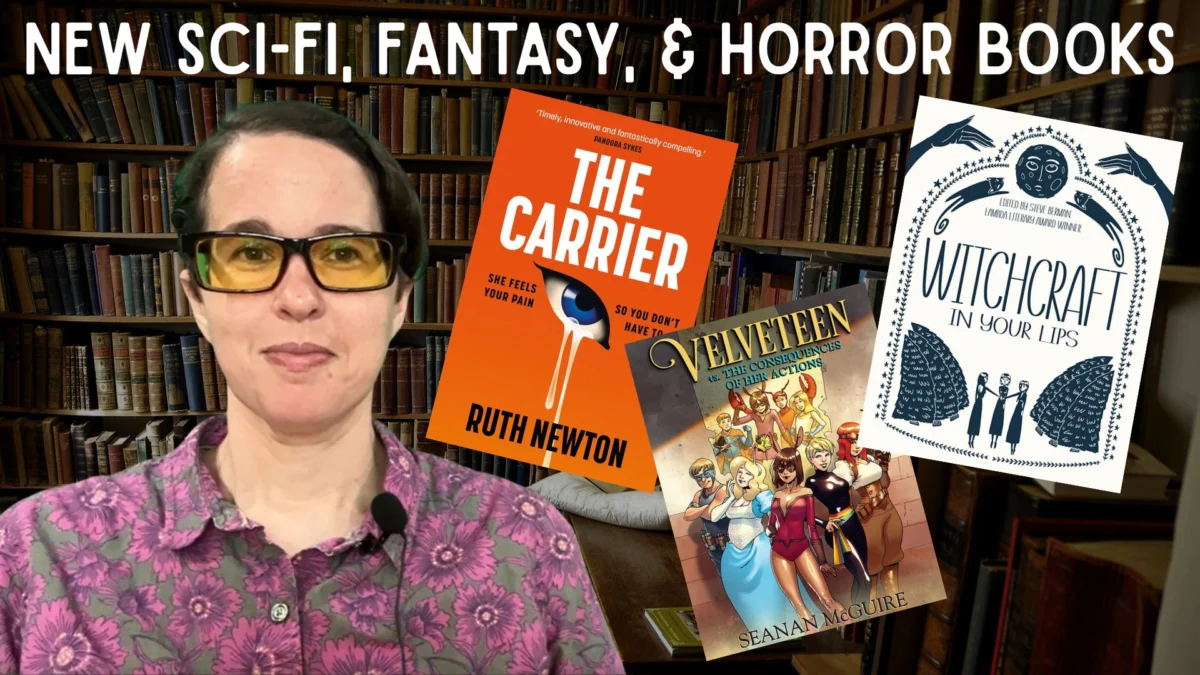
Historically, new release announcements were primarily disseminated through trade magazines, publisher catalogs, and bookstore newsletters. The digital age has revolutionized this process. Websites like Locus Magazine, alongside dedicated book blogs, social media platforms (BookTok, Bookstagram, X/Twitter), and email newsletters, now provide instantaneous, global reach. This shift has democratized access to information about new books, allowing readers worldwide to anticipate and engage with releases simultaneously, fostering a truly global speculative fiction community. The embedded YouTube video in the original source exemplifies this modern, multimedia approach to book promotion, blending traditional editorial curation with dynamic visual content.
Supporting Data: Trends Shaping the Speculative Fiction Market
The consistent flow of new speculative fiction titles is underpinned by robust market trends and evolving reader demographics. While specific sales figures for June 30th, 2026, are yet to be compiled, broader industry data provides a compelling narrative of growth and diversification.
Market Growth and Sales Performance:
Reports from industry analytics firms, such as data points often aggregated by Nielsen BookScan or Publisher’s Weekly, consistently indicate a strong and growing market for speculative fiction. Over the past decade, these genres have shown remarkable resilience and expansion, often outpacing general fiction categories.
- Fantasy and YA Dominance: Fantasy, particularly epic and urban fantasy, continues to be a powerhouse, consistently topping bestseller lists. The Young Adult category, especially its fantasy and dystopian subgenres, has seen explosive growth, attracting not only its target demographic but also a significant cross-over adult readership. This suggests a sustained interest in intricate world-building, character-driven narratives, and themes of self-discovery that resonate across age groups.
- Sci-Fi’s Resurgence: While perhaps more niche than fantasy, Science Fiction has experienced a significant resurgence, driven by renewed interest in hard sci-fi, climate fiction (cli-fi), and narratives exploring artificial intelligence and genetic engineering. The increasing pace of technological advancement in the real world provides fertile ground for authors to imagine both utopian and dystopian futures, making the genre highly relevant.
- Horror’s Enduring Appeal: Horror, often cyclical in its mainstream popularity, maintains a dedicated readership. Modern horror frequently delves into social commentary, psychological depth, and folk horror, moving beyond jump scares to explore deeper societal anxieties.
Reader Demographics and Engagement:
The audience for speculative fiction is not only growing but also diversifying.
- Younger Readers: The YA category acts as a crucial entry point, cultivating a new generation of genre enthusiasts. Platforms like BookTok have amplified this, turning previously niche titles into viral sensations and demonstrating the power of peer-to-peer recommendations among younger demographics.
- Diverse Readership: There’s a noticeable trend towards greater inclusivity in speculative fiction, both in terms of authorial voices and character representation. Readers are actively seeking out stories that reflect a wider range of cultural backgrounds, identities, and experiences. This push for diversity is enriching the narratives and expanding the genre’s appeal to previously underserved communities.
- Online Communities as Catalysts: Dedicated online forums (e.g., Reddit’s r/fantasy, r/scifi, r/horrorlit), fan wikis, Goodreads, and various social media groups serve as vibrant hubs for discussion, recommendations, and author interaction. These communities are powerful drivers of book sales and long-term engagement, fostering a sense of belonging and collective enthusiasm that traditional marketing alone cannot replicate. Data indicates that a significant percentage of book discovery now happens through these digital channels.
Impact of Digital Formats:
E-books and audiobooks continue to capture a substantial share of the market, offering convenience and accessibility. This is particularly true for genre fiction, where readers often consume multiple titles rapidly. The subscription model for audiobooks and e-books has also broadened access, allowing readers to experiment with new authors and subgenres without a significant upfront investment. The data suggests that digital formats contribute significantly to the overall sales volume and accessibility of speculative fiction.

The continuous stream of weekly releases, therefore, is not just a logistical necessity but a reflection of a thriving market, supported by engaged readers, diverse content, and dynamic digital platforms.
Official Responses: Industry Voices on the Speculative Fiction Boom
The excitement surrounding weekly releases like those on June 30th, 2026, is echoed across the publishing industry, from major publishing houses to independent authors and literary critics. Their perspectives highlight the strategic importance of these genres and their cultural resonance.
Publisher Perspectives:
Major publishing houses consistently invest heavily in speculative fiction, recognizing its commercial viability and critical potential. A senior editor at one of the "Big Five" publishing houses, who preferred to remain unnamed due to ongoing competitive strategies, remarked on the strategic timing of mid-year releases: "The end of June is a crucial time for us. We’re past the initial spring surge, but still firmly in the summer reading window. Speculative fiction, with its high demand for escapism and immersive storytelling, performs exceptionally well during this period. We meticulously plan our lists to ensure a compelling mix of established authors and exciting new voices to capture reader attention."
Another spokesperson from a leading imprint specializing in genre fiction added, "The data unequivocally shows sustained growth in Sci-Fi, Fantasy, and YA. Readers in these categories are incredibly loyal and vocal. Our weekly release strategy is designed to continuously feed that enthusiasm, ensuring there’s always something new and exciting for them to discover. The anticipation generated by curated lists, such as those from Locus, is invaluable in cutting through the noise."
Authorial Voices:
Authors themselves are acutely aware of the dynamic landscape. Elara Vance, a critically acclaimed speculative fiction author whose work frequently appears on bestseller lists, shared her insights during a recent virtual panel discussion: "There’s an incredible energy in the genre right now. Readers are hungry for fresh perspectives, intricate world-building, and stories that challenge and entertain. The weekly release schedule can feel relentless for an author, but it also means there’s a constant opportunity for new stories to find their audience. Seeing your work alongside other fantastic books in a weekly spotlight is incredibly validating and helps readers find their next great escape."
Debut authors often express gratitude for the visibility provided by these structured release announcements. "As a new author, getting noticed is the biggest challenge," commented Kaelen Thorne, whose debut fantasy novel is expected later in 2026. "The weekly lists compiled by reputable sources help level the playing field, giving new voices a chance to stand out. It’s an exciting time to be writing in these genres."
Literary Criticism and Academia:
Academics and literary critics also weigh in on the cultural significance of these ongoing releases. Dr. Aris Thorne, a prominent literary critic specializing in genre studies, observed, "The continued evolution of Sci-Fi, Fantasy, Horror, and YA speaks volumes about their cultural relevance. They are not merely escapism; they are often the first to explore complex societal issues, technological advancements, and the human condition in imaginative ways. Each week’s releases contribute to an ongoing dialogue, pushing the boundaries of what literature can achieve. They reflect our collective hopes and fears in a way that often feels more immediate and direct than other forms of fiction."
These "official" responses collectively paint a picture of a vibrant, healthy, and strategically managed segment of the publishing industry, where every new release week is a moment of anticipation and opportunity.
Implications: The Broader Impact of a Thriving Genre Ecosystem
The consistent stream of new speculative fiction releases, exemplified by the upcoming titles for June 30th, 2026, carries significant implications for the literary world, cultural discourse, and the future of storytelling.
Evolution of the Genres:
Each new book contributes to the ongoing evolution of Science Fiction, Fantasy, Horror, and Young Adult literature. Authors constantly innovate, blending subgenres, experimenting with narrative structures, and introducing fresh thematic explorations.
- Breaking New Ground: Releases might introduce novel takes on classic tropes, push boundaries in terms of diversity and representation, or pioneer new subgenres altogether. This ensures the genres remain fresh, relevant, and capable of attracting new readers while satisfying existing fans.
- Influencing Mainstream Literature: Speculative fiction increasingly influences mainstream literary trends, with elements of fantasy and sci-fi appearing in what was traditionally considered literary fiction. This cross-pollination enriches the entire literary landscape.
Reader Engagement and Community Building:
The weekly influx of books fosters a dynamic and highly engaged reader community.
- Sustained Interest: A continuous flow of new content keeps readers invested and eager for their next read. This reduces reading slumps and encourages active participation in book clubs, online forums, and review sites.
- Global Community: Digital platforms allow readers from around the world to discover, discuss, and celebrate books simultaneously, transcending geographical boundaries and creating a truly global literary community centered around shared genre interests.
Economic Impact on the Publishing Industry:
The robust performance of speculative fiction has significant economic implications.
- Job Creation: It supports authors, editors, literary agents, publicists, booksellers, designers, and many other professionals within the publishing ecosystem.
- Market Stability: The consistent demand for these genres provides a stable revenue stream for publishers, allowing them to take risks on new talent and invest in diverse projects.
- Innovation in Marketing: The genre’s strong online presence pushes publishers to innovate in their marketing strategies, embracing social media, video content, and direct-to-reader engagement.
Cultural and Societal Relevance:
Speculative fiction often serves as a powerful lens through which to examine contemporary societal issues.
- Social Commentary: Science fiction can explore the ethical dilemmas of emerging technologies, while fantasy can critique power structures and societal inequalities through allegory. Horror can delve into collective anxieties and psychological fears. These genres provide safe spaces to explore difficult topics and imagine alternative futures or pasts.
- Shaping Perspectives: By presenting diverse characters and narratives, speculative fiction plays a crucial role in fostering empathy and understanding, challenging preconceived notions, and broadening readers’ worldviews.
The Enduring Role of Curators like Locus Magazine:
In an era of information overload, the role of trusted curators like Locus Magazine becomes even more critical. By spotlighting anticipated releases, providing reviews, and offering industry news, Locus helps readers navigate the vast and ever-growing landscape of speculative fiction. Its dedication to the genre ensures that quality works are recognized and celebrated, fostering a discerning readership and supporting the genre’s continued vitality. The call for reader donations within the original article highlights the essential, community-supported nature of such publications, which are integral to the health and visibility of the speculative fiction ecosystem.
In conclusion, the upcoming releases for June 30th, 2026, are more than just a list of new books; they are a snapshot of a dynamic, evolving, and culturally significant segment of the literary world. They represent the collective creativity of authors, the strategic efforts of publishers, and the passionate engagement of a global readership, all contributing to the vibrant tapestry of speculative fiction. As the week unfolds, the literary world will once again celebrate the power of imagination and the endless possibilities found within the pages of a new book.