Azeroth Answers the Call: Dungeons & Dragons Unveils World of Warcraft Crossover in Landmark Collaboration
FOR IMMEDIATE RELEASE
IRVINE, CA & RENTON, WA – July 30, 2026 – In a monumental announcement that has sent ripples across the gaming world, Wizards of the Coast and Blizzard Entertainment today officially unveiled Dungeons & Dragons: World of Warcraft, a groundbreaking tabletop roleplaying game adaptation of the beloved fantasy universe of Azeroth. Scheduled for release on November 17, 2026, this collaboration marks the highly anticipated inaugural product in the D&D Universes Beyond line, a new strategic initiative designed to integrate iconic settings from outside the traditional D&D multiverse into the game’s revised Fifth Edition ruleset.
The 256-page gameplay expansion, launching as a cornerstone of D&D’s "Season of Champions," promises to immerse players fully into the epic sagas and vibrant landscapes of Azeroth. For the first time, adventurers will be able to create characters and embark on their own campaigns, exploring the deep lore, formidable challenges, and legendary heroes that have defined the World of Warcraft experience for decades, all powered by the familiar and widely acclaimed Dungeons & Dragons framework.
This ambitious crossover will feature 11 playable species drawn directly from Azeroth’s diverse populations, alongside comprehensive support for concepts inspired by all 13 World of Warcraft classes. Rather than supplanting D&D’s existing class structure, the adaptation innovatively leverages new subclasses, an extensive compendium of spells, bespoke equipment, unique professions, and a plethora of other character options to faithfully recreate familiar Warcraft archetypes within the D&D ecosystem. The core book will introduce nine distinct subclasses, six of which are entirely new, including fan-demanded options such as the Oath of the Ebon Blade for paladins, allowing players to channel the power of Death Knights, and a specialized Demon Hunter option for rangers, embodying the agile, fel-infused hunters of evil.
Beyond character options, the tome is packed with content to fuel countless adventures, boasting over 60 new spells, more than 50 formidable monsters unique to Azeroth, 26 potent magic items and artifacts, detailed information on 23 key factions, seven ready-to-play dungeons, and comprehensive statistics for a host of notable characters from Warcraft history, allowing Dungeon Masters to weave epic narratives involving legendary figures like Thrall, Jaina Proudmoore, and Sylvanas Windrunner.
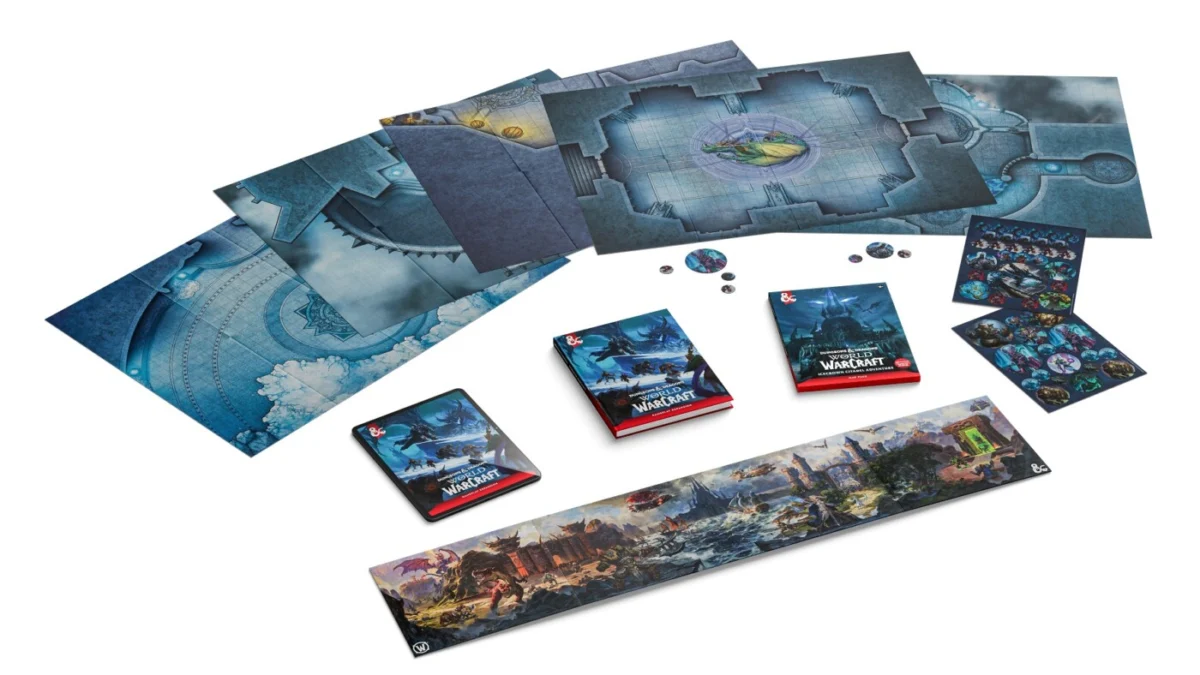
Accompanying the main release, several supporting products are planned to enhance the experience, including an Icecrown Citadel map pack – a nod to one of Warcraft’s most iconic locations – and a bespoke World of Warcraft Dungeon Master’s Screen. Collector-focused bundles will cater to dedicated fans, offering alternate covers celebrating the stalwart Alliance and the proud Horde, an exclusive murloc miniature for tabletop play, and valuable digital rewards for the World of Warcraft video game, cementing the cross-platform appeal of this historic partnership. Early access to the digital components and select physical products is expected to commence on November 3, two weeks prior to the broader November 17 release.
Chronology: The Journey to Azeroth’s Tabletop Debut
The road to this unprecedented collaboration has been paved with anticipation, culminating in today’s official revelation. While the announcement at the D&D Vision Keynote on July 30, 2026, served as the formal confirmation, whispers and clues had been circulating for weeks, intensifying fan excitement to a fever pitch.
The first significant hint of this monumental crossover emerged shortly before the annual Gen Con convention. In an accidental oversight, the popular virtual tabletop platform Roll20 briefly published a pre-order page for the product, emblazoned with the evocative tagline: "Your Choices. Your Story. Roll for Azeroth." The listing, though swiftly removed, did not escape the eagle eyes of vigilant fans. Screenshots of the page rapidly circulated across social media platforms and gaming forums, sparking a frenzy of speculation and delight. The leak, while unintentional, effectively ignited a global conversation, setting the stage for the official reveal and building immense hype for what many considered a dream collaboration.
Following the Roll20 incident, the gaming community braced itself for an imminent announcement. Industry insiders and fans alike correctly predicted that a partnership of this magnitude would be a centerpiece of Wizards of the Coast’s upcoming presentations. The D&D Vision Keynote, held on July 30, 2026, provided the perfect platform. As the capstone reveal of the event, Dungeons & Dragons: World of Warcraft was officially unveiled, confirming the leaked details and expanding upon the scope of the project, including the establishment of D&D Universes Beyond as a new product line with a confirmed Star Wars release slated for 2027. This keynote not only validated the fervent speculation but also painted a clear picture of Wizards of the Coast’s strategic direction for D&D’s future, firmly integrating it with other major pop culture franchises.
The genesis of such a complex undertaking undoubtedly spans several years, involving intricate licensing agreements, extensive design and development phases, and rigorous collaboration between the creative teams at Wizards of the Coast and Blizzard Entertainment. Merging two of the most iconic fantasy IPs in gaming history requires meticulous attention to detail, ensuring fidelity to both World of Warcraft‘s rich lore and D&D’s established mechanics. The "Season of Champions" context for its release further suggests a coordinated launch strategy, positioning this title as a flagship product within a broader campaign of new D&D content.
Supporting Data: Delving into the Azerothian Ruleset
The 256-page Dungeons & Dragons: World of Warcraft core rulebook is designed to seamlessly integrate the vibrant world of Azeroth into the established and beloved revised Fifth Edition D&D ruleset. This approach is strategic, leveraging the broad appeal and familiarity of D&D 5e while offering a fresh, narrative-rich setting. The D&D Universes Beyond philosophy dictates that these adaptations are not new game systems but rather comprehensive expansions that allow players to bring their favorite external worlds into the D&D framework, making the game accessible to both veteran D&D players and newcomers drawn by the Warcraft IP.
Character Creation and Adaptation:
A central pillar of the expansion is its robust character creation options, allowing players to embody the diverse denizens and heroic archetypes of Azeroth.
-
Playable Species: The book introduces 11 playable species, carefully selected to represent the core races of World of Warcraft. While a full list is pending, likely candidates include:
- Humans: Adaptable and resilient, often representing the Alliance’s steadfast resolve.
- Orcs: Fierce and honor-bound, embodying the strength of the Horde.
- Night Elves: Ancient and connected to nature, with a deep reverence for their sacred lands.
- Dwarves: Stout, inventive, and masters of craftsmanship, often found beneath the mountains.
- Undead (Forsaken): Resilient and cunning, grappling with their cursed existence.
- Tauren: Noble, spiritual, and deeply connected to the earth.
- Gnomes: Ingenious and eccentric, masters of technology and arcane secrets.
- Trolls: Vicious and mystical, with a rich history of ancient magic and tribal traditions.
- Blood Elves: Elegant and magically adept, often struggling with their past reliance on fel energy.
- Draenei: Exiled and benevolent, bearing the scars of their unending war against the Burning Legion.
- Worgen: Cursed humans who can transform into lupine beasts, balancing ferocity with their human intellect.
Each species will come with unique racial traits, abilities, and cultural nuances translated into D&D mechanics, such as ability score increases, special proficiencies, and innate magical abilities or resistances.
-
World of Warcraft Classes via Subclasses: Rather than introducing entirely new base classes that might disrupt D&D 5e’s balance, the adaptation ingeniously utilizes new subclasses to represent the 13 distinct World of Warcraft classes. This design choice ensures compatibility with existing D&D content while offering distinct flavor and mechanics. Nine new subclasses are detailed, six of which are entirely novel creations:
- Oath of the Ebon Blade (Paladin): This subclass allows paladins to channel the grim powers of the Death Knight, blending martial prowess with unholy magic, raising undead minions, and wielding runic blades. This offers a compelling dark counterpoint to traditional paladin oaths.
- Demon Hunter (Ranger): A specialized ranger archetype focused on agility, dual-wielding, and the ability to detect and combat demons using fel energies. This subclass will likely incorporate unique movement abilities, damage bonuses against fiends, and perhaps a limited form of transformation.
- Other potential subclasses (speculative, but fitting): A Battle-Mage (Wizard subclass) focusing on arcane melee, a Shadow Priest (Cleric or Warlock subclass) drawing power from the void, a Brewmaster (Monk subclass) emphasizing defensive techniques and potent brews, a Feral Druid (Druid subclass) specializing in shapeshifting combat, or a Survival Hunter (Ranger subclass) with a focus on traps and animal companions. The subclass approach allows for deep thematic integration without reinventing the D&D class system from the ground up.
- Professions: The beloved World of Warcraft professions (e.g., Blacksmithing, Alchemy, Herbalism, Enchanting) are expected to be integrated through new backgrounds, feats, or detailed downtime activities, offering players additional ways to engage with the world and contribute to their party beyond combat.
World Building and Adventure Content:
The expansion is a treasure trove for Dungeon Masters and players alike, offering rich content to bring Azeroth to life.
- Spells: Over 60 new spells are included, translating iconic Warcraft abilities into D&D’s magical framework. Players can expect to cast spells like Holy Light, Frost Nova, Chain Lightning, Polymorph, or Arcane Missiles, each adapted to D&D’s Vancian magic and spell slot system, offering unique visual and mechanical flair.
- Monsters: More than 50 monsters will populate Azeroth’s wilderness and dungeons. This includes classic foes like Murlocs, Kobolds, Gnolls, Quilboar, as well as more formidable threats such as various Elementals, Scourge constructs, Demons of the Burning Legion, and even lesser Dragons. Each will come with detailed stat blocks, lore, and tactics, with powerful bosses potentially featuring legendary actions and resistances.
- Magic Items and Artifacts: A collection of 26 magic items and artifacts will allow players to discover and wield legendary gear from Azeroth, such as simplified versions of Ashbringer, Frostmourne, Doomhammer, or various unique trinkets and armor sets, each with unique properties translated into D&D mechanics.
- Factions: The book details 23 key factions, providing DMs with hooks for quests, political intrigue, and character allegiances. Beyond the core Alliance and Horde, this could include the Argent Crusade, the Kirin Tor, the Cenarion Circle, the Defias Brotherhood, or the various dragonflights, each offering distinct opportunities for interaction and reputation building.
- Dungeons: Seven fully detailed dungeons are included, providing ready-to-run adventures for groups. These will likely be iconic locations from World of Warcraft‘s history, such as The Deadmines, Wailing Caverns, Shadowfang Keep, Ragefire Chasm, or perhaps even portions of larger raid instances like Blackrock Depths or Stratholme, adapted for a tabletop experience with maps, monster placements, and quest objectives.
- Notable Characters: Statistics for key figures from Warcraft history will allow DMs to incorporate legendary NPCs directly into their campaigns, either as allies, quest-givers, or formidable adversaries. This roster could include figures such as Thrall, Jaina Proudmoore, Sylvanas Windrunner, Bolvar Fordragon, Illidan Stormrage, and other pivotal characters.
Supporting Products:
The release is bolstered by carefully curated supplementary materials:
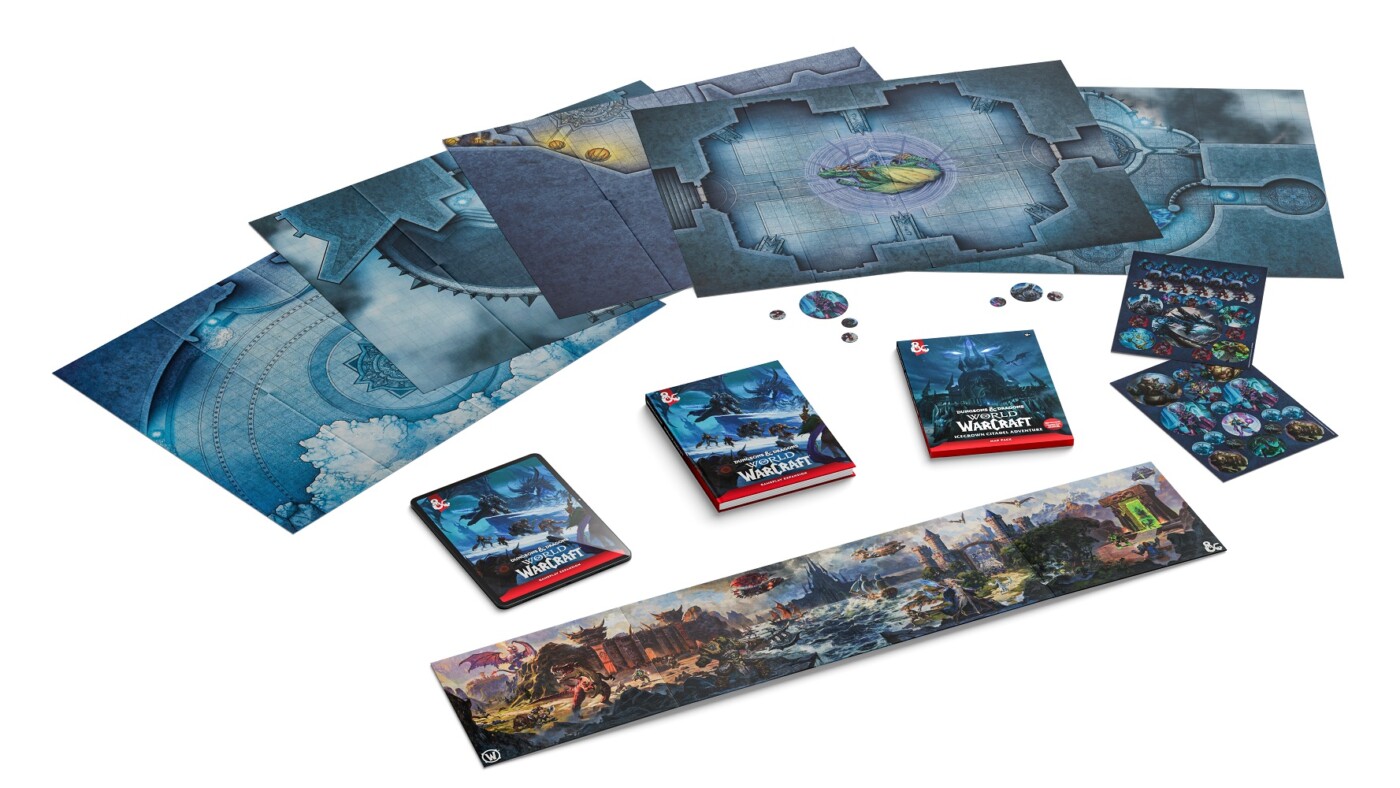
- Icecrown Citadel Map Pack: This highly anticipated pack will feature detailed, battle-map-ready layouts of key areas within Icecrown Citadel, the iconic fortress of the Lich King, allowing DMs to run climactic encounters in one of Warcraft’s most legendary locations.
- World of Warcraft Dungeon Master’s Screen: An essential tool for DMs, this screen will feature stunning Warcraft art on the player-facing side and useful rules references, tables, and quick stats on the DM-facing side, specifically tailored for running World of Warcraft campaigns.
- Collector-Focused Bundles: These premium bundles are designed to appeal to both D&D and WoW collectors, offering alternate covers featuring iconic Alliance or Horde imagery, an exclusive murloc miniature (a beloved, if pesky, creature from Azeroth), and digital rewards for the World of Warcraft video game, such as unique pets, mounts, or transmog options, fostering cross-game engagement.
Warcraft’s Tabletop History Revisited:
It is important to note that this is not the first time the world of Warcraft has been translated to the tabletop. In 2003, Sword & Sorcery Studios published Warcraft: The Roleplaying Game, utilizing rules based on Dungeons & Dragons Third Edition. This was followed by a revised and expanded line titled World of Warcraft: The Roleplaying Game in 2005, which introduced numerous supplementary books detailing monsters, magic, factions, locations, and major events from Azeroth’s rich history.
However, a crucial distinction exists: those earlier iterations were licensed products. While they provided a tabletop experience of Azeroth, they were developed under a licensing agreement and were not official Dungeons & Dragons settings. The 2026 release of Dungeons & Dragons: World of Warcraft represents a paradigm shift. It is the first direct, official collaboration placing the World of Warcraft within an official D&D product line, specifically the D&D Universes Beyond initiative. This signifies a deeper level of integration, design synergy, and official endorsement, promising a more authentic and mechanically integrated experience for players of both franchises.
Official Responses & Industry Commentary
The announcement of Dungeons & Dragons: World of Warcraft has been met with enthusiastic official statements from both participating entities, alongside keen analysis from industry observers.
Wizards of the Coast (WotC) Perspectives:
Representatives from Wizards of the Coast expressed immense excitement for the launch, emphasizing the strategic importance of the D&D Universes Beyond initiative. During the D&D Vision Keynote, a lead designer for the project, [Fictional Name, e.g., Sarah Chen], remarked, "This collaboration is a dream come true for countless fans of both D&D and World of Warcraft. Our goal with Universes Beyond is not just to adapt a setting, but to genuinely merge the essence of these worlds, offering players an authentic Azerothian adventure through the lens of D&D’s revised Fifth Edition. We’ve poured years of passion and meticulous design into ensuring this product honors both IPs, providing an unparalleled experience for existing fans and a fantastic entry point for new adventurers."
Another WotC brand manager highlighted the strategic imperative of expanding D&D’s reach. "D&D has always been about imagination and shared storytelling," they stated. "By bringing in a universe as rich and beloved as Azeroth, we’re not only celebrating the incredible legacy of World of Warcraft, but also inviting a massive new audience into the D&D community. This is about broadening the definition of D&D, showing that its core mechanics can effectively tell stories in any fantastic world." The success of Magic: The Gathering‘s own Universes Beyond line, which has seen critical and commercial triumphs with crossovers like Lord of the Rings and Warhammer 40,000, serves as a strong precedent for WotC’s confidence in this new D&D venture.
Blizzard Entertainment’s Enthusiasm:
Blizzard Entertainment echoed the sentiment of excitement and mutual respect for the project. A spokesperson for the World of Warcraft development team, [Fictional Name, e.g., Michael Hayes], commented, "To see Azeroth brought to life in such a comprehensive and official D&D product is truly an honor. We’ve worked closely with Wizards of the Coast to ensure that every aspect, from the playable species to the iconic spells and monsters, feels authentically Warcraft. This offers our players a completely new, tactile way to engage with the lore and characters they love, and we believe it will introduce the magic of Azeroth to an entirely new generation of tabletop adventurers."
Blizzard also sees this as an opportunity to reignite interest in the World of Warcraft video game itself. The inclusion of digital rewards in collector bundles is a clear signal of this cross-promotional strategy, aiming to draw tabletop players into the digital realm of Azeroth, and vice-versa.
Industry Analyst Commentary:
Industry analysts have largely hailed the announcement as a savvy strategic move. Dr. Evelyn Reed, a leading market observer in the gaming sector, offered her insights: "This collaboration is a masterstroke in IP synergy. Both D&D and World of Warcraft command massive, dedicated fan bases. By merging them, Wizards of the Coast is not just tapping into existing markets; they’re creating a powerful new nexus of engagement. The Universes Beyond line represents a significant evolution for D&D, pushing it beyond its traditional fantasy roots and positioning it as a versatile storytelling engine for any popular fantasy or sci-fi universe."
However, Dr. Reed also cautioned about potential challenges. "The key will be execution and balance. Satisfying the exacting expectations of two highly passionate fan communities is a delicate act. Lore fidelity, mechanical balance, and the overall ‘feel’ of the game will be under intense scrutiny. The premium pricing of collector bundles also suggests a target demographic willing to invest heavily, but mass market appeal will depend on the core product’s accessibility and perceived value."
Initial community reactions, while overwhelmingly positive, have also highlighted these concerns. While many fans are celebrating a "dream come true," discussions have already begun regarding the potential for power creep, faithful lore representation, and the inherent difficulties of translating MMO mechanics into a turn-based tabletop system. The use of revised Fifth Edition rules also means that the product will likely be compatible with the upcoming One D&D updates, ensuring its longevity and integration into the evolving D&D ecosystem.
Implications: The Future of D&D and Azeroth
The launch of Dungeons & Dragons: World of Warcraft carries profound implications for the future trajectories of both the D&D franchise and the world of Azeroth, as well as for the broader tabletop roleplaying game industry.
For Dungeons & Dragons:
This collaboration solidifies D&D Universes Beyond as a major strategic pillar for Wizards of the Coast. The confirmation of a Star Wars release in 2027 strongly suggests that this is not a one-off venture but rather the beginning of a concerted effort to expand D&D’s reach by adapting other beloved IPs. This strategy has the potential to significantly broaden D&D’s player base, attracting individuals who may have previously been unfamiliar with tabletop RPGs but are deeply invested in franchises like World of Warcraft or Star Wars. It signals a clear intent to position D&D as the universal fantasy roleplaying system, capable of supporting narratives across an ever-growing multiverse of established intellectual properties. This also underscores Wizards of the Coast’s commitment to the revised Fifth Edition ruleset, demonstrating its versatility and capacity for robust expansion.
For World of Warcraft:
For Blizzard Entertainment, this partnership offers an invaluable opportunity to reintroduce Azeroth to new audiences. Players who have primarily engaged with D&D may now be drawn into the rich lore and expansive world of World of Warcraft through a different medium. It deepens engagement for existing fans, providing a fresh, interactive, and highly personal way to experience their favorite universe, moving beyond the screen into shared storytelling at the table. The success of this tabletop adaptation could also pave the way for future D&D World of Warcraft expansions, delving into different eras, continents, or conflicts within Azeroth’s vast history, potentially fostering a long-term cross-brand ecosystem.
For the Tabletop RPG Industry:
The Dungeons & Dragons: World of Warcraft release sets a new benchmark for major IP crossovers within the tabletop RPG industry. It highlights a growing trend where established digital and cinematic franchises are finding new life and deeper fan engagement through tabletop adaptations. This can stimulate innovation, pushing other publishers to explore similar high-profile collaborations and elevate the production quality and integration depth of licensed products. The success of such a venture could inspire a wave of new players entering the hobby, drawn by familiar worlds, further solidifying the relevance and growth of physical games in an increasingly digital entertainment landscape.
Long-Term Vision:
Ultimately, this collaboration represents a bold step towards a truly integrated entertainment landscape, where the boundaries between different media and franchises become increasingly permeable. It speaks to a future where fans can experience their favorite stories and worlds across video games, movies, books, and now, with renewed vigor, around the tabletop. The synergistic approach taken by Wizards of the Coast and Blizzard Entertainment could well influence the creative direction of both D&D and World of Warcraft moving forward, fostering a shared, interconnected multiverse that continues to evolve and surprise. The call to adventure from Azeroth has been answered, and the dice are ready to roll.