Fear on Screen: The Evolution and Definitive Ranking of 21st-Century Horror
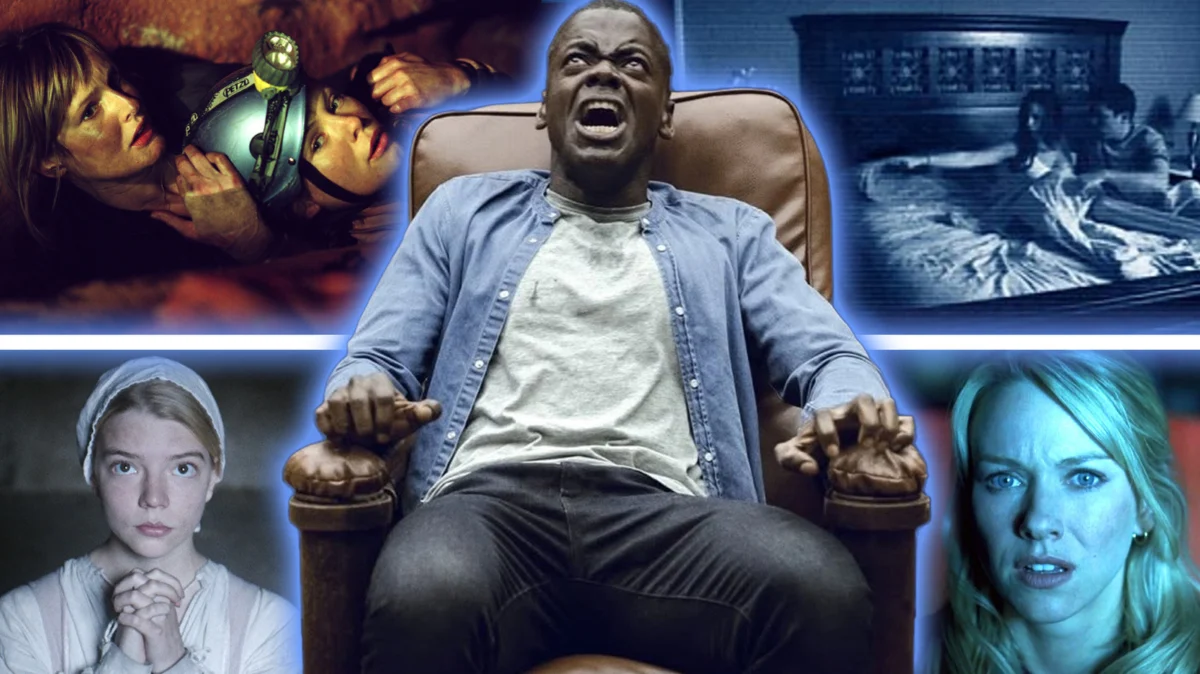
The horror genre has undergone a radical transformation since the dawn of the new millennium. Emerging from the shadow of the 1990s—a decade defined by the meta-commentary of Scream and the found-footage revolution of The Blair Witch Project—21st-century horror has matured into a diverse, intellectually stimulating, and commercially dominant force. No longer relegated to the "bargain bin" of cinema, modern horror now commands the attention of prestigious film festivals and the Academy of Motion Picture Arts and Sciences alike.
From the rise of international J-horror remakes to the birth of "elevated horror" via production houses like A24 and Blumhouse, the last 25 years have redefined what it means to be scared. This article examines the 15 most impactful horror films of the century, analyzing their chronological significance, critical reception, and the cultural implications of their success.
The Main Facts: A Genre Reborn
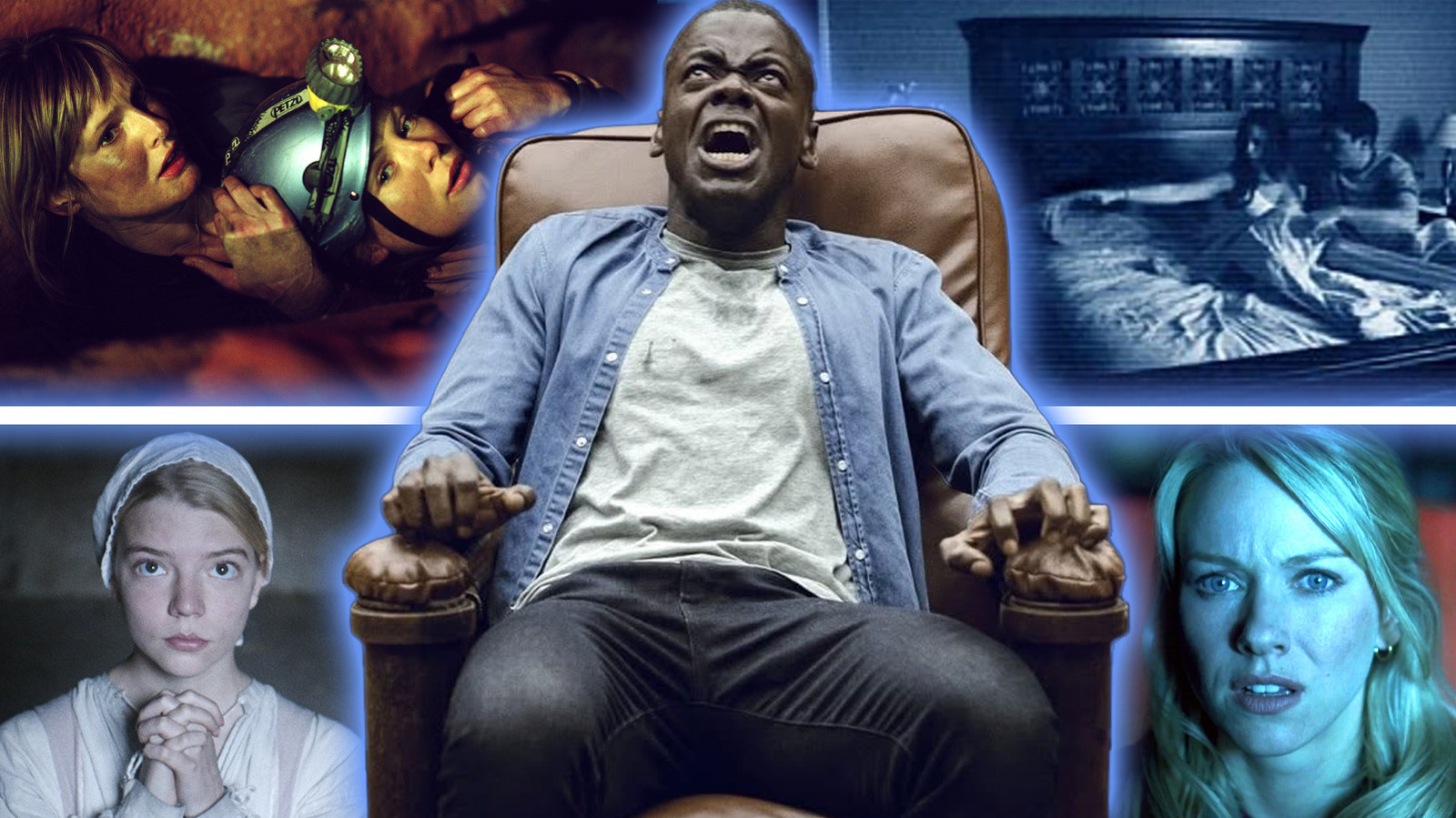
The 21st century began with a search for identity. Following a period of clunky, big-budget studio fright-fests, the genre found new life through three distinct avenues:
- Technological Integration: Films like The Ring and Paranormal Activity utilized modern technology (videotapes, home security cameras) to bring terror into the domestic sphere.
- The International Wave: Masterpieces from Sweden (Let the Right One In), Spain ([REC]), and Australia (The Babadook) proved that horror was a universal language.
- The Rise of "Elevated" Horror: A move toward metaphor-heavy, aesthetically precise films that prioritize atmosphere and psychological depth over traditional jump scares.
The following ranking represents the pinnacle of these movements, judged by their lasting influence, craftsmanship, and ability to tap into the zeitgeist.
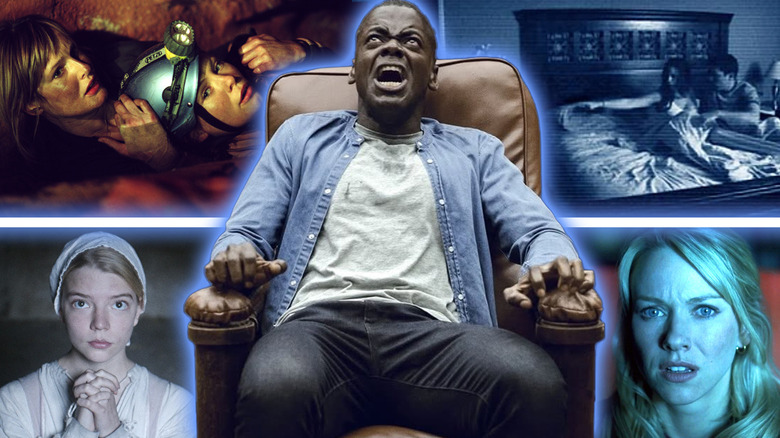
Chronology and Analysis: The Top 15 Definitive Films
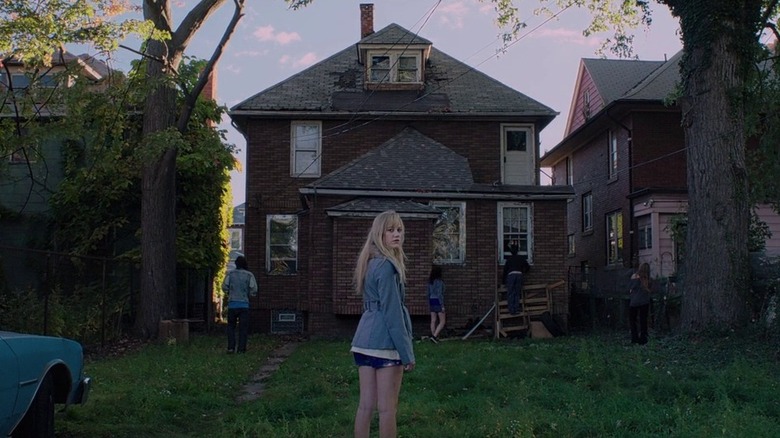
15. It Follows (2014)
David Robert Mitchell’s It Follows was a watershed moment for indie horror. By taking a simple, almost urban-legend-style premise—a supernatural entity passed through sexual contact—Mitchell created a masterclass in tension. The film’s 360-degree pans and synth-heavy score paid homage to John Carpenter while establishing a new, dreamlike visual language. Its success paved the way for the "arthouse horror" boom of the late 2010s.
14. Let the Right One In (2008)
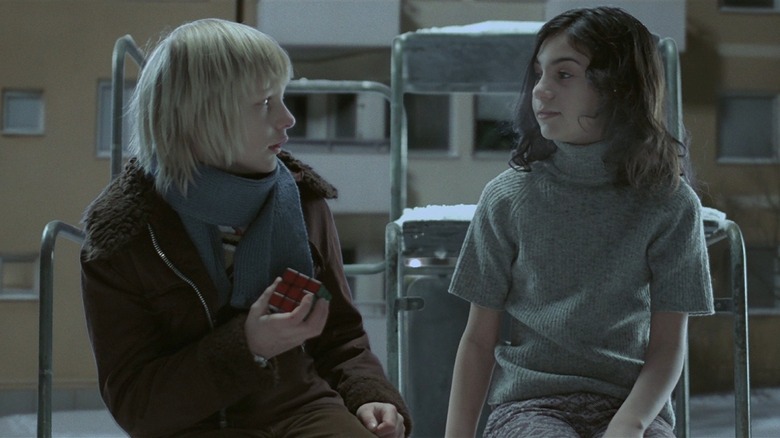
Swedish director Tomas Alfredson reinvented the vampire mythos with this melancholic tale of an alienated boy and his ancient, child-like neighbor. By focusing on the loneliness and moral ambiguity of the vampire rather than its predatory nature, Alfredson created a film that is as much a tender coming-of-age story as it is a chilling horror piece.
13. Paranormal Activity (2007)
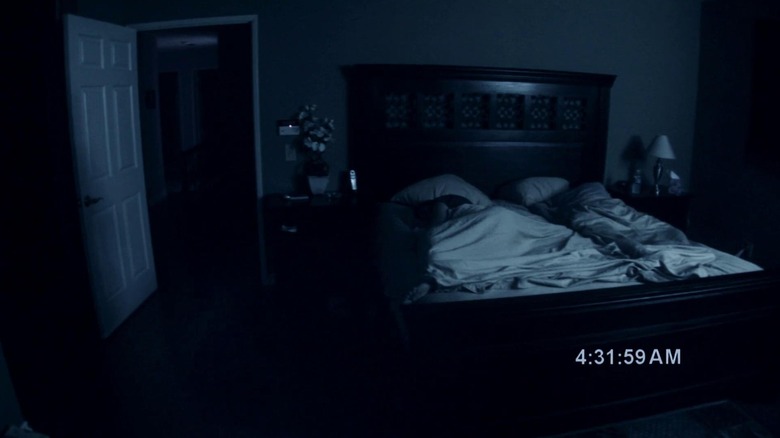
Oren Peli’s $15,000 experiment became a global phenomenon, proving that the "found footage" format still had legs. By utilizing a static camera to document the "nothingness" of a bedroom at night, Peli forced audiences to scrutinize every inch of the frame, turning a flickering light or a moving door into a source of primal terror.
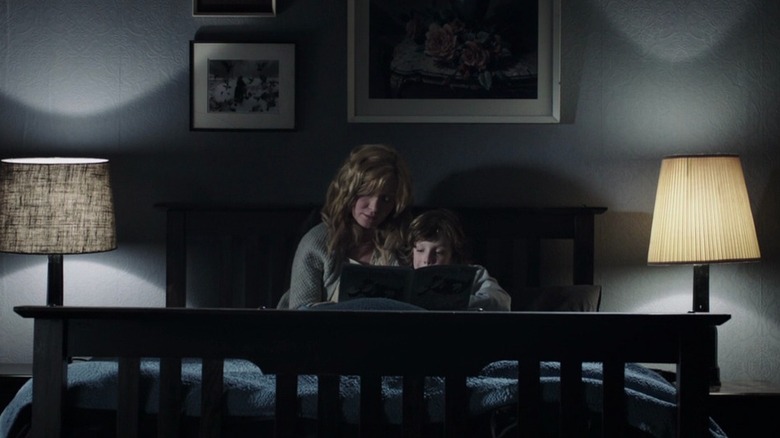
12. The Babadook (2014)
Jennifer Kent’s Australian breakout became the standard-bearer for horror-as-metaphor. While the creature design is iconic, the film’s true power lies in its depiction of maternal exhaustion and the suffocating nature of grief. It signaled a shift toward horror films that demand to be analyzed as serious character studies.
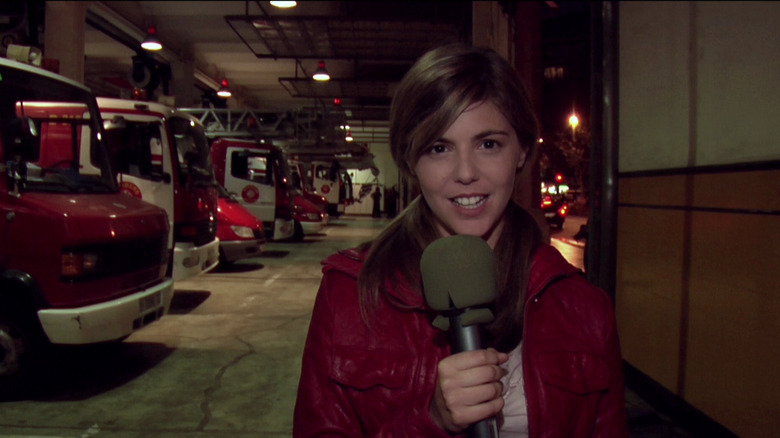
11. [REC] (2007)
Spanish filmmakers Jaume Balagueró and Paco Plaza utilized the found-footage trope to its absolute limit. By trapping a television crew inside a quarantined apartment building, they created a relentless, claustrophobic experience. Unlike its American remake, Quarantine, the original [REC] maintains a gritty realism that makes its final, night-vision sequence one of the most terrifying moments in cinema history.
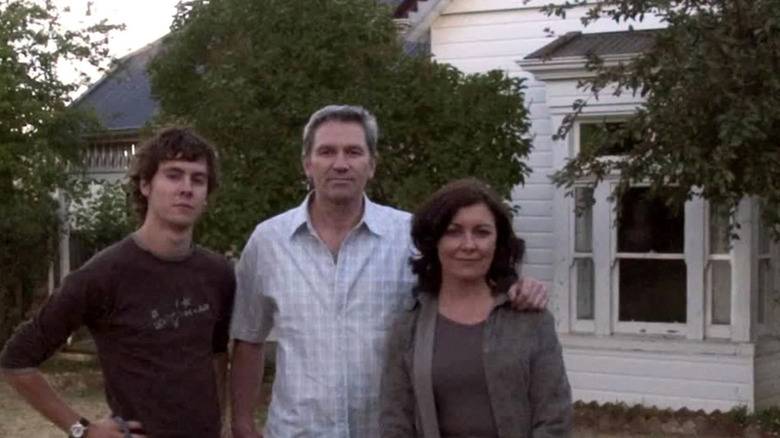
10. Lake Mungo (2008)
This faux-documentary from Australia is a haunting meditation on the secrets we keep. Following the death of a teenage girl, her family discovers her hidden life through grainy cell phone footage and photographs. It is a slow-burn experience that rewards patience with a sense of existential dread that lingers long after the credits roll.
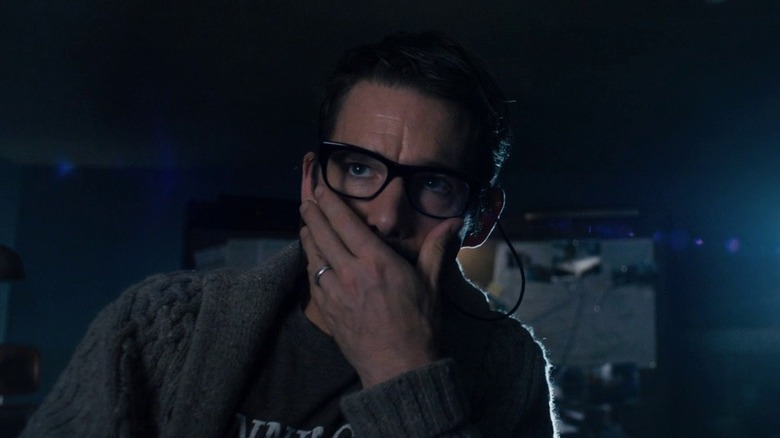
9. Sinister (2012)
Directed by Scott Derrickson and starring Ethan Hawke, Sinister was famously dubbed the "scariest movie ever" by a 2020 scientific study measuring viewers’ heart rates. Its use of "found" Super 8 snuff films creates a sense of voyeuristic unease, blending a traditional demon story with a gritty, true-crime aesthetic.
8. The Ring (2002)
Gore Verbinski’s remake of the Japanese classic Ringu was a rare instance of an American adaptation surpassing the original in visual craft. With its washed-out palette and "cursed" imagery, it introduced a generation of Western viewers to the creeping dread of J-horror, sparking a decade-long trend of Asian horror remakes.
7. Hereditary (2018)
Ari Aster’s debut feature felt like a seismic shift. By treating a story of demonic possession with the gravity of a Bergman-esque family drama, Aster created an emotionally punishing experience. Toni Collette’s powerhouse performance remains one of the most significant Oscar snubs in the genre’s history.
6. 28 Days Later (2002)
Danny Boyle didn’t just make a zombie movie; he redefined the monster for the 21st century. By introducing "fast" zombies (the infected), Boyle tapped into post-9/11 anxieties regarding viral outbreaks and societal collapse. The film’s digital cinematography gave it a raw, immediate quality that felt disturbingly plausible.
5. The Conjuring (2013)
James Wan proved that the "classical" haunted house movie could still dominate the box office. With impeccable timing and a focus on character chemistry (anchored by Vera Farmiga and Patrick Wilson), Wan built a franchise that relies on old-school craftsmanship rather than gore.
4. The Descent (2005)
Neil Marshall’s cave-set horror is a masterclass in environmental terror. Before the monsters even appear, the film’s depiction of claustrophobia and fracturing female friendships is enough to unsettle the viewer. When the "crawlers" finally emerge, the film transitions into a visceral, blood-soaked battle for survival.
3. The Witch (2015)
Robert Eggers’ "New England Folktale" is a triumph of historical immersion. By using 17th-century dialogue and natural lighting, Eggers created a film that feels less like a movie and more like a recovered nightmare. It explored the intersection of religious fanaticism and feminine awakening with chilling precision.
2. Under the Skin (2013)
Jonathan Glazer’s sci-fi/horror hybrid is an avant-garde masterpiece. Starring Scarlett Johansson as an alien predator in Scotland, the film uses hidden cameras and a minimalist score to observe humanity through an icy, extraterrestrial lens. It is a haunting exploration of empathy and objectification.
1. Get Out (2017)
Jordan Peele’s directorial debut is the definitive horror film of the century. By coining the term "social thriller," Peele used the genre to dissect the insidious nature of "polite" racism. It was a cultural lightning bolt, proving that horror could be the most effective tool for social commentary while remaining a thrilling, popcorn-friendly experience.
Supporting Data: Critical and Commercial Success
The impact of these films is backed by staggering industry data. Paranormal Activity remains one of the most profitable films in history, returning its $15,000 budget many thousands of times over. Critically, the "horror stigma" has begun to fade; Get Out secured four Academy Award nominations, winning Best Original Screenplay, a feat previously unthinkable for a mid-budget genre film.
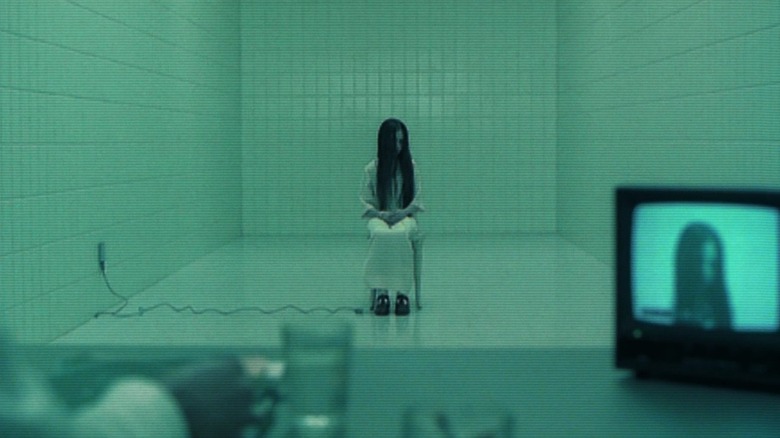
Furthermore, a "Scariest Movie" study conducted by Broadband Choices tracked the heart rates of viewers across 50 of the highest-rated horror films. Sinister (Ranked #9) and Hereditary (Ranked #7) consistently topped the charts, with Sinister causing a 32% increase in resting heart rate among participants.
Official Responses and Industry Impact
Industry leaders have noted the shift in how horror is produced and perceived. Jason Blum, founder of Blumhouse Productions, has frequently spoken about the "Blumhouse Model"—low budgets and high creative freedom—which allowed films like Get Out and The Purge to flourish.
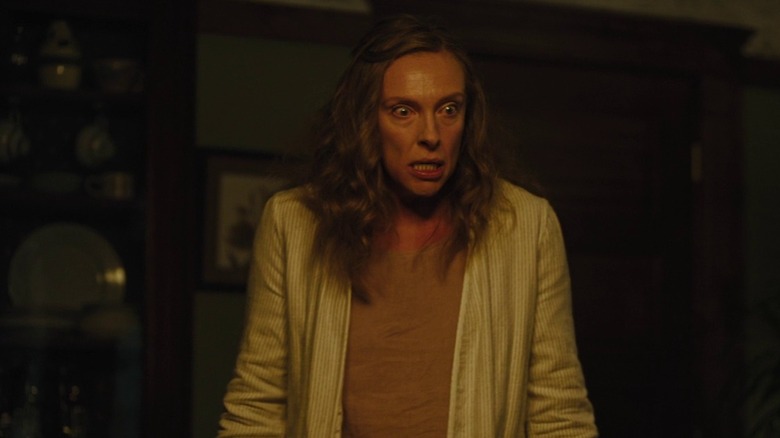
Critics have also grappled with the term "elevated horror," a label often applied to films like The Witch and Hereditary. While some creators, including Robert Eggers, have expressed skepticism toward the term, it highlights a broader critical acknowledgment that the genre is capable of profound artistic merit. The success of these films has led to a "gold rush" for psychological horror, with streamers like Netflix and Shudder investing heavily in original genre content.
Implications: The Future of Fear
The trajectory of 21st-century horror suggests that the genre will continue to be a primary vehicle for exploring societal trauma. As we move further into the 2020s, we are seeing the emergence of "post-pandemic" horror and films that tackle the terrifying implications of Artificial Intelligence and digital isolation.
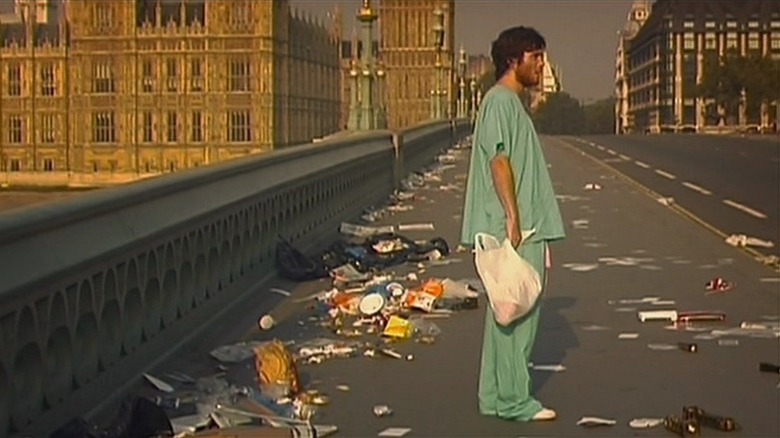
The 15 films listed above did more than just scare audiences; they changed the vocabulary of cinema. They proved that horror is not merely about what is hiding in the dark, but about what is hiding within ourselves—our grief, our prejudices, and our fragile sense of reality. As the genre continues to evolve, it remains the most vital and honest reflection of the human condition in the modern age.