
Beyond the Gimmick: Smart Glasses Emerge as Indispensable Travel Companions for the Modern Explorer
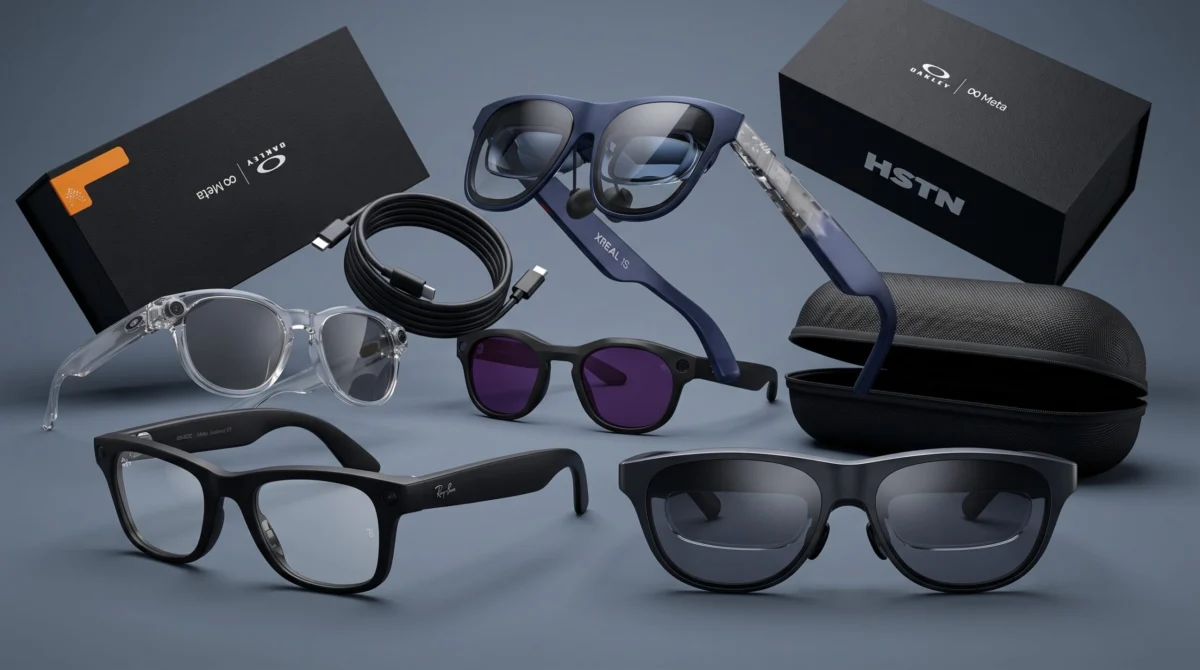
In an era where technology seamlessly integrates into every facet of our lives, a new category of wearable device is poised to revolutionize how we experience travel. Smart glasses, once relegated to the realm of niche tech enthusiasts and science fiction, are rapidly evolving into sophisticated tools that offer tangible benefits for tourists, adventurers, and digital nomads alike. Far from being a fleeting fad, these innovative wearables are proving to be surprisingly practical, enhancing everything from on-the-go translation and immersive content consumption to hands-free documentation of unforgettable moments.
This article delves into the burgeoning world of smart glasses, exploring their multifaceted applications in travel and discerning the distinct categories that cater to diverse user needs. We will examine how these devices are moving beyond their initial hype, offering real-world solutions that empower travelers to explore, connect, and create with unprecedented ease and immersion.
The Evolving Landscape of Smart Glasses: More Than Just a Novelty
The initial perception of smart glasses might evoke images of bulky, obtrusive gadgets with limited functionality. However, the current generation of smart eyewear represents a significant leap forward in design, performance, and utility. The author of the original piece, an ecommerce writer for Creative Bloq, highlights a crucial point: smart glasses are not a mere technological novelty but a potent "underrated travel hack," particularly for creatives. This perspective is crucial because it shifts the conversation from a consumer novelty to a practical tool for enhancing experiences and productivity while on the move.
The key to understanding the utility of smart glasses lies in differentiating between the two primary categories that currently dominate the market:
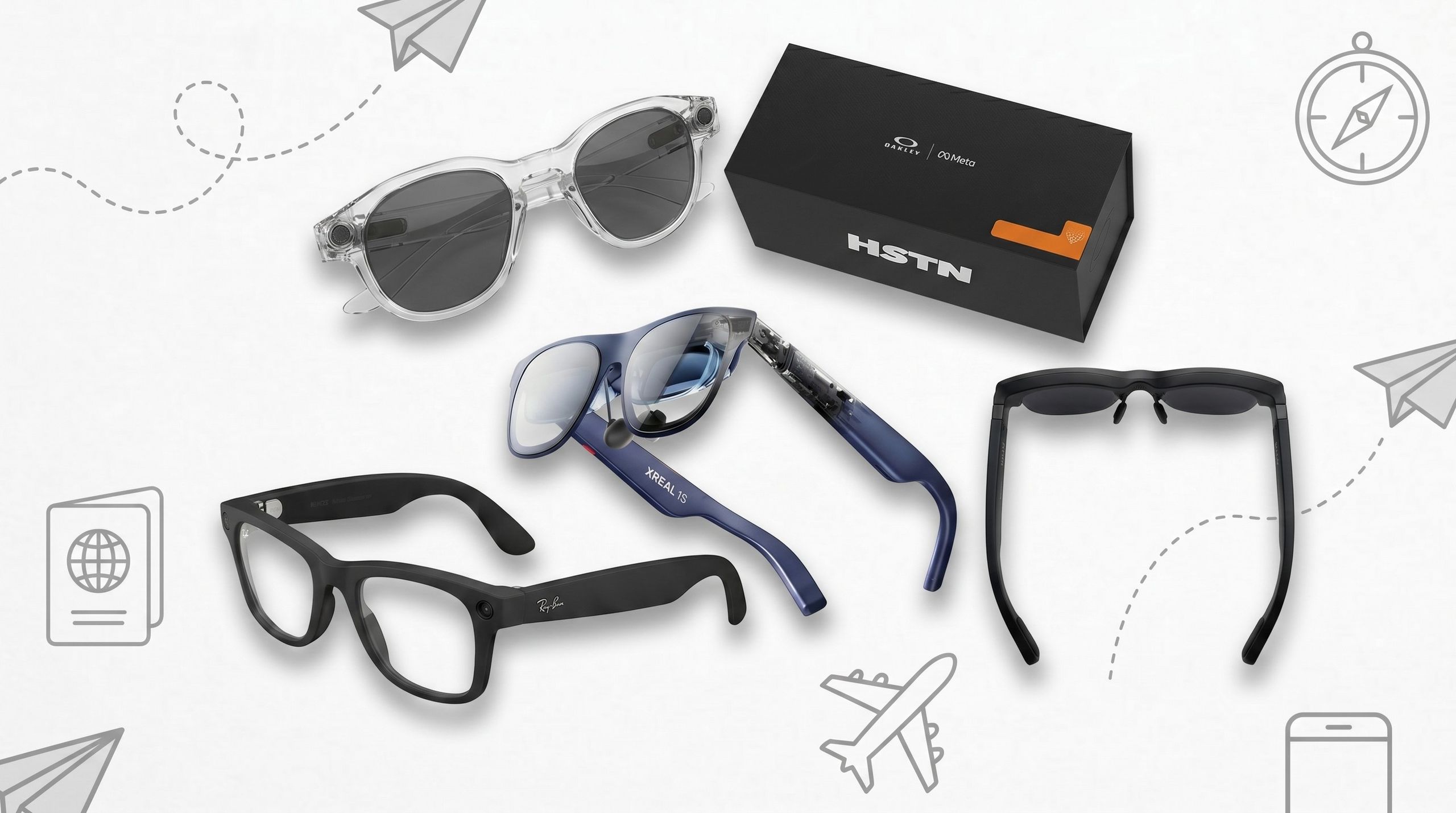
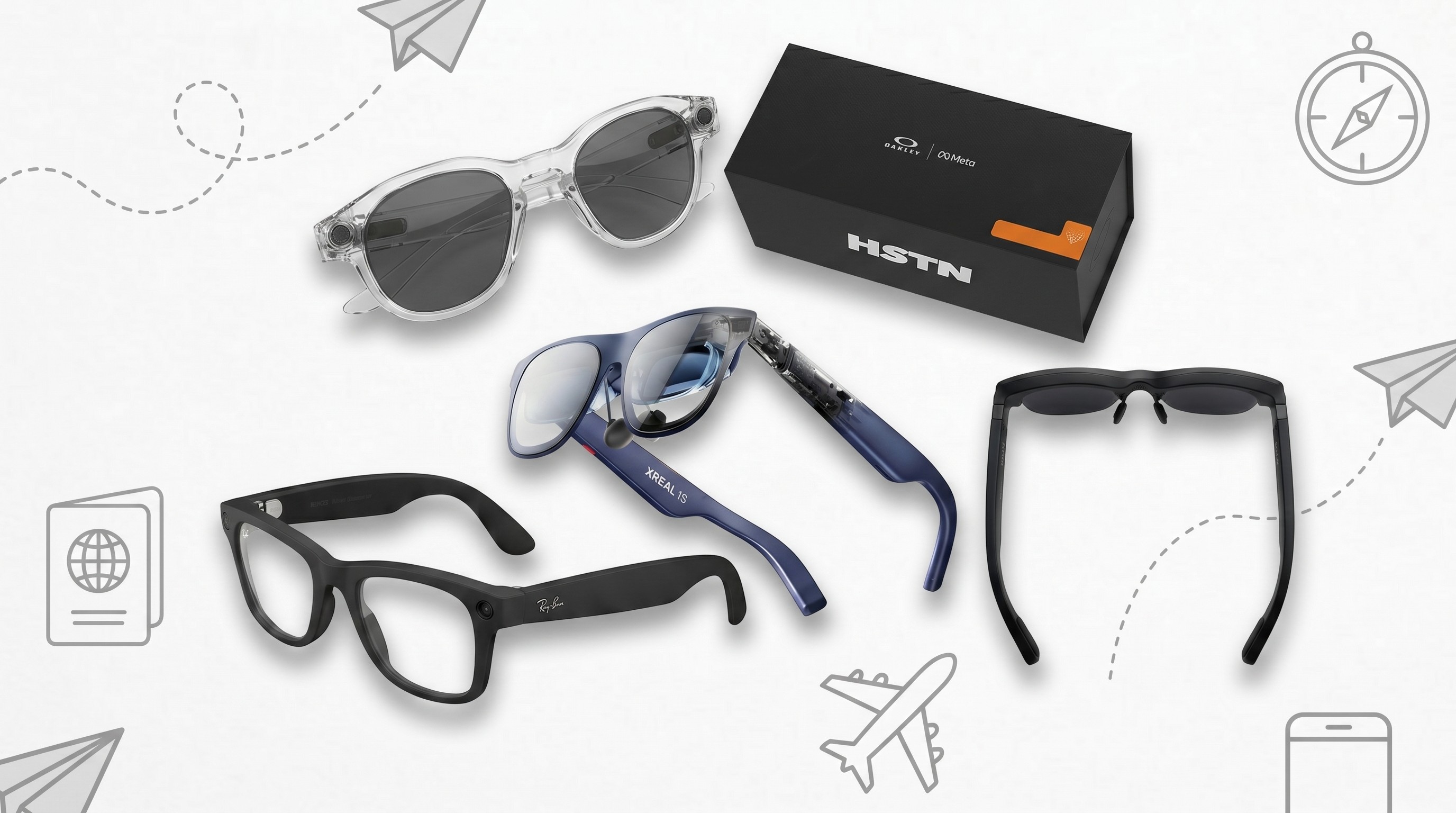
- Augmented Reality (AR) / Extended Reality (XR) Display Glasses: These devices are designed to overlay digital information and visuals onto the user’s real-world view. In a travel context, they offer a significantly larger and more immersive display for content consumption. Imagine watching movies, playing games, or reviewing travel itineraries on a virtual screen that dwarfs your smartphone or tablet, all without the physical constraints of a small device. This is particularly advantageous in cramped environments like airplane cabins or train compartments, where traditional screens can be awkward and uncomfortable to use.
- Camera and Connectivity-Enabled Smart Glasses: This category focuses on integrating cameras, microphones, and often speakers into a pair of stylish spectacles. The primary benefit here is the ability to capture photos and videos hands-free, offering a unique and authentic first-person perspective. This is invaluable for documenting activities that require both hands, such as quad biking, riding a camel, or navigating a bustling foreign market. Beyond mere recording, these glasses can also facilitate real-time translation, provide discreet access to information, and act as a less intrusive alternative to constantly checking a smartphone.
The author’s personal experience underscores the practical advantages of both types. The RayNeo Air 3s Pro, for instance, transforms long flights into opportunities for immersive gaming or cinematic experiences, liberating travelers from the ergonomic challenges of small device screens. Conversely, the Ray-Ban Meta Wayfarer (Gen 2) proved instrumental in capturing dynamic footage at the Mobile World Congress, demonstrating its efficacy in professional and event-based scenarios. These anecdotes are not just personal testimonials; they are indicative of a broader shift in how wearable technology can augment our travel experiences.
A Chronology of Innovation: From Concept to Practicality
The journey of smart glasses from a futuristic concept to a tangible travel tool has been marked by several key developmental stages:
- Early Concepts and Prototypes (Pre-2010s): The idea of projecting information directly into one’s field of vision has long been a staple of science fiction. Early research and development in heads-up displays (HUDs) for military and industrial applications laid the groundwork for consumer-grade smart glasses.
- The Dawn of Consumer Smart Glasses (Early 2010s): Google Glass, launched in 2012, was arguably the first widely publicized attempt to bring smart glasses to the consumer market. While it garnered significant attention, its high price, privacy concerns, and limited functionality ultimately led to its discontinuation for general consumers. However, it undeniably planted the seed for future innovation.
- Diversification and Specialization (Mid-2010s onwards): Following the initial foray, the smart glasses market began to diversify. Companies started focusing on specific use cases, leading to the development of AR/XR display glasses for entertainment and productivity, and camera-enabled glasses for content creation and communication. This period saw a gradual refinement of form factors, making devices sleeker and more socially acceptable.
- The Rise of Integrated Solutions (Late 2010s – Present): Recent years have witnessed a significant maturation of the technology. Companies are now focusing on seamless integration of features, improved battery life, enhanced display quality, and more intuitive user interfaces. The emergence of partnerships between established tech brands and iconic eyewear manufacturers, such as the Ray-Ban Meta collaboration, signifies a move towards mainstream adoption, blending cutting-edge technology with desirable aesthetics. The focus has shifted from a purely functional device to one that is both practical and fashionable.
The author’s personal experience with the RayNeo Air 3s Pro and Ray-Ban Meta Wayfarer (Gen 2) represents the current state of this evolution, showcasing devices that are not only technologically advanced but also cater to specific travel needs, from immersive entertainment on long journeys to effortless content capture in dynamic environments.
Supporting Data: The Growing Market and User Adoption
While precise figures for "smart glasses for travel" are still emerging, the broader smart eyewear market is experiencing significant growth, indicating a positive trajectory for travel-specific applications.
- Market Growth Projections: Industry analysts consistently predict substantial expansion of the global smart glasses market. Reports suggest a compound annual growth rate (CAGR) that will see the market value reach tens of billions of dollars in the coming years. This growth is fueled by advancements in augmented reality, virtual reality, and the increasing demand for wearable technology across various sectors, including consumer electronics, healthcare, and education.
- Increasing Feature Sophistication: The capabilities of smart glasses are continuously expanding. Beyond basic camera and display functions, newer models are incorporating advanced features such as:
- Real-time Translation: Integrated AI-powered translation services can display subtitles of conversations or translate signs in real-time, breaking down language barriers for travelers.
- Navigation and Wayfinding: Visual overlays can guide users through unfamiliar cities, displaying directions and points of interest directly in their field of vision, reducing the need to constantly consult a map application on a phone.
- Information Access: Discreet notifications for emails, messages, and calendar alerts can be delivered without interrupting the user’s engagement with their surroundings.
- Enhanced Photography and Videography: Advanced camera systems with stabilization and high-resolution capture allow for richer, more immersive travel documentation.
- User Adoption Trends: While adoption is still in its early stages compared to smartphones, the trend is upward. Early adopters are recognizing the tangible benefits, particularly in professional settings and for specific hobbies. As the technology becomes more affordable, user-friendly, and aesthetically pleasing, broader consumer adoption, especially for travel, is anticipated. The author’s personal endorsements and the inclusion of deals within the original article suggest a conscious effort to drive this adoption.
Official Responses and Industry Insights
The growing recognition of smart glasses’ potential is reflected in the strategic moves by major technology players and eyewear brands.
- Major Tech Company Investments: Companies like Meta (formerly Facebook), Google, and Apple are heavily invested in the development of AR and VR technologies, with smart glasses seen as a key component of their future product ecosystems. Meta’s acquisition of Ray-Ban and subsequent launch of the Ray-Ban Stories and Ray-Ban Meta smart glasses series signifies a strong commitment to integrating smart features into stylish eyewear.
- Partnerships and Collaborations: The collaboration between tech companies and established eyewear brands is a testament to the industry’s understanding that design and wearability are crucial for mainstream adoption. These partnerships aim to bridge the gap between advanced technology and desirable fashion, making smart glasses more appealing to a wider audience.
- Focus on Specific Use Cases: The industry is increasingly recognizing the value of smart glasses for specific applications. Travel, gaming, content creation, and professional training are identified as key growth areas. This targeted approach allows for the development of more refined and effective solutions for distinct user needs. The author’s focus on travel is a direct reflection of this trend.
- Emphasis on Privacy and Ethics: As smart glasses become more prevalent, there is a growing emphasis on addressing privacy concerns. Manufacturers are implementing features and policies to ensure responsible data collection and usage, aiming to build user trust and foster ethical deployment of the technology. This includes clear indicators when a camera is active and user control over data sharing.
Implications for the Future of Travel
The integration of smart glasses into the travel experience promises a significant paradigm shift, impacting how we explore, interact, and remember our journeys.
- Enhanced Immersion and Engagement: Smart glasses can transform passive observation into active participation. Imagine exploring ancient ruins with AR overlays providing historical context and reconstructions, or navigating a bustling souk with real-time language translation seamlessly integrated into your vision. This level of immersion can deepen understanding and appreciation of new cultures and environments.
- Seamless Information Access: Gone are the days of fumbling for a phone to check directions or look up the history of a landmark. Smart glasses can provide this information contextually and discreetly, allowing travelers to remain present and engaged with their surroundings. This leads to a more fluid and less interrupted travel experience.
- Effortless Content Creation: The ability to capture high-quality photos and videos hands-free opens up new possibilities for documenting travel. From thrilling adventure sports to candid moments of cultural exchange, smart glasses allow for authentic, first-person perspectives that can be shared with others, creating richer narratives of personal journeys.
- Reduced Digital Detachment: By centralizing essential digital functions into a wearable device, smart glasses can help reduce the constant need to pull out a smartphone. This can lead to more meaningful interactions with locals and a greater appreciation of the physical environment, fostering a more mindful travel experience.
- Accessibility and Inclusivity: For individuals with certain disabilities, smart glasses can offer invaluable assistance. Real-time captioning for the hearing impaired or visual cues for navigation can significantly enhance their travel independence and enjoyment.
- The "Creator" Traveler: The rise of smart glasses empowers a new generation of travelers who are not just tourists but active content creators. They can document their adventures with unparalleled ease and share their unique perspectives, inspiring others and contributing to a more diverse and engaging digital travel landscape.
As smart glasses continue to evolve, they are set to become an indispensable part of the modern traveler’s toolkit, moving beyond the realm of novelty to become a truly transformative technology that enhances exploration, connection, and the very essence of experiencing the world. The future of travel is not just about seeing new places, but about seeing them in entirely new ways, and smart glasses are leading the charge.




Leave a Comment