Beyond the Sunscreen: The Enduring Allure and Controversial History of the "Beach Read"

By Elaine Viets
The summer solstice arrives, heralding longer days, warmer temperatures, and a palpable shift in cultural rhythms. For many, this season evokes images of sun-drenched shores, gentle waves, and the simple pleasure of escaping into a good book. Yet, the concept of the "beach read"—a genre often characterized by its accessibility and escapist qualities—has a history far richer and more contentious than its lighthearted reputation might suggest. From Victorian-era moralists decrying "literary poison" to modern publishers strategically crafting narratives for vacationers, the beach read has long been a focal point of literary debate, marketing ingenuity, and the evolving expectations placed upon women’s leisure and reading habits.
The Genesis of Summer Escapism: Victorian Scrutiny and Early Beach Books
The notion that certain books are best suited for summer relaxation is not a recent phenomenon. As early as 1876, the Reverend Thomas De Witt Talmage, a prominent preacher of his time, launched a fiery condemnation of what he termed "beach books." His sermon, delivered with the fervor of a prophet denouncing sin, cautioned his congregation against allowing the "frogs and the lice of a corrupt printing press" to infiltrate their vacation luggage. Talmage, in his characteristic bombast, labeled these books as "literary poison," lamenting that "pestiferous trash" was consumed in greater quantities during July and August than in the preceding ten months of the year.

The irony of Talmage’s pronouncements is not lost on modern observers. His own prolific output, including titles like The Abomination of Modern Society and 500 Select Sermons, suggests a man whose own lengthy tomes might have required a significant portion of the year to digest. It is plausible that Talmage’s outrage stemmed, at least in part, from a degree of professional jealousy. The burgeoning popularity of lighter, more accessible literature, particularly among young women, was challenging the established literary hierarchy and the prescriptive moral codes of the era.
The young women of the 19th century, far from heeding Talmage’s dire warnings, embraced these summer reads with enthusiasm. Their vacation valises were not filled with dense theological tracts but with engaging narratives that reflected their social milieu and aspirations. Authors like Marion Harlan, with her Gilded Age tale With the Best Intentions: A Midsummer Episode, catered to a desire for stories set amongst the glittering elite. Even more impactful was the work of Laura Jean Libbey, whose serialized novels captivated a vast readership with tales of plucky heroines overcoming hardship. Libbey’s titles, such as A Dangerous Flirtation Or, Did Ida May Sin? and Miss Middleton’s Lover; Or Parted On Their Bridal Tour, were not merely escapist fare; they offered a vicarious thrill and a glimpse into romantic entanglements that resonated deeply with their audience. These novels, with their dramatic plots and often melodramatic resolutions, can be seen as the direct ancestors of today’s beach reads, setting a precedent for engaging narratives designed for easy consumption.
The Marketing Machine: Publishers Capitalize on Summer Lulls
While the term "beach read" itself did not gain widespread currency until the 1990s, the underlying marketing strategy has a much longer history. Publishers, keenly aware that book sales traditionally dipped during the summer months of July and August, recognized an opportunity to create a specific category of literature tailored to vacationers. This was not simply about filling a market gap; it was a calculated effort to maintain sales momentum during a period of reduced engagement.

These early "summer reads" were often designed with practicality and appeal in mind. They were typically compact and easy to pack, fitting snugly into the aforementioned vacation valises and trunks. Furthermore, their content was carefully curated. Many were set in idyllic resort towns, mirroring the very environments where they were intended to be read. Beyond pure entertainment, these novels often served a didactic purpose, offering young, middle-class women practical advice on fashion, etiquette, and the art of social navigation. The underlying narrative often involved encounters with eligible, affluent bachelors, with the implicit promise that adherence to these fashionable and polite conventions would likely lead to a favorable romantic outcome – often marriage to a wealthy suitor. This blend of aspirational fantasy and practical guidance made these books an attractive proposition for a demographic eager to make advantageous connections.
Defining the "Beach Read": Beyond Sand and Surf
The question of what precisely constitutes a "beach read" is a subject of ongoing discussion, a definition that has evolved alongside literary trends and reader expectations. Blogger Victoria Wood, in her insightful analysis, quotes the Macmillan Dictionary’s definition: "a book you can take on holiday, which is good enough to keep you engaged but not so serious it will spoil your holiday." This pragmatic definition highlights the core appeal: a book that offers compelling engagement without demanding excessive intellectual effort, thereby enhancing rather than detracting from the relaxation of a vacation.
Wood, however, wisely expands upon this definition, adding a crucial layer: "the best beach reads are immersive, entertaining, and just plain fun—whether or not you ever set foot on sand." This insight acknowledges that the appeal of a beach read transcends its physical setting. The immersive quality allows readers to become deeply engrossed in the narrative, transported to different worlds and experiences. The entertainment factor ensures enjoyment, and the sheer fun of the reading experience is paramount. This broader interpretation liberates the "beach read" from the literal confines of a sandy shore, allowing it to be enjoyed anywhere one seeks lighthearted escape and engaging storytelling.

The Legacy of Victorian Disdain: Contemporary Perceptions and Subversive Power
Despite the enduring popularity of summer reading, traces of Victorian-era moralistic disdain can still be detected in contemporary perceptions. Books that fall under the "beach read" umbrella, particularly those written by women and often featuring romantic or lighter genres, can still be subjected to scorn, dismissed as frivolous or lacking in literary merit. The term "beach book" itself can, at times, be employed as a pejorative, implying a lack of depth or substance.
However, this perceived superficiality often belies a more subversive power. The very accessibility that draws readers can also serve as a gateway to literature, introducing individuals to the joy of reading and encouraging them to explore different genres. Furthermore, the consistent output of "beach reads" by major publishers, with prominent placements in literary reviews and bestseller lists around Memorial Day, signals their undeniable cultural significance. Publications like The New York Times and Booklist routinely curate lists of recommended summer reads, often featuring books with vibrant covers and snappy dialogue, acknowledging their place in the seasonal literary landscape.
Contemporary Manifestations: From Romance to Thrillers and Beyond
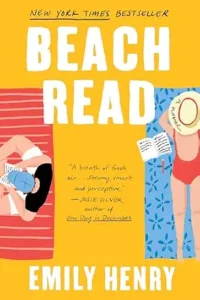
Today’s beach reads encompass a diverse range of genres, reflecting the varied tastes of modern readers. Romance novels, a natural fit for the escapist appeal of summer, continue to be a dominant force. Emily Henry’s self-referential novel Beach Read, which cleverly explores the tropes of the genre and the creative struggles of its characters, has become a quintessential example. Kristin Hannah, known for her more profound historical fiction like The Women, also offers lighter fare with titles such as Summer Island, demonstrating the spectrum of enjoyable summer narratives.

The thriller and mystery genres have also found a strong foothold in the beach read category. Freida McFadden’s The Housemaid, for instance, achieved remarkable success by strategically timing its releases to span the summer season, with its hardcover appearing in April and its paperback in August, capturing the attention of vacationing readers. This strategic release pattern underscores the commercial viability and widespread appeal of books designed for summer consumption.
Even authors of more traditionally "serious" fiction are increasingly embracing the beach read moniker. Elaine Viets herself contributes to this vibrant landscape with her own offerings, including Sex and Death on the Beach (2025) and Beach Blonde Betrayal (2026). Both titles, released in July, exemplify the continued trend of authors and publishers leveraging the summer season for maximum reader engagement. Viets’ assertion that her readers are "extremely intelligent" serves as a direct retort to the outdated criticisms of Reverend Talmage, highlighting the enduring appeal and intellectual engagement offered by these books.
Implications: The Evolving Role of Leisure Reading
The enduring popularity and continued evolution of the beach read offer several significant implications for the literary world and for readers themselves. Firstly, it underscores the vital role of leisure reading in modern life. In an increasingly fast-paced and demanding world, the opportunity to disconnect and immerse oneself in a story is not merely a pastime but a necessary form of self-care and mental rejuvenation.
Secondly, the beach read signifies the democratization of literature. By offering accessible narratives that appeal to a broad audience, these books lower the barriers to entry for new readers and encourage a lifelong habit of reading. The dismissal of "beach reads" as frivolous overlooks their crucial role in fostering a culture of reading and providing enjoyment to millions.
Finally, the history of the beach read reveals a fascinating interplay between societal expectations, marketing strategies, and reader agency. From the moralistic pronouncements of Victorian preachers to the strategic publishing of contemporary blockbusters, the beach read has consistently been a site of negotiation and adaptation. Yet, at its core, the enduring appeal of the beach read lies in its promise of escape, entertainment, and a simple, unadulterated pleasure – a promise that continues to resonate with readers seeking respite and delight during the sunniest months of the year, regardless of whether their feet ever touch the sand.
Elaine Viets’s books are available at most booksellers, including Amazon, Thriftbooks.com, and Left Bank Books in St. Louis.