The Architecture of Survival: Katie Skelly’s Heaven and the Evolution of the "Cool Girl" Aesthetic
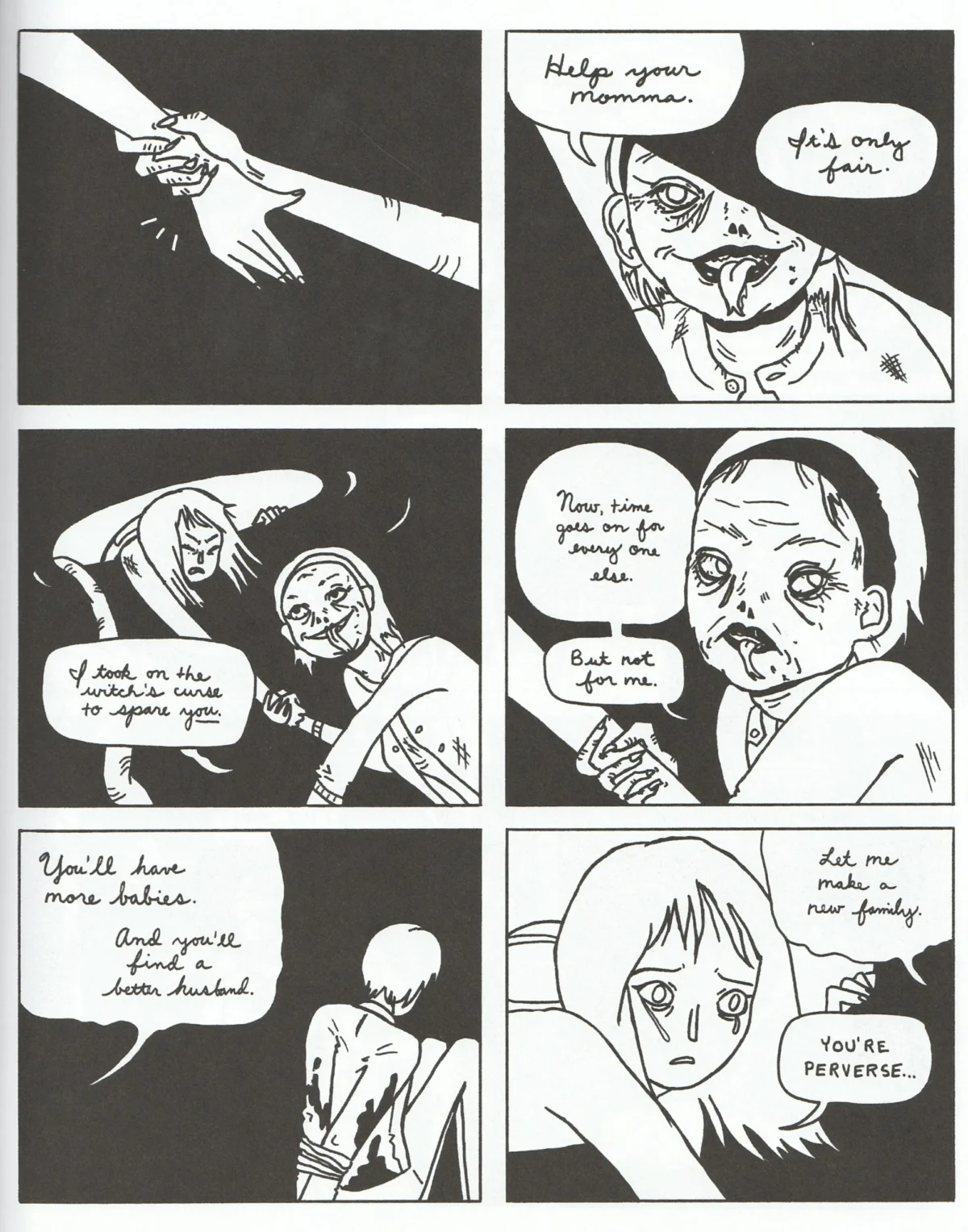
LOS ANGELES — In the landscape of contemporary alternative comics, few voices resonate with the stylistic precision and subversive energy of Katie Skelly. Known for her sharp lines, cinematic pacing, and a career-long fascination with the intersection of glamour and gore, Skelly has spent the last decade carving out a niche that feels both retro and radical. However, the release of her latest graphic novel, Heaven, marks a significant turning point—not just as a return to long-form storytelling after a six-year hiatus, but as a deliberate farewell to the archetypes that defined her early career.
In a wide-ranging discussion following the book’s release in August 2026, Skelly reflects on the long, often fragmented journey of bringing Heaven to fruition, the shifting material conditions of the indie comics industry, and the existential mutations prompted by a global pandemic and a cross-country move.
Main Facts: The Return of a Formative Voice
The promotional campaign for Heaven has centered on a singular narrative: the return of Katie Skelly. While the six-year gap since her last major work, Maids (2020), suggests a period of absence, the reality is one of intense behind-the-scenes industry building. During this time, Skelly founded her own small press, Strega Sporca, edited the critically acclaimed horror anthology Viscere, and curated a collection of wrestling drawings by the legendary Jaime Hernandez.

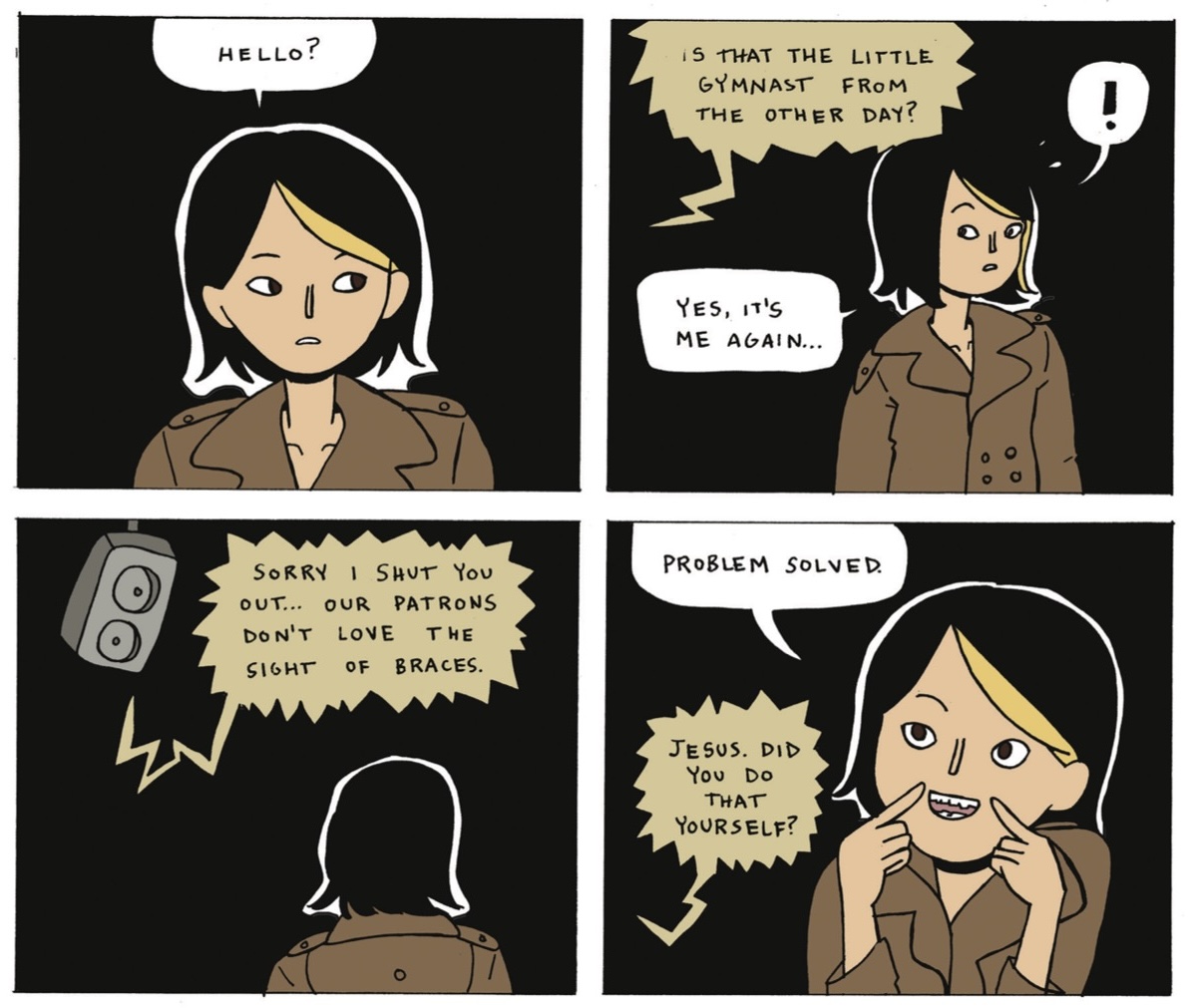
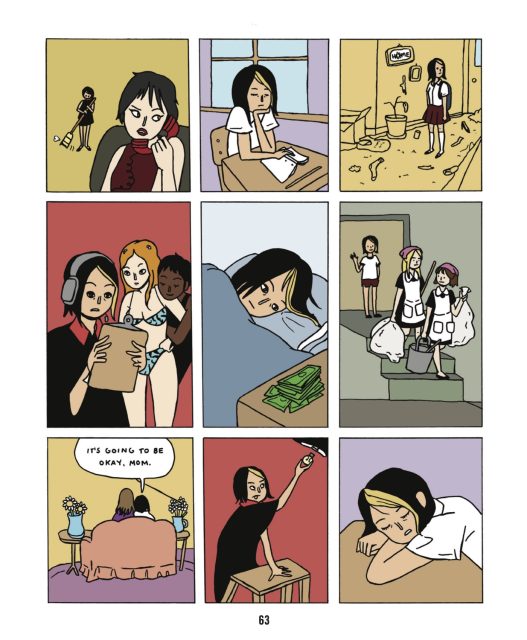
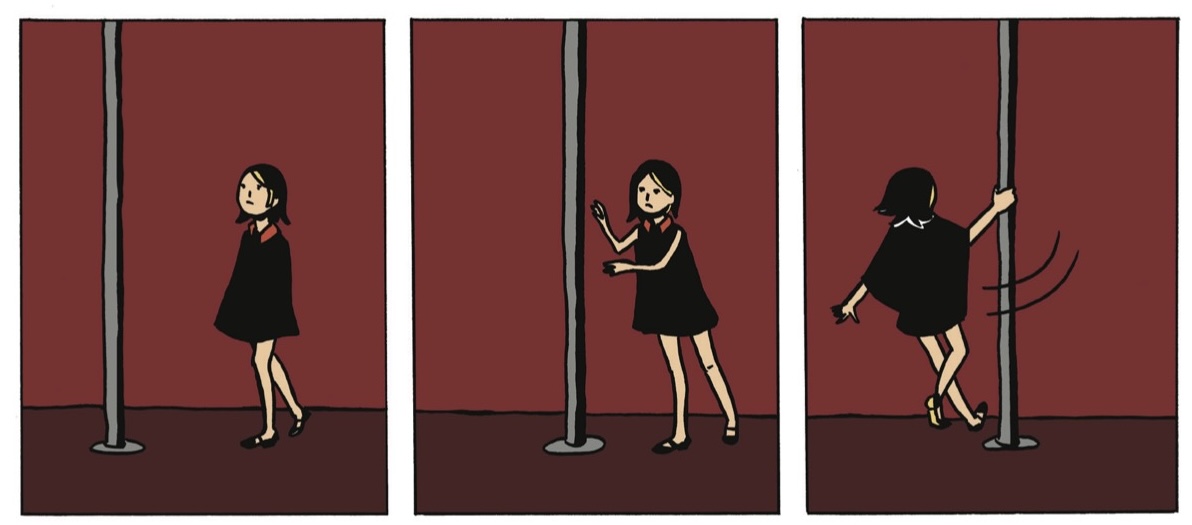
Heaven, however, represents Skelly’s most introspective solo work to date. Set in a "haunted strip club"—an aesthetic inspired by a description of the musician The Weeknd’s early work—the story follows Dolly, a teenager navigating a fractured home life and a social circle that feels increasingly hollow. The narrative serves as a vessel for Skelly’s exploration of COVID-era anxieties, transformation, and the limits of the "cool girl" persona that has long been a staple of her bibliography.
Chronology: From Lockdown to the Los Angeles Mutation
To understand the DNA of Heaven, one must trace the timeline of its creation, which is inextricably linked to the socio-political climate of the early 2020s.
2020: The Abrupt Severing
Skelly finished her previous book, Maids, just days before the global lockdown in March 2020. The typical celebratory cycle of an author—book tours, festival appearances, and community engagement—was instantly "chopped off." For Skelly, this period was defined by a sense of stifled momentum. The absence of a physical outlet for her work’s release forced a period of internal reflection.
2021: The California Shift
In April 2021, Skelly moved from the dense, institutional environment of New York City to the sprawling sunshine of Los Angeles. This relocation coincided with the start of Heaven. Initially conceived as a "gritty, tough-guy" story in the vein of Frank Miller’s Sin City, the book began to undergo what Skelly calls a "Los Angeles mutation." The harshness of the original concept began to weave itself into something more tender and atmospheric, reflecting her new environment and her burgeoning relationship with Jaime Hernandez.
2022–2025: The Grind and the Press
Throughout the production of Heaven, Skelly maintained a delicate balance between her creative output and full-time office work. While many artists view "day jobs" as a hindrance to be escaped, Skelly describes her return to full-time work in 2022 as a choice driven by both financial necessity and a need for structural rhythm. During these years, she simultaneously built Strega Sporca, utilizing grants and Kickstarters to provide a platform for emerging artists, ensuring that her "hiatus" was, in fact, one of the most productive periods of her career.
Supporting Data: The Aesthetic and Thematic Framework
Heaven is built upon a specific set of inspirations and creative methodologies that distinguish it from Skelly’s previous works like My Pretty Vampire or Nurse Nurse.
The "Haunted Strip Club" as Metaphor
The core concept originated from a tweet describing The Weeknd’s music as "haunted strip club music." Skelly used this phrase to build a specific, localized horror. Unlike her previous works, which often felt untethered to a specific geography, Heaven is deeply concerned with the "space" of the club—a place that is both a sanctuary and a cage.
The Character of Dolly
Dolly is described by Skelly as an embodiment of 2021-era nihilism. "What if this is all just spinning out into nothingness?" Skelly posits. By placing these heavy existential anxieties into a teenage protagonist, Skelly captures the heightened emotional resonance of adolescence—a time when every social shift feels like a life-or-death transformation.
The Secret Sequel
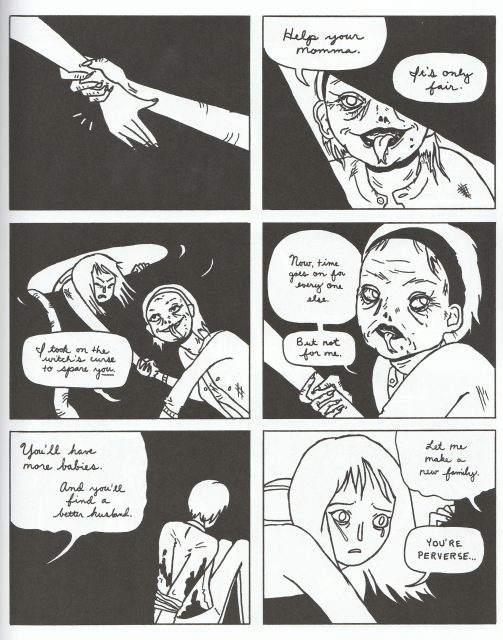
In a move that rewarded long-time readers, Skelly revealed that Heaven exists within the same continuity as My Pretty Vampire. The character "Lover," the club’s manager, is revealed to be an older, "hardened" version of Clover, the protagonist of her earlier work. This narrative tethering allows Skelly to explore the long-term consequences of trauma and the "aspirational" nature of simple survival.
Official Responses: The Artist’s Philosophy on Genre and Labor
Skelly’s interview provides a rare, pragmatic look at the life of a modern cartoonist. Her "official" stance on several industry tropes challenges the traditional "starving artist" narrative.
On the Necessity of the Day Job
Skelly rejects the notion that total artistic freedom only comes from quitting one’s job. "I’m sort of institutionalized at this point," she admits. For her, the office environment provides the insurance and financial stability that allows her to make comics "her way" without the pressure of commercial viability. This "after-work" routine—drawing for a few hours each night—is what sustained the four-year production of Heaven.
On the "Alt-Comics" View of Genre
Addressing the long-standing tension between "high art" literary comics and "low" genre fiction, Skelly defends the use of tropes. She views genre as a "scaffolding" that allows an artist to go "crazy" within a set of pre-existing rules. By focusing on horror and noir, she has found a way to make visually distinct and often experimental work cohesive for a broader audience.
On Publishing and Mentorship
Through Strega Sporca and the Viscere anthology, Skelly has taken on the role of an accidental mentor. By securing grants from figures like Anne Koyama, she has focused on "material conditions," helping new artists create physical objects they can use to pitch larger projects. Her goal was to create a "showcase" that counters the often "brutal" experience of early-career comic shows.
Implications: The End of the "Cool Girl" Era
The most significant takeaway from Heaven is its role as a definitive coda to a specific phase of Skelly’s career. For years, Skelly’s work was synonymous with the "cool girl" archetype—characters who were stylish, detached, and often dangerous.
Divesting from the Vibe
The ending of Heaven, which sees Dolly choosing a "normal life" over the stylized chaos of the club, mirrors Skelly’s own evolution. "I’ve changed a lot," she notes, signaling a desire to move away from the aesthetics that made her famous. This divestment is a bold move for an artist with a dedicated cult following, but one that Skelly views as essential for her survival as a storyteller.
Future Trajectories
As Skelly looks toward the future, the implications for her work are clear:
- A Shift in Medium: Her next project will return to black-and-white, moving away from the lush, often neon-soaked palettes of her recent books.
- Expanded Narratives: She plans to move from tight, character-focused vignettes to stories featuring larger, more complex casts.
- Personal Transformation: Beyond the drawing table, Skelly is pursuing certification as a Pilates instructor, further signaling a move toward a life defined by physical discipline and mentorship rather than just the "computer, drawing table, repeat" cycle.
Heaven stands as a monument to a specific moment in time—a bridge between the claustrophobia of the pandemic and the open horizon of a new chapter in Los Angeles. For Katie Skelly, the book is a reminder that while the "cool girl" might be a captivating image, the true aspiration is the messy, un-stylized act of surviving and moving on. As she prepares for her next "mutation," the comics world remains watchful, recognizing that Skelly’s "return" is actually a transformation.