Buc-ee’s Legal Beaver Blitz Sparks Local Uprising in Beavercreek
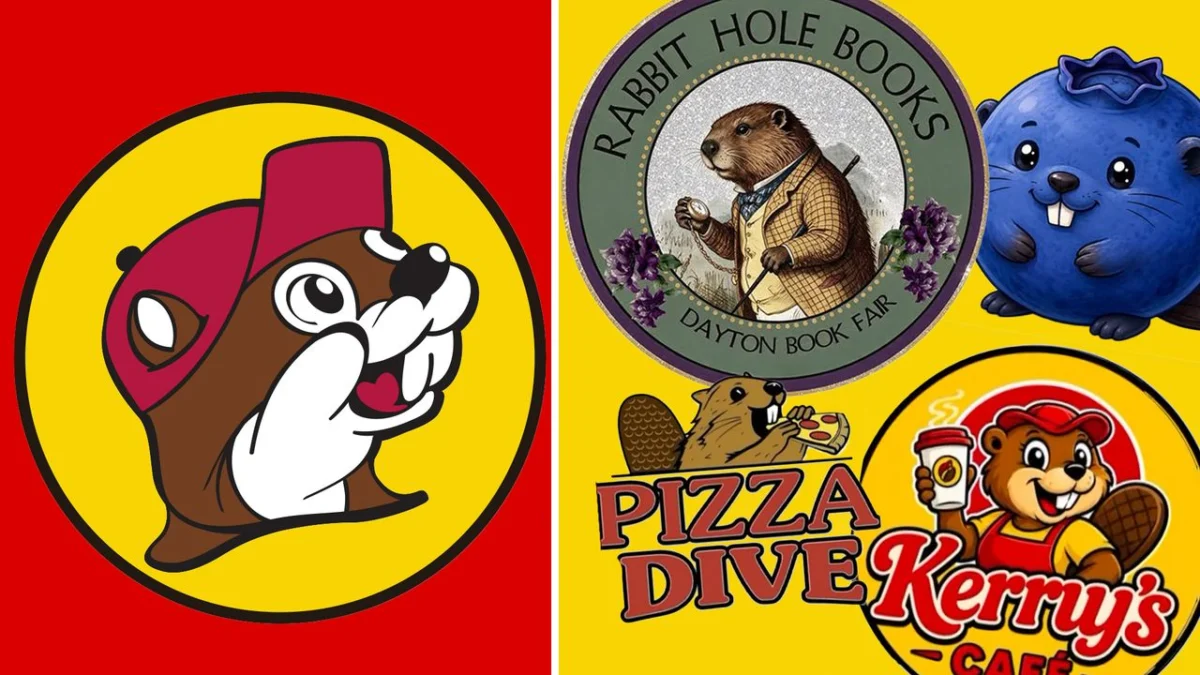
A Texas-based convenience store giant’s aggressive pursuit of trademark infringement claims has ignited a wave of community solidarity and creative defiance in an Ohio town where beavers are more than just a logo – they’re a local identity.
In a development that has captured the attention of design enthusiasts and legal observers alike, Buc-ee’s, the Texas-based chain of sprawling gas stations renowned for its distinctive beaver mascot and relentless trademark enforcement, has found itself at the center of an unexpected grassroots rebellion. The company, which has a documented history of pursuing legal action against businesses with logos it deems too similar to its own, recently set its sights on Beaver’s Mini Mart, a small local store in Beavercreek, Ohio. This latest legal salvo, however, has not yielded the typical capitulation. Instead, it has galvanized the local community and sparked a creative counter-offensive that is rapidly turning into one of the most significant acts of corporate trolling seen in recent times.
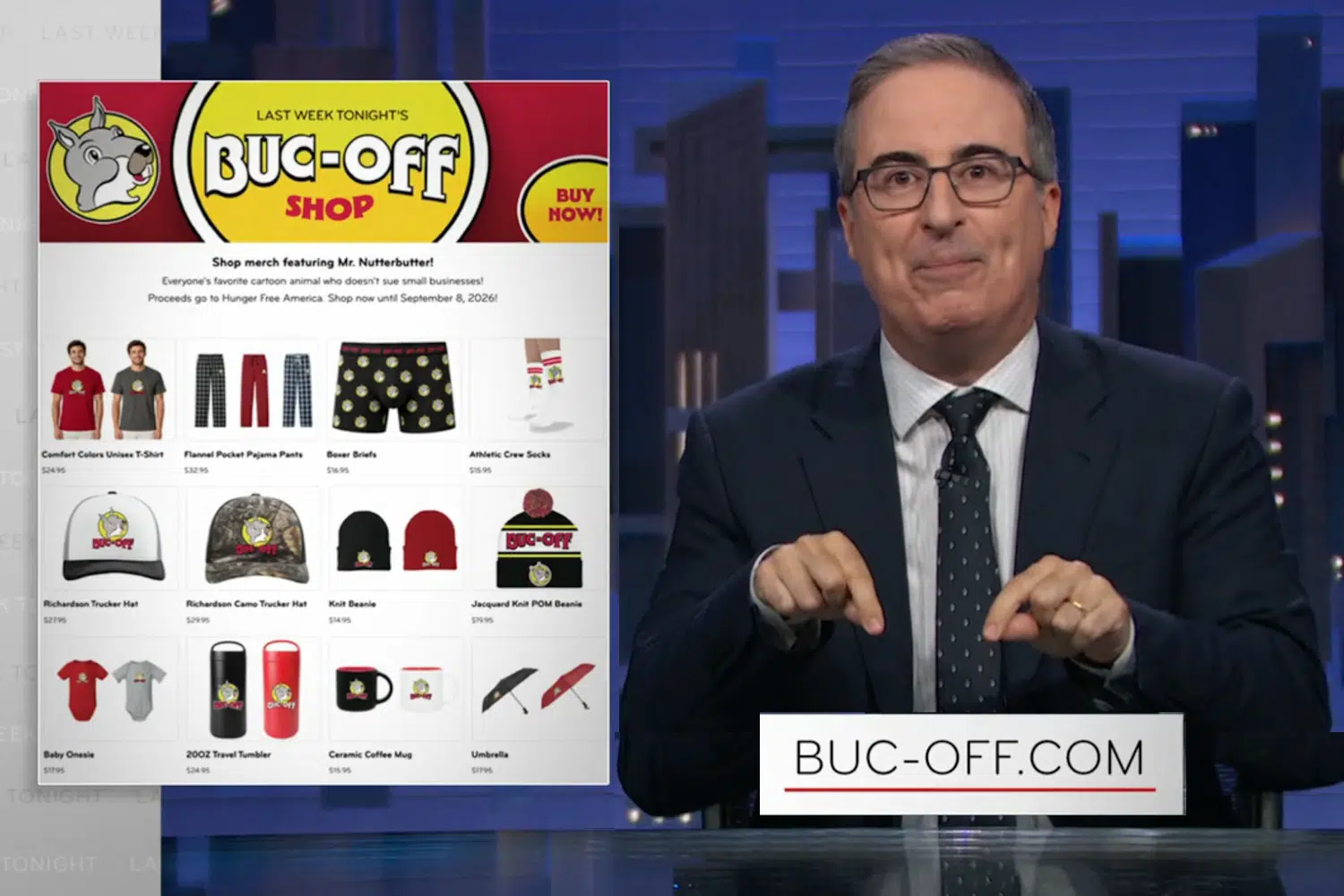
The saga began just two weeks after television host John Oliver, on HBO’s Last Week Tonight, launched a satirical brand called "Buc-Off." This comedic jab, which raised thousands of dollars for the charity Hunger Free America, was intended to highlight Buc-ee’s litigious tendencies. While Buc-ee’s legal attention was ostensibly elsewhere, it appears the company’s internal "trademark protection" radar remained acutely tuned. The focus then shifted to Beavercreek, Ohio, a town so steeped in beaver lore that its very name celebrates the industrious rodent.
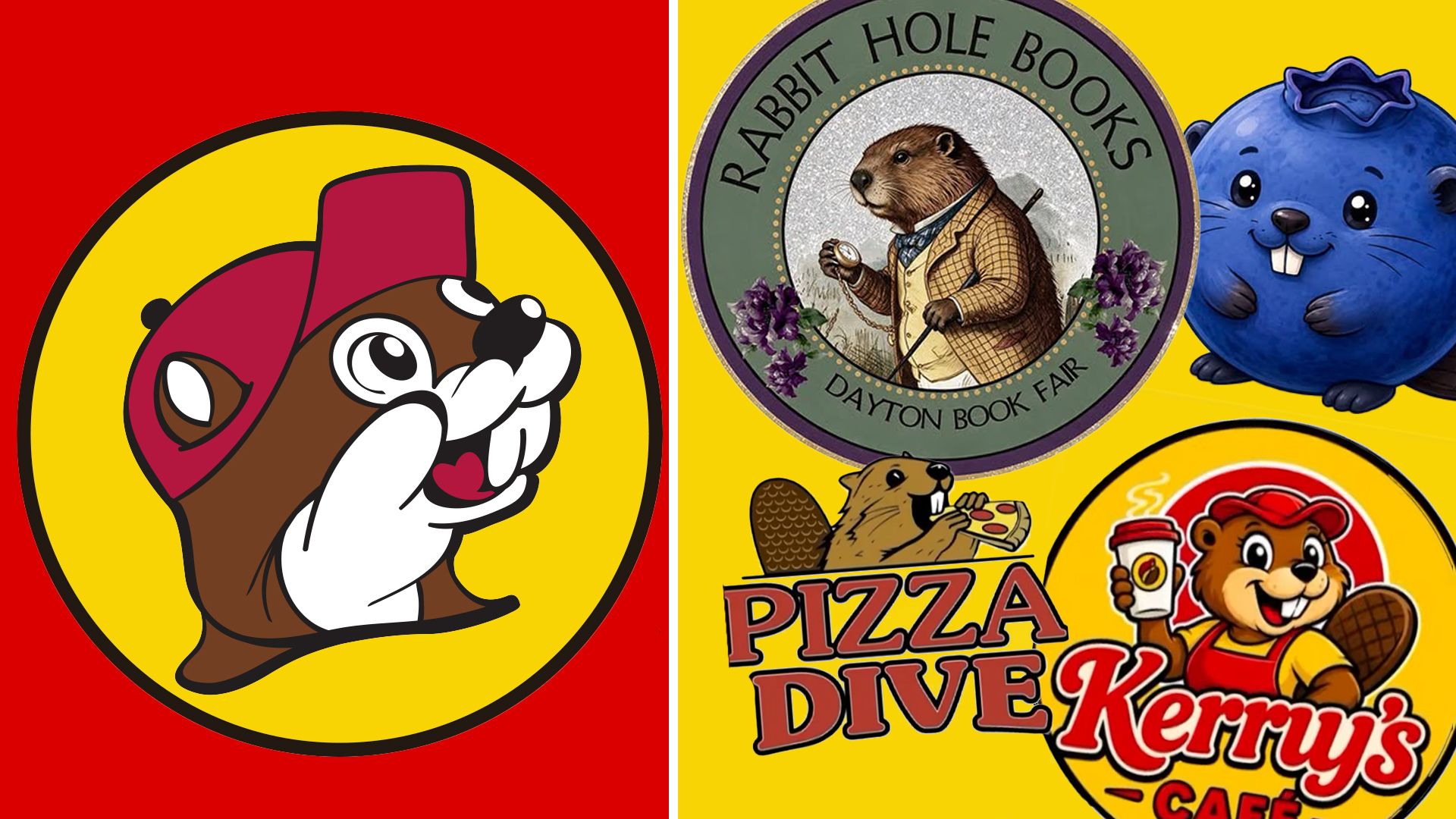
Beaver’s Mini Mart, a local establishment that has been operating since 2019, found itself on the receiving end of a cease-and-desist letter and subsequent lawsuit from Buc-ee’s. The complaint centers on the mini-mart’s beaver-shaped logo, which Buc-ee’s alleges infringes upon its own iconic beaver design. The irony of a Texas company suing a business in a town named Beavercreek over a beaver logo is not lost on many, especially given Buc-ee’s relatively recent entry into the Ohio market in April of this year, compared to Beaver’s Mini Mart’s established presence.
A History of Legal Bites: Buc-ee’s Trademark Tussles
Buc-ee’s has cultivated a reputation for being fiercely protective of its brand identity, particularly its distinctive beaver logo. Over the years, the company has been involved in numerous lawsuits against a wide array of businesses. These targets have ranged from direct competitors like rival gas stations and convenience stores to seemingly unrelated entities such as dog-friendly cafes and, in one particularly peculiar instance, an underwear brand named "nut huggers." The common thread in these legal battles has been Buc-ee’s claim of trademark infringement, often leading to the targeted businesses redesigning their branding to avoid costly legal proceedings.
This aggressive legal strategy, while effective in many cases, has also drawn criticism for its perceived overreach. Critics argue that Buc-ee’s often targets small, local businesses with limited resources, essentially bullying them into submission. The company’s stance is that it must protect its intellectual property to maintain brand integrity and prevent consumer confusion. However, the sheer volume and diversity of its legal targets have led many to question the proportionality of its actions.
The satirical campaign by John Oliver, featuring merchandise with a character named "Mr. Nutterbutter," was an attempt to embarrass Buc-ee’s and highlight the perceived absurdity of its aggressive stance. While this stunt successfully garnered attention and raised funds for charity, it seems Buc-ee’s was already on its own legal warpath, with Beaver’s Mini Mart becoming its latest target.
The Beavercreek Uprising: A Community Rallies
The news of Buc-ee’s lawsuit against Beaver’s Mini Mart did not result in the widespread fear and capitulation that the Texas giant might have anticipated. Instead, it sparked a remarkable wave of solidarity within Beavercreek and surrounding communities. Local businesses, inspired by the plight of their neighbors, have begun to rally in support, adopting a creative and often humorous approach to defiance.
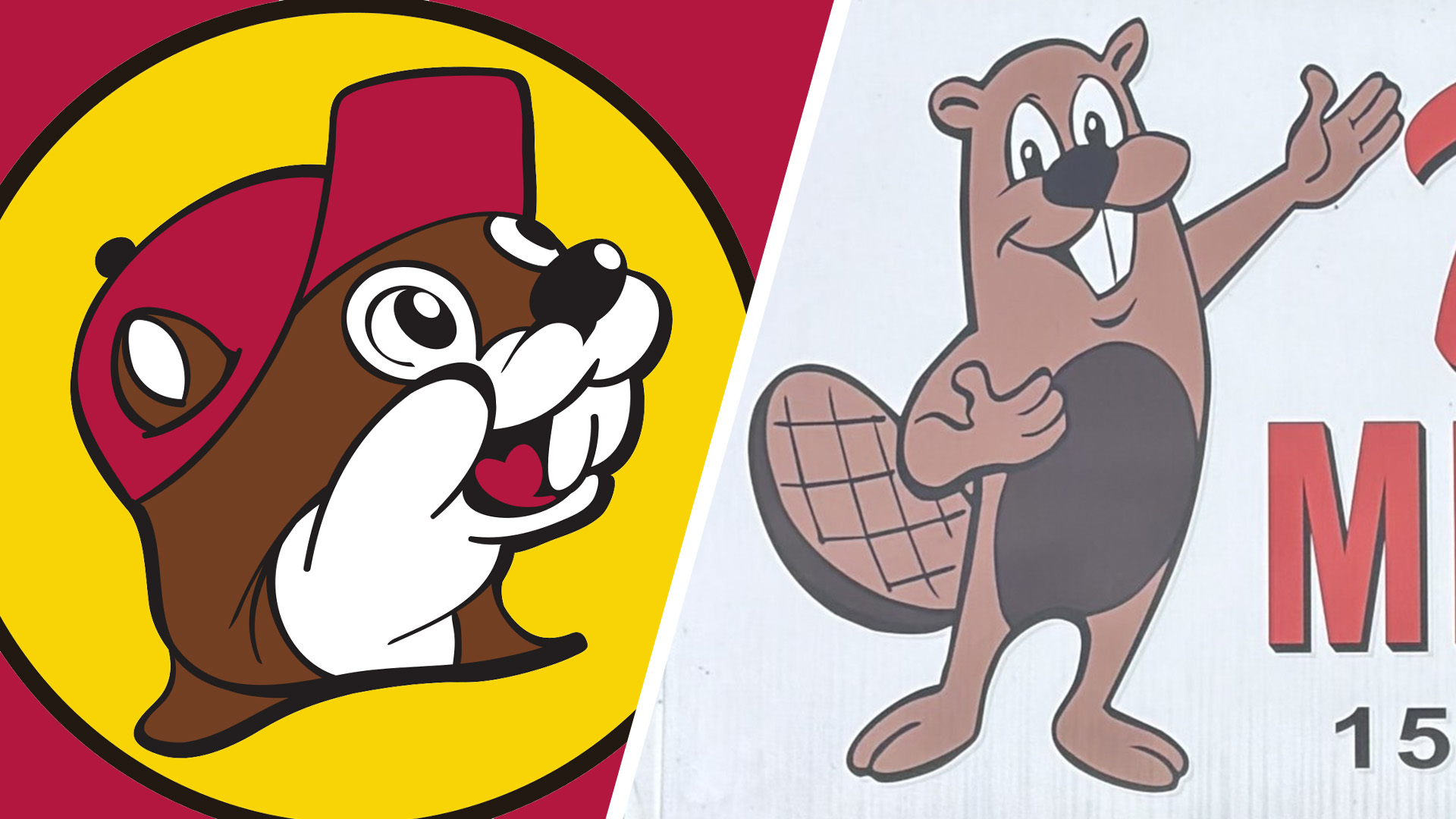
- Temporary Logo Transformations: Numerous independent stores, cafes, bookstores, and other local establishments have temporarily rebranded their logos to feature beaver motifs. This collective act serves as a visual statement of support for Beaver’s Mini Mart and a direct challenge to Buc-ee’s perceived overreach.
- Social Media Campaigns: Platforms like Facebook have become hubs for this burgeoning movement. Businesses have proudly showcased their temporary beaver logos, accompanied by messages of solidarity. The Rabbit Hole Book, a local bookstore, posted on Facebook, "Come an get us Buc-ee’s. You don’t own every beaver." They further emphasized their support for their "Beavercreek neighbors," noting that the mini-mart’s beaver logo bears no resemblance to Buc-ee’s mascot.
- "Solidarity Cookies": In a heartwarming display of local unity, a local bakery began selling "solidarity cookies" adorned with icing that proclaimed, "shop local, protect your beaver." This culinary protest has become a tangible symbol of the community’s commitment to supporting its own.
This organized, community-driven response represents a significant departure from the typical outcome of Buc-ee’s legal actions. Instead of succumbing to pressure, Beavercreek residents and businesses are demonstrating a collective resolve to defend their local identity and autonomy. The "trolling" of a corporate logo, as described by some observers, is not just a display of humor but a powerful statement of community strength against what is perceived as corporate bullying.
The Legal Basis and Counterarguments
The core of Buc-ee’s legal claim against Beaver’s Mini Mart rests on the assertion that the mini-mart’s beaver logo infringes upon Buc-ee’s registered trademark. According to Huber Heights Mayor Jeff Gore, Buc-ee’s co-founder and CEO, Arch Aplin, stated that the lawsuit was filed because Beaver’s Mini Mart had applied for a trademark in Ohio, which Buc-ee’s claims violates their own existing trademark rights.
However, the defense against such claims, particularly in cases involving local and distinct branding, often relies on several legal principles, including:
- Lack of Consumer Confusion: A key element in trademark infringement cases is whether consumers are likely to be confused between the two brands. The argument can be made that Beaver’s Mini Mart’s logo, while featuring a beaver, is distinct enough from Buc-ee’s mascot to avoid confusion, especially within its local context.
- Parody and Fair Use: In certain circumstances, the use of a protected mark can be considered a parody or fall under fair use provisions, particularly if it is for commentary, criticism, or educational purposes. The widespread adoption of temporary beaver logos by multiple businesses in Beavercreek could be argued as a form of parody, highlighting the perceived absurdity of Buc-ee’s actions.
- Geographic Context: The fact that Beavercreek is a town inherently associated with beavers adds a layer of complexity. The town’s identity is intrinsically linked to the animal, making the use of beaver imagery a natural and perhaps unavoidable aspect of local business branding.
The case also brings to mind other instances where brands have faced legal challenges for their logos. The controversy surrounding Patagonia and the "Pattie Gonia" logo, for example, demonstrated how trademark disputes can become entangled with broader issues of brand messaging and public perception.
The Role of AI in the Beaver Brouhaha
An intriguing aspect of this unfolding situation is the potential role of Artificial Intelligence (AI) in the creation of some of the spoof beaver logos. While not explicitly confirmed for all instances, the speed and uniformity with which some businesses adopted new beaver designs have led to speculation that AI image generation tools may have been employed.
If AI was indeed used, it presents a novel scenario in the realm of trademark disputes. While AI-generated logos can sometimes raise questions about originality and artistic intent, in this context, they could be viewed as a pragmatic and accessible tool for small businesses to quickly participate in the community-wide protest. The question arises: could AI-generated parody logos be considered a more defensible form of artistic expression compared to professionally designed, permanent branding? This remains an open debate.
Implications and Future Outlook
The Buc-ee’s vs. Beavercreek saga has far-reaching implications:
- Community Empowerment: The incident highlights the power of community solidarity and collective action in the face of corporate legal challenges. The residents and businesses of Beavercreek have demonstrated that a united front can effectively push back against aggressive trademark enforcement.
- Brand Reputation: Buc-ee’s aggressive legal strategy, while protecting its brand, is also generating negative publicity and potentially alienating a segment of the public. The company’s image as a benevolent retail giant is being challenged by its role as a litigious enforcer.
- The Future of Trademark Law: This case could serve as a precedent for how courts and legal professionals view trademark disputes involving small businesses, community identity, and the use of parody, especially in the age of AI-generated content.
- The Unstoppable Beaver: Ultimately, the situation in Beavercreek underscores the deeply ingrained nature of local identity. For the residents of a town named Beavercreek, the beaver is not merely a logo to be guarded by a corporation, but a symbol of their heritage and community spirit.
As the legal proceedings against Beaver’s Mini Mart unfold, the world will be watching to see if Buc-ee’s will press its case against numerous local businesses, or if the tide of community defiance will force a reassessment of its trademark enforcement strategy. The beaver, it seems, is proving to be a more formidable opponent than Buc-ee’s may have anticipated.