Castles in the Air: A New Tabletop RPG Invites Players to Live Out Gilded Age Coming-of-Age Dramas
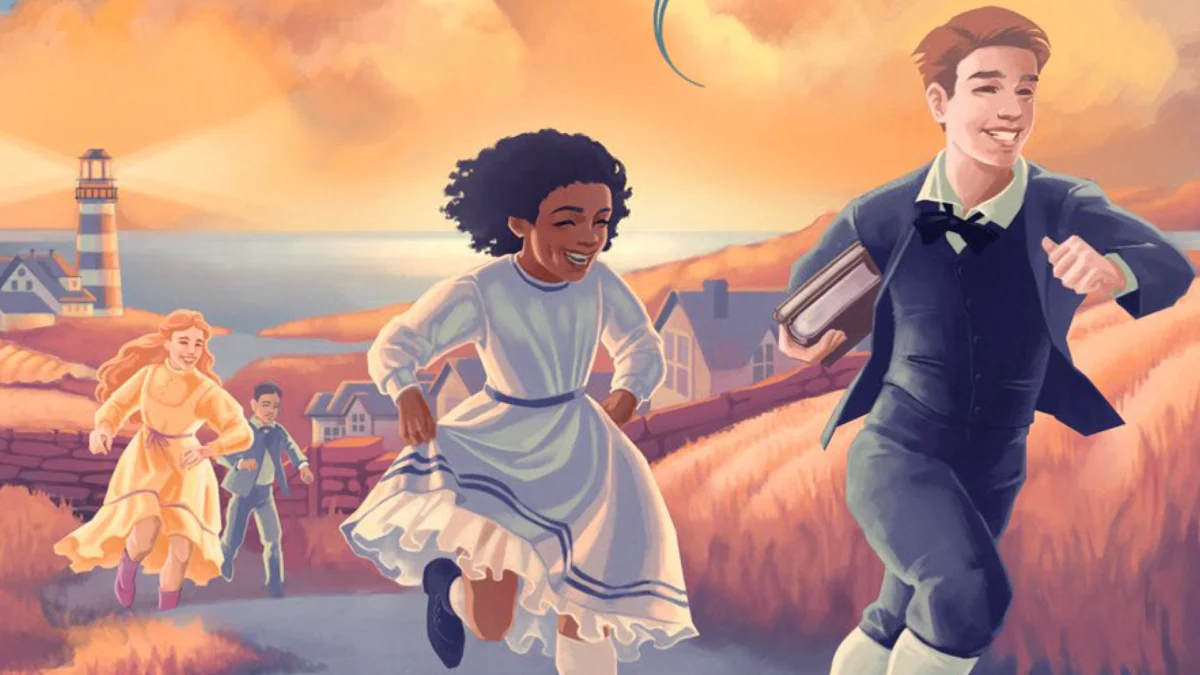
Storybrewers Roleplaying unveils a new collaborative storytelling game inspired by literary classics like Little Women and Anne of Green Gables, promising an evocative journey from childhood wonder to adult complexities within the historical backdrop of the American Gilded Age.
A compelling new tabletop roleplaying game (TTRPG) titled Castles in the Air is set to transport players to the late 19th century, offering a unique opportunity to craft deeply personal coming-of-age narratives. Developed by Storybrewers Roleplaying, the game draws profound inspiration from beloved period dramas such as Louisa May Alcott’s Little Women and Lucy Maud Montgomery’s Anne of Green Gables, inviting participants to collaboratively weave stories of growth, ambition, and the bittersweet passage of time.
This upcoming roleplaying experience will allow players to guide their characters through the transformative years of youth, from the carefree innocence of childhood through the formative challenges of adolescence, and into the intricate realities of adulthood. Set against the vibrant, yet often tumultuous, backdrop of the Gilded Age in the United States (roughly 1870s to 1890s), Castles in the Air promises a rich historical canvas for narratives exploring personal development amidst significant societal change. The game is currently seeking funding through a Kickstarter campaign, with an expected release in early 2025 for physical copies.
The Allure of the Gilded Age and Growing Pains
Castles in the Air positions itself firmly within the historical era known as the Gilded Age, a period of immense industrialization, unprecedented economic growth, and significant migration to the United States. While often remembered for its opulent displays of wealth and technological advancements, it was also an era of stark social contrasts, burgeoning class divides, and rapidly evolving cultural norms. This setting provides a fertile ground for the game’s core themes, allowing characters to experience personal growth intertwined with the broader societal shifts of the time.
The inspiration drawn from Little Women and Anne of Green Gables is not merely superficial; it delves into the thematic heart of these enduring tales. These stories, celebrated for their nuanced portrayals of sisterhood, friendship, ambition, and the challenges of carving out one’s identity, resonate deeply with the design philosophy of Castles in the Air. Greta Gerwig’s critically acclaimed 2019 film adaptation of Little Women, starring Saoirse Ronan, Emma Watson, Florence Pugh, Laura Dern, and Timothée Chalamet, along with Netflix’s 2017 television series based on Anne of Green Gables, have reintroduced these narratives to new generations, underscoring their timeless appeal and the universal nature of coming-of-age struggles and triumphs.
Players in Castles in the Air will not merely observe these changes but actively participate in them, shaping how their characters navigate the opportunities and constraints presented by their specific historical context. Whether confronting the limitations placed upon women, striving for artistic or academic recognition, or simply finding their place within their immediate community, the Gilded Age setting promises to imbue each character’s journey with a distinct sense of time and place, elevating personal narratives into a reflection of a pivotal historical epoch. The game emphasizes collaborative storytelling, where players collectively build a shared world and interconnected narratives, ensuring that individual character arcs contribute to a larger, more intricate tapestry of experiences.
From Childhood Dreams to Adult Realities: A Chronological Journey
The gameplay structure of Castles in the Air is ingeniously designed to mirror the natural progression of life, guiding characters through distinct phases of development. Players embark on their adventure as a tight-knit group of children, united by the boundless imagination and fervent hopes that characterize early youth. This initial phase focuses on developing a shared childhood, filled with the simple yet profound experiences that shape nascent personalities.
The Innocence of Childhood
In this foundational stage, player characters are typically rural and financially supported, affording them the luxury of exploration and play. The narratives here center on idyllic scenes reminiscent of classic literature: frolicking in local farmlands, swimming in serene lakes, and gazing at star-filled skies, dreaming of future possibilities. These moments are not just whimsical; they are crucial for establishing the bonds that will define the group’s future interactions. Through collaborative storytelling, players will define the specific wonders and fears of their childhood, from secret hideouts and imagined adventures to innocent anxieties and first encounters with the wider world. This period is about establishing core relationships, shared memories, and the ‘castles in the air’—the grand, often unrealistic, dreams that children harbor for their lives.
The Tumult of Adolescence
As characters transition into adolescence, the world begins to expand, and with it, the complexities of human emotion and social dynamics. This phase introduces new feelings and ideas that challenge the simplicity of childhood. Player characters might experience their first crushes, navigating the confusing landscape of budding romance and unspoken affections. Conversely, heated rivalries with other local children or even within the established friend group can emerge, testing loyalties and forcing characters to confront difficult emotions.
This period is vital for exploring identity formation. Characters begin to grapple with who they are, who they want to become, and how they fit into a society that is rapidly changing around them. The once-clear lines of childhood friendship might blur, and individual aspirations begin to diverge. The game system will likely facilitate these shifts, allowing for narrative turns that reflect the often-turbulent nature of teenage years, including moments of profound connection and painful separation.
The Realities of Adulthood
The final stage of the game brings characters to adulthood, a phase marked by both the joys of self-realization and the hardships inherent in grown-up life. As life takes different directions, the once inseparable group of friends may find themselves drifting apart. Career paths, marriage, geographic relocation, and differing life philosophies can create distances that were unimaginable in childhood. This stage explores the bittersweet reality of growing up, where dreams are either realized, reshaped, or sometimes, regretfully, abandoned.
However, the game also offers the poignant possibility of reunion. Years, or even decades, after going their separate ways, the player characters might find themselves brought back together by circumstance, shared history, or a lingering connection that transcends the passage of time. These reunions can be opportunities for reconciliation, reflection, or even the rekindling of old flames or rivalries, providing a powerful narrative conclusion to the characters’ shared journey. This chronological progression ensures a deeply immersive and emotionally resonant experience, tracing the full arc of life within a defined and evocative historical context.
Crafting Characters in a Collaborative Tapestry
Character creation in Castles in the Air is designed to be both intuitive and deeply thematic, allowing players to embody archetypes familiar from classic coming-of-age literature while also fostering unique individual identities. The game provides a rich framework for players to bring their characters to life, ensuring that each contributes meaningfully to the collaborative narrative.
Players begin by selecting from a variety of character roles, each inspired by classic archetypes that populate stories like Little Women and Anne of Green Gables. These might include:
- The Troublesome Scamp: A spirited, often mischievous character who brings chaos and excitement, perhaps reminiscent of Jo March’s rebellious streak or Anne Shirley’s imaginative mishaps.
- The Studious Bookworm: An intellectual and introspective character, finding solace and adventure within the pages of books, akin to Meg March or even a more scholarly version of Anne.
- The Spoiled Princess: A character accustomed to privilege, who must learn humility and empathy as they navigate the realities of life, perhaps embodying some of Amy March’s initial traits.
- Other archetypes could include the quiet observer, the aspiring artist, the natural leader, or the gentle caregiver, each offering a distinct starting point for personality and narrative potential.
Beyond these archetypes, players further flesh out their characters by defining several key elements:
- A Dream: This is a core aspiration that fuels the character’s journey, whether it’s becoming a renowned writer, an adventurous explorer, a loving homemaker, or a successful entrepreneur. This dream serves as a guiding star, evolving and challenging the character throughout the game.
- Childhood Relationships: Players establish their character’s initial connections within the tightly knit group, defining their bond with each other player character. Are they best friends, siblings, cousins, or even friendly rivals? These early relationships are the bedrock upon which the entire narrative is built.
- A Family Background: This provides crucial context for the character’s social standing, values, and initial opportunities or limitations within the Gilded Age setting. Are they from a wealthy industrialist family, a struggling farm, or an immigrant household?
- A Bosom Enemy: A rival or adversary, perhaps a local child from a different social class, a competitive schoolmate, or even a misunderstanding within the friend group. This provides external conflict and helps to define the character’s struggles and triumphs.
This structured yet flexible character creation system allows players to not only inhabit these archetypes but also to infuse them with personal touches, making it entirely possible to create characters that directly echo beloved figures from Little Women or Anne of Green Gables. The collaborative nature of the game means that these individual character choices interweave, creating a dynamic web of relationships and conflicts that drive the overarching story. As characters grow and change, their dreams might shift, their relationships deepen or strain, and their perception of their enemies might evolve, reflecting the complex journey of self-discovery central to Castles in the Air.
The Literary Lineage: Inspirations and Echoes
The explicit inspiration for Castles in the Air from Little Women and Anne of Green Gables is a cornerstone of its appeal, immediately signaling its thematic depth and narrative style. These literary giants represent the pinnacle of the coming-of-age genre, particularly within a historical, often pastoral or semi-rural, setting.
-
Little Women (Louisa May Alcott): Published in 1868, this novel chronicles the lives of the four March sisters—Meg, Jo, Beth, and Amy—as they grow from childhood into womanhood during the American Civil War era. Its enduring appeal lies in its exploration of sisterhood, individual ambition (especially Jo’s desire to be a writer), societal expectations for women, financial struggles, and the warmth of family bonds. The game’s emphasis on tight-knit groups, individual dreams, and the eventual diverging paths of friends strongly echoes the March sisters’ journeys. The "troublesome scamp" archetype clearly references Jo, while the "spoiled princess" mirrors Amy’s early character. The setting, just before and during the Gilded Age, also perfectly aligns with the game’s chosen historical period.
-
Anne of Green Gables (Lucy Maud Montgomery): First published in 1908, this Canadian classic tells the story of Anne Shirley, an imaginative and spirited orphan girl who is mistakenly sent to live with an elderly brother and sister on Prince Edward Island. Anne’s story is a profound exploration of identity, belonging, friendship (especially with Diana Barry), academic ambition, and the power of imagination. Her dramatic flair, penchant for poetic language, and occasional mishaps resonate with the game’s blend of wonder and minor tribulations in childhood. The "studious bookworm" and the "scamp" archetypes find clear parallels in Anne’s character, while the focus on rural life and strong community ties is also a direct influence.
Beyond these specific works, Castles in the Air taps into the broader appeal of the coming-of-age genre. This genre, whether in literature, film, or now TTRPGs, holds a universal fascination because it explores fundamental human experiences: the transition from innocence to experience, the search for identity, the formation of lasting relationships, and the negotiation of personal desires with external realities. These narratives often feature:
- Strong Character Arcs: Protagonists undergo significant internal and external changes.
- Emphasis on Relationships: Friendships, family bonds, and nascent romances are central to the story.
- Exploration of Morality and Values: Characters face ethical dilemmas and learn life lessons.
- Nostalgia and Idealism: A longing for simpler times mixed with the optimism of youth.
By explicitly drawing from these well-loved sources, Castles in the Air provides players with a familiar narrative framework while offering the unique agency of collaborative roleplaying. It allows participants to not only re-enact cherished moments but also to explore "what if" scenarios, create new characters within these beloved tropes, and forge their own unique narratives that stand alongside their literary inspirations. This approach makes the game particularly appealing to those who cherish the emotional depth and character-driven storytelling of classic period dramas.
Storybrewers Roleplaying: A Legacy of Narrative Excellence
The publisher behind Castles in the in the Air, Storybrewers Roleplaying, has established a notable reputation within the independent TTRPG scene for its commitment to narrative-focused games that often draw from literary traditions. Co-founded by Vee Hendro and Hayley Gordon, Storybrewers Roleplaying has carved a niche for itself by creating games that prioritize collaborative storytelling, character development, and evocative settings over traditional combat or complex rule systems.
Their previous critically acclaimed title, Good Society, serves as a prime example of their design philosophy. Good Society is a tabletop RPG inspired by the works of Jane Austen, immersing players in the intricate social dances, romantic entanglements, and subtle dramas of Regency England. Its success demonstrated Storybrewers Roleplaying’s ability to translate the nuanced social dynamics and character-driven plots of literary classics into engaging TTRPG experiences. The game requires players to navigate societal expectations, manage reputations, and pursue personal desires within a highly structured social environment, much like Austen’s heroines.
The experience gained from Good Society is clearly evident in the conceptualization of Castles in the Air. Both games share a focus on:

- Period Settings: Richly detailed historical backdrops that inform character motivations and plotlines.
- Relationship-Driven Gameplay: The core of the narrative emerges from the interactions and evolving bonds between characters.
- Collaborative Storytelling: Empowering players to co-create the narrative, rather than relying solely on a single Game Master.
- Emotional Depth: Encouraging players to explore complex emotions, personal growth, and the bittersweet aspects of life.
The lead designer and writer for Castles in the Air is Melia Carraway, with significant contributions from Storybrewers Roleplaying co-founders Vee Hendro and Hayley Gordon. This collaborative design approach, leveraging the collective expertise of a team known for crafting emotionally resonant and historically informed TTRPGs, instills confidence in the game’s potential.
The Vision Behind the Game
While direct quotes from the designers are not provided in the initial announcement, the established track record of Storybrewers Roleplaying and the detailed description of Castles in the Air allow for an inference of their collective vision. It is evident that Melia Carraway, Vee Hendro, and Hayley Gordon aim to create more than just a game; they seek to offer a powerful narrative tool that allows players to:
- Explore Universal Themes: To delve into the timeless experience of growing up, confronting identity, and navigating changing relationships, themes that resonate across cultures and generations.
- Embody Literary Archetypes: To give players the agency to step into the shoes of characters akin to those they have admired in classic literature, offering a unique blend of familiarity and creative freedom.
- Craft Personal Histories: To build a shared history for a group of characters, allowing for a deep emotional investment as they witness their creations evolve from innocent children to complex adults.
- Promote Empathy and Reflection: By experiencing the highs and lows of a character’s life within a specific historical context, players are encouraged to reflect on their own journeys and the broader human experience.
- Expand the TTRPG Horizon: To continue demonstrating that the TTRPG medium is capable of supporting diverse genres beyond traditional fantasy and sci-fi, appealing to a wider audience interested in narrative depth and character-driven drama.
This vision underscores Storybrewers Roleplaying’s commitment to pushing the boundaries of what TTRPGs can achieve, transforming passive consumption of literary narratives into active, shared creation.
Crowdfunding the Dream: Supporting Independent TTRPGs
Castles in the Air is currently running a crowdfunding campaign on Kickstarter, a platform that has become indispensable for independent TTRPG developers seeking to bring their creative visions to life. The campaign is set to conclude on June 9th, offering backers various tiers to support the game’s development and secure their copy.
Kickstarter campaigns play a crucial role in the indie TTRPG ecosystem, allowing creators to gauge interest, secure initial funding for production costs (artwork, layout, editing, printing), and build a community around their projects before release. For games like Castles in the Air, which cater to a specific thematic niche, crowdfunding is often the most viable path to market.
The pledge tiers for Castles in the Air are structured to accommodate different levels of support and player preferences:
- Digital Version: For a pledge of AU$34 (approximately £18 or $26 USD), backers will receive a digital copy of the game. This option is ideal for players who prefer digital formats, want to save on shipping, or wish to access the game as soon as possible after its completion.
- Physical Copy: A pledge of AU$99 (approximately £52 or $77 USD) secures a physical copy of the game, expected to be delivered in March 2025. This tier appeals to collectors and those who prefer the tactile experience of a physical rulebook. The projected delivery date of March 2025 is typical for TTRPG Kickstarters, allowing ample time for final development, printing, and distribution after the campaign concludes.
The success of the Kickstarter campaign will not only fund the game’s production but also allow Storybrewers Roleplaying to potentially expand its scope, perhaps adding stretch goals for additional content, artwork, or supplementary materials. Supporting such campaigns is a direct way for players to foster innovation and diversity within the TTRPG community, empowering creators to explore new genres and narrative styles that might not find a home with larger, more commercially focused publishers.
For those interested in the actual gameplay and atmosphere, Storybrewers Roleplaying has also released an "actual play" video titled "A Golden Dawn – Castles in the Air Actual Play – Part 1/3" on YouTube. This video provides a valuable glimpse into how the game unfolds, showcasing the collaborative storytelling, character interactions, and the evocative tone that players can expect from Castles in the Air. Watching an actual play session can be an excellent way for prospective backers to understand the game’s mechanics and narrative flow before committing to a pledge.
Implications for the TTRPG Landscape
The emergence of Castles in the Air signifies a continuing and welcome diversification within the tabletop roleplaying game landscape. For years, the TTRPG market has been largely dominated by high-fantasy settings (like Dungeons & Dragons) and science fiction, with a strong emphasis on combat and tactical gameplay. However, in recent years, there has been a significant rise in narrative-focused, genre-specific games that explore a broader spectrum of themes and historical periods.
Castles in the Air contributes to this trend by offering:
- A Niche, Yet Potentially Broad Appeal: While "coming-of-age Gilded Age drama" might sound specific, the universal themes of growth, friendship, and self-discovery appeal to a wide audience, including those who may not typically engage with TTRPGs. Fans of historical fiction, literary classics, and character-driven narratives are prime candidates for this game.
- An Entry Point for New Players: The game’s emphasis on collaborative storytelling and character relationships, rather than complex combat rules or extensive world lore, could make it a highly accessible entry point for newcomers to the TTRPG hobby. Its literary inspiration might also draw in individuals who are already readers but are new to gaming.
- A Fresh Experience for Veterans: For seasoned TTRPG players, Castles in the Air offers a refreshing change of pace from traditional dungeon crawls or epic space operas. It challenges players to engage with different kinds of stakes—emotional, social, and personal—and to hone their collaborative narrative skills.
- Validation of Thematic Depth: The game reinforces the idea that TTRPGs are a powerful medium for exploring profound human experiences and historical contexts, moving beyond mere escapism to offer meaningful narrative engagement. It demonstrates that the medium can handle nuanced character development and long-form storytelling that evolves over fictional decades.
- Showcasing Independent Talent: As an indie project from Storybrewers Roleplaying, Castles in the Air highlights the vibrant creativity and innovation flourishing outside of mainstream publishing houses. It exemplifies how crowdfunding platforms empower smaller studios to bring unique visions to fruition.
In essence, Castles in the Air is more than just a new game; it is a testament to the evolving nature of the TTRPG hobby. It champions narrative richness, emotional resonance, and historical immersion, carving out a space for stories that are deeply personal and profoundly human. Its success could further encourage designers to explore unconventional genres and themes, enriching the entire TTRPG landscape for years to come.
As the Kickstarter campaign for Castles in the Air approaches its conclusion, the anticipation within the TTRPG community continues to build. This game promises not only a journey through a fascinating historical era but also a deeply personal exploration of the universal experience of growing up, making it a compelling addition to the ever-expanding world of tabletop roleplaying.