Chaos in the Cul-de-Sac: Jon Lucas and Scott Moore Return with High-Octane Comedy ‘Spa Weekend’
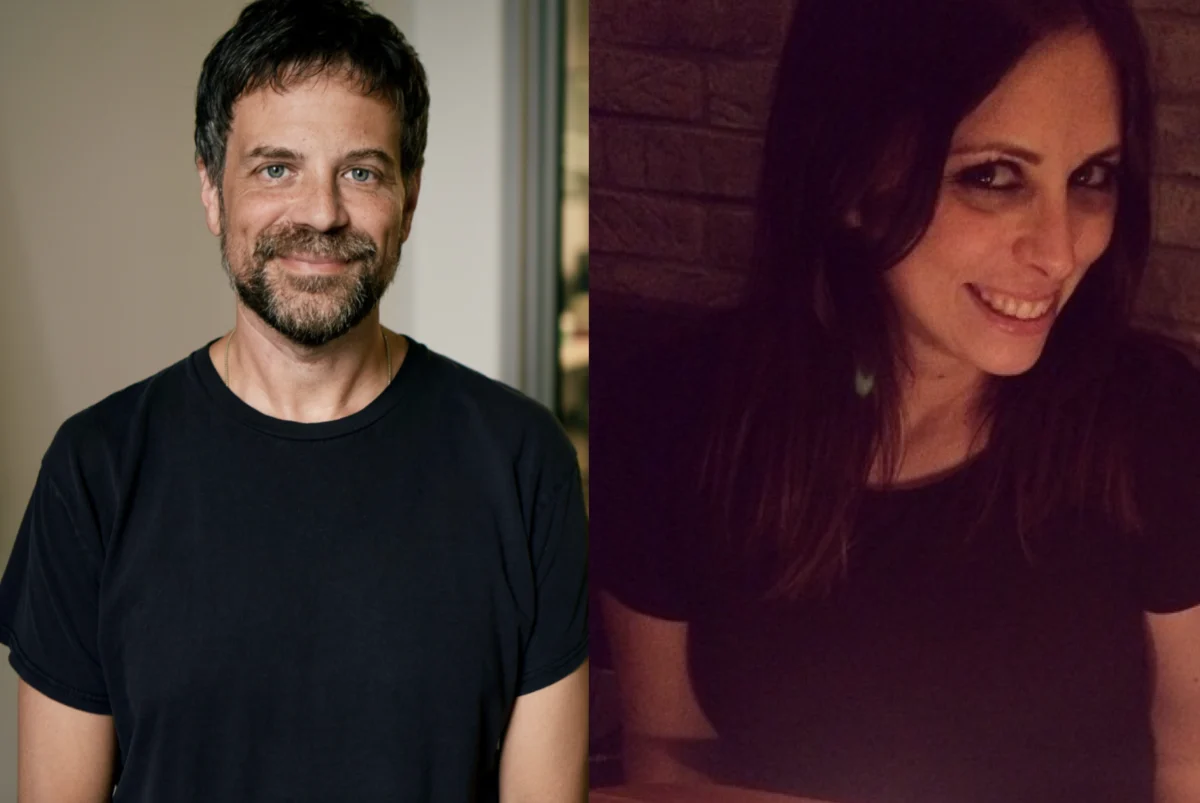
The landscape of the American "raunchy comedy" has undergone significant shifts over the last decade, moving from the male-centric debauchery of the early 2000s to a more inclusive, though no less chaotic, exploration of adulthood. At the forefront of this evolution are Jon Lucas and Scott Moore, the writing duo behind the cultural phenomenon The Hangover and the directorial force behind the Bad Moms franchise. Their latest effort, Spa Weekend, attempts to bottle that same lightning, blending high-stakes hijinks with the sobering realities of middle-aged womanhood.
Distributed by Black Bear and set for a theatrical release on Friday, August 21, Spa Weekend brings together a powerhouse quartet of comedic veterans: Leslie Mann, Isla Fisher, Michelle Buteau, and Anna Faris. However, as the film prepares to hit the big screen, critics are weighing the film’s undeniable star power against a script that frequently threatens to veer off the rails.
Main Facts: A Luxury Retreat Turned Combat Zone
Spa Weekend follows four lifelong friends who attempt to escape the pressures of their daily lives for a 48-hour luxury retreat. The premise is a staple of the Lucas and Moore playbook: take a group of relatable characters, place them in an aspirational setting, and introduce a catalyst that triggers a total breakdown of social decorum.
The film stars Leslie Mann as Jane, a high-strung workaholic; Anna Faris as Sophie, a submissive assistant to a tyrannical boss; and Michelle Buteau as Coco, a woman navigating a volatile divorce. The trio plans a "Mel-free" birthday weekend for Jane, deliberately excluding their fourth friend, Mel (Isla Fisher), whose unpredictable behavior has become a source of group exhaustion. The conflict ignites when Sophie, acting on a guilt-ridden impulse, invites Mel anyway.
Critics have noted that the film exists in a heightened reality where logic often takes a backseat to the gag. Despite being set near Los Angeles, the production was filmed in Queensland, Australia. This leads to a surreal viewing experience where background actors and minor characters possess distinct Australian accents that go entirely unacknowledged by the American protagonists. Furthermore, the film’s "luxury" setting remains strangely detached from its environment; though situated on a stunning coastline, the characters never once interact with the ocean, focusing instead on the internal "mayhem" of the resort.
Chronology: From Middle School Bonds to Mid-Life Meltdowns
The narrative structure of Spa Weekend is built on the foundation of a shared history, though the film moves at a breakneck pace that leaves little room for deep exposition.
The Prologue: Amber-Frozen Personalities
The film opens with a voiceover narrated by Leslie Mann’s character, Jane. Through a montage of nostalgic clips, the audience is introduced to the group’s origin story in middle school. The script suggests that the roles these women play today were "sealed in amber" during their adolescence. Jane was the achiever, Sophie the peacemaker, Coco the firebrand, and Mel the "wild child." This chronological shortcut allows the film to dive straight into the present-day action, though it leaves several questions unanswered—most notably, the exact point at which Mel transitioned from a beloved friend to the group’s "punching bag."
The Arrival: The Catalyst of Chaos
The first act establishes the "necessary luxury" of the trip. Jane is drowning in professional commitments, and her friends believe a spa is the only cure. The peace is shattered within minutes of their arrival at the resort when Mel appears, turning a weekend of mud baths into a series of escalating disasters.
The Escalation: The 97-Minute Spiral
Once the quartet is reunited, the film follows a rapid-fire sequence of comedic set pieces. Mel’s presence acts as a wrecking ball:
- The Yoga Incident: Mel attempts to "help" Jane by aggressively propositioning their handsome instructor, Kai (Adam Demos).
- The Professional Sabotage: In an attempt to "stand up" for Sophie, Mel berates Sophie’s boss over the phone, resulting in Sophie’s immediate termination.
- The Ex-Husband Scheme: Mel orchestrates a surprise appearance by Coco’s ex-husband, Roger (Dominic Ona-Ariki), under the mistaken belief that a "revenge hookup" will solve Coco’s divorce-related rage.
The Climax: The Lobby Brawl
The tension culminates in a full-scale physical brawl between the four women in the middle of the resort’s luxury lobby. In a quintessential Lucas and Moore touch, the fight is performed in front of stone-faced background actors who remain entirely indifferent to the violence, emphasizing the film’s commitment to "chaotic comedy" over realism.
Supporting Data: Production and Character Archetypes
At a slim 97-minute runtime, Spa Weekend relies heavily on archetypal characterizations to keep the plot moving. While this allows for a steady clip of jokes, it often results in "yawning gaps" in character development.

| Character | Archetype | Defining Conflict | Missing Context |
|---|---|---|---|
| Jane (Leslie Mann) | The Workaholic | Over-commitment and burnout | Her never-mentioned ex-husband |
| Sophie (Anna Faris) | The Doormat | Abuse by her boss | Her unseen husband and son |
| Mel (Isla Fisher) | The Wild Child | Neuroses and impulsivity | Deeper psychological motivations |
| Coco (Michelle Buteau) | The Firebrand | Profound rage and messy divorce | Specifics of her marital collapse |
Filming and Logistics
The choice to film in Queensland, Australia, provided the production with a visually stunning backdrop, but it created a jarring geographical dissonance for viewers familiar with the California coast. Industry analysts suggest the move was likely driven by Australian film tax incentives, a common practice in modern mid-budget comedies. However, the lack of "accent ADR" (Automated Dialogue Replacement) or script adjustments to explain the Australian setting has become a talking point for critics.
Official Responses and Creative Vision
While the film has received a mixed critical reception—earning a "C" grade from several major outlets—the creative team has remained steadfast in their approach to the material.
The Directors’ Stance
Jon Lucas and Scott Moore have long defended their "wacky set piece" formula. In past interviews regarding the Bad Moms series, the duo emphasized that their goal is to provide "catharsis through exaggeration." They argue that by pushing female characters to the brink of socially unacceptable behavior (snorting cocaine, stealing golf carts, fighting in public), they are commenting on the impossible standards of "having it all" in the modern era.
The Cast’s Perspective
The lead actresses have been praised for their commitment to the roles. Isla Fisher, in particular, has been singled out for her ability to make a "completely annoying" character "totally winning." Sources close to the production indicate that much of the chemistry between the four leads was organic, with significant room left for improvisation during the "goat yoga" and "stripper" sequences.
Studio Strategy
Black Bear’s decision to release the film in late August suggests a strategy to capture the "end-of-summer" adult audience. By positioning Spa Weekend as a counter-programmer to the season’s final blockbusters, the studio hopes to replicate the sleeper-hit success of Bad Moms, which grossed over $180 million worldwide against a modest budget.
Implications: The Future of the Raunchy Female Comedy
The release of Spa Weekend carries several implications for the film industry and the careers of its stars.
1. The "Therapy-Comedy" Hybrid
The film highlights a growing trend in comedy where "raucous laughs" are interspersed with "genuine heartfelt ruminations" and "therapy talk." While this aims to add depth, critics argue it creates an "uneasy watch" that ping-pongs between moods. The success or failure of Spa Weekend may dictate whether future comedies continue to lean into this "Big! Dramatic! Storyline!" approach or return to more straightforward gag-based structures.
2. Star Power vs. Script Quality
The consensus remains that the central foursome—Mann, Fisher, Buteau, and Faris—are "wonderfully watchable" and "genuinely hilarious together." The film serves as a reminder that a talented cast can hold a project together even when the script "goes worryingly off the rails." However, it also raises the question of how long "star power" can sustain a genre that is increasingly criticized for being formulaic.
3. The Mid-Budget Theatrical Window
As more comedies head straight to streaming platforms like Netflix or Max, Spa Weekend’s theatrical release is a litmus test for the viability of the mid-budget R-rated comedy in cinemas. If the film finds an audience, it could encourage studios to continue investing in theatrical runs for character-driven comedies rather than relegating them to digital libraries.
In conclusion, Spa Weekend is a film of contradictions. It is a luxury retreat where no one swims, an American story where everyone sounds Australian, and a "relaxing" vacation defined by physical assault and narcotics. While it may not reach the heights of The Hangover, it offers a specific brand of mayhem that fans of Lucas and Moore have come to expect. Whether that mayhem is worth the price of admission will depend entirely on the viewer’s tolerance for chaos.