Chauncey Thomas: A Legacy Forged in Steel and Imagination

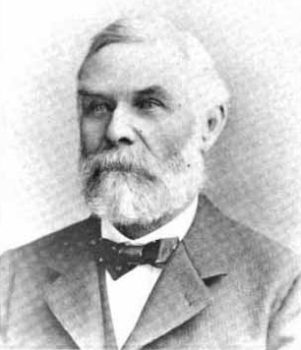
BOSTON, MA – In an era defined by rapid industrialization and burgeoning American ingenuity, few figures encapsulate the spirit of innovation and perseverance quite like Chauncey Thomas. Born in the quiet agrarian community of Maxfield, Maine, in 1822, Thomas rose from a modest farm upbringing to become a preeminent carriage manufacturer, a prolific inventor holding 24 patents, a founding father of a national industry association, and, perhaps most surprisingly, a visionary author of an early science fiction novel. His life story is a testament to the transformative power of dedication, intellectual curiosity, and an unwavering commitment to craftsmanship, charting a course through the 19th century’s technological revolution and leaving an indelible mark on American manufacturing and beyond.
Main Facts: An Architect of American Industry
Chauncey Thomas’s journey from a farmer’s son to an industrial titan is a narrative deeply embedded in the fabric of American progress. His career, spanning over five decades, saw him at the forefront of the carriage-making industry, an enterprise that was crucial to transportation and commerce before the advent of the automobile.
Born on May 1, 1822, to Prince and Mary (née Webb) Thomas, Chauncey’s lineage traced back to the foundational Plymouth Colony settlers, a heritage that perhaps instilled in him an early sense of purpose and resilience. His formal education was intermittent, largely supplanted by the demanding routines of farm life. However, a pivotal apprenticeship at age 15 with Whiton & Badger, a chaise carriage maker in Bangor, Maine, ignited his passion for mechanical design and precision craftsmanship. This rigorous training, often involving 12-hour days for meager compensation, laid the groundwork for his future successes.
Thomas’s professional trajectory saw him ascend from a draftsman at Slade & Whiton in Boston, where he honed his skills in both woodworking and blacksmithing designs, to an independent entrepreneur. A severe knee injury that forced a two-year hiatus from manual labor inadvertently became a period of intense intellectual growth, as he immersed himself in astronomy, advanced mathematics, and surveying – subjects far removed from his daily trade but indicative of his expansive mind.
Upon his return to the workforce in 1851, he co-founded Nichols & Thomas in West Newbury, Massachusetts, a partnership that quickly gained renown for its high-quality carriages and innovative designs, earning numerous industry awards. This period also marked significant personal milestones, including his marriage to Mary Jane Pilsbury Nichols, his business partner’s younger sister, in 1854, and the birth of their three children.
Thomas’s inventive spirit was prodigious, evidenced by the 24 patents awarded to him between 1857 and 1899. A notable early achievement was Patent 20102 for a mill for grinding paint, which earned him a coveted feature on the cover of Scientific American in October 1858. After the dissolution of Nichols & Thomas in 1862, he established Chauncey Thomas & Co., a firm that continued to produce quality carriages for over half a century, eventually adapting to manufacture chassis for the nascent automobile industry.
Beyond his direct manufacturing contributions, Thomas was a staunch advocate for industry-wide advancement and education. In 1872, he became a co-founder of the Carriage Builder’s National Association, an influential organization instrumental in establishing the Technical School for Carriage Draughtsman and Mechanics in Manhattan, ensuring the perpetuation of skilled craftsmanship.
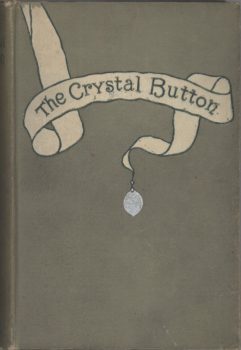
Perhaps the most unexpected facet of Thomas’s legacy is his singular foray into literature: The Crystal Button; or, Adventures of Paul Prognosis in the Forty-Ninth Century. Though written around 1871, this speculative novel, offering a glimpse into a utopian future, was not published by Houghton Mifflin until 1891, positioning Thomas as a curious, if obscure, contributor to the early canon of science fiction.
Chauncey Thomas passed away on November 8, 1898, in Roxbury, Massachusetts, from angina pectoris, leaving behind a profound legacy of innovation, entrepreneurship, and intellectual curiosity. He is interred in Forest Hills Cemetery and Crematory in Jamaica Plain, Massachusetts, his resting place a quiet testament to a life of remarkable achievement.
Chronology: A Life of Innovation and Vision
The life of Chauncey Thomas unfolds as a meticulously crafted timeline of ambition, adaptation, and enduring impact.
Early Life and Formative Years (1822-1844)
Chauncey Thomas was born on May 1, 1822, in Maxfield, Maine, to Prince and Mary (Née Webb) Thomas. His parents’ lineage traced back to early settlers of the Plymouth Colony, a historical connection that would have imbued his upbringing with a sense of American heritage. His childhood was characterized by the demands of rural life, spent largely assisting on his father’s farm. This practical, hands-on experience, while limiting formal schooling, likely fostered a pragmatic approach to problem-solving. At the age of 15, in 1837, Thomas embarked on a pivotal apprenticeship with Whiton & Badger, a respected chaise carriage maker in Bangor, Maine. This seven-year commitment was arduous, requiring him to work 12 hours a day in exchange for board, clothing, and only occasional monetary payments of a dollar. Crucially, the apprenticeship also included a term at the Apprentices’ School in Bangor, providing him with foundational technical education that complemented his practical training.
Professional Ascent in Boston (1844-1851)
In 1844, having completed his apprenticeship and impressed his mentors, Thomas secured a significant position at Slade & Whiton, a well-established Boston firm with roots dating back to 1813. Here, his talents blossomed. He was initially tasked with creating detailed drawings for both the woodworking and blacksmithing departments, mastering the intricacies of carriage construction from various perspectives. His skills extended to producing renderings of finished products for clients, a role that demanded both artistic flair and precise technical understanding. Eventually, his proficiency led to his placement in charge of the construction of carriage bodies, a position of considerable responsibility requiring leadership and comprehensive manufacturing knowledge.
A Period of Intellectual Reflection (c. 1849-1851)
This promising trajectory was temporarily interrupted by a severe knee injury, which necessitated a nearly two-year period of recuperation at home. Far from being a period of idleness, this forced respite became a crucible for intellectual exploration. Unable to engage in physical labor, Thomas dedicated himself to rigorous self-study, delving into advanced mathematics, astronomy, and surveying. This period not only broadened his intellectual horizons but also honed his analytical and problem-solving skills, which would prove invaluable in his future inventive endeavors.
Partnership, Marriage, and Early Innovations (1851-1862)
In 1851, fully recovered and enriched by his studies, Thomas moved to West Newbury, Massachusetts, marking a new chapter in his professional and personal life. He entered into a partnership with Daniel P. Nichols, forming Nichols & Thomas. The firm quickly gained a reputation for manufacturing high-quality carriages, earning several industry awards for their craftsmanship and innovative designs. Living with the Nichols family, Chauncey met and fell in love with Daniel’s younger sister, Mary Jane Pilsbury Nichols, whom he married in 1854. The couple had three children: Mary Evelyn Thomas, Helen Nichols Thomas, and Chauncey Cussing Thomas, though tragically, their son passed away at the age of 22.
This period was also marked by Thomas’s emergence as a significant inventor. On April 27, 1858, he was awarded Patent 20102 for a mill designed for grinding paint, a testament to his practical ingenuity aimed at improving industrial processes. The significance of this invention was underscored by its feature on the cover of Scientific American in October of that same year, bringing national recognition to Thomas’s inventive prowess. Nichols & Thomas continued to secure other patents related to carriage manufacturing, reflecting their commitment to continuous improvement and innovation within their field. However, by 1862, the partnership concluded, and the two men amicably went their separate ways.
Establishing an Enduring Legacy (1862-1898)
The year 1862 saw the founding of Chauncey Thomas & Co., carriage makers. Under Thomas’s sole leadership, the company solidified its reputation for producing exceptionally high-quality carriages. This enterprise thrived for more than fifty years, a remarkable feat of longevity and adaptability. As the 19th century drew to a close and the automotive age dawned, Chauncey Thomas & Co. demonstrated prescience by transitioning to manufacture chassis for the emerging automobile industry, showcasing Thomas’s foresight and ability to adapt to changing technological landscapes.
Beyond his own company, Thomas played a crucial role in shaping the broader industry. In 1872, he was among the visionary founders of the Carriage Builder’s National Association (CBNA). This influential organization aimed to elevate industry standards, foster collaboration, and promote education. A key initiative of the CBNA was the establishment of the Technical School for Carriage Draughtsman and Mechanics in Manhattan, a vital institution for training the next generation of skilled professionals and ensuring the continuity of the craft.
In a surprising turn, Thomas also made his sole foray into genre fiction during this time. His novel, The Crystal Button; or, Adventures of Paul Prognosis in the Forty-Ninth Century, appears to have been written around 1871. This utopian science fiction work, a speculative vision of a technologically advanced future, was eventually published by the prestigious Houghton Mifflin in 1891, adding an unexpected literary dimension to his multifaceted career.
Chauncey Thomas’s remarkable life concluded on November 8, 1898, when he passed away from angina pectoris in Roxbury, Massachusetts, at the age of 76. He was laid to rest in Forest Hills Cemetery and Crematory in Jamaica Plain, Massachusetts. By the time of his death, he had been awarded an impressive total of 24 patents, spanning from 1857 to 1899, a testament to his lifelong commitment to innovation and practical invention.
Supporting Data: Contextualizing an Inventor’s Impact
Chauncey Thomas’s achievements are best understood within the vibrant, rapidly evolving industrial landscape of 19th-century America. His career coincided with a period of immense technological advancement, where skilled craftsmanship, engineering acumen, and entrepreneurial spirit converged to drive national progress.
The Carriage Industry: The Backbone of 19th-Century Transport
Before the widespread adoption of the automobile, carriages were indispensable. They served as the primary mode of personal and commercial transportation, signifying both utility and status. The industry was a significant economic force, employing thousands of skilled artisans – woodworkers, blacksmiths, painters, upholsterers, and designers. Firms like Whiton & Badger, Slade & Whiton, and later Nichols & Thomas and Chauncey Thomas & Co., were vital economic engines, supporting local communities and contributing to regional commerce.
Thomas’s commitment to "quality carriages" was not merely a marketing slogan; it reflected a dedication to durable materials, meticulous construction, and elegant design that ensured safety, comfort, and longevity for his customers. The numerous awards garnered by Nichols & Thomas underscored their reputation for excellence in a competitive market.
The Prolific Inventor: Beyond the Paint Mill
Thomas’s 24 patents speak volumes about his inventive mind. While the article highlights Patent 20102 for a paint mill, its significance lies in its reflection of a broader trend: the mechanization and optimization of industrial processes. A mill for grinding paint would have improved efficiency, consistency, and possibly the quality of finishes applied to carriages, directly impacting the final product’s aesthetic and durability. This innovation likely streamlined production, reduced labor, and enhanced the overall quality of carriage manufacturing.
The other patents, though not detailed, would undoubtedly have addressed various aspects of carriage construction and design, from chassis improvements and suspension systems to aesthetic elements and manufacturing techniques. These patents illustrate Thomas’s continuous pursuit of innovation, seeking incremental and sometimes significant improvements to enhance the functionality, safety, and market appeal of his products. His ability to secure patents even after his death (up to 1899) suggests a backlog of applications, further demonstrating his relentless inventive drive.
The Crystal Button: A Glimpse into Early Science Fiction
Thomas’s foray into literature with The Crystal Button places him in a unique position. The late 19th century was a nascent period for science fiction, often characterized by utopian or dystopian visions, social commentary, and technological speculation. Authors like H.G. Wells and Jules Verne were gaining prominence, but many lesser-known works explored similar themes.
The Crystal Button (with its subtitle, Adventures of Paul Prognosis in the Forty-Ninth Century) clearly falls into the utopian subgenre. Such novels typically presented idealized societies of the future, often as a critique of contemporary social ills or as an optimistic projection of human progress driven by technology and enlightened governance. For a practical industrialist like Thomas to engage in such speculative fiction is intriguing. It suggests a mind not only concerned with the tangible mechanics of his trade but also deeply reflective of societal trajectory, the potential of human innovation, and the ethical implications of technological advancement. His background as an inventor and a leader in a dynamic industry would have provided him with a unique perspective on progress and its potential future manifestations. The fact that Houghton Mifflin, a major publisher, picked it up, albeit two decades after its apparent writing, lends credibility to its literary merit and the relevance of its themes.
Industrial Leadership and Education: The CBNA
Thomas’s role as a co-founder of the Carriage Builder’s National Association (CBNA) in 1872 highlights his commitment to the collective advancement of his industry. Such associations were crucial in the 19th century for standardizing practices, advocating for common interests, and fostering innovation through shared knowledge. The CBNA’s establishment of the Technical School for Carriage Draughtsman and Mechanics in Manhattan was a particularly far-sighted initiative. It recognized the critical need for formal education in an era where apprenticeships, while valuable, could be inconsistent. By professionalizing the training of designers and mechanics, Thomas and his peers ensured a pipeline of skilled labor, critical for the industry’s sustained growth and ability to adapt to new challenges and technologies. This commitment to education underscores a broader vision for industrial excellence that extended beyond his own commercial interests.
Official Responses: Recognition and Industry Acclaim
While Chauncey Thomas’s life predates modern "official responses" in the journalistic sense, his achievements were met with significant recognition from his peers, the scientific community, and the broader industry.
Scientific American Feature
The most direct "official response" to Thomas’s inventive genius was his feature on the cover of Scientific American in October 1858, following the award of Patent 20102 for his paint grinding mill. Scientific American was, and remains, a leading publication dedicated to chronicling scientific and technological advancements. A cover feature in such a prestigious journal represented a high honor, signifying that Thomas’s invention was considered groundbreaking and impactful enough to merit national attention and inform the industrial community. This was not merely an endorsement but a public declaration of his inventive prowess, elevating his standing beyond that of a mere craftsman to a recognized innovator.
Industry Awards and Association Leadership
The statement that Nichols & Thomas "won several awards" for their quality carriages serves as an "official response" from the industry itself. In competitive markets, such awards are granted by expert panels, trade organizations, or at major exhibitions (like state fairs or industrial expositions), signifying peer recognition for superior craftsmanship, design, and durability. These accolades were crucial for establishing a firm’s reputation and attracting clientele in a highly competitive market.
Furthermore, Thomas’s co-founding of the Carriage Builder’s National Association and his leadership within it constitute a powerful "official response" from his industry. His peers clearly recognized his vision and leadership qualities, entrusting him with the responsibility of shaping the future of carriage manufacturing. His instrumental role in establishing the Technical School for Carriage Draughtsman and Mechanics is another testament to the high regard in which he was held, as it demonstrated confidence in his ability to guide critical educational initiatives for the entire industry.
Literary Reception (Implied)
While specific critical reviews of The Crystal Button are not provided, its publication by Houghton Mifflin, a reputable and enduring publishing house, suggests a certain level of editorial approval and belief in the novel’s quality or relevance. For a work by a non-professional author to be picked up by such a firm implies it possessed merit in content, style, or thematic importance, even if it didn’t achieve widespread commercial success. This can be interpreted as an "official response" from the literary world, validating his unexpected venture into fiction.
Implications: A Lasting Legacy of Adaptability and Vision
Chauncey Thomas’s life and career hold several significant implications that resonate far beyond his immediate era, offering insights into the nature of American industry, innovation, and intellectual curiosity.
The Spirit of American Ingenuity
Thomas epitomizes the spirit of 19th-century American ingenuity. His journey from an agrarian background to a sophisticated industrialist and inventor reflects the era’s boundless opportunities for those with talent, drive, and a willingness to learn. His ability to identify problems, conceive solutions, and translate them into tangible, patentable inventions underscores the practical, problem-solving ethos that fueled America’s industrial revolution. His 24 patents are not just numbers; they represent tangible contributions to efficiency, quality, and progress in a vital industry.
Adaptability in a Changing World
One of the most crucial implications of Thomas’s career is his remarkable adaptability. His company’s transition from manufacturing horse-drawn carriages to producing chassis for automobiles demonstrates an astute understanding of technological shifts and market demands. This foresight allowed Chauncey Thomas & Co. to survive and thrive beyond the peak of the carriage era, illustrating a model for industrial resilience and innovation that remains relevant for businesses today facing disruptive technologies. His readiness to embrace the new, even as his core business was rooted in the old, marks him as a truly forward-thinking entrepreneur.
The Renaissance Man of Industry
Thomas’s intellectual pursuits beyond his primary trade – his self-study in astronomy, mathematics, and surveying during his recuperation, and his authorship of a science fiction novel – reveal him as a true "Renaissance man" of his time. This breadth of interest suggests that innovation is not always confined to a single domain but often flourishes from a curious and expansive mind. His literary endeavor, The Crystal Button, implies a deeper engagement with societal questions and future possibilities, making him more than just an inventor or manufacturer; he was a thoughtful observer and commentator on the human condition and technological progress. This aspect of his life challenges the notion of narrow specialization, advocating instead for a holistic approach to knowledge and creativity.
Foundation of Industry Standards and Education
His role in co-founding the Carriage Builder’s National Association and establishing the Technical School for Carriage Draughtsman and Mechanics had profound and lasting implications for vocational training and industry standardization. It underscored the importance of collective action, professional development, and formal education in ensuring the vitality and future of skilled trades. This legacy highlights the responsibility of industry leaders not only to innovate within their own firms but also to contribute to the broader ecosystem of their trade, nurturing future generations of skilled workers and fostering a culture of excellence.
A Hidden Voice in Early Science Fiction
While The Crystal Button may not be as widely known as works by Verne or Wells, its existence places Chauncey Thomas among the intriguing figures who contributed to the early development of science fiction. His novel adds to the diverse tapestry of 19th-century speculative literature, offering another perspective on the hopes and anxieties surrounding industrial and social progress. It implies that the impulse to imagine and articulate future worlds was not limited to professional authors but also captivated the minds of practical innovators deeply immersed in shaping the present.
In conclusion, Chauncey Thomas’s life serves as a compelling narrative of ambition, resilience, and intellectual versatility. From the farms of Maine to the industrial hubs of Boston and West Newbury, he built a legacy rooted in quality, innovation, and a keen understanding of the evolving world. His contributions to manufacturing, invention, industry leadership, and even literature paint the picture of a multifaceted individual whose impact stretched across various domains, embodying the very essence of American progress in the 19th century.