Cinema as a Rhapsodic Shrine: Luca Guadagnino’s 435-Minute Odyssey into the Life of Bernardo Bertolucci
The 2026 film festival circuit has been dominated by a singular, monolithic achievement in non-fiction filmmaking. Luca Guadagnino, a director whose career has oscillated between high-fashion aesthetics and raw, visceral human emotion, has returned to his roots in personal documentary filmmaking. His latest work, Joie de Vivre, is not merely a biography; it is a 435-minute (seven-hour and fifteen-minute) "philosophically sprawling" exploration of the life, work, and complicated legacy of the late Italian master Bernardo Bertolucci.
Premiering at the Venice Film Festival before making its North American debut at the New York Film Festival (NYFF), Joie de Vivre arrives as Guadagnino’s most intimate project to date. Despite the grand scale of his recent fiction features—most notably the Daniel Craig-led Queer and the tennis-pro drama Challengers—this documentary serves as a profound "shrine" to the man who shaped Guadagnino’s own cinematic DNA.
Main Facts: A Seven-Hour Plea for Cinephilia
At its core, Joie de Vivre is a monumental undertaking that justifies its exhaustive runtime by refusing to settle for a standard chronological summary of Bertolucci’s life. Instead, Guadagnino frames the film as both an ode to a vanishing form of high-art cinephilia and a targeted plea to younger audiences—specifically Gen Z and Millennials—to rediscover the subversive, uncompromising images that defined Bertolucci’s career.
Key Production Details
- Director: Luca Guadagnino
- Runtime: 435 minutes (7 hours, 15 minutes)
- Subject: Bernardo Bertolucci (1941–2018), the Oscar-winning director of The Last Emperor and The Conformist.
- Premiere: Venice Film Festival 2026
- Structure: A mix of archival footage, philosophical monologues, and interviews with a "who’s who" of world cinema.
- Tone: Rhapsodic, personal, and occasionally confrontational regarding the ethics of filmmaking.
Guadagnino, who previously explored the life of footwear icon Salvatore Ferragamo in Salvatore: Shoemaker of Dreams (2020), uses Joie de Vivre to bridge the gap between the mid-century European auteur tradition and the modern, digital-first era of film consumption. The film does not shy away from the director’s personal infatuation with his subject; Guadagnino admits early in the film to having felt a sexual attraction to Bertolucci in his youth, grounding the documentary in a raw, autobiographical honesty.

Chronology: From Palermo to the Pantheon of Cinema
To understand the weight of Joie de Vivre, one must look at the parallel trajectories of the subject and the documentarian. Guadagnino’s career has long been haunted by the ghost of Bertolucci. Call Me by Your Name (2017) was often cited as a spiritual successor to Bertolucci’s sun-drenched, melancholic explorations of youth and desire.
The Evolution of Guadagnino’s Vision
The documentary represents the culmination of a decade spent exploring the boundaries of the "personal movie."
- The Formative Years: Guadagnino’s youth in Palermo, shaped by soul-shaping romances and the discovery of Bertolucci’s subversive imagery.
- The Documentary Pivot: Following the success of Bones and All and Challengers, Guadagnino returned to the Cinecittà-shot Queer, a film that served as a monument to William S. Burroughs.
- The Masterwork: Joie de Vivre marks Guadagnino’s transition from a director influenced by the masters to a curator of their legacies.
Bertolucci’s Lifespan as Covered in the Film
The documentary tracks Bertolucci from his groundbreaking sophomore feature Before the Revolution (1964) through the global success of The Last Emperor (1987), and finally to his more intimate, final work Me and You (2012). The film meticulously documents his battle with lung cancer and his death in 2018, positioning his passing as the end of an era for Italian "cinema of ideas."
Supporting Data: Problematic Legacies and Striking Omissions
A significant portion of Joie de Vivre is dedicated to the "thorny" aspects of Bertolucci’s filmography. Guadagnino does not sanitize the director’s history, particularly the well-documented trauma surrounding the 1971 film Last Tango in Paris.

The "Last Tango" Controversy
The documentary revisits the infamous "butter scene," utilizing archival details to emphasize the suffering of actress Maria Schneider. The film includes a scathing commentary from film scholar Mark Cousins, who admits he cannot forgive Bertolucci for the unscripted, simulated sexual assault perpetrated against the then-19-year-old Schneider. Cousins’ remark—"He was 31, and his judgment was fucking shit"—serves as a grounding moment of moral clarity in an otherwise celebratory film.
The Mystery of the Missing Masterpiece
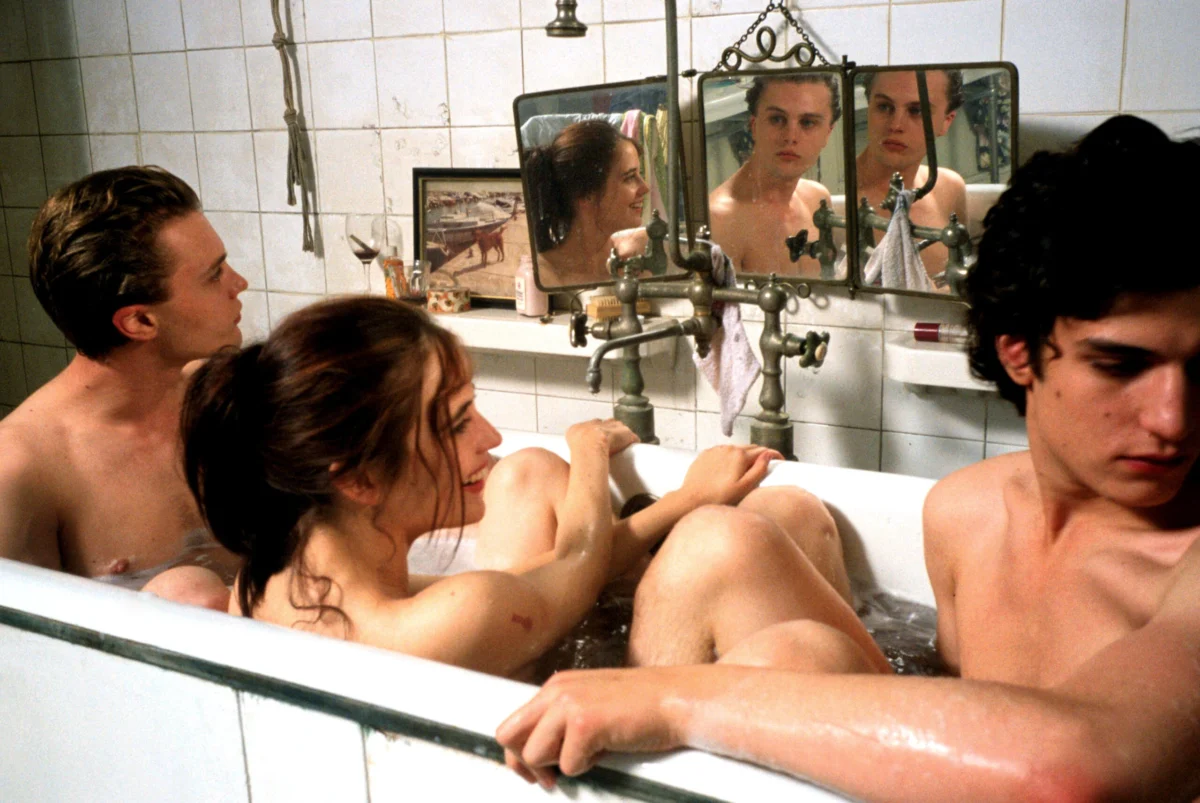
Perhaps the most discussed aspect of Joie de Vivre is Guadagnino’s decision to almost entirely omit The Dreamers (2003). Despite the documentary’s stated goal of winning over younger audiences, Guadagnino ignores the one film in Bertolucci’s catalog that remains a staple of modern "aesthetic" culture on platforms like Letterboxd and TikTok.
- The Content: The Dreamers features Michael Pitt, Eva Green, and Louis Garrel in an NC-17-rated exploration of 1968 Paris.
- The Theory: Critics suggest Guadagnino may be avoiding the "Letterboxd-era discourse" regarding onscreen carnality, or perhaps he simply finds the film’s Nouvelle Vague-inspired fantasies less substantial than Bertolucci’s earlier political epics.
- The Replacement: Instead of The Dreamers, Guadagnino spends a full hour on less accessible "misfires" such as La Luna and Tragedy of a Ridiculous Man, movies that are aesthetically and emotionally challenging for contemporary viewers.
Official Responses and Expert Commentary
Guadagnino assembled a formidable roster of "talking heads" to provide context for Bertolucci’s genius. These are not mere soundbites; they are deep, often hilarious, and sometimes provocative meditations on the nature of art.
The Filmmaker’s Perspective
- James Gray: The Ad Astra director provides some of the film’s most memorable moments, offering a "canny" critique of modern film reviewing. Gray argues against the democratization of criticism, suggesting that the "random" opinions found on social media platforms like Letterboxd lack the necessary rigor for an "elevated discourse." He famously compares his own lack of expertise in particle accelerators to the average viewer’s lack of expertise in cinematic artfulness.
- Martin Scorsese and Alfonso Cuarón: These titans of industry speak to Bertolucci’s technical mastery and his ability to maintain a singular vision within the Hollywood system.
- Margot Robbie: In a surprise appearance, Robbie offers a high-energy analysis of the proto-fascist saga 1900. She focuses specifically on the film’s most transgressive moments, including the brutal violence and the complex, homoerotic subtext between the characters played by Robert De Niro and Gérard Depardieu.
The Question of Sexuality
Russian auteur Kirill Serebrennikov raises the question that many have whispered for decades: Was Bertolucci gay? The documentary explores Bertolucci’s admitted "love" for Marlon Brando, characterizing their relationship as something that transcended the homosocial and veered into the homoerotic. Notably, Bertolucci’s wife, Clare Peploe, is largely absent from the narrative, a choice that has sparked much discussion among festival-goers.

Implications: The Future of Cinephilia in the Gen Z Era
The ultimate success of Joie de Vivre may not be measured by its box office potential—it is currently seeking U.S. distribution—but by its ability to spark a dialogue. By choosing to highlight the "thorny" and the "unsuccessful" parts of Bertolucci’s career, Guadagnino is making a statement about the value of complexity in art.
A Call to Action
The film’s omission of The Dreamers and its focus on "problematic" scenes from 1900 serve as an invitation to the audience. Guadagnino is not "trolling" the viewer; he is encouraging them to do the work of discovery. As Mark Cousins notes during a conversation in the film, "If you fall in love with cinema, you’ll never be alone again."
The Verdict
Joie de Vivre (Grade: B+) is a demanding, often exhausting experience that mirrors the uncompromising nature of its subject. It stands as a testament to the idea that a director’s legacy is not just a collection of their best films, but a sprawling, messy, and often contradictory life’s work. In the age of 15-second clips and algorithmic recommendations, Guadagnino’s seven-hour "valentine" is a radical act of devotion to the long-form, difficult beauty of the moving image.
As the film prepares for its wider release, it remains a "choice"—a deliberate, flamboyant, and deeply personal argument for why Bernardo Bertolucci matters, even when his judgment was "fucking shit." It is a conversation starter for a new generation of cinephiles who are being asked to look past the "butter scene" and see the conformists, the emperors, and the dreamers that lie beneath.