The Tarantino Connection: How ‘Death Proof’ Paved the Way for Ramona Flowers
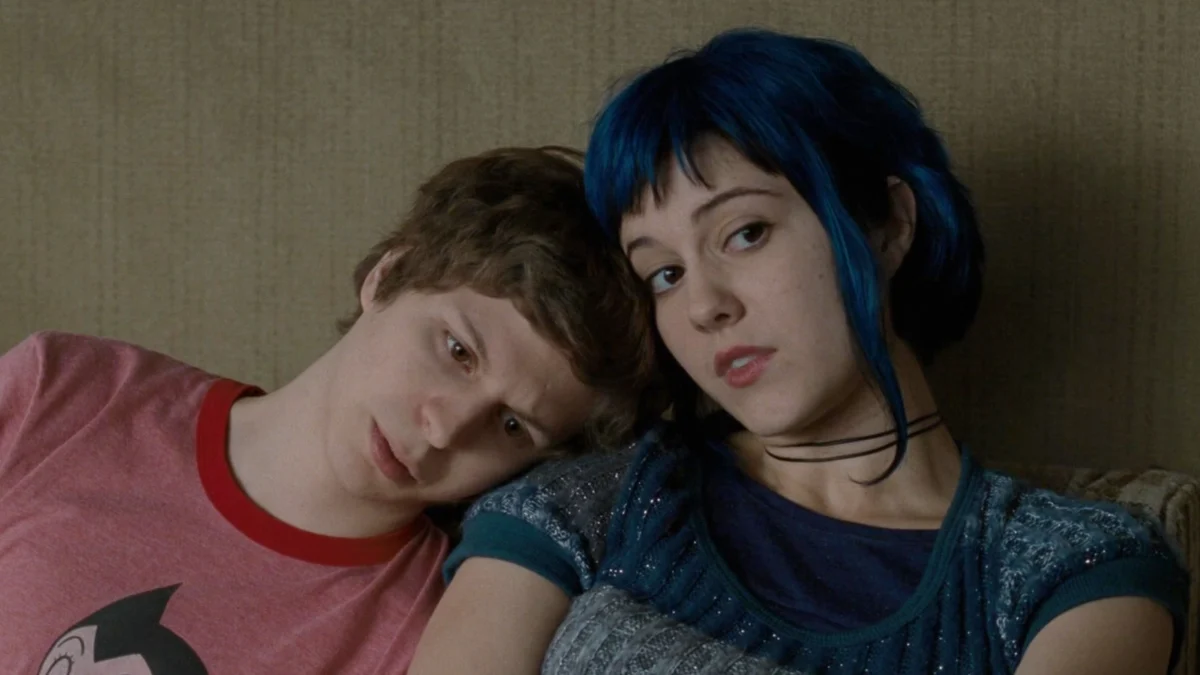
In the pantheon of modern cult cinema, few films possess the stylistic density and enduring cultural footprint of Edgar Wright’s 2010 masterpiece, Scott Pilgrim vs. the World. Adapted from the graphic novels by Bryan Lee O’Malley, the film serves as a kinetic time capsule of the late 2000s indie-rock scene, video game nostalgia, and the anxieties of arrested development. While Michael Cera’s portrayal of the titular, bumbling protagonist remains iconic, the film’s emotional gravity centers on Ramona Flowers, the enigmatic delivery girl with "baggage" that literally fights back.
The casting of Mary Elizabeth Winstead as Ramona is now viewed as a stroke of genius, but the lineage of that casting decision traces back to a surprising source: the set of Quentin Tarantino’s 2007 slasher-homage, Death Proof. This intersection of two of cinema’s most distinct directorial voices—Tarantino and Wright—highlights the collaborative, often serendipitous nature of Hollywood casting and how a brief performance in a gritty exploitation pastiche led to the birth of a generational pop-culture icon.
Main Facts: A Serendipitous Casting Cycle
The link between Death Proof and Scott Pilgrim vs. the World is rooted in the close-knit friendship between Edgar Wright and Quentin Tarantino. During the mid-2000s, both directors were deep in the throes of reimagining genre cinema. Tarantino was working on his half of the Grindhouse double feature, while Wright was gaining international acclaim for Shaun of the Dead and Hot Fuzz.
When Wright began the arduous process of casting Ramona Flowers, he wasn’t just looking for an actress who could handle the physical demands of the film’s elaborate fight choreography; he needed someone who could embody the "aloof yet vulnerable" essence of the character. Mary Elizabeth Winstead, who played the cheerleader Lee Montgomery in Death Proof, caught Wright’s eye during the production and promotion of Tarantino’s film.
Winstead’s role in Death Proof was relatively small compared to the film’s primary "Final Girls," yet her screen presence was undeniable. According to an oral history of Scott Pilgrim published by Entertainment Weekly, Winstead noted that Wright, Tarantino, and herself were often in the same social and professional circles during that era. This proximity allowed Wright to see a spark in Winstead that transcended her Death Proof character—a "cheerleader" archetype—and suggested she could inhabit the complex, multi-colored-haired Ramona.
Chronology: From Grindhouse to Toronto
To understand the weight of this casting, one must look at the timeline of these two productions:
2006–2007: The Summer of Grindhouse
Quentin Tarantino casts Mary Elizabeth Winstead in Death Proof. Though the film was a segment of the larger Grindhouse project (shared with Robert Rodriguez), it served as a showcase for a new generation of female talent. Winstead’s character, Lee, is left behind by her friends for much of the film’s high-octane climax, but her performance in the first two acts established her as more than just a "scream queen."
2008: The Search for Ramona
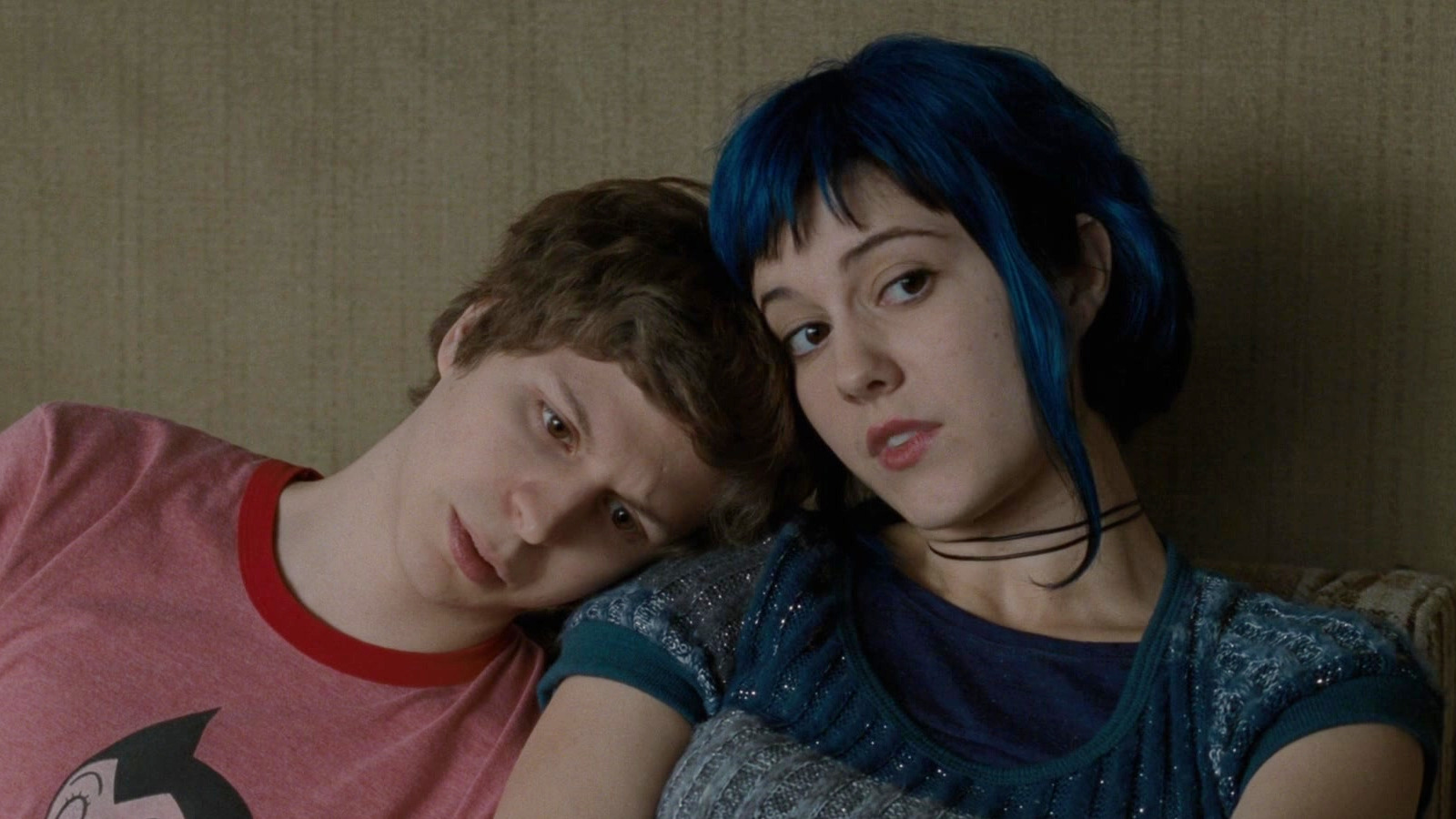
Edgar Wright begins pre-production on Scott Pilgrim vs. the World. The search for Ramona Flowers was exhaustive. The character needed to be the "coolest person in the room" without appearing to try, a difficult needle to thread. Drawing on his observations from the Death Proof era, Wright approached Winstead.
2009: Production Begins
Filming for Scott Pilgrim takes place in Toronto. Winstead undergoes rigorous training to perform the stunts required for the "Seven Evil Exes" battles. Her chemistry with Michael Cera becomes the film’s backbone, balancing Scott’s frantic energy with Ramona’s weary cynicism.
2010: Release and Reception
Scott Pilgrim vs. the World debuts. While it was not an immediate box-office sensation, it garnered instant critical acclaim. Winstead’s portrayal was singled out for adding depth to a character that could have easily drifted into caricature.
2023: The Animated Evolution
Thirteen years later, Netflix releases Scott Pilgrim Takes Off. The series reunites the original cast, including Winstead. However, the narrative shifts focus, making Ramona the central protagonist and allowing Winstead to explore the character’s psyche even more deeply than the live-action format allowed.
Supporting Data: Subverting the "Manic Pixie Dream Girl"
At the time of Scott Pilgrim’s release, the film industry was grappling with the "Manic Pixie Dream Girl" (MPDG) trope—a term coined by critic Nathan Rabin to describe quirky, female characters who exist solely to help soulful young men find their zest for life. On the surface, Ramona Flowers appeared to be the ultimate MPDG: she has neon hair, travels through subspace, and is the object of Scott’s obsession.
However, the "data" of Winstead’s performance suggests a deliberate subversion of this trope. Unlike a traditional MPDG, Ramona is not there to "fix" Scott. In fact, she is arguably more broken than he is. Her "Seven Evil Exes" are physical manifestations of her inability to let go of her past and her tendency to run away when things get difficult.
Winstead’s performance provided the necessary "supporting data" to prove Ramona’s agency. She played the character with a sense of exhaustion—a woman tired of being fought over, tired of her own history, and simply looking for a place to belong. This nuance is what has allowed the character to age better than many of her contemporaries from 2010-era indie cinema.
Official Responses: Winstead on the "Reluctant Femme Fatale"
In the years following the film’s release, Mary Elizabeth Winstead has been vocal about her affection for the role and the unique way she landed it. Reflecting on the Death Proof connection, she jokingly suggested to Entertainment Weekly that Wright might have been drawn to her because her "eyes looked really similar to the drawing" in O’Malley’s books.
Beyond the physical resemblance, Winstead defended the internal life of the character:
"What I liked about Ramona is that she’s not asking for the attention, it just kind of follows her around, whatever she does. She’s the reluctant femme fatale. She’s not trying to be this cool or anything, she just sort of attracts this attention, and it’s a little bit exhausting. It was cool to get to play what I guess people would see as this Manic Pixie Dream Girl, but, to me, that’s not what she was trying to be at all. She was just trying to figure herself out."
This "official response" from the actress highlights the intentionality behind the performance. It wasn’t just about the hair dye or the hammer; it was about the "exhaustion" of being a muse for men who didn’t actually know her.
Implications: The Legacy of a Cult Classic
The implications of Winstead’s casting extend far beyond a single movie. It solidified her status as a versatile lead who could navigate both high-concept action and grounded emotional drama. Following Scott Pilgrim, Winstead’s career trajectory took her through critically acclaimed projects like 10 Cloverfield Lane and Fargo, where she continued to play women who possessed a hidden steeliness beneath a calm exterior.
Furthermore, the Tarantino-Wright connection underscores the importance of the "director’s eye" in the casting process. Tarantino’s ability to spot talent in Death Proof—a film that, at the time, was considered a minor entry in his filmography—provided the spark for Wright to cast his most important female lead.
The ultimate legacy of this casting was realized in 2023 with Scott Pilgrim Takes Off. Because Winstead had established such a strong foundation for Ramona in 2010, the animated series was able to "remix" the story, placing her at the center of the narrative. In the show, Ramona isn’t the prize to be won; she is the hero on a journey of self-reflection, reconciling with her exes on her own terms.
This evolution would not have been possible without the initial groundwork laid during those "hangout" sessions between Wright and Tarantino. It serves as a reminder that in the world of filmmaking, no role is too small to be a stepping stone, and no "slasher flick" cheerleader is too far removed from a "subspace-traveling" delivery girl. The threads of cinema are interconnected, often leading from a blood-soaked car in Texas to a snowy battleground in Toronto.