Combat Waffle Studios Charts a New Course: Inside the $1 Million Publisher Shift and the Future of the ‘Tabor-verse’
The virtual reality gaming landscape is often characterized by its volatility, where independent studios must navigate the treacherous waters of platform exclusivity, hardware shifts, and the complex dynamics of publisher relationships. In recent weeks, Combat Waffle Studios, the developer behind the breakout VR hit Ghosts of Tabor, found itself at the center of industry speculation following news of a significant corporate divorce.
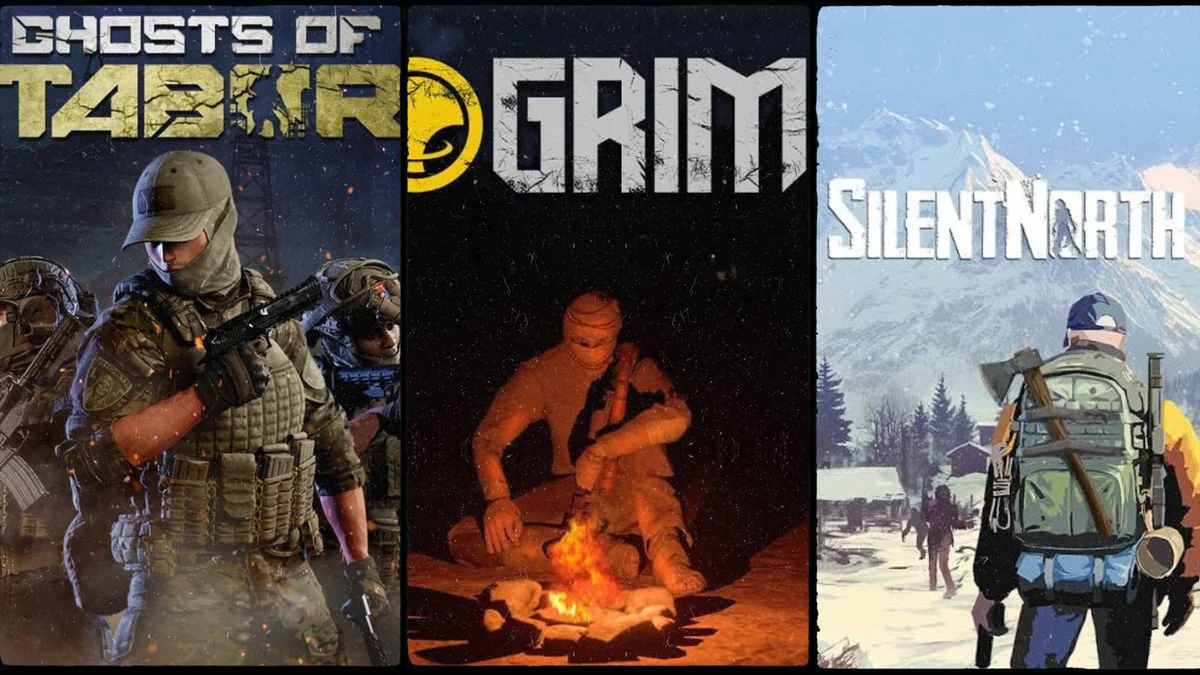
The announcement that Beyond Frames Entertainment had sold the publishing rights for Combat Waffle’s entire portfolio—including Ghosts of Tabor, Grim, and Silent North—for a sum of $1 million sparked a flurry of questions regarding the studio’s stability. However, far from a retreat, the move signals a strategic pivot. With the appointment of Neem Interactive as its new publishing partner, Combat Waffle Studios is signaling a desire for greater operational autonomy and a more aggressive expansion of what they term the "Tabor-verse."
Main Facts: A $1 Million Transaction and a New Partnership
The core of the recent upheaval lies in a definitive transfer of intellectual property rights and publishing obligations. Beyond Frames Entertainment, a Swedish-based VR publisher, reached an agreement to divest its interest in Combat Waffle Studios’ titles. The $1 million price tag for these rights is particularly noteworthy, as it reportedly aligns with the projected revenue Beyond Frames expected to generate from these titles through the year 2028.
Following the exit of Beyond Frames, Combat Waffle Studios officially introduced Neem Interactive as its new publisher of record. This transition was not merely a passive change in letterhead; according to studio leadership, the move was spearheaded by Combat Waffle itself. The studio sought a partner that would offer more than traditional administrative support, aiming instead for a collaborator capable of fostering long-term business growth and opening new doors in the competitive gaming market.
While the financial terms of the Neem Interactive partnership remain private, the shift has already begun to manifest on digital storefronts. Steam listings for Ghosts of Tabor have been updated to reflect Neem Interactive as the publisher, with Meta Horizon and other platforms expected to follow suit in short order. This transition comes at a critical time for the studio, which recently faced internal restructuring and layoffs—events that contributed to the now-debunked rumors of the studio’s impending bankruptcy.
Chronology: From Indie Darling to Strategic Independence
The journey to this publishing shift began in early 2023, when Ghosts of Tabor launched into early access. The game quickly became a phenomenon in the VR space, often described as the "Escape from Tarkov of VR." Its gritty, high-stakes extraction mechanics resonated with a hardcore audience, catapulting Combat Waffle Studios into the spotlight.
The Beyond Frames Era (2023–2024):
Beyond Frames provided the initial infrastructure and publishing muscle needed to scale Ghosts of Tabor across multiple platforms, including the Meta Quest Store and SteamVR. Under this partnership, the game achieved significant commercial milestones, becoming one of the top-grossing titles on the Meta platform. However, as the studio’s ambitions grew, signs of a strategic disconnect began to emerge.
The Friction Points (Early 2024):
By the beginning of 2024, rumors of a rift between the developer and publisher began to circulate within industry circles. While Ghosts of Tabor continued to perform well, the development of follow-up titles like Silent North (a survival horror title) and Grim (a Rust-inspired survival game) required a different level of support and marketing synergy. Combat Waffle leadership hinted at a desire for a partner more deeply invested in the "building of the business" rather than just the collection of royalty checks.
The Transition Phase (Mid-2024):
In July 2024, the studio released Ghosts of Tabor: Legacy, a version of the shooter that returned the experience to its 2024-era roots, catering to long-time fans. Despite this success, the studio underwent a series of layoffs, a move that is common in the post-launch cycle of major updates but one that fueled concerns about the studio’s health.
The Final Break (August 2024):
The situation culminated last week with the formal announcement from Beyond Frames regarding the $1 million sale of rights. Almost immediately, Combat Waffle Studios moved to clarify that this was an intentional step toward independence, culminating in the Neem Interactive announcement this week.
Supporting Data: Market Performance and Financial Justification
To understand why a $1 million buyout was seen as a "good thing for both sides," one must look at the performance data of the studio’s flagship title. Ghosts of Tabor is not a failing asset; quite the opposite.
As of August 2024, Ghosts of Tabor: Legacy sits as the top paid release on the Meta Horizon store over the last 30 days. It maintains a formidable 4.5-star rating based on over 1,300 recent reviews. This level of engagement is rare for VR titles, which often see a sharp drop-off in active users after the initial launch window.
The $1 million figure paid to Beyond Frames represents the "expected revenue" through 2028. For Beyond Frames, this provides an immediate cash infusion and mitigates the risk of future market fluctuations. For Combat Waffle, it represents the cost of freedom. By buying out these rights, the studio (presumably with the backing of Neem Interactive) retains a larger share of future profits, which could far exceed $1 million if the "Tabor-verse" continues its current trajectory.
Furthermore, the "extraction shooter" genre remains one of the most lucrative niches in gaming. By controlling the publishing rights to Silent North and Grim, Combat Waffle is positioning itself as the premier developer of high-stakes survival experiences in VR. The data suggests that the audience for these games is loyal, spends significantly on in-game content, and is eager for more entries in the franchise.
Official Responses: Addressing the "Dead Studio" Rumors
In the wake of the Beyond Frames announcement, Scott Albright, CEO of Combat Waffle Studios, took to public platforms to address the narrative head-on. The primary goal was to dispel the notion that the studio was in financial distress or nearing bankruptcy.
"We’re incredibly excited to finally be moving forward," Albright stated during the Neem Interactive announcement. "Ghosts of Tabor has a massive amount of potential, and we wanted the freedom and the right partner to pursue it. We believe we have that now."

Albright’s rhetoric focused heavily on the quality of the partnership rather than just the financial logistics. He pointedly remarked that a publisher must bring more to the table than simply "collecting a royalty check." This statement provides a rare glimpse into the frustrations that can arise between creative developers and corporate publishers. Combat Waffle’s vision includes expanding the IP into different media and genres, a goal that requires a partner willing to take risks and "open doors" that a traditional publishing agreement might not accommodate.
The studio also explicitly addressed the bankruptcy rumors, labeling them as "inaccurate" and "errant assumptions." The message was clear: Combat Waffle is not only alive but is actively scaling its operations to support a multi-game ecosystem.
Implications: What This Means for the VR Industry
The divorce between Beyond Frames and Combat Waffle Studios serves as a case study for the evolving relationship between VR developers and publishers. As the VR market matures, successful studios are increasingly seeking "greater publishing independence," a phrase used in Combat Waffle’s official statement.
1. The Rise of the "Niche Giant"
Combat Waffle has proven that a studio can dominate a specific sub-genre (extraction shooters) and gain enough leverage to dictate the terms of its publishing deals. This move toward Neem Interactive—a relatively new player whose recent portfolio includes the co-op builder Grain Rot—suggests that established studios may prefer smaller, more agile publishers who are willing to offer bespoke support rather than large, multi-national firms with rigid structures.
2. The Risks of the "Tabor-verse"
While the move offers more freedom, it also carries significant risk. Neem Interactive is a largely unknown entity compared to the established Beyond Frames. By moving its entire portfolio to a new publisher, Combat Waffle is betting that Neem’s "door-opening" capabilities will outweigh the loss of Beyond Frames’ established infrastructure. If Silent North or Grim fail to meet expectations, the studio will no longer have the safety net of a larger publishing house.
3. Investor and Consumer Confidence
For the players, the immediate implication is positive: development on Ghosts of Tabor continues unabated. For investors, the $1 million buyout sets a benchmark for the value of VR intellectual property. It demonstrates that even in a cooling venture capital environment, high-performing VR assets have tangible, seven-figure liquid value.
4. The Future of VR Publishing
The industry may see a shift where publishers act more as "service providers" rather than "owners." Combat Waffle’s desire for a partner that "actively helps build the business" reflects a broader trend in gaming where developers want to retain more control over their brands while outsourcing the heavy lifting of marketing and distribution.
In conclusion, Combat Waffle Studios’ transition to Neem Interactive is a bold gamble on self-determination. By reclaiming its rights and distancing itself from a traditional royalty-based model, the studio is attempting to transition from a single-hit wonder to a multi-franchise powerhouse. Whether Neem Interactive can provide the "long-term investment" Albright envisions will be the deciding factor in whether this $1 million divorce was a masterstroke of business strategy or a risky leap into the unknown. For now, the "Tabor-verse" remains one of the most vibrant and resilient corners of the VR world.