The Great Decoupling: Meta Preparing to Spin Off Horizon Worlds into Independent "Eclipse" App
In the evolving landscape of the "metaverse," Meta Platforms Inc. appears to be reaching a critical inflection point in its architectural strategy. Recent technical discoveries within the Meta Horizon mobile ecosystem suggest that the company is preparing for its most significant structural shift since the rebranding of Facebook to Meta. According to assets and code strings uncovered in recent software builds, Meta is in the final stages of spinning off its flagship social VR platform, Horizon Worlds, into a standalone mobile application currently codenamed "Eclipse."
This move, which aligns with a broader internal reorganization within Reality Labs, signals a definitive pivot in Meta’s approach to user-generated content (UGC). By separating the creative and gaming elements of Horizon from the core platform management tools, Meta is effectively acknowledging that the future of its "metaverse" may not be a monolithic entity, but a fragmented ecosystem of specialized applications tailored to different hardware and user intents.
Main Facts: The Emergence of "Horizon Create"
The discovery of the "Eclipse" project stems from a series of updates to the Meta Horizon mobile app throughout August 2026. Dataminers and independent programmers, most notably the developer known as Nori (@noridoesvr), have identified deep-seated changes in the app’s codebase that point toward a migration strategy.
The Codenamed Transition
The internal codename "Eclipse" appears to refer to the transition phase, while the public-facing title found in pre-release assets is "Meta Horizon Create." This new application is described not merely as a social hub, but as a robust platform for "playing, remixing, and building" mobile-first game worlds. Unlike the current integrated experience, Horizon Create is expected to function as a dedicated creative engine, heavily reliant on integrated Artificial Intelligence (AI) tools to lower the barrier to entry for content creators.
AI-Driven World Building
One of the most significant features identified in the "Eclipse" assets is the inclusion of AI-assisted world-building tools. Users will reportedly be able to personalize existing environments or generate entirely new landscapes and interactive elements using natural language prompts. This suggests Meta is moving toward a "generative metaverse" model, competing directly with the creative accessibility of platforms like Roblox and the Creative Mode in Fortnite.
Migration Strings
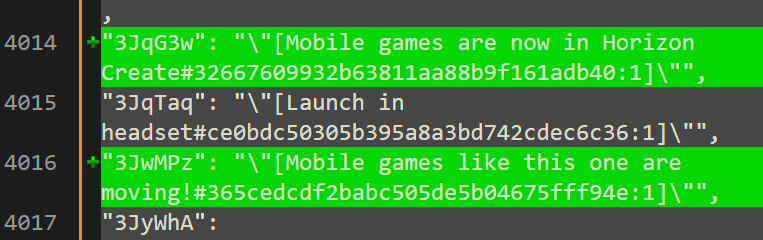
The August 25th update to the Meta Horizon mobile app included specific strings of text intended for end-users. These notifications inform users that they will soon need to "migrate" to the new Horizon Create app to continue accessing mobile-specific games and worlds. This indicates that the current Horizon app will be stripped of its gaming functionality to serve a different, more utilitarian purpose.
Chronology: A Year of Strategic Reversals
To understand the "Eclipse" spin-off, one must look at the tumultuous trajectory of Reality Labs over the past 18 months. The decision to separate Worlds from the main Horizon brand is the culmination of several strategic pivots.
March 2026: The Reorganization
The catalyst for this shift occurred in March 2026, following a period of extensive layoffs and a major reorganization of Meta’s VR and Horizon divisions. During this time, Meta CTO Andrew Bosworth acknowledged that VR growth was "growing less quickly than we hoped," leading to a mandate to streamline operations. It was during this month that Meta first declared its intention to begin "explicitly separating" Horizon Worlds from the Quest hardware ecosystem.
The VR Deprecation Controversy
Shortly after the reorganization, Meta made the controversial announcement that it would drop Horizon Worlds support from its series of VR devices, shifting the platform to a mobile-only focus. This caused an immediate backlash from the core VR community. Just days later, Meta partially reversed this decision, clarifying that while the "Horizon Engine-based" mobile worlds would be deprecated on VR headsets to maintain performance parity, existing VR-native games would remain accessible.
GDC 2026 and the Simplified Vision
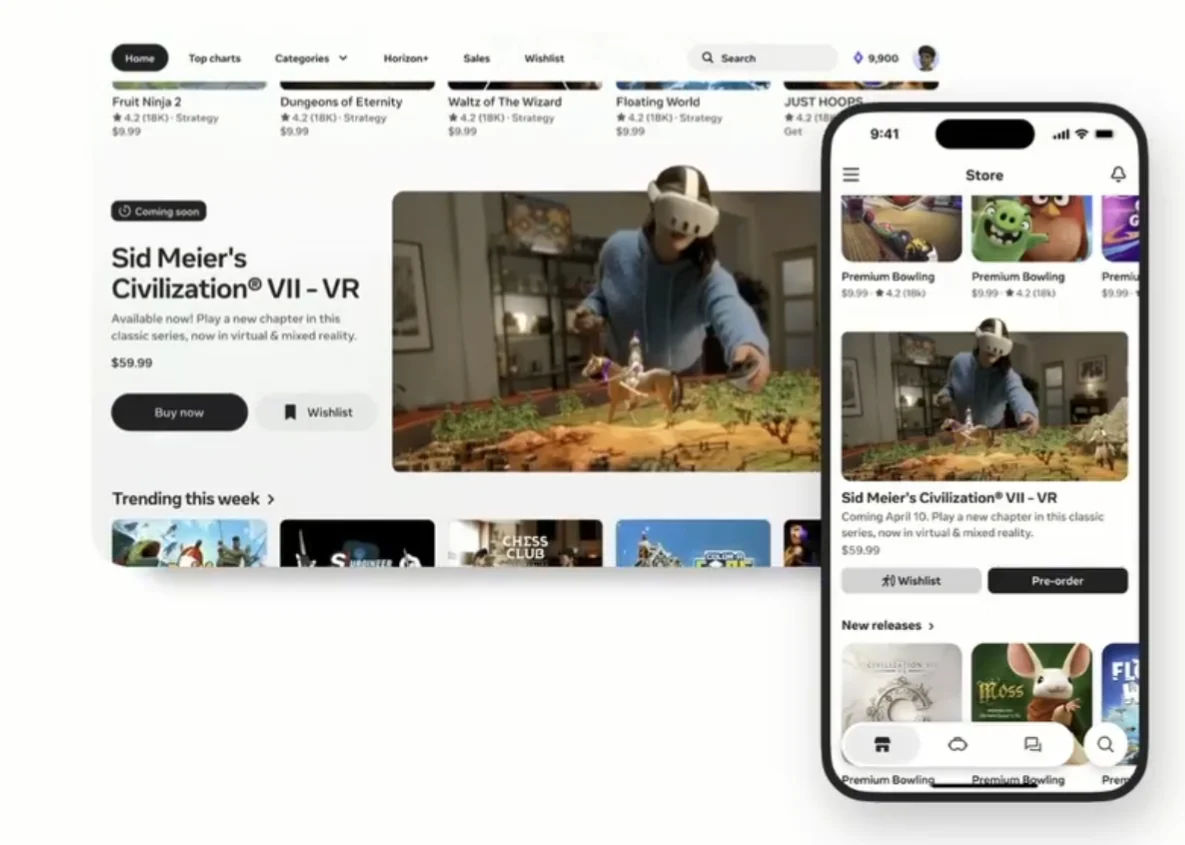
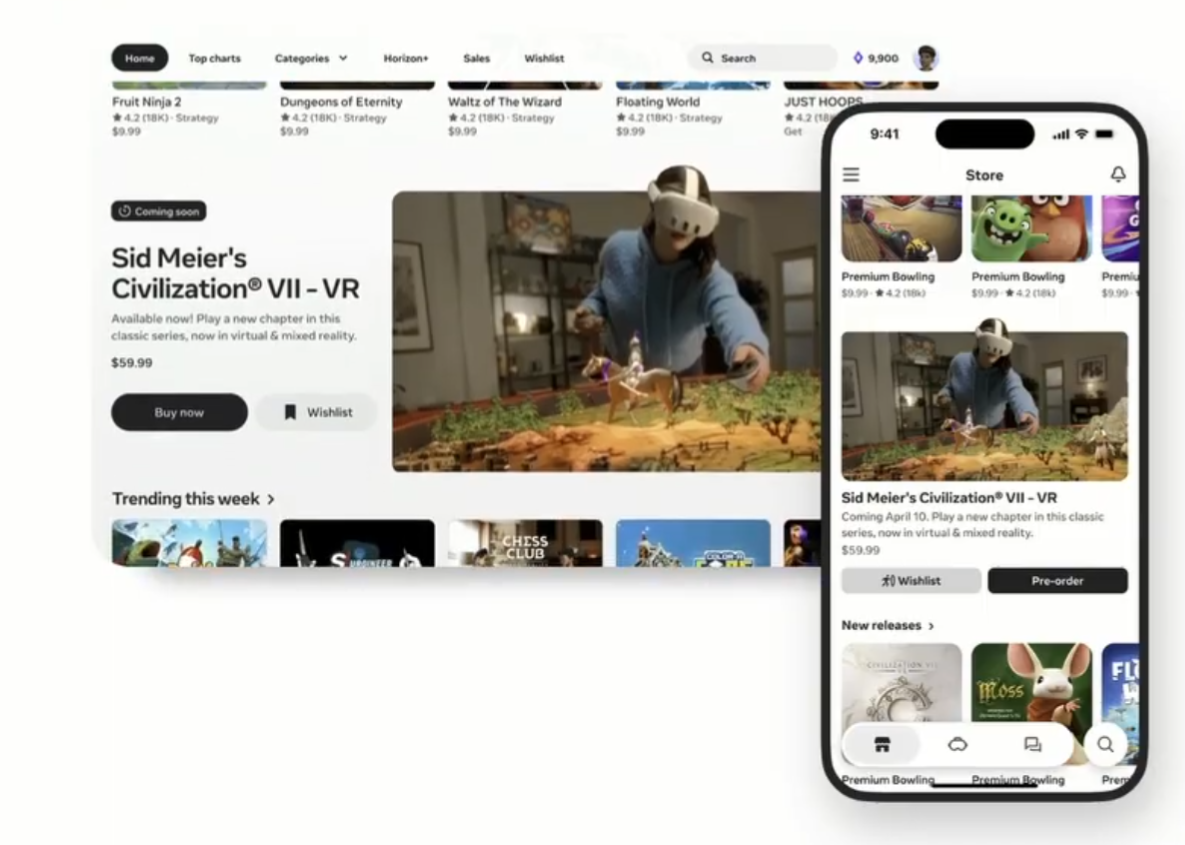
In early 2026, at the Game Developers Conference (GDC), Meta’s public messaging began to shift. The company seemingly canceled several high-profile talks related to Horizon Worlds. However, in a session titled "Discovery Decoded: Your Guide to the Meta Horizon Store," Meta showcased a dramatically simplified UI for its mobile app. This design featured the Store as the primary landing page, with buttons for headset management and messaging, notably excluding the "Worlds" discovery tabs that currently dominate the interface.
August 2026: The Discovery of Eclipse
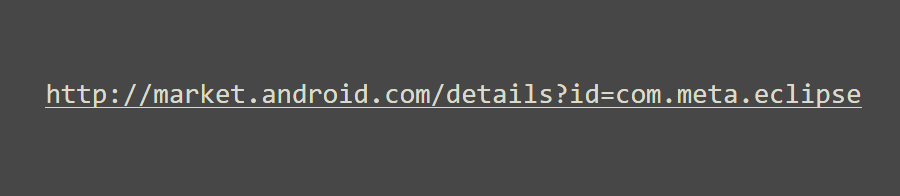
By August 2026, the technical groundwork for this separation became visible to the public. Dataminers found the first references to the Eclipse codename and the "Horizon Create" branding, confirming that the simplified UI shown at GDC was not just a concept, but the roadmap for the core Horizon app’s future.
Supporting Data: Evidence of a Fragmented Ecosystem
The move to spin off Horizon Worlds is supported by a wealth of technical data and UI changes that reflect a change in Meta’s business priorities.
Discrepancies in App Design
As of late August 2026, the live versions of the Meta Horizon app on the Apple App Store and Google Play Store still feature a cluttered interface that mixes VR app management with World recommendations. However, the strings found in the August 25th build (v188) specifically reference a "New App Available" prompt. This prompt is designed to trigger when a user attempts to launch a World, redirecting them to the App Store to download "Horizon Create."
The "Remixing" Paradigm
The "remixing" feature found in the code is a critical data point. In the current iteration of Horizon Worlds, building is a complex, manual process that often requires a VR headset. The assets for "Eclipse" suggest a shift toward "modular creation," where mobile users can take existing templates—remixing them—and use AI to alter textures, physics, and layouts. This data suggests Meta is prioritizing "snackable" creation over the deep, developer-centric tools previously teased under the "Horizon Studio" banner.
Shift in Developer Focus
Data from Meta’s recent developer outreach programs shows a marked decline in "Worlds" promotion. The upcoming Meta Connect 2026 schedule focuses heavily on "expert-led VR developer sessions," SDK updates, and "controller-free interactions." Noticeably absent are any significant mentions of Horizon Worlds or the Horizon Studio creation tools announced at Connect 2025. This suggests that "Worlds" is being repositioned as a consumer-grade social gaming app (Horizon Create), while the "Horizon" brand is being reclaimed for the professional VR/AR platform and OS.
Official Responses and Market Context
Meta has remained officially tight-lipped regarding the "Eclipse" leak, maintaining its standard policy of not commenting on "rumors or internal projects." However, the company’s recent actions provide a clear subtext.
The Silence on Horizon Studio
Horizon Studio was once touted as the "Pro" version of Meta’s creation suite, intended to bridge the gap between amateur world-building and professional game development. The lack of updates on this project since 2025, combined with the emergence of "Horizon Create," suggests that Meta may have pivoted Horizon Studio into the AI-backend that will power the new mobile app.
Competitive Pressures
Market analysts suggest that Meta’s "Great Decoupling" is a response to the dominance of Roblox and the resurgence of Fortnite as a platform. Both competitors have successful standalone mobile presences that do not require specialized hardware. By spinning off "Horizon Create," Meta can market it as a direct competitor to these platforms without the "baggage" of being an accessory app for a $500 VR headset.
Investor Sentiment
From a fiscal perspective, Reality Labs has faced immense pressure to reduce its burn rate. Managing Horizon Worlds as a feature within the main Quest management app was likely inefficient. A standalone app allows Meta to track user engagement, monetization, and growth as a distinct product, providing clearer data to investors who have been skeptical of the "metaverse" spend.
Implications: What This Means for the Metaverse
The separation of Horizon Worlds into "Horizon Create" has profound implications for the future of Meta’s digital strategy and the broader XR industry.
1. The End of the "All-in-One" App
For years, Meta’s vision was a single gateway to the metaverse. The "Eclipse" project marks the end of that dream. Instead, Meta is moving toward a specialized app strategy:
- Meta Horizon: A utility app for managing hardware (Quest), social messaging, and the VR Store.
- Horizon Create: A social gaming and UGC platform for mobile and (eventually) VR.
- Workrooms/Other: Specialized apps for enterprise and productivity.
2. AI as the Great Equalizer
By integrating AI building tools into "Horizon Create," Meta is attempting to solve the "empty world" problem. If any user can generate a high-quality game environment in seconds via a mobile phone, the volume of content on the platform could explode, potentially giving Meta the scale it needs to compete with established UGC giants.
3. A Clearer Identity for VR
By stripping social gaming out of the main Horizon app, Meta is allowing the Quest ecosystem to focus on what it does best: high-end VR gaming and immersive experiences. This "explicit separation" ensures that the Quest brand isn’t diluted by the lower-fidelity, mobile-centric content that has often defined Horizon Worlds in the past.
4. The "Robloxification" of Meta
The shift toward "Horizon Create" suggests that Meta is no longer trying to build a "parallel reality." Instead, it is building a game engine. This is a pragmatic retreat from the loftier, more abstract goals of the 2021 rebranding, focusing instead on the proven business model of the creator economy.
As Meta Connect 2026 approaches, the industry will be watching to see if "Eclipse" is officially unveiled. If the datamined assets are any indication, the "Metaverse" is about to get a lot smaller, more focused, and significantly more mobile. The "Eclipse" may represent the darkening of the original Horizon vision, but for Meta, it may be the only way to finally see the light of profitability.