Control Resonant: Remedy’s Ambitious Nightmare Transforms Manhattan into a Paranatural Canvas
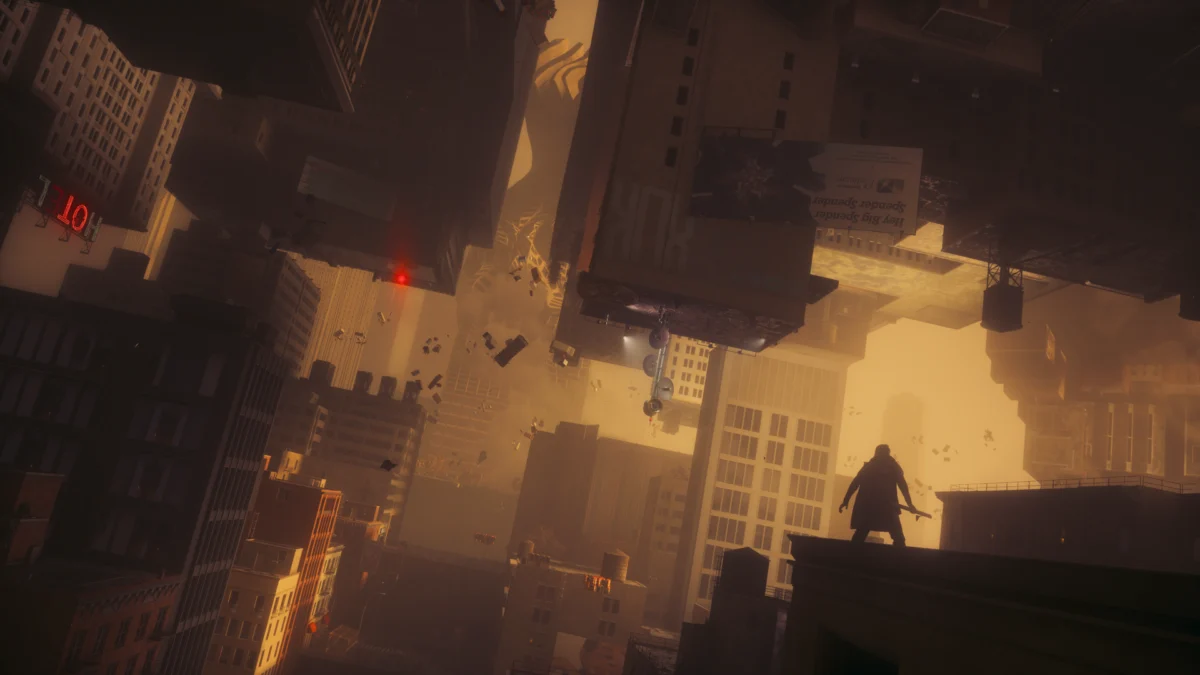
Remedy Entertainment’s highly anticipated sequel, Control Resonant, pushes the boundaries of its unique "New Weird" aesthetic, transforming the iconic cityscape of Manhattan into a haunting, reality-bending nightmare. While the game offers a visually stunning and conceptually bold experience, its ambitious scale is occasionally hampered by restrictive level design and repetitive combat encounters.
New York, NY – September 24, 2026 – Control Resonant, the latest offering from Finnish developer Remedy Entertainment, is poised to redefine the action-adventure genre with its audacious vision and unparalleled visual fidelity. Building upon the foundation of its critically acclaimed predecessor, Control, this sequel plunges players into a Manhattan irrevocably altered by the encroaching paranatural forces of The Hiss. The game shifts its focus to Dylan Faden, brother of the original protagonist Jesse Faden, who now finds himself at the epicenter of this escalating cosmic horror.
Remedy, renowned for its narrative-driven experiences and distinctive visual style, has once again leveraged its proprietary Northlight Engine to create a world that is both breathtakingly beautiful and deeply unsettling. Control Resonant’s Manhattan is not merely a backdrop; it is a character in itself, twisted and contorted by impossible geometry and phenomena that defy conventional understanding. From floating corpses to shifting skyscrapers, the game presents a spectacle of otherworldly destruction that promises to be unlike anything seen in the gaming landscape before.
The Unraveling of Manhattan: A New Front in the Paranatural War
Control Resonant picks up after the events of the first game, where Jesse Faden, as the new Director of the Federal Bureau of Control (FBC), managed to contain the Hiss threat within the enigmatic Oldest House. However, the Hiss has breached those confines, its influence now seeping into the very fabric of New York City. This expansion of the game’s scope from the confined, Escher-esque interiors of the Oldest House to the sprawling, distorted urban environment of Manhattan represents a significant leap in ambition for Remedy.
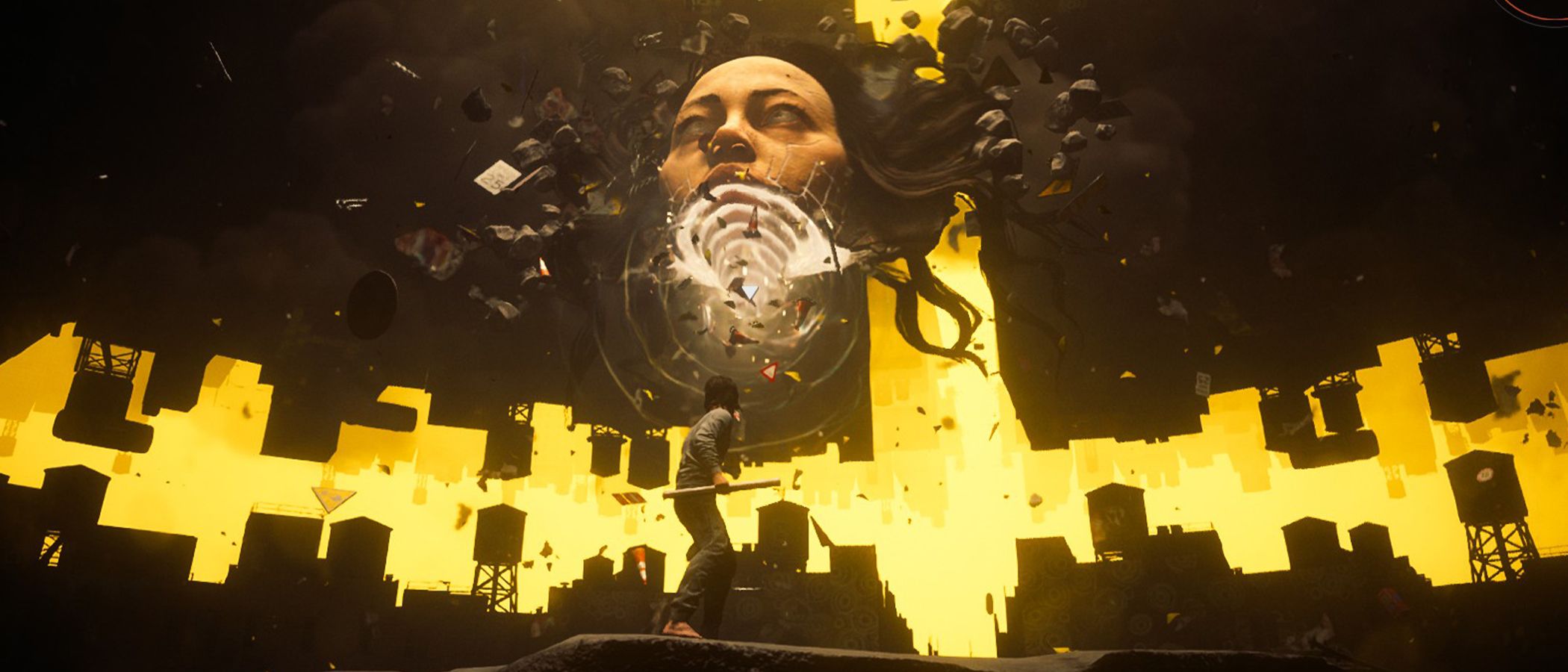
Players will step into the shoes of Dylan Faden, a character whose traumatic past as a victim of FBC experiments now positions him as a reluctant hero in this new crisis. His journey through a warped Manhattan will see him confronting not only the Hiss but also the psychological scars left by his past. This narrative shift offers a fresh perspective on the FBC’s operations and the broader implications of the paranatural phenomena they investigate.
A Symphony of the Surreal: Visuals and Atmosphere
The visual presentation of Control Resonant is nothing short of spectacular. Remedy’s mastery of atmosphere and environmental design is on full display, with every frame meticulously crafted to evoke a sense of dread and wonder. The game’s "New Weird" aesthetic, characterized by its blend of the mundane and the bizarre, is amplified in the urban setting. Familiar New York landmarks are rendered with a disturbing surrealism, showcasing impossible architectural feats and unsettling distortions.
The introduction of "patterning," a phenomenon described as the logical conclusion of generative AI hallucinating a form into multiple uncanny versions of itself, adds another layer of psychological horror. This visual motif, along with the omnipresent threat of The Hiss, creates an environment that is both captivating and deeply unnerving. Even with ray tracing disabled on a modest rig, the game’s atmospheric lighting and reflective surfaces maintain their impact, a testament to the robust art direction.
The developers have paid meticulous attention to detail, allowing players to observe the minutiae of the urban environment, from lighting fixtures within apartment windows to the details on fake billboards. This commitment to realism, juxtaposed with the surreal distortions, grounds the experience and enhances its immersive qualities.

Navigating the Anomaly: Traversal and Exploration
Control Resonant introduces a suite of enhanced traversal abilities for Dylan, allowing for more dynamic movement through the warped cityscape. Elevated jumps, air-dashes, and gravity-shifting mechanics empower players to navigate the treacherous terrain with a newfound agility. The game encourages constant motion, rewarding players for fluidly chaining together these abilities to traverse the environment.
However, the game’s design presents a curious paradox in its approach to exploration. While Dylan possesses impressive movement capabilities, much of the level architecture appears deliberately designed to limit access, creating an "outdoor maze" rather than a true open world. High-walled gates and inaccessible stairways, despite being visually present, serve to funnel players along predetermined paths. This restrictive design choice, a recurring point of contention from the original Control, can be frustrating, especially when the map, while present, still struggles to effectively guide players through the complex, reality-bending spaces. The inability to utilize seemingly accessible architectural elements, such as exterior stairways, further compounds this sense of artificial limitation.
Players will also find themselves revisiting familiar locations, including the Oldest House, now recontextualized within the larger, corrupted urban landscape. This interweaving of established and new environments adds a layer of continuity and depth to the game’s world-building.
A Shift in Combat: Melee, Powers, and the Mind Palace
Control Resonant marks a significant evolution in the game’s combat system, shifting the primary focus from ranged gunplay to visceral melee combat. Dylan’s ability to shapeshift and wield various weapon forms, such as the sweeping scythe or the swift twin blades, offers diverse combat styles. The introduction of cooldown-based combat abilities, unlocked after defeating powerful "Resonants" (bosses) and akin to Mega Man’s power acquisition, adds a strategic layer to encounters. These abilities, ranging from defensive shields to offensive projectiles and area-of-effect attacks, can be customized and tested within "The Gap," Dylan’s abstract mind palace.
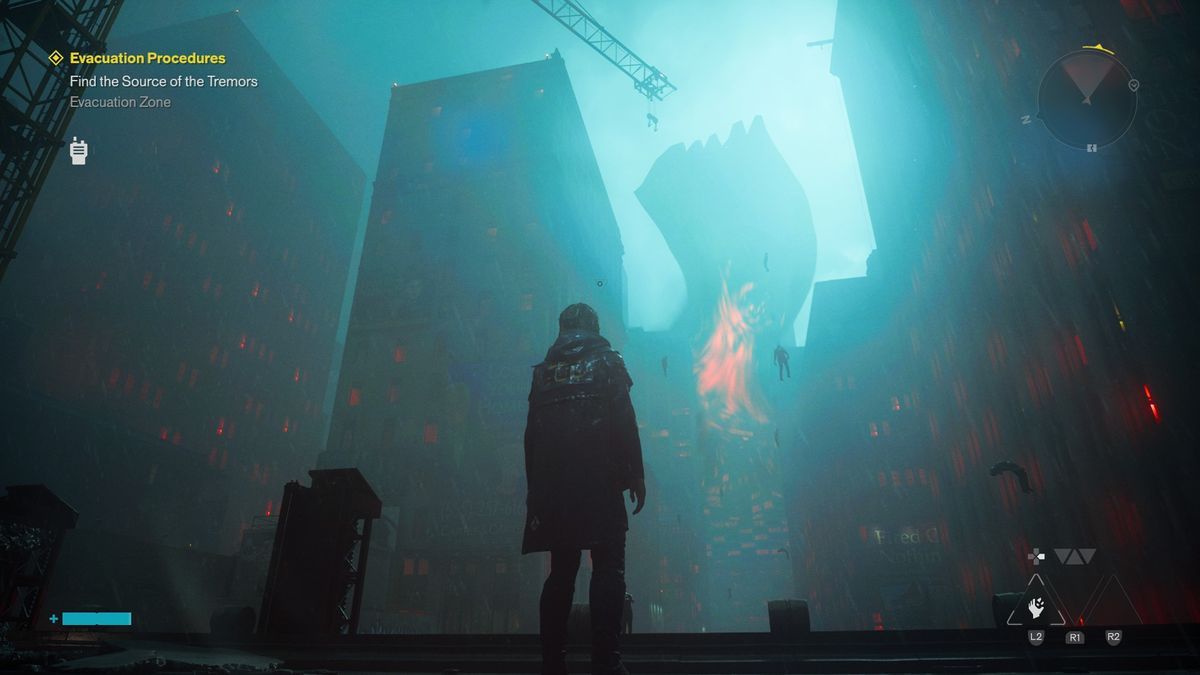
The mind palace serves as a unique hub for progression, allowing players to access an astral arena to experiment with their newly acquired powers. This innovative approach to skill progression and testing adds a psychological dimension to the gameplay, directly tying character development to Dylan’s internal struggles.
The enemy designs have also seen considerable improvement. The Hiss forces are more varied and visually distinct, with unique abilities that demand different tactical approaches. From spherical units that heal allies to more formidable, possessed entities, the combat encounters aim to keep players on their toes. The game draws comparisons to titles like Devil May Cry, emphasizing aerial combos and a wider camera perspective to provide situational awareness. The absence of a mandatory parry mechanic is also a welcome relief for players who prefer a more fluid, less demanding combat rhythm.
The Specter of Repetition: Challenges in Enemy Design and Difficulty
Despite the advancements in combat mechanics and enemy variety, Control Resonant faces a persistent challenge with enemy "sponginess." Many encounters require prolonged button mashing to defeat foes, which can detract from the fluid, combo-driven combat Remedy aims for. The constant influx of enemies, coupled with projectile-firing threats from off-screen, often prevents players from executing satisfying combo finishers.
Furthermore, the game’s dynamic leveling system, where enemy difficulty scales with player progression within each zone, can lead to a sense of stagnation. Despite unlocking new powers, players may find themselves facing increasingly durable adversaries, leading to prolonged and repetitive encounters that undermine the feeling of growing empowerment.

Remedy does offer a robust suite of accessibility options, allowing players to adjust damage dealt and received, and even enable one-hit kills. These options enable players to tailor the experience to their preferred difficulty and still earn achievements, a commendable inclusion. However, even with these adjustments, the sheer volume of prolonged enemy encounters can feel excessive, raising questions about the game’s design philosophy regarding difficulty and the balance between challenge and player engagement.
Narrative Depth and Unforeseen Curveballs
Beyond its gameplay mechanics, Control Resonant excels in its storytelling and world-building. Remedy’s signature blend of media, including live-action performances and original soundtracks, returns with aplomb. The integration of Matthew Porretta as the eccentric researcher Casper Darling adds a familiar charm. While the game may not reach the audacious heights of the Ashtray Maze from Control or the musical numbers in Alan Wake 2, it delivers compelling narrative moments.
A particularly noteworthy example is a lengthy flashback sequence presented as a 16-bit pixel art RPG, reminiscent of classic titles like Earthbound. This unexpected shift in presentation serves as a brilliant narrative curveball, showcasing Remedy’s willingness to experiment with form and engage players in novel ways.
Conclusion: A Bold Return to Form
Control Resonant represents a significant step forward for Remedy Entertainment, demonstrating their continued prowess in crafting unique and immersive worlds. The game’s ambitious scale, stunning visuals, and innovative gameplay elements make for a captivating experience. While the restrictive level design and repetitive combat encounters present some notable drawbacks, they do not fundamentally detract from the game’s overall brilliance.
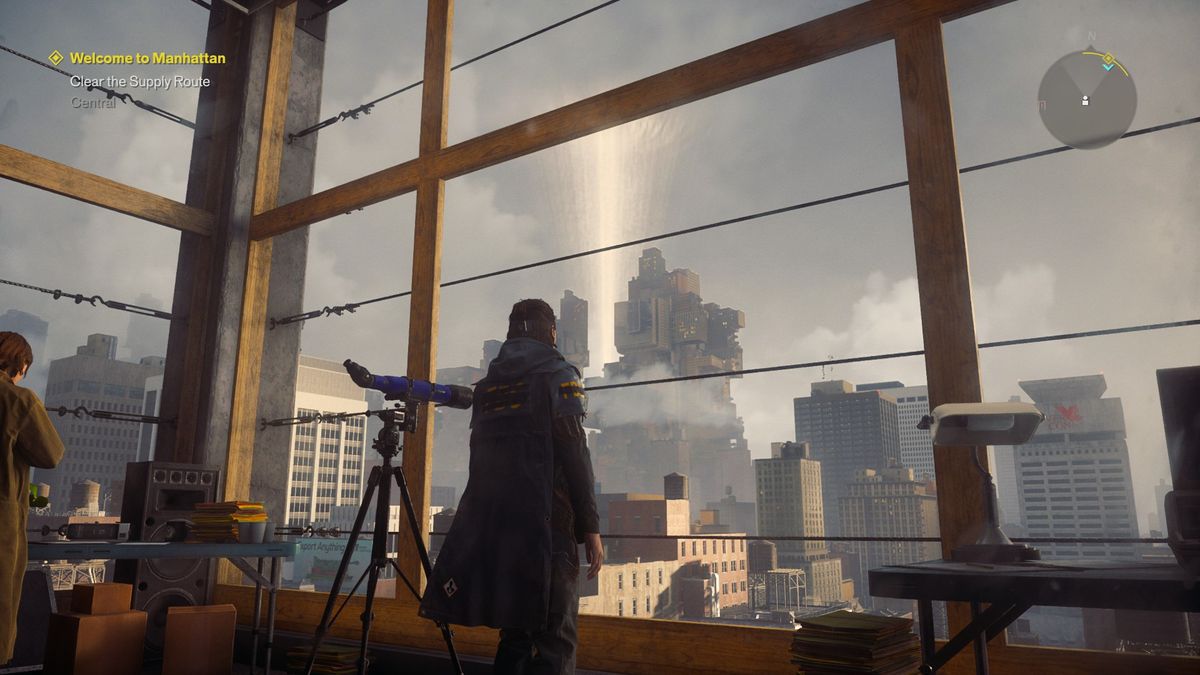
The studio’s capacity for mind-bending world-building remains as strong as ever, and Control Resonant stands as a testament to Remedy’s artistic vision. Despite its imperfections, it is a triumphant return to form for the studio, offering a paranatural nightmare that is as thought-provoking as it is thrilling. Players seeking a unique and visually arresting experience will find themselves drawn into the warped reality of Manhattan, eager to uncover its secrets and master its arcane powers.
Key Facts:
- Publisher: Remedy Entertainment
- Developer: Remedy Entertainment
- Release Date: September 24, 2026
- Platforms: PC, PlayStation 5, Xbox Series X/S
- Engine: Northlight Engine
For
- Ambitious Paranatural Vision: Every frame is a bold statement of impossible, otherworldly geometry.
- Stunning Visuals: The Northlight Engine delivers breathtaking graphics and atmospheric art direction.
- Evolved Combat: Shift towards visceral melee combat with diverse weapon forms and unlockable abilities.
- Unique Narrative Presentation: Storytelling through mixed media, including live-action and unexpected retro-style segments.
- Robust Accessibility Options: Extensive settings allow players to tailor difficulty and experience.
Against
- Restrictive Level Design: Limited traversal options and artificially gated areas hinder exploration.
- Repetitive Combat: Enemy "sponginess" and prolonged encounters can lead to a feeling of repetition.
- Navigation Challenges: Map functionality and environmental signposting can be inconsistent in complex areas.
- Scaling Difficulty Issues: Enemy scaling can sometimes lead to a grind rather than a rewarding progression.
How We Test
Creative Bloq’s expert reviewers dedicate hours to rigorously testing and comparing products and services, ensuring you receive the most informed recommendations. For detailed insights into our testing methodologies, please visit our how we test page.