
Crushed In Time: A Hilarious, Meta-Adventure That Deconstructs the Detective Genre
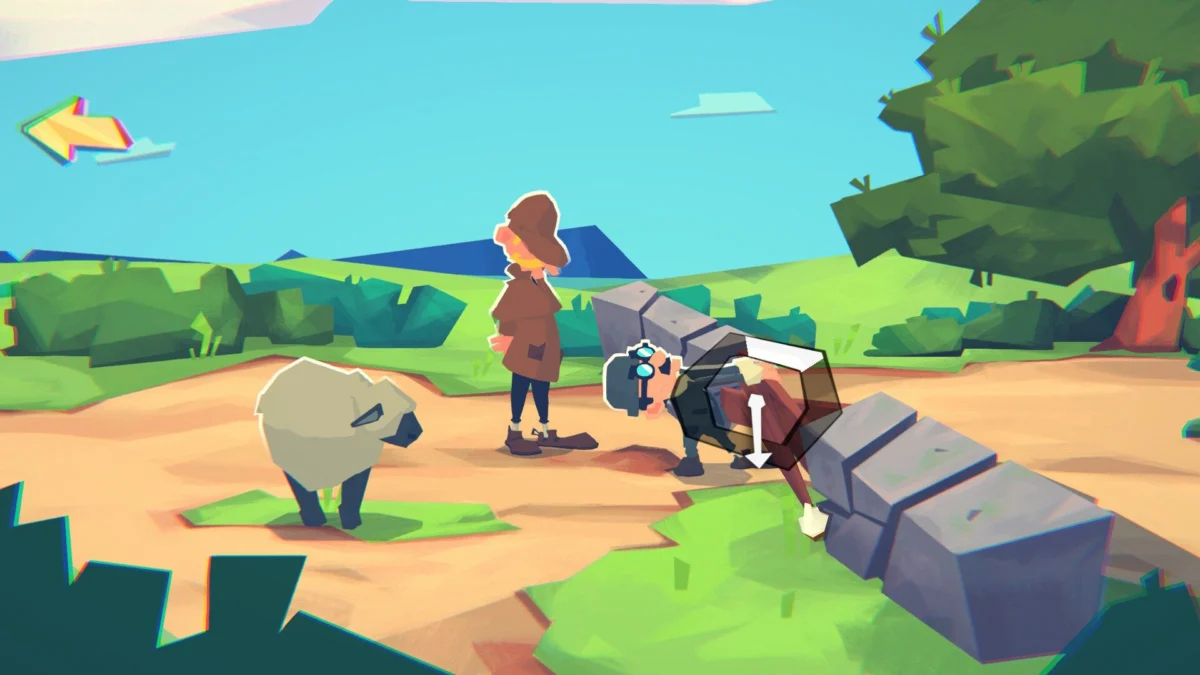
In a gaming landscape often dominated by high-octane action and sprawling open worlds, a new contender is emerging from the delightfully eccentric minds at Draw Me A Pixel. Titled Crushed In Time, this upcoming puzzle adventure game promises a unique blend of British absurdist humor, innovative physics-based gameplay, and a profound meta-commentary on the very nature of game development and storytelling. Set in a world where the iconic detective Sherlock Holmes and his loyal companion Dr. Watson find themselves at the epicenter of a game’s catastrophic launch, players are tasked with unraveling the digital unraveling of a fictional video game.
The premise is instantly engaging: moments after the "fictional game’s" launch, a deluge of negative reviews floods in, plunging the development team into a state of panic. Players are then thrust into the role of an unseen force, a "visitor to the game world," whose objective is to diagnose and rectify these critical flaws. And who better to embody this investigative spirit than the inimitable Sherlock Holmes? However, Crushed In Time presents a Holmes and Watson far removed from their traditional portrayals. This is not the stoic, brilliant detective of Baker Street, but a rather "dingy" and comically inept duo, prone to fumbling even the most mundane of daily tasks.
A Hilarious Homage to British Absurdity
The game’s comedic tone is a central pillar of its identity. Creator Cammisotto explicitly draws parallels to the beloved animated duo Wallace and Gromit, stating these comparisons are "very much intentional." In Crushed In Time, the ridiculous is not only accepted but celebrated as perfectly normal and reasonable. This sentiment resonates deeply, evoking a similar charm to the whimsical worlds of P.G. Wodehouse’s Blandings Castle or Jeeves stories. Despite the inherent silliness, the writing maintains an "exquisitely well-balanced" quality, boasting excellent comedic timing and a "lightness of touch" that ensures jokes never veer into obnoxiousness.
"Our version of Sherlock Holmes and Dr. Watson is very different from what we are used to seeing in general," Cammisotto explains in an email interview. "Here, we are dealing with a comedic and parodic version of the famous detective. You could even say that his deductions are among the worst imaginable. And Dr. Watson is hardly any better." Cammisotto’s ambition was to craft a duo that is both "funny and endearing," much like the celebrated claymation pair. "They are characters I love putting into inexplicable situations through the very meta aspect of our two games, and writing their reactions is a real treat. The voice actors also had a lot of fun with these two oddballs."
Innovative Gameplay: The Tactile Revolution of "Poke and Pull"
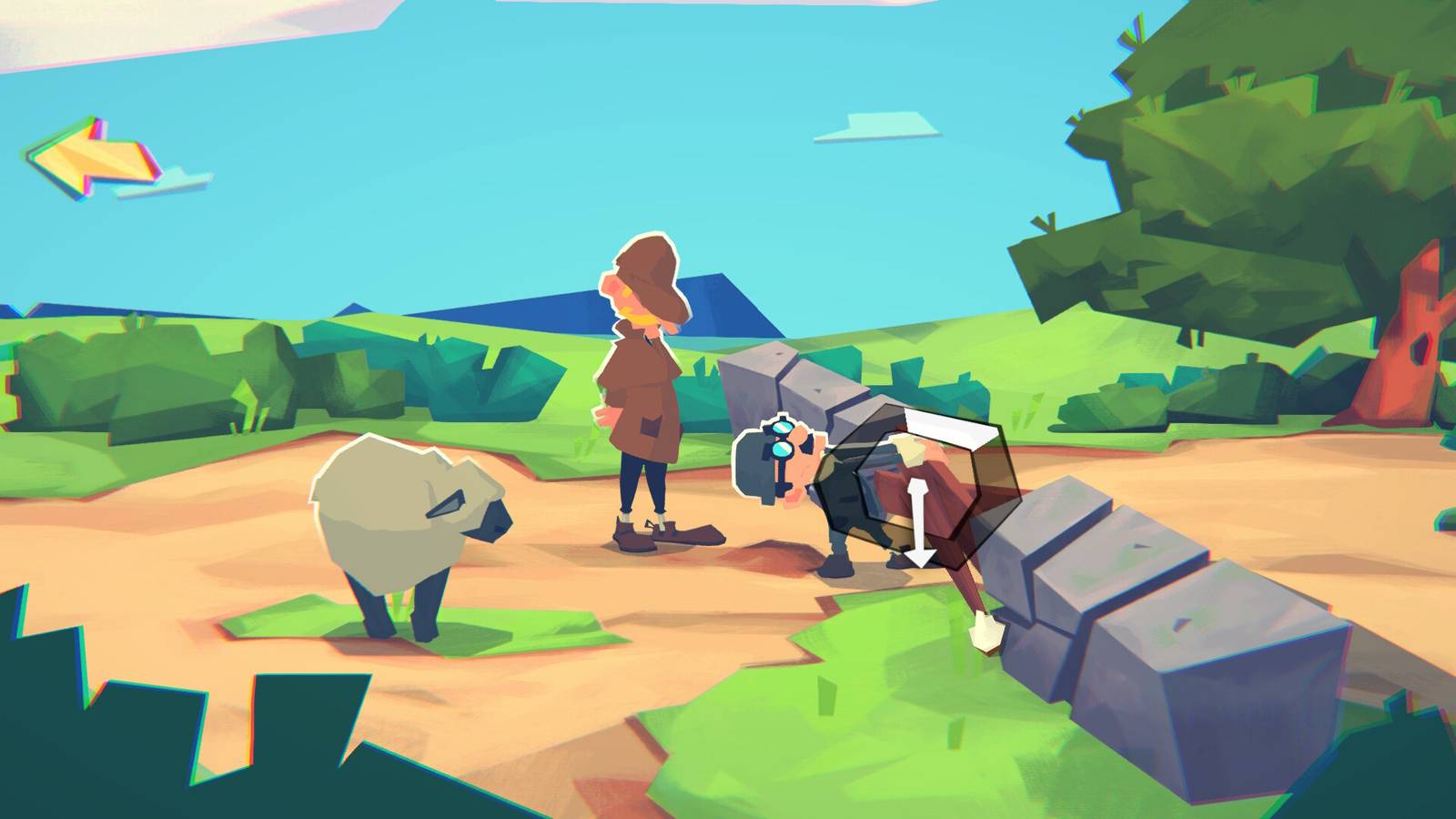
The core of Crushed In Time‘s gameplay lies in its unique interaction mechanic. As a visitor within the game’s world, players lack a traditional inventory. Instead, their only means of interaction is through "poking and pulling" at the environment. This ingenious system is described as a "clever little tongue-in-cheek nod to the creative process and a hugely enjoyable bit of physics-based puzzling." Every element within the game is susceptible to this tactile manipulation, leading to emergent and often humorous solutions.
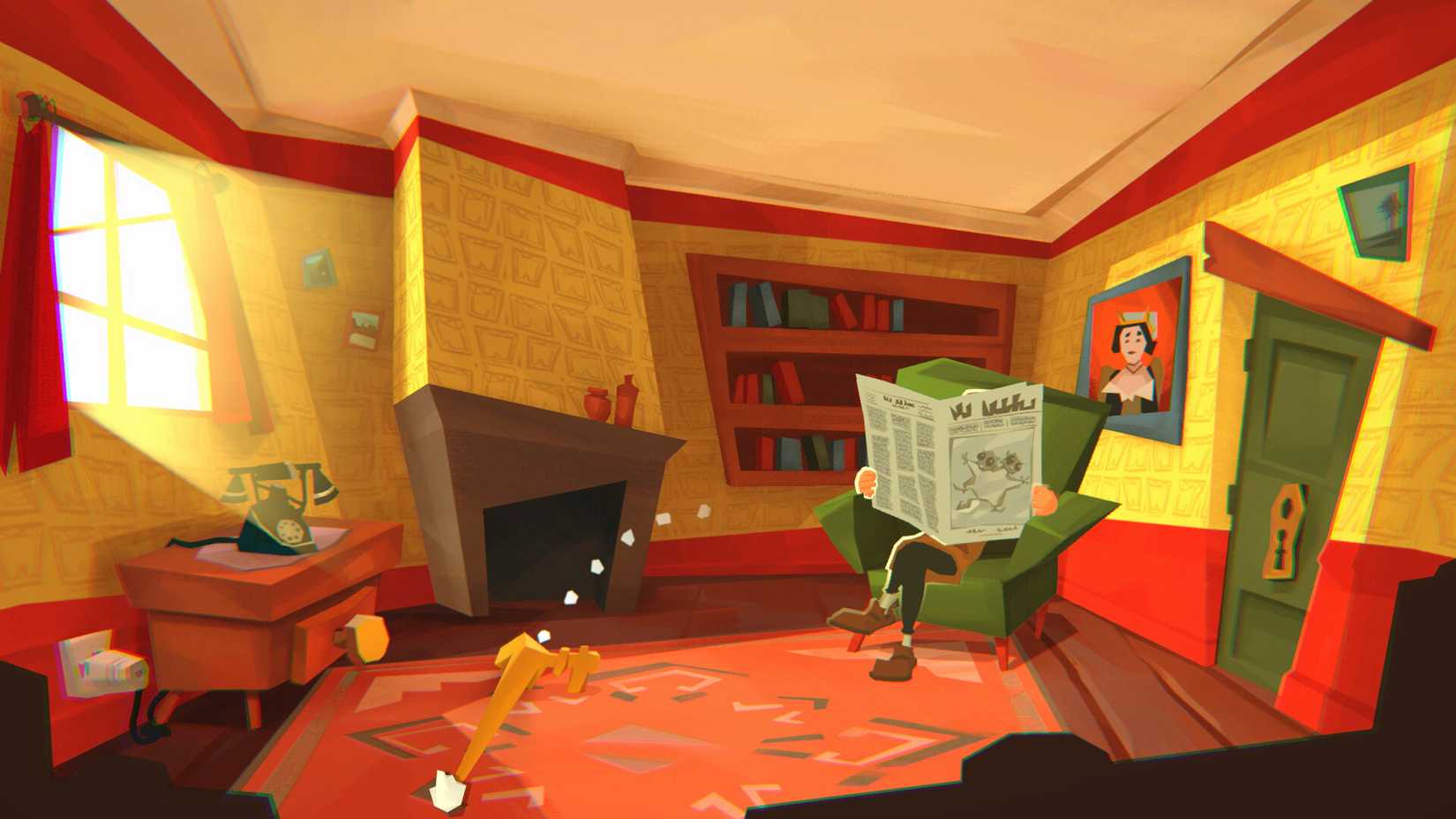
The initial puzzle elegantly demonstrates this mechanic. To rouse Holmes from his nap, the phone is the key, but its cord is ensnared within a knobless drawer. The solution involves "borrowing" the door’s handle, a precise lob across the room, and fitting it onto the drawer to retrieve the phone. The subsequent act of ringing the phone to wake Holmes and then replacing the knob leads to a new predicament: the door is now locked, with Holmes inadvertently blocking the cubby containing the key. The ingenious solution? A gentle tug on his newspaper to provoke him into moving, thus revealing the key.
"The method of interacting with the environment is so tactile and enjoyable – and also pretty unusual for adventure games," Cammisotto elaborates. "When the idea of creating an adventure centered around these two characters first emerged, our thinking about the gameplay came down to one question: How would Nintendo’s teams approach the creation of a point-and-click game if their goal was to reach a broader audience?" Recognizing that traditional point-and-click games can often feel "austere and old-school," the team aimed to "break away from that rather unsexy framework and find a new, playful, and appealing angle."
The "elasticity mechanic" was a rapid development. "It is very visual, it also plays with sound, and the interaction itself is very simple," Cammisotto notes. However, refining this concept proved to be a significant technical undertaking, requiring "a good year" of iteration. "Stretching pixels, how hard could that be? Big mistake," he jokes, highlighting the complex challenges in bringing this visually striking and interactive element to life.
Navigating the Labyrinth of Puzzle Design
The development of puzzles within this unique framework presented a formidable challenge. "Transforming a point-and-click game through this elasticity mechanic raised billions of questions," Cammisotto admits. Issues such as whether to stretch 2D or 3D elements, handling room depth, the absence of an inventory, and character occlusion all demanded stringent rules and limitations for the "stretching shader" to function effectively.
The most significant hurdle, however, was the player’s lack of an inventory, a deliberate choice rooted in both gameplay and narrative coherence. "You are not playing the game, you are inside a video game, acting directly on its elements," Cammisotto explains. "You have no bag, no pockets, and you do not control the characters. You are a human player who has entered the game." This meta-narrative perspective means that any object transfer between screens must be "physically and logically planned for within the environment," adding another layer of complexity to puzzle design.
The Meta-Narrative: A Game Within a Game
The meta-narrative, a hallmark of Draw Me A Pixel’s previous success, There Is No Game: Wrong Dimension, is a driving force behind Crushed In Time. "The main strength of our previous production… was its meta writing. The relationship between the ‘game’ and the ‘player,’ with the fourth wall being constantly broken, is what made the game successful," Cammisotto states. This fascination with deconstructing the player-game relationship is at the heart of the new title.
Crushed In Time pushes this concept further by exploring the idea of time travel not just through narrative events, but through the "production timeline of the game itself." This "incredibly rich narrative angle" provided ample creative freedom. Cammisotto emphasizes that he encountered more "choices" than "challenges," as the possibilities were vast. "And I am quite happy because everything I wrote, even the most delirious situations, made it into the final game. And I can tell you, we go pretty far with the meta time-travel idea!"
A Symphony of Comedic Inspirations
The game’s distinctive humor is a carefully curated blend of influences. Cammisotto describes the comedy as "very British," a style he deeply admires for its "absurd" qualities and "finely written, well-paced dialogue." While hundreds of unconscious references likely pepper the game, the overarching feeling is akin to a "Wallace & Gromit-style animated film: a burlesque adventure comedy that can make everyone laugh and feel something."
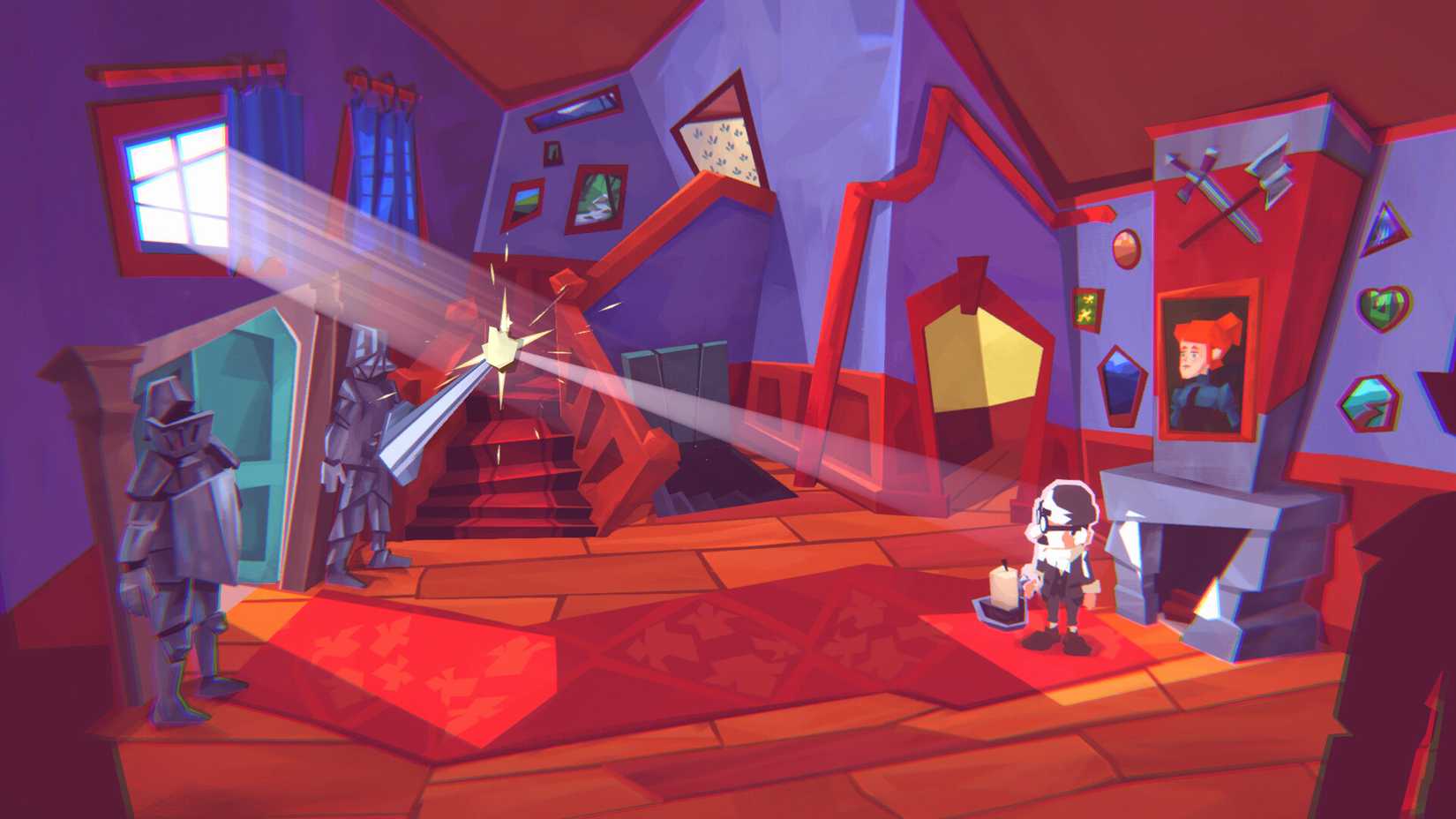
Visually, Crushed In Time draws inspiration from the groundbreaking adventure game Day of the Tentacle. "To me, it is my number one point-and-click game, and the inspiration behind its wonderfully twisted design is obvious," Cammisotto reveals. This artistic direction, previously explored in There Is No Game, has been further amplified in Crushed In Time‘s 3D environment, though he acknowledges that "placing cinematic cameras in an environment with completely broken perspectives is an absolute nightmare." This striking visual style also serves to differentiate the Sherlock Holmes game’s world from other "meta ‘worlds’" players will encounter.
Redefining the Adventure Genre
While adventure games have seen a resurgence in recent years, Cammisotto remains pragmatic about their current standing. "Apart from a few exceptions, I do not really feel that the genre has truly ‘broken out.’ To me, it still feels very niche, far, far, far behind roguelikes and other farming simulators."
It is precisely this perceived niche status that fuels the development of Crushed In Time‘s innovative mechanics. "That is the main reason why we developed a new interaction mechanic," Cammisotto explains. "We hope it will allow the game to naturally move beyond the somewhat narrow ‘point-and-click’ label and reach a broader audience." The team believes that many players may not realize their potential enjoyment of the genre, and their goal is to "help them into the saddle and take them on a lovely ride."
Crushed In Time appears poised to offer a refreshing and genuinely unique experience within the puzzle-adventure genre. By marrying a deeply engaging meta-narrative with a hilariously inept take on beloved literary characters and a groundbreaking, tactile gameplay mechanic, Draw Me A Pixel is crafting a game that is not only fun to play but also a clever commentary on the very act of creation. As players delve into the digital disarray of a fictional game, they will undoubtedly find themselves charmed by the wit, ingenuity, and sheer absurdity that defines Crushed In Time.


Leave a Comment