
Cyberpunk 2077 Unlocks Unprecedented Tabletop Success: WeirdCo CEO on Forging a TCG Legend
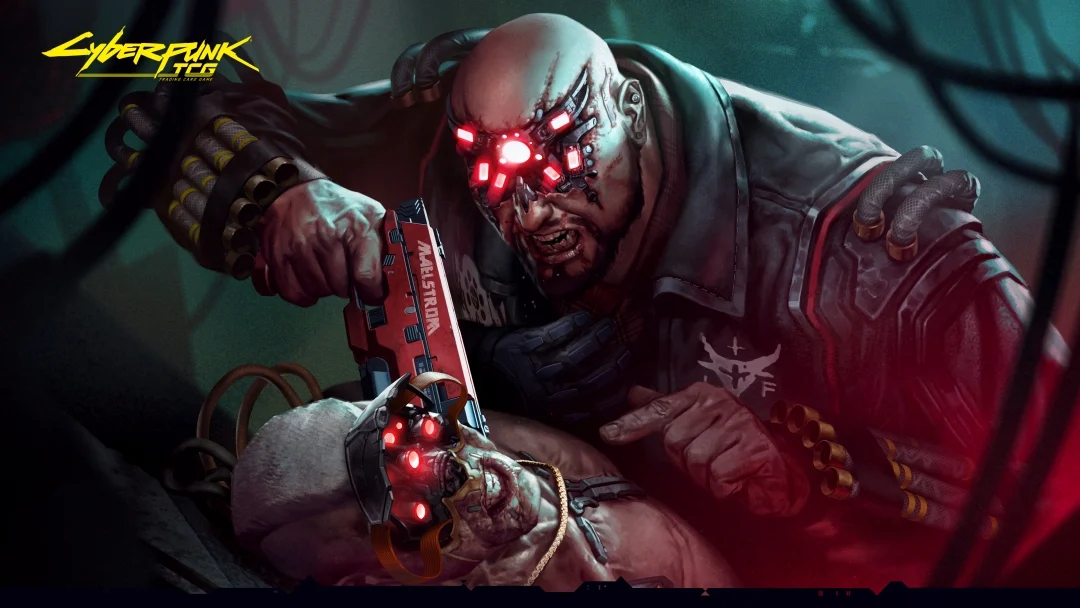
Night City’s Gritty Heart Beats Anew on the Tabletop as Cyberpunk TCG Shatters Kickstarter Records, Redefining Expectations for Franchise Adaptations.
In an era where the trading card game (TCG) market is more saturated and competitive than ever, a new contender has not just entered the arena but has utterly dominated it, rewriting the record books in a dazzling display of community engagement and franchise power. The sprawling, neon-drenched dystopia of Cyberpunk 2077, brought to life by CD PROJEKT RED, has found an astonishingly successful new home on the tabletop through a collaborative effort with WeirdCo Games. Their ambitious project, the Cyberpunk Trading Card Game, has not merely met its funding goals; it has obliterated them, signaling a profound hunger for innovative TCG experiences rooted in beloved universes.
This article delves into the meteoric rise of the Cyberpunk TCG Kickstarter, exploring the strategic design philosophies articulated by Luohan Wei, CEO of WeirdCo, and examining the broader implications of this groundbreaking success for both the TCG landscape and the future trajectory of the Cyberpunk franchise. From its rapid-fire funding to its unique gameplay mechanics, the Cyberpunk TCG represents a compelling case study in translating a complex open-world RPG into a compelling, competitive card game.
The Unprecedented Ascent: A Chronology of Record-Breaking Success
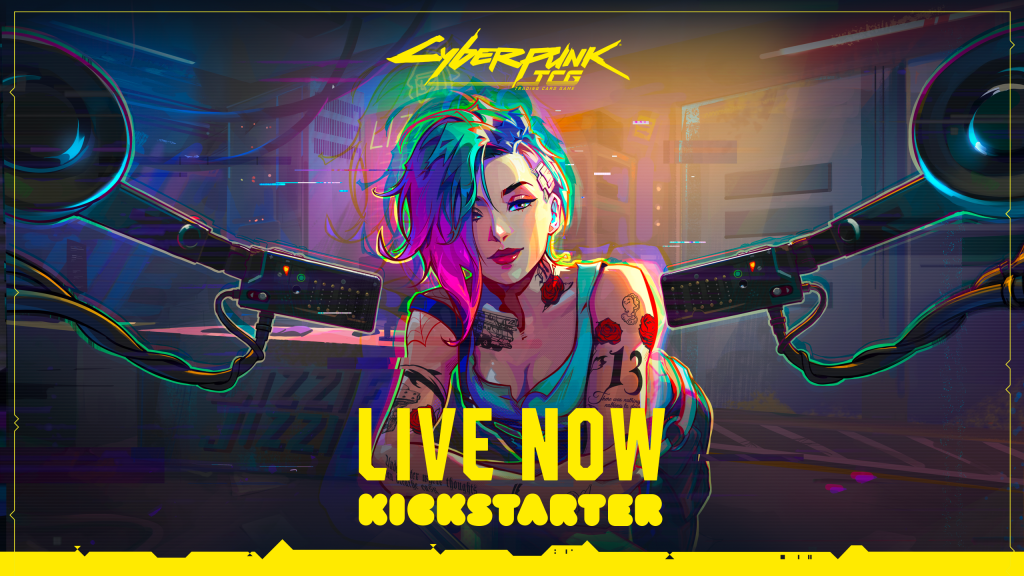
The journey of the Cyberpunk Trading Card Game on Kickstarter has been nothing short of phenomenal, a testament to the enduring appeal of Night City and the strategic vision of its creators. The campaign, which promised to bring iconic characters and factions from both the critically acclaimed Cyberpunk 2077 video game and the beloved Netflix anime series Cyberpunk: Edgerunners to the tabletop, launched with an initial funding goal of $100,000. What transpired next was a whirlwind of pledges that defied conventional expectations.
In an astonishing display of immediate enthusiasm, the campaign reached its ambitious $100,000 target in a mere seven minutes. This initial surge was a clear indicator of the fervent anticipation surrounding the project, yet it was only the prelude to a far grander narrative of success. The momentum built rapidly, fueled by a combination of dedicated Cyberpunk fans, TCG enthusiasts, and curious newcomers drawn in by the buzz.
By March 31, 2026, a date now etched into the annals of crowdfunding history, the Cyberpunk Trading Card Game officially claimed the title of the most-funded game in Kickstarter history. It surpassed the previous record-holder, Brandon Sanderson’s Cosmere RPG, which had raised an impressive $15.1 million, by accumulating over $15.4 million. This achievement alone was monumental, yet the campaign showed no signs of slowing down. As of this writing, with just over two days remaining in the funding period, the Cyberpunk TCG has surged past the $22 million (£16.2 million) mark, cementing its status as a crowdfunding titan and a significant cultural phenomenon. This extraordinary financial backing underscores not only the brand power of Cyberpunk but also the sophisticated marketing and community engagement strategies employed by WeirdCo Games and CD PROJEKT RED. The rapid and sustained growth in pledges highlights a successful resonance with a diverse backer base, indicating a broad appeal that extends beyond niche fan groups.
From Night City to Tabletop: The Genesis of an Idea
The decision to adapt a sprawling, narrative-driven RPG like Cyberpunk 2077 into a competitive trading card game might seem daunting, but for Luohan Wei, CEO at WeirdCo, the appeal was inherent and undeniable. The universe of Cyberpunk is, by its very nature, a fertile ground for strategic gameplay and rich lore exposition, perfectly suited for the TCG format.
The Rich Tapestry of Cyberpunk Lore
Wei emphasizes the narrative wealth embedded within the Cyberpunk universe as a primary driver for its tabletop adaptation. "We love the stories that inhabit the world of Cyberpunk 2077," Wei explains. "Just looking at the different arcs between Edgerunners [the TV series] and 2077 [the video game], you can feel that Night City has a lot of stories to tell. That’s awesome for a TCG where we have room to explore storylines from the entire franchise, including characters from the comic books, novels and more that exist in this vibrant landscape."
This breadth of storytelling is a critical advantage. Unlike games built from scratch, the Cyberpunk TCG immediately benefits from a pre-existing, deeply developed lore. Players are already familiar with the high stakes, moral ambiguities, and desperate struggles that define life in Night City. This allows the card game to tap into a vast reservoir of emotional investment and narrative potential, translating established characters, locations, and events into powerful, thematic cards. The ability to pull from various media—games, anime, comics, and novels—ensures a rich and diverse card pool from the outset, promising continuous fresh content and deeper dives into unexplored corners of the franchise. It fosters a sense of continuity and expansion, where the card game becomes another vital conduit for experiencing the Cyberpunk narrative.
Factions, Roles, and Strategic Depth
Beyond the overarching narratives, the internal dynamics of Night City provide an equally compelling framework for a TCG. The city is a mosaic of powerful corporations, ruthless gangs, and independent nomads, all vying for dominance and influence. This inherent conflict translates seamlessly into strategic deckbuilding and gameplay.
"We also love the factions that are inherent in Cyberpunk 2077," Wei states, elaborating on how these societal divisions enrich the game. "Corpos, gangs, nomads… All of these factions contribute to a rich environment that is perfect for TCG deck expression." Players can choose to align their decks with the corporate might of Arasaka or Militech, the street-level brutality of the Valentinos or Maelstrom, or the independent spirit of the Aldecaldos. Each faction brings its unique playstyle, strengths, and weaknesses, encouraging diverse deck archetypes and fostering a meta-game ripe with strategic choices.
Furthermore, the iconic "roles" within the Cyberpunk universe—such as netrunners, fixers, mercs, and ripperdocs—offer another layer of strategic depth. These roles, representing different skill sets and ways of navigating Night City, can be translated into unique card abilities, character classes, or resource management systems within the TCG. Wei confirms this, noting, "Combined with the various ‘roles’ you can have, like netrunner, fixer, merc, ripperdoc and so on, Cyberpunk 2077 has all the ingredients for a naturally diverse and expressive TCG adaptation." This structural diversity ensures that the game can cater to a wide range of player preferences, from aggressive combat strategies to more subtle, control-oriented approaches, truly embodying the multifaceted nature of the Cyberpunk experience.
The Gwent Legacy: CDPR’s TCG Prowess
It’s impossible to discuss the Cyberpunk TCG without acknowledging the significant precedent set by CD PROJEKT RED’s previous venture into the card game space: Gwent: The Witcher Card Game. Originally a mini-game within The Witcher 3: Wild Hunt, Gwent evolved into a standalone, highly popular competitive TCG with its own dedicated fanbase. This history provided a clear blueprint and invaluable experience for the development of the Cyberpunk TCG.
"We feel the broader CD PROJEKT RED community has had a special relationship with TCGs, given its history with Gwent," Wei observes. "We feel it is only fitting for Cyberpunk to also get its own interpretation in the card game space." This established relationship with card games means that a significant portion of the Cyberpunk fanbase is already predisposed to the TCG format, understanding its nuances and appreciating the strategic depth it offers. The success of Gwent undoubtedly instilled confidence in both CD PROJEKT RED and WeirdCo that the Cyberpunk universe could similarly thrive on the tabletop. It also suggests that lessons learned from Gwent‘s design, community management, and ongoing support could be directly applied to ensure the longevity and competitive integrity of the Cyberpunk TCG. The legacy of Gwent acts as both a benchmark and a foundation, promising a level of polish and player-centric design that fans have come to expect from CD PROJEKT RED-associated projects.
Crafting the Core Experience: Official Responses from WeirdCo
Translating the immersive, open-world experience of an RPG into a tightly structured, competitive card game requires a delicate balance of abstraction and authentic representation. WeirdCo’s design philosophy for the Cyberpunk TCG focused on distilling the essence of Cyberpunk 2077 into core gameplay loops that resonate with players of the video game.
Replicating the Cyberpunk Grind: Gigs and Street Cred
At the heart of the Cyberpunk 2077 video game experience is the relentless pursuit of "Street Cred" – taking on dangerous "gigs" for fixers to climb the ranks of Night City’s underworld. WeirdCo identified this as a fundamental element to translate into the TCG. "There are some obvious elements that we wanted to include, like equipping gear and upgrading your character," Wei notes, highlighting foundational RPG mechanics. "And we wanted to build the core game around what you do in Cyberpunk 2077 – taking on gigs to earn Street Cred and become a Night City legend."

This concept forms the central victory condition and thematic core of the Cyberpunk TCG. The developers ingeniously created a unique "Gig system" that uses dice to represent these jobs players undertake. Unlike traditional TCGs where victory often hinges on depleting an opponent’s life total or deck, Cyberpunk TCG aims for a more narrative-driven victory. "We chose to represent Gigs by a series of dice from d4 to d20 – we believe this is real innovation in the TCG space," Wei elaborates. "Players roll a dice that represents a Gig at the beginning of their turn, then fight with their opponent by stealing Gigs from each other, and win by having six or more Gigs at the start of their turn." This system directly mirrors the video game’s progression: players aren’t just fighting for survival, but actively competing to complete jobs and accrue the necessary reputation (represented by Gigs) to cement their legend in Night City. It introduces a tangible, thematic goal that grounds the card game firmly within the Cyberpunk universe.
The Dice Roll: A Calculated Risk for Innovation
The introduction of dice into a competitive trading card game is often met with caution, if not outright skepticism, by seasoned TCG players who typically prefer deterministic outcomes and pure strategic depth. Dice introduce an element of randomness that can sometimes feel antithetical to the precision and control many TCG players seek. However, Wei and his team at WeirdCo view this as a deliberate and innovative design choice, carefully integrated to enhance, rather than detract from, the strategic experience.
"We really love this system, and while we know card game fans are cautious of dice, rolling high isn’t critical to advancing your gameplan, especially as both players can compete for any dice rolled in the game," Wei explains. This crucial distinction is key to understanding the Cyberpunk TCG‘s approach. The dice rolls for Gigs aren’t merely pass/fail checks; they create a shared resource and a contested objective. A low roll might mean a less valuable Gig, but it’s still a Gig that can be claimed or stolen. Conversely, a high roll presents a tempting target for an opponent. This dynamic introduces a layer of tactical decision-making: when to commit resources to secure a high-value Gig, when to disrupt an opponent’s progress, and how to mitigate the inherent variability of the dice.
The system aims to balance unpredictability with strategic agency, ensuring that players’ choices, deck construction, and tactical plays remain paramount, even in the presence of random elements. It reflects the chaotic, unpredictable nature of Night City itself, where even the best-laid plans can go sideways, but clever improvisation often wins the day. "We believe TCG players will love the way we’ve incorporated Gig dice to make things feel unique, yet familiar," Wei concludes, signaling confidence that this innovation will be embraced as a fresh twist on the TCG formula rather than a mere arbitrary mechanic. It challenges the conventional wisdom of TCG design, aiming to offer a distinct gameplay identity that mirrors the high-risk, high-reward ethos of Cyberpunk.
Fan Service and Future Horizons
Beyond mechanics, the Cyberpunk TCG is clearly designed to be a love letter to the franchise’s dedicated fanbase. The revelation of iconic characters has been a major draw, promising players the chance to build decks around their favorite Night City legends. Characters such as V, Jackie Welles, Judy Alvarez, and the formidable Adam Smasher have already been confirmed, alongside fan-favorite Lucy from Cyberpunk: Edgerunners.
"We’ve revealed a ton of fan favorites already," Wei says with enthusiasm. "We have a lot of room to explore all avenues of the franchise across the many sets of Cyberpunk TCG we plan on releasing. So we hope players look forward to seeing all their favorites appear at one point or another." This commitment to deep dives into the Cyberpunk lore, promising a continuous stream of character and thematic content, is vital for long-term engagement. It assures fans that their beloved universe will be respected and expanded upon, keeping the game fresh and exciting through future expansions.
Simultaneously, WeirdCo understands the importance of accessibility. While catering to established fans is crucial, the game also aims to attract newcomers. Wei stresses that community building will be as vital as the game’s mechanics. "Our goal is to build the best community in the TCG space," he asserts. "That means creating a welcoming environment for new players too, where existing members are eager to lend a hand in teaching the game and showing what the community has to offer." This dual approach—appealing to veterans with rich lore and complex mechanics, while simultaneously fostering a supportive environment for beginners—is a cornerstone of sustainable TCG growth.
Beyond the Kickstarter: Implications for the TCG Market and Cyberpunk Franchise
The extraordinary success of the Cyberpunk Trading Card Game Kickstarter campaign carries significant implications, not only for WeirdCo Games and CD PROJEKT RED but for the broader TCG market and the future of multimedia franchise adaptations.
Navigating a Crowded Market
The TCG market is notoriously competitive, dominated by long-standing giants like Magic: The Gathering and Pokémon, alongside popular digital entrants and a continuous stream of new physical games. For a new TCG to not only gain traction but shatter crowdfunding records indicates a powerful confluence of factors. The Cyberpunk brand, with its global recognition and passionate fanbase, provides an unparalleled launchpad. However, brand alone is often not enough; the innovative gameplay mechanics, particularly the Gig system and its integration of dice, suggest that WeirdCo has designed a game that is distinct enough to carve out its own niche.
The record-breaking funding signifies a robust initial player base, providing the necessary capital for extensive post-launch support, competitive organized play, and continuous content development. This financial cushion is critical for any new TCG aiming for longevity in a market where many promising titles falter due to lack of sustained investment. The Cyberpunk TCG has demonstrated that there is still immense appetite for well-crafted, thematic card games, particularly when they emanate from a beloved IP and offer fresh gameplay twists.
Community as the Cornerstone
Wei’s emphasis on community building highlights a crucial understanding of the TCG ecosystem. A successful TCG isn’t just a collection of cards and rules; it’s a living, breathing community of players. Fostering a welcoming and engaging environment, where new players feel empowered to learn and veterans are motivated to teach and compete, is paramount. The massive Kickstarter success has already created a foundational community, eager to dive into Night City’s tabletop iteration. WeirdCo’s challenge will be to nurture this community, provide robust organized play support, and maintain transparency and communication with its player base. The lessons learned from Gwent‘s community management, including its digital integration and competitive circuit, could prove invaluable here.
The Future of Night City on the Tabletop
The Cyberpunk TCG represents a significant expansion of the Cyberpunk multimedia franchise. It’s not just a licensed product; it’s an active extension of the universe, allowing players to embody the very essence of Night City’s struggle and ambition. This TCG could serve as a powerful new touchpoint for the franchise, drawing in players who might not typically engage with video games or anime, while offering existing fans a fresh perspective on the lore they love.
Its success also validates a strategy of cross-media adaptation, demonstrating that a deep, rich universe can be effectively translated into diverse entertainment formats. As the Cyberpunk universe continues to expand with future video game installments, potential anime seasons, and other media, the TCG will likely play an integral role in maintaining fan engagement and reinforcing the brand’s pervasive presence across different platforms. The promise of exploring "all avenues of the franchise" through future sets suggests a long-term vision where the TCG evolves alongside the broader Cyberpunk narrative, perhaps even introducing new lore elements or alternative timelines that deepen the overall experience.
Conclusion
The Cyberpunk Trading Card Game has emerged as a formidable force, propelled by the unparalleled allure of Night City and the strategic ingenuity of WeirdCo Games. Its record-shattering Kickstarter performance is a resounding affirmation of the enduring power of well-executed franchise adaptations and innovative game design. By meticulously translating the core elements of Cyberpunk 2077—its rich lore, compelling factions, iconic roles, and the relentless pursuit of Street Cred—into a unique and engaging TCG experience, WeirdCo has not only satisfied a fervent fanbase but also introduced a refreshing dynamic to the competitive card game landscape. As the campaign concludes and the game moves closer to release, the Cyberpunk TCG stands poised to carve out a significant legacy, proving that even in a crowded market, daring design and a beloved universe can truly become legendary.



Leave a Comment