Disney Jr. and Animaj Unveil "Ozzy Fox": A Bold Step into AI-Driven Preschool Animation
New Series Marks Quiet Debut on YouTube, Signaling a Growing Trend in AI Integration
In a move that underscores the rapidly evolving landscape of children’s entertainment, Disney Jr. and the French AI-driven animation company Animaj have quietly launched "Ozzy Fox," a new preschool series developed collaboratively. The debut, which occurred this past Wednesday with the release of the first two episodes on YouTube and YouTube Kids, has already garnered significant attention, nearing an impressive 800,000 combined views within just two days. This understated launch strategy, eschewing a formal press release in favor of letting the content speak for itself, hints at a deliberate and forward-thinking approach by both companies, particularly Disney’s increasing engagement with AI-powered production methods.
The Genesis of Ozzy Fox: Creative Minds and AI Collaboration
"Ozzy Fox" is the brainchild of veteran children’s television producer Jennifer Oxley, known for her work on beloved series such as "Peg + Cat," "Wonder Pets!," and "Little Bill." The series was further developed by Guillermo García Carsí, a co-creator of the acclaimed "Pocoyo," who joined Animaj as creative director in 2023. The musical backbone of the series is provided by a songwriting team including Chen Neeman, Kat Rende, and JP Rende.
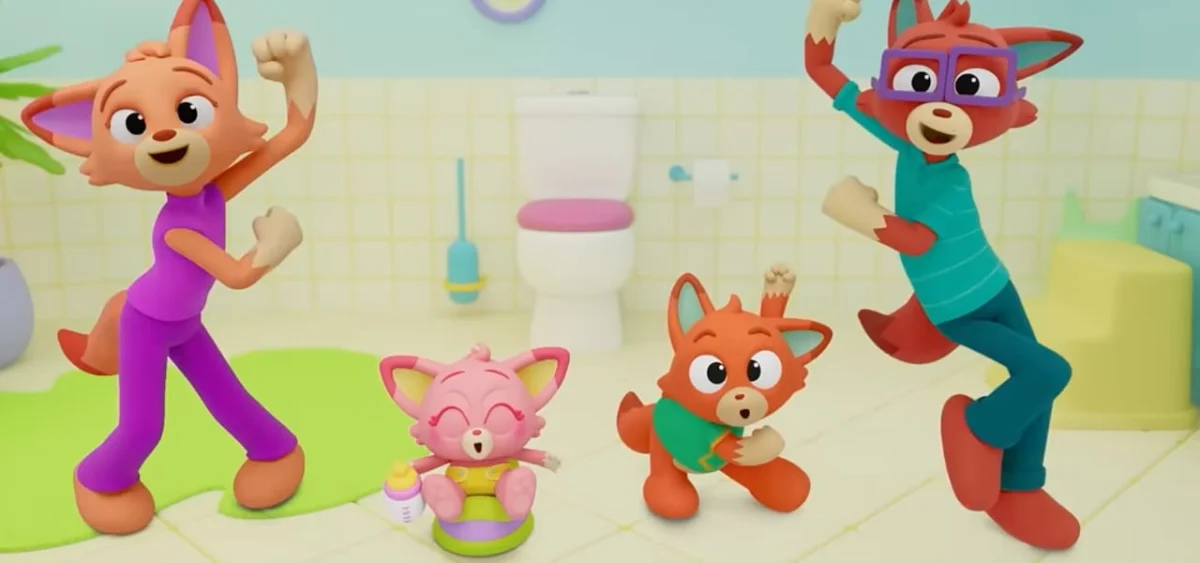
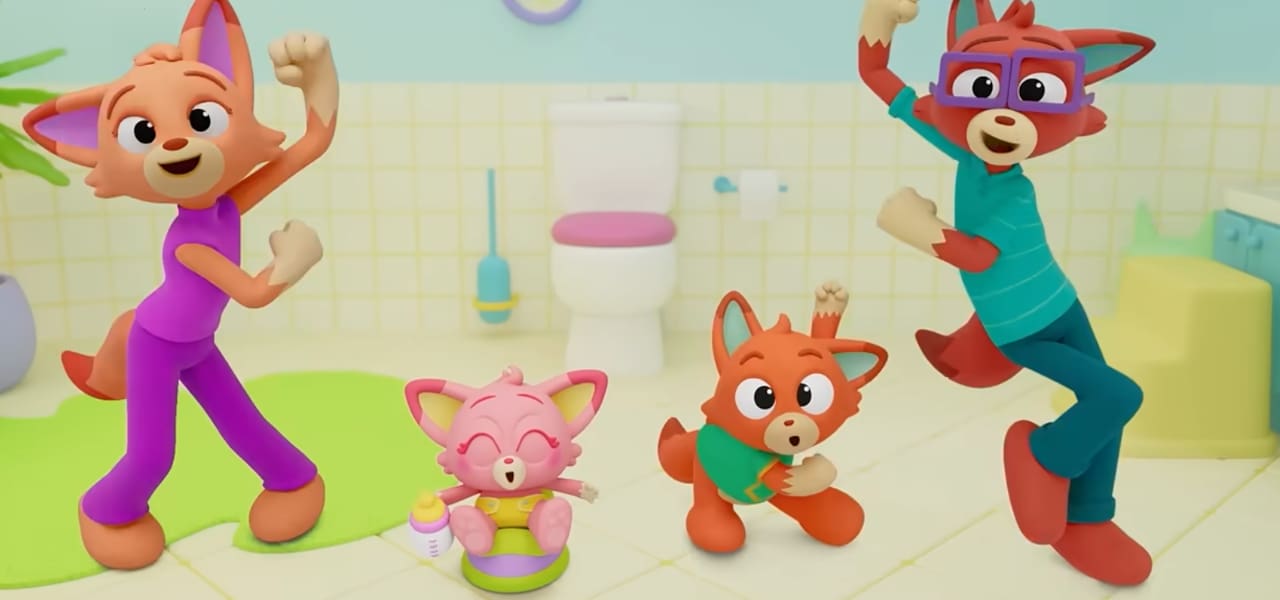
At its core, "Ozzy Fox" is a music-driven narrative that centers on a curious five-year-old fox. Through the boundless lens of his imagination, ordinary childhood routines are transformed into engaging games and exciting adventures. The initial two episodes, provocatively titled "The Floor Is Lava! Squeaky Clean Up Game" and "Potty Party Dance Break!," tackle relatable themes for preschoolers: the importance of tidying up and the often-challenging journey of toilet training. The vibrant animation and catchy tunes aim to make these developmental milestones both fun and accessible for young viewers.
A Subtle Launch, A Powerful Message
The decision to forgo a traditional press announcement for "Ozzy Fox" is a notable departure from industry norms, particularly for a Disney property. Instead, Animaj co-founder Sixte Vauplane took to LinkedIn to publicly celebrate the series’ launch. This indirect approach suggests a strategic intent to allow organic discovery and viewer engagement to drive initial interest, a tactic that appears to be paying dividends.
The quiet debut, however, belies the significant implications of this collaboration. Disney’s partnership with Animaj on an original series directly leverages Animaj’s core strength: its AI-driven animation pipeline. This marks a significant step for Disney Jr., signaling a clear embrace of artificial intelligence in content creation for its youngest demographic. While the specifics of how Animaj’s AI tools were employed in the production of "Ozzy Fox" remain undisclosed, the company has been vocal about its proprietary technology.
Animaj’s AI Advantage: Revolutionizing Animation Production
Animaj has consistently promoted its advanced production pipeline, which incorporates AI-assisted technologies such as sketch-to-pose prediction and motion in-betweening. The company asserts that these tools can dramatically accelerate production timelines and reduce costs, without compromising on creative quality. This technological edge has already been applied to prominent children’s franchises, including "Pocoyo" and the "Maya the Bee" series, demonstrating Animaj’s capability to integrate AI into established and beloved IPs.
The integration of AI into animation production is not a new phenomenon, but the direct involvement of such sophisticated AI tools in a Disney Jr. series marks a new frontier. While many studios are exploring and implementing AI in various capacities, explicit disclosure of its role is becoming increasingly rare. This trend was recently highlighted by Netflix, which revealed its use of generative AI tools on nearly 300 titles this year alone, yet only named three specific examples. The understated nature of "Ozzy Fox’s" AI integration by Animaj and Disney Jr. could indicate a broader industry shift towards normalizing AI as a standard production tool, rather than a novel or experimental one.
.png)
The Strategic Partnership: Beyond Content Creation
The "Ozzy Fox" collaboration is not an isolated incident but rather a deepening of an existing strategic alliance between Disney and Animaj. The two companies already have a commercial agreement through Lumee, a children’s YouTube advertising venture co-founded by Animaj and Hasbro Entertainment. Lumee now manages advertising inventory across several key Disney channels, including Disney Jr., Disney Kids, Star Wars Kids, Marvel HQ, and Nat Geo Kids.
This broader partnership suggests a comprehensive strategy where Animaj’s technological prowess and content creation capabilities are being integrated into Disney’s extensive media ecosystem. For Disney, this represents an opportunity to explore more efficient and potentially innovative production methods, while for Animaj, it provides unparalleled access to a global distribution platform and a prestigious brand association. The "Ozzy Fox" series, therefore, can be seen as a tangible outcome of this multifaceted relationship, showcasing the potential of AI in creating engaging content for young audiences.
Implications for the Future of Preschool Animation
The launch of "Ozzy Fox" carries significant implications for the future of preschool animation.
- AI as a Standard Production Tool: The success and viewership of "Ozzy Fox" could embolden other studios to further integrate AI into their animation pipelines, potentially leading to faster production cycles and a wider variety of content. The industry may move towards a model where AI is not just an experimental tool but a fundamental component of the creative process.
- Cost-Effectiveness and Accessibility: Animaj’s claims of reduced production costs through AI could make high-quality animation more accessible to a broader range of creators and studios, potentially democratizing the animation landscape. This could lead to a surge in independent productions and a greater diversity of voices in children’s programming.
- Evolving Creative Roles: While AI tools can automate certain aspects of animation, they also create new roles and demand new skill sets. Animators and creatives may find themselves working in tandem with AI, focusing on higher-level creative direction, ideation, and refinement. The focus might shift from manual execution to strategic oversight and artistic vision.
- Ethical Considerations and Transparency: As AI becomes more prevalent, questions surrounding authorship, copyright, and the ethical implications of AI-generated content will undoubtedly intensify. The current trend of less disclosure regarding AI’s role in production raises concerns about transparency and the potential for a lack of public understanding regarding how content is created. Future industry discussions will likely need to address these issues proactively.
- Content Innovation for Young Audiences: The potential for AI to generate novel visual styles, interactive elements, and personalized content could lead to entirely new forms of entertainment for young children. "Ozzy Fox," with its music-driven approach and focus on developmental themes, offers a glimpse into how AI can enhance pedagogical content for preschoolers.
The quiet debut of "Ozzy Fox" marks a significant moment, not just for Disney Jr. and Animaj, but for the entire animation industry. It represents a tangible step towards a future where artificial intelligence plays an increasingly integral role in bringing stories to life, especially for the youngest of audiences. As this trend continues to unfold, the industry will be watching closely to see how these advancements shape the creative process, the content we consume, and the very definition of animation itself. The journey of Ozzy Fox, the imaginative young fox, may well be a harbinger of a new era in animated storytelling.