The approach of the United States’ semiquincentennial—the 250th anniversary of the signing of the Declaration of Independence—presents a curious contrast to the fervor of the 1976 Bicentennial. While the 200th anniversary was marked by a tidal wave of commercial tie-ins, parades, and a massive outpouring of pop-culture patriotism, the 250th anniversary appears to be unfolding with a more contemplative, perhaps even subdued, tone. However, within the world of sequential art, the legacy of 1776 remains a potent catalyst for creativity.
From the mass-market superhero gloss of the 1970s to the sophisticated, meticulously researched graphic histories of the 2020s, the comic book industry has served as a unique mirror for America’s evolving relationship with its founding. As historians and artists prepare for the 2026 milestone, a new wave of graphic literature is redefining how the "American Experiment" is visualized for a modern audience.
Main Facts: The Shift from Commemoration to Education
The intersection of comics and the American Revolution has historically been divided into three distinct categories: mainstream corporate patriotism, underground counter-narratives, and contemporary academic adaptations.
During the 1976 Bicentennial, the "Big Two" publishers—DC and Marvel—utilized their flagship characters to anchor commemorative issues. These often featured Superman, Captain America, or Archie Andrews interacting with historical figures or re-enacting key moments of the Revolution. These were largely celebratory, designed to align iconic American brands with the national zeitgeist.
In contrast, the 2020s have seen a pivot toward "Graphic History." Led by creators like R. Sikoryak and the adaptation of Pulitzer Prize-winning historians like Rick Atkinson, the medium is now being used to bridge the gap between dense academic prose and visual literacy. This modern movement prioritizes historical accuracy and nuance over simple myth-making, reflecting a broader societal desire to understand the complexities, contradictions, and military realities of the 18th century.
Chronology: A Century of Revolutionary Panels
The Early Era: Educational Strips (1930s–1950s)
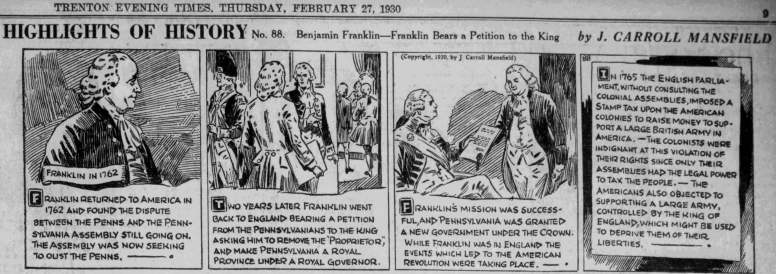
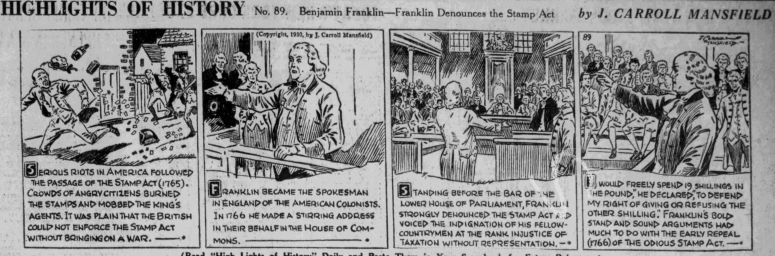
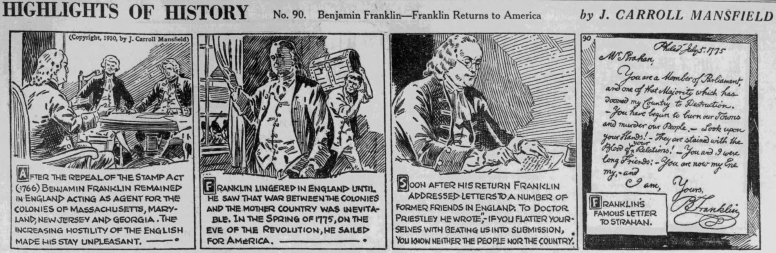
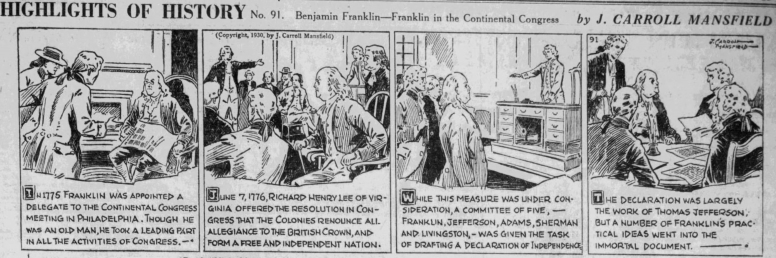
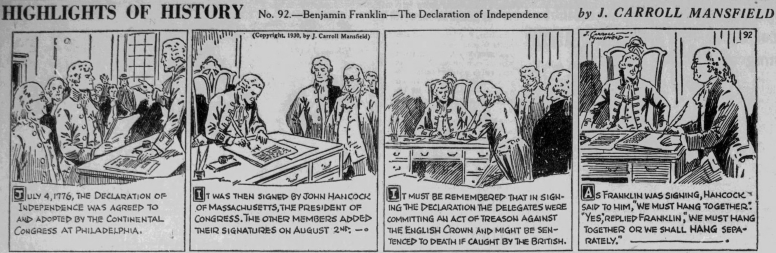
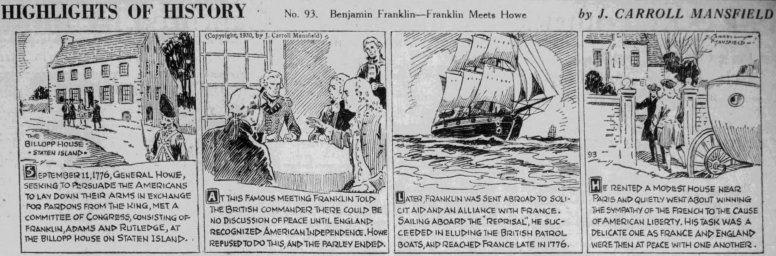
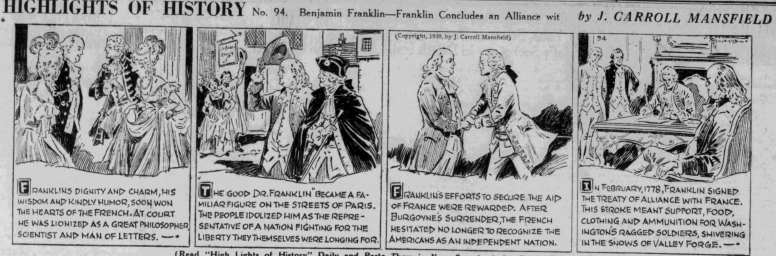
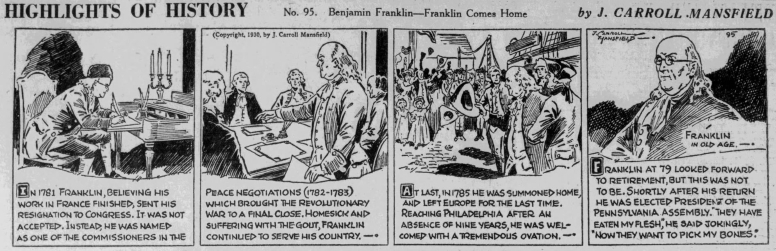
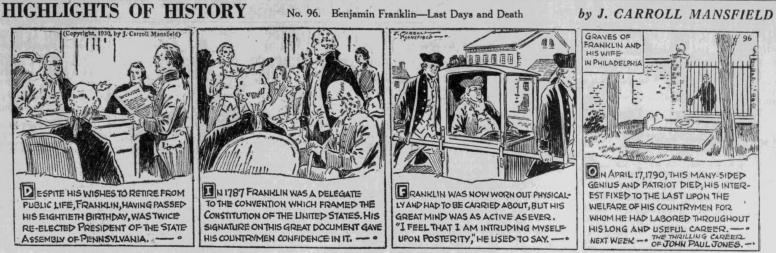
Long before the graphic novel was a recognized format, newspaper comic strips served as the primary source of visual history for the American public. One of the most significant contributors was J. Carroll Mansfield, whose Highlights of History became a staple of the 1930s. Mansfield’s 1930 biography of Benjamin Franklin utilized the daily strip format to humanize the Founding Fathers, moving through the diplomatic tensions of the Revolution with a clarity that influenced generations of readers.
The Bicentennial Peak (1976)
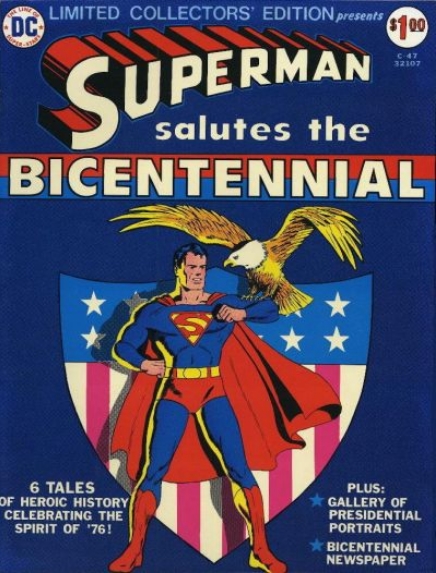
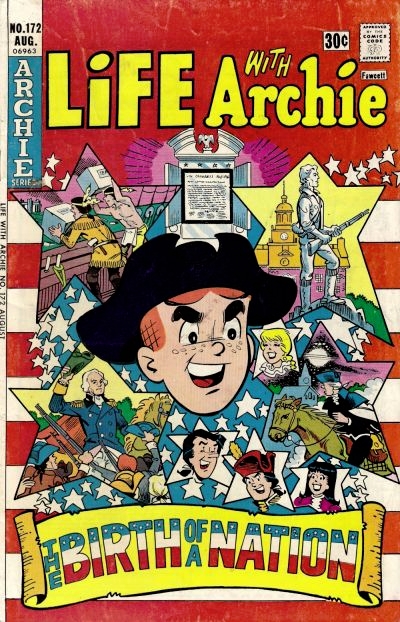
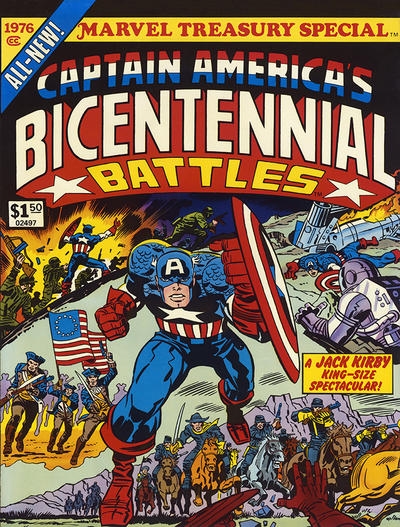
The year 1976 represented the commercial zenith of "Revolutionary Comics." DC Comics released the Limited Collector’s Edition C-47, featuring Superman on the cover alongside the Liberty Bell. Marvel countered with the Marvel Treasury Special: Captain America’s Bicentennial Battles, written and illustrated by the legendary Jack Kirby. Even the wholesome world of Riverdale joined the fray with Life with Archie #172, which featured the gang in colonial attire.
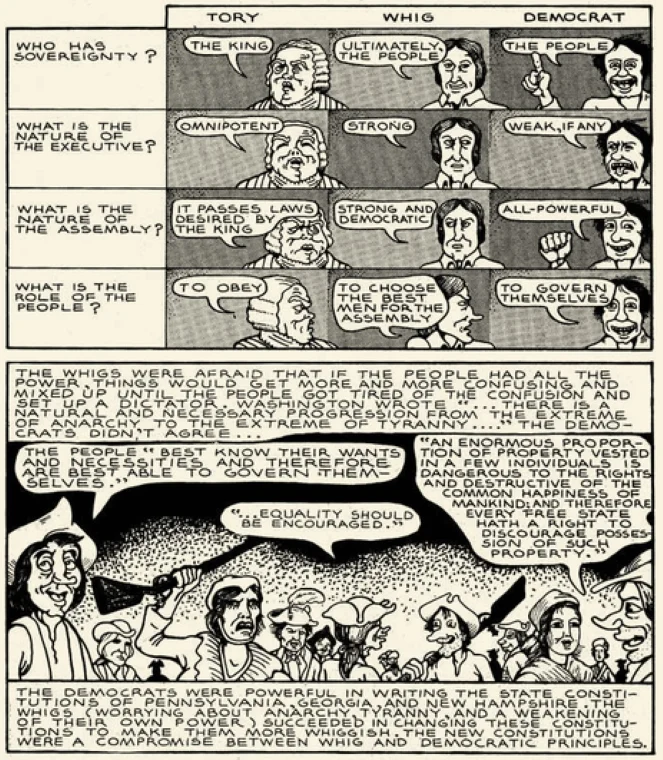
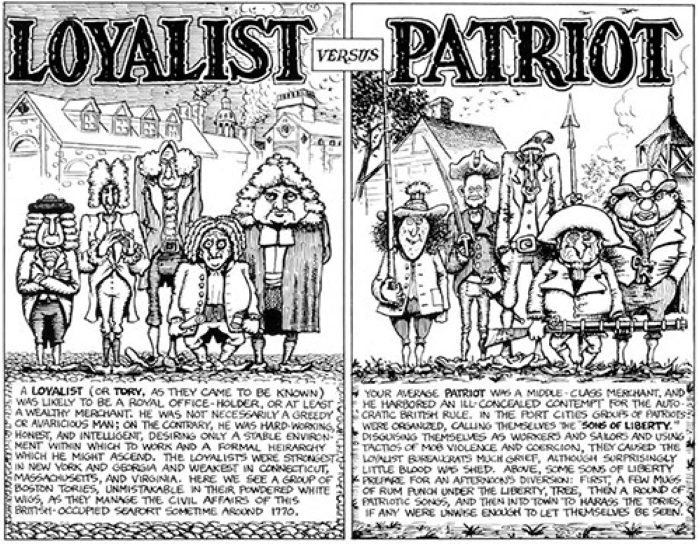
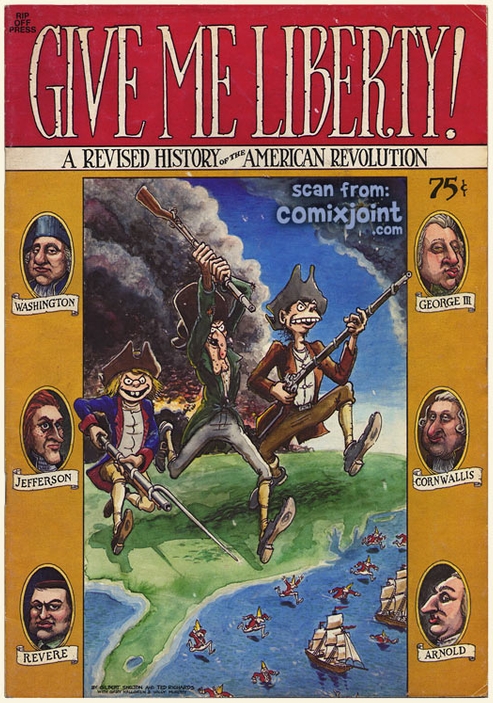
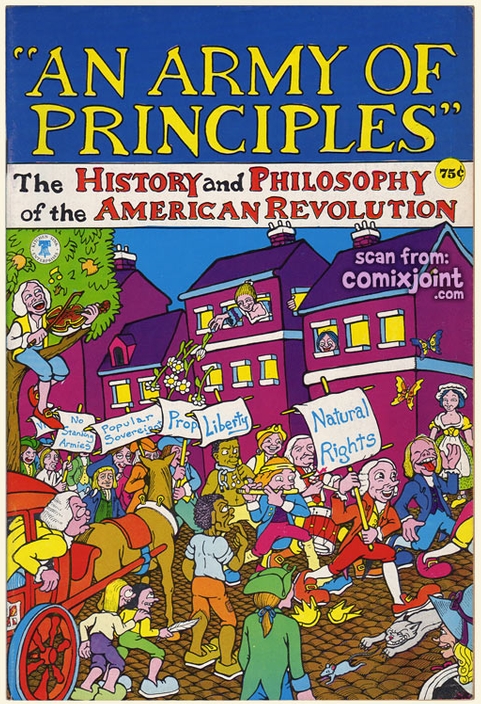
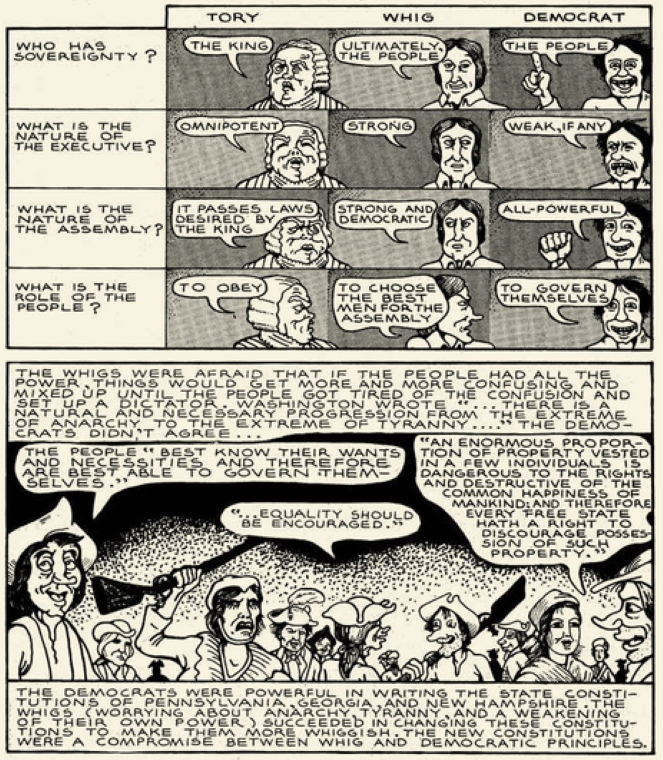
However, the most lasting contributions of the era came from the underground "comix" scene. Gilbert Shelton and Ted Richards’ Give Me Liberty and Leonard Rifas’ An Army of Principles offered a more granular, often irreverent look at the ideological split between Loyalists, Whigs, and Democrats. These works were instrumental in shifting the narrative from "great man" history to a broader look at the societal pressures that drove the rebellion.
The Modern Renaissance (2020–Present)
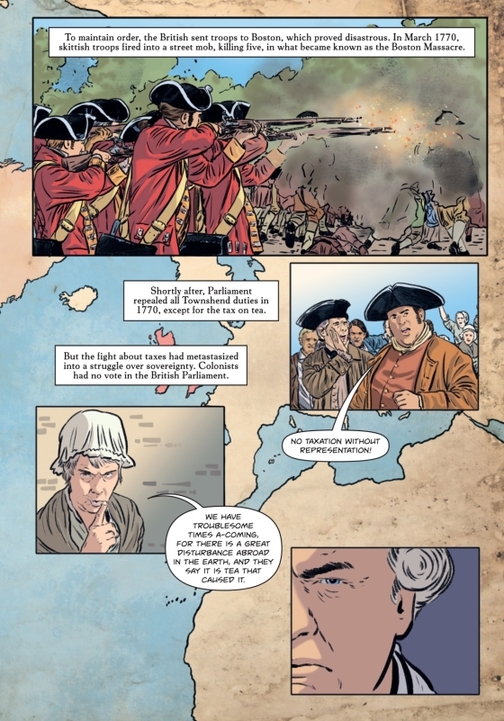
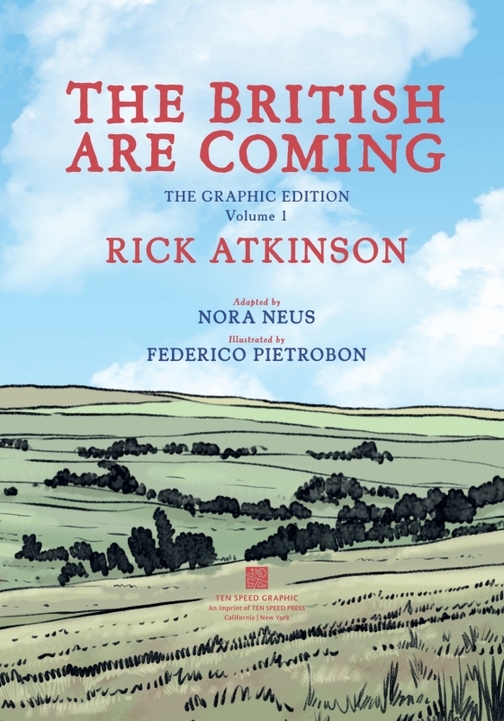
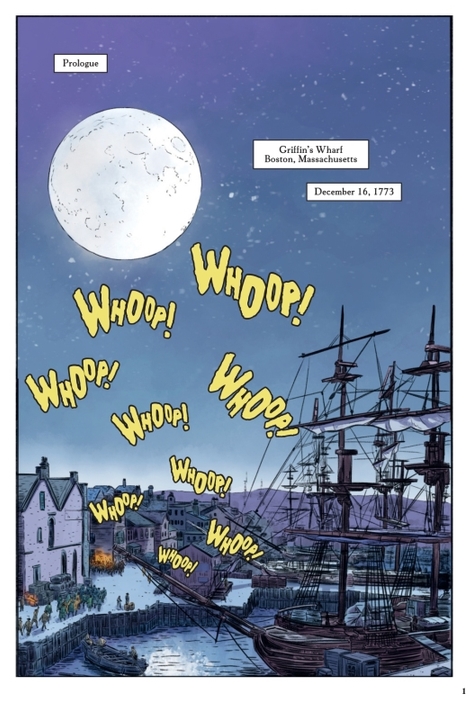
As the 250th anniversary nears, the focus has shifted toward high-fidelity adaptations. The most prominent example is the graphic edition of Rick Atkinson’s The Revolution Trilogy. Adapted by Nora Neus and illustrated by Federico Pietrobon, this project represents the pinnacle of the modern graphic history movement, translating hundreds of pages of military strategy into a visceral, cinematic experience.
Supporting Data: Visual Literacy and Historical Engagement
The move toward graphic adaptations is backed by a growing recognition of visual literacy’s role in education. According to publishers like Ten Speed Graphic (an imprint of Penguin Random House), graphic adaptations of serious history titles often reach an audience that feels "intimidated" by 500-plus page volumes.
Key data points regarding this medium include:
Accessibility: Graphic novels allow for the simultaneous depiction of primary source text and historical context, making documents like the Declaration of Independence more digestible.
Historical Accuracy: Modern illustrators utilize digital archives to ensure that uniforms, weaponry, and even the physical appearance of figures like John Adams are age-appropriate to the era—correcting the "historical drift" that often occurs in traditional oil paintings.
Market Growth: The "Graphic Non-Fiction" category has seen steady growth over the last decade, with titles like Timothy Snyder’s On Tyranny and the life of Frederick Douglass proving that there is a significant market for serious political and historical discourse in comic form.
Official Responses: Creators on the "Remixing" of History
The creators at the forefront of the semiquincentennial wave emphasize that their goal is not to "dumb down" the history, but to revitalize it.
Rick Atkinson on Visual Accuracy
Pulitzer Prize-winning author Rick Atkinson, initially a skeptic of the comic format, became a convert after seeing the depth of research involved. In an interview with the Associated Press, Atkinson noted his active involvement in the production:
“They are entirely amenable to my suggestions… With the drawings, I pointed out that John Adams, at the time the revolution began, was a relatively young man. And they had made him look like the paunchy, bald John Adams of the vice presidency. And they fixed it.”
Atkinson’s shift in perspective highlights the evolution of the medium. He noted that the "comic books of [his] youth" have evolved into a serious tool for widening the audience for the story of the American founding.
R. Sikoryak on Artistic Mashups
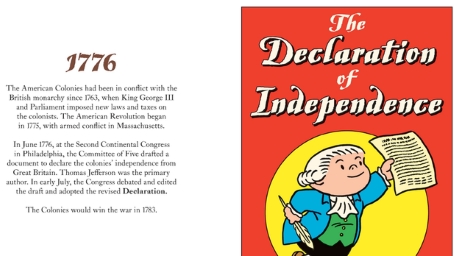
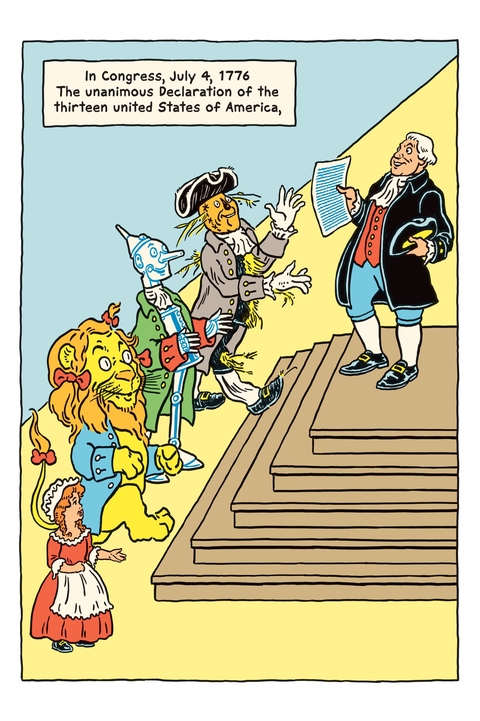
Artist R. Sikoryak has taken a different, more meta-textual approach with his work Declaration Illustrated/Emancipation Illustrated. Published by Drawn and Quarterly, the book celebrates 250 years by pairing the literal text of the Declaration with the styles of over 100 different American cartoonists.
Sikoryak’s method involves "remixing" the defining texts of American nationhood. By using the styles of artists ranging from Gil Kane to the creators of Conan the Barbarian, Sikoryak illustrates that the Declaration is not a static document, but one that has been interpreted and re-interpreted through every era of American culture. This "mashup" serves as a metaphor for the pluralistic nature of the American experiment itself.
Implications: The Future of the National Narrative
The shift toward graphic history as we approach 2026 has profound implications for how the next generation will consume national history.
1. Combating Historical Amnesia: As traditional history curricula face time constraints in schools, graphic novels provide a "sticky" medium that helps students retain complex timelines and ideological shifts. The visual representation of the Siege of Boston or the internal conflicts of the Continental Congress makes the stakes of the Revolution feel immediate rather than academic.
2. Broadening the Perspective: Contemporary graphic histories are increasingly inclusive. Unlike the 1976 commemorations, which often glossed over the roles of women, enslaved people, and Indigenous nations, the current wave of graphic novels (such as the Emancipation Illustrated section of Sikoryak’s work) provides a more holistic view of "Liberty." By placing the Declaration of Independence alongside the Emancipation Proclamation and the Gettysburg Address, these works frame the Revolution as an ongoing process rather than a completed event.
3. The "Graphic" as the New Standard: The success of the Atkinson adaptations suggests that the "graphic edition" may become a standard companion for all major historical releases. This reflects a broader shift in publishing where visual and textual narratives are seen as equals in the pursuit of historical truth.
As the Fourth of July remains the shorthand for the Revolutionary War, the documents themselves—the Declaration and the Constitution—remain the bedrock. Through the pens of artists like Pietrobon and Sikoryak, these documents are being liberated from the archives and placed back into the hands of the public, rendered in the vibrant, kinetic language of the American comic book. Whether through the lens of a superhero’s patriotism or a historian’s rigor, the Revolution continues to be a story best told in pictures.
June 19, 2026 — The third week of June 2026 has emerged as a period of profound contradiction for the global comics community. While the industry celebrated the long-awaited return of beloved titles a
In the high-gloss history of Hollywood, certain names act as pillars, supporting the weight of entire eras. We recognize the Kathleen Kennedys and the Sherry Lansings—women who broke through the cellu
WASHINGTON, D.C. — As the United States enters the second half of 2026, the administration of President Donald J. Trump finds itself navigating a landscape of profound domestic instability, internatio