
The "Uncanny Valley" of Vigilantism: Dissecting the Viral Backlash Over ‘The Punisher: One Last Kill’s’ Controversial Rooftop Sequence
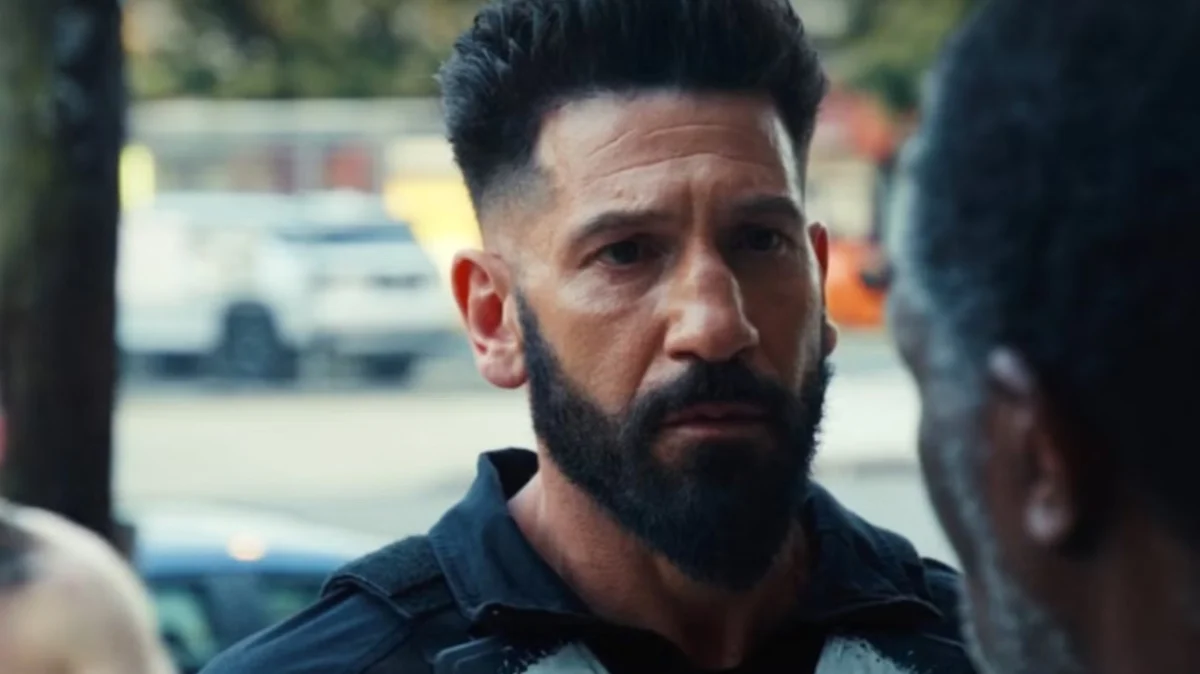
The return of Jon Bernthal as Frank Castle was intended to be a triumphant homecoming for one of Marvel’s most beloved, albeit polarizing, anti-heroes. However, the release of the special The Punisher: One Last Kill has been met with an unexpected hurdle. While critics have largely praised Bernthal’s visceral performance and the project’s uncompromising grit, a four-second visual effects sequence has ignited a firestorm of mockery across social media. The incident highlights a growing tension between high-budget superhero spectacle and the increasingly observant eyes of a digitally savvy audience.
Main Facts: A Brief Fall into the Uncanny Valley
At the center of the controversy is a pivotal action sequence in The Punisher: One Last Kill. The special, which serves as a bridge for the character’s transition into the broader Marvel Cinematic Universe (MCU) and his rumored appearance in Spider-Man: Brand New Day, leans heavily into a "street-level" aesthetic. This grounded approach—drawing comparisons to the relentless pacing of The Raid and the tactical choreography of John Wick—makes any lapse in visual fidelity particularly jarring.
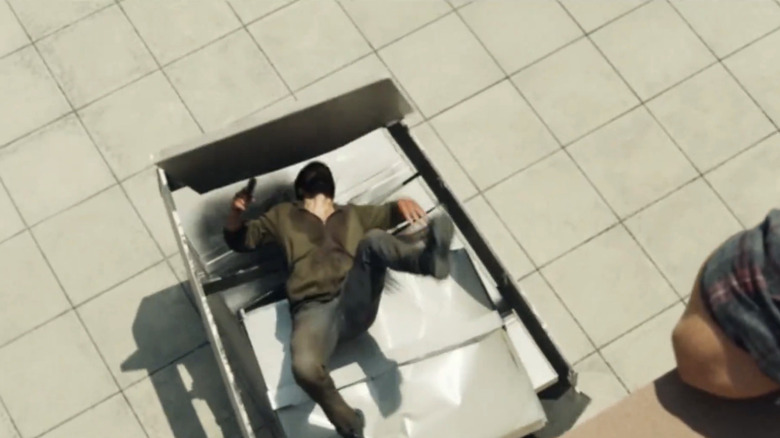
During a high-stakes confrontation, Frank Castle is besieged by a neighborhood of bounty hunters in his apartment complex. The sequence culminates on a rooftop, where Castle is forced to leap from the building to escape certain death. It is during this descent that the immersion breaks for many viewers. A brief clip of the fall has gone viral, with fans pointing out that the character’s physical movements and facial features appear to transition from a live-action actor into a low-fidelity digital double.
The backlash has been swift and unforgiving. Social media platforms, particularly X (formerly Twitter), have been flooded with side-by-side comparisons of the "CGI Frank" and video game characters from two console generations ago. The consensus among the vocal minority of detractors is that the shot appears unfinished, lacking the weight, texture, and lighting consistency required to maintain the illusion of reality.
Chronology: From Anticipation to Memetic Mockery
The journey of The Punisher: One Last Kill from production to viral punchline follows a timeline that mirrors the broader struggles of modern blockbuster post-production.
Pre-Release: The Return of the King
Excitement for the project was at an all-time high following the announcement that Jon Bernthal would not only return to the role but also have a hand in the writing process. Fans expected a return to the "blood and guts" realism of the Netflix era, bolstered by a Marvel Studios budget. Early trailers emphasized practical effects and bone-crunching stunts, setting a high bar for authenticity.
Release Day: The Discovery
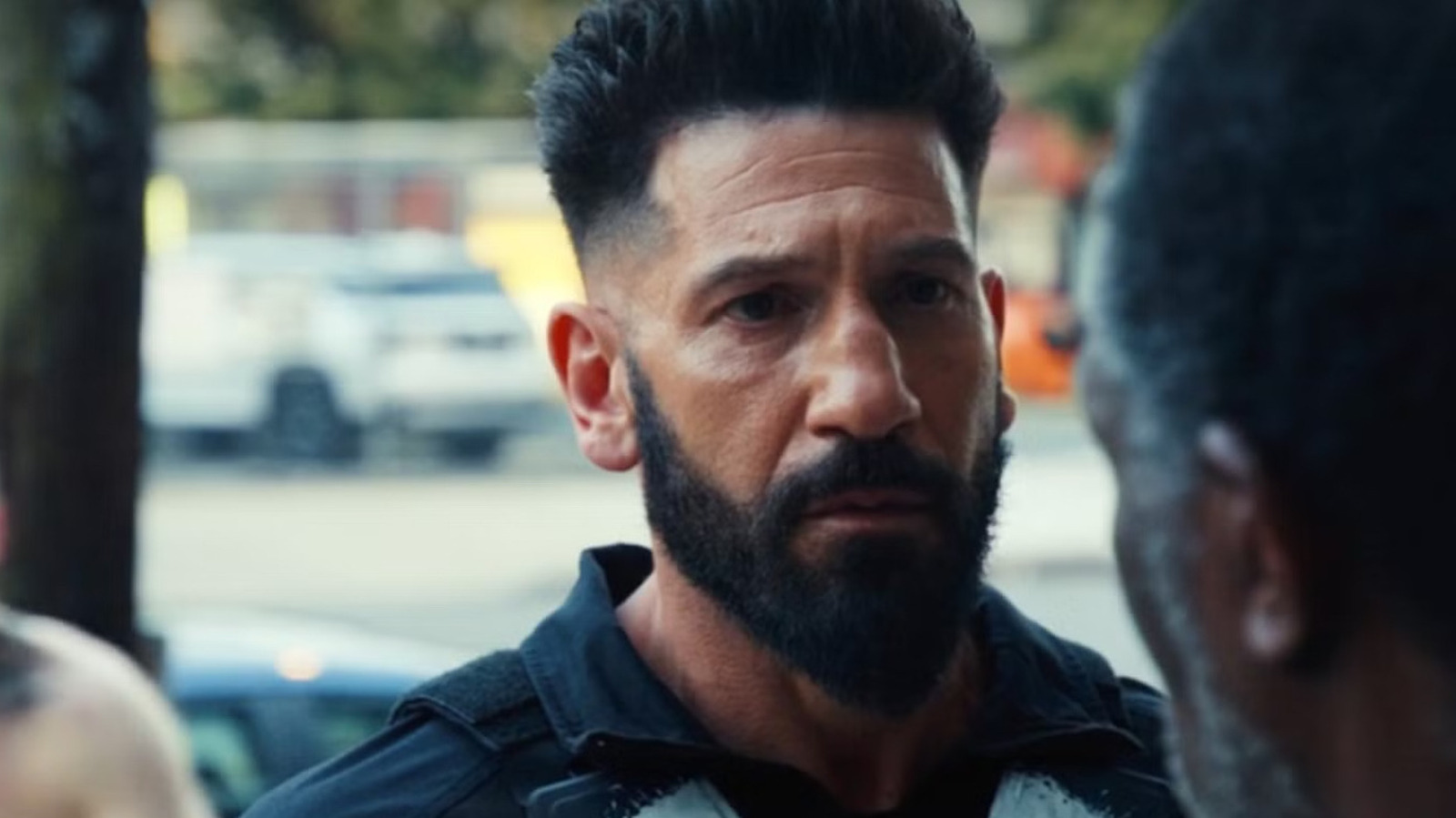
Upon the special’s debut on Disney+, the initial reception was overwhelmingly positive. Fans celebrated the return of the character’s trademark brutality. However, within hours of the premiere, eagle-eyed viewers began isolating the rooftop sequence. By mid-day, a four-second snippet of the fall had been uploaded to X, where it garnered millions of views and thousands of retweets.
The Viral Peak: The "Joel Miller" Comparison
By the second day of release, the discourse shifted from general criticism to specific memetic comparisons. Users noted a striking resemblance between the digital Frank Castle and Joel Miller, the protagonist of the The Last of Us video game series. The "PS3-era graphics" narrative took hold, with fans using the clip to criticize Marvel’s perceived over-reliance on digital doubles for stunts that were once performed practically.
The Counter-Narrative: Industry Reports Surface
In an attempt to quell the mounting criticism, trade publications began investigating the production of the scene. On May 13, 2026, The Hollywood Reporter published a report citing anonymous sources from the production crew, offering a technical explanation that contradicted the "unfinished CGI" narrative. This sparked a second wave of debate regarding the efficacy of "face-swapping" technology in modern cinema.
Supporting Data: Technical Analysis and Fan Sentiment
The controversy over One Last Kill does not exist in a vacuum. It is the latest entry in a series of visual effects critiques leveled at Marvel Studios over the past several years.
The "Digital Double" Dilemma
Modern action filmmaking frequently utilizes digital doubles for dangerous stunts. This involves creating a 3D model of the actor and animating it to perform movements that would be impossible or too risky for a human. In the case of The Punisher, the "wonkiness" fans observed likely stems from a failure in "match-moving"—the process of ensuring the digital character’s lighting and physics perfectly match the live-action environment.
Comparative Data: Marvel’s VFX Track Record
The backlash echoes previous outcries over VFX in the MCU, such as:
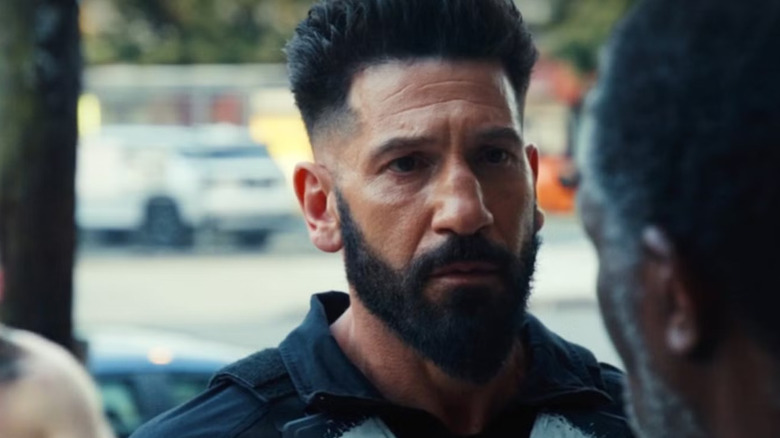
- Black Widow (2021): The third-act explosion and free-fall sequence were criticized for looking "floaty."
- Thor: Love and Thunder (2022): The "floating head" of Axl (Heimdall’s son) became a symbol of rushed post-production.
- She-Hulk: Attorney at Law (2022): The initial trailers faced significant pushback regarding the lead character’s facial animation, leading to touch-ups before the final release.
Social Media Analytics
Data from social listening tools indicates that while One Last Kill has a high overall approval rating (approximately 82% on various audience aggregators), the sentiment regarding its "visual effects" specifically dropped by 45% following the viral spread of the rooftop clip. The most common keywords associated with the clip were "unfinished," "PlayStation," and "ragdoll physics."
Official Responses: The Production’s Defense
While Marvel Studios has not issued a formal press release regarding the CGI, industry insiders have moved to protect the film’s reputation. The report by The Hollywood Reporter provided a nuanced look at how the shot was actually constructed, challenging the assumption that the entire sequence was a computer-generated fabrication.
The "In-Camera" Claim
According to production sources, the sequence was intended to be as practical as possible. Jon Bernthal reportedly performed the initial "tumble" over the ledge himself to capture his authentic physical reaction. A professional stuntman then performed the actual high-altitude fall onto a safety rig.
The Face-Swap Explanation
The "VFX" in question was reportedly limited to a "face-swap." Because the stuntman’s face was visible during the descent, editors used digital mapping to overlay Bernthal’s likeness onto the stunt performer’s body. The "uncanny" look that fans are mocking may actually be the result of a mismatch between the stuntman’s head movements and the digital mask of Bernthal, rather than a fully synthetic character.
This explanation has met with skepticism from the VFX community. Professional animators on social media have argued that if the goal was realism, the "face-swap" should have been imperceptible. The fact that it looks like a video game suggests a failure in the compositing stage, where the digital element is blended with the film grain and lighting of the plate photography.
Implications: The Future of Street-Level Marvel
The fallout from this minor but loud controversy has broader implications for how Marvel Studios handles its more "mature" and "grounded" properties moving forward.
The Pressure of "Street-Level" Realism
Characters like The Punisher and Daredevil thrive on a sense of physical stakes. When a character known for his mortality and "blood, sweat, and tears" suddenly looks like a digital avatar, it undermines the very brand Marvel is trying to cultivate for its R-rated (TV-MA) offerings. Moving forward, there may be a greater internal push at Marvel to prioritize practical stunt work over digital augmentation for these specific characters.
The "Stealth Edit" Precedent
In the era of streaming, the version of a film or show that premieres is not necessarily the final version. Disney+ has a history of quietly updating VFX shots after release (as seen with Hamilton and various Star Wars properties). It is highly probable that Marvel will commission a "clean-up" of the rooftop fall, replacing the current shot with a more polished version in the coming weeks.
Impact on the "VFX Crunch" Narrative
This incident adds fuel to the ongoing conversation regarding the "VFX crunch" in Hollywood. Critics argue that even "grounded" specials are being rushed through post-production pipelines that are over-leveraged. If a flagship project starring an actor as dedicated as Jon Bernthal can suffer from such an obvious visual lapse, it suggests deeper systemic issues in how these projects are scheduled and budgeted.
Conclusion
The Punisher: One Last Kill remains a significant milestone for the MCU’s expansion into darker territory. Jon Bernthal’s performance continues to be the gold standard for the character. However, the "rooftop incident" serves as a cautionary tale. In an age where every frame of a superhero production is scrutinized by millions of amateur and professional critics, there is no such thing as a "small" mistake. For Frank Castle, the mission to clean up the streets continues; for Marvel Studios, the mission to bridge the gap between digital effects and physical reality remains their most challenging battle yet.



Leave a Comment