Embracing the Solo Quest: A Deep Dive into the Thriving World of Solo Role-Playing Games
FOR IMMEDIATE RELEASE
[City, State] – [Date] – In an era where coordinating schedules for a traditional tabletop role-playing game (TTRPG) group can feel like a quest unto itself, a quiet revolution has been steadily gaining momentum. Solo RPGs, once a niche curiosity, are emerging as a powerful and increasingly popular avenue for personal storytelling and immersive adventure. These games offer an unparalleled level of flexibility, allowing players to embark on epic journeys, build fantasy businesses, or even create entire mythologies, all on their own terms and time.
The appeal is multifaceted: for some, it’s the liberation from scheduling conflicts and the pressure of group dynamics; for others, it’s an opportunity for deep introspection and unfiltered creativity. Whatever the motivation, a diverse array of solo RPGs is now available, promising rich, fulfilling experiences that prove the most compelling adventures often begin with just one player.
The Rise of the Lone Adventurer: Main Facts of a Growing Phenomenon
The concept of role-playing without a traditional Game Master (GM) or a party of fellow adventurers might seem counterintuitive to those familiar with Dungeons & Dragons or Pathfinder. However, solo RPGs carve out a distinct and equally rewarding space within the TTRPG landscape. These games empower individuals to become both player and narrator, using structured rules, randomizers (like dice, cards, or online oracles), and prompts to generate dynamic narratives and overcome challenges.
The market for solo RPGs has witnessed significant growth, driven by a confluence of factors including the increased accessibility of indie game design, the pervasive nature of digital platforms for sharing and discovery, and a global desire for flexible, engaging entertainment that respects individual schedules and preferences. From intricate simulations of fantasy innkeeping to profound journeys of self-discovery or thrilling paranormal investigations, the breadth of experiences available ensures that there is a solo adventure for nearly every taste. The core promise remains consistent: to provide an engaging, imaginative escape that requires no external coordination, fostering a unique connection between the player and their evolving story.

From Gamebooks to Digital Oracles: A Chronology of Solitary Storytelling
The roots of solo role-playing stretch back further than many might realize, evolving from humble beginnings to the sophisticated systems available today. Understanding this chronology helps contextualize the current boom.
The precursors to modern solo RPGs can be traced to the gamebooks of the 1970s and 80s. Titles like the Fighting Fantasy series (created by Steve Jackson and Ian Livingstone) and Joe Dever’s Lone Wolf sagas captivated a generation. These interactive novels presented players with choices that dictated their path through a pre-written narrative, often incorporating dice rolls for combat and skill checks. While not full-fledged RPGs in the modern sense, they instilled the idea of a solitary, decision-driven adventure.
The late 1990s and early 2000s saw the emergence of more structured approaches to solo role-playing. Pioneering works like the Mythic Game Master Emulator by Tana Pigeon (published in 2003) offered a system-neutral toolkit designed to answer player questions, generate plot twists, and create dynamic scenes without a GM. These "oracles" provided the framework for players to interpret results and weave them into an ongoing narrative, effectively turning the solo player into both player and an unpredictable, unbiased GM.
The 2010s witnessed a significant diversification, largely fueled by the indie RPG movement and platforms like itch.io and Kickstarter. Creators began experimenting with "journaling games," where players use prompts to write stories, often in character, over a series of sessions. Games like Thousand Year Old Vampire by Tim Hutchings became exemplars of this narrative-first approach, focusing on introspection and character development over combat mechanics. This period also saw an increase in games specifically designed from the ground up for solo play, rather than just adapting group systems.
The early 2020s, particularly during global lockdowns, acted as a major catalyst. With traditional gaming groups unable to meet in person, many TTRPG enthusiasts turned to solo play as a vital outlet for creativity and connection. This surge in interest brought solo RPGs into the mainstream TTRPG consciousness, leading to an explosion of new designs, dedicated communities, and resources. Today, solo RPGs encompass a vast spectrum, from simple dice-and-chart games to complex narrative engines, reflecting a mature and vibrant segment of the gaming industry.

Diverse Adventures for the Discerning Player: Supporting Data on Featured Solo RPGs
The current landscape of solo RPGs offers an astonishing variety of experiences. Whether a player seeks managerial challenge, cozy escapism, profound creation, or chilling mystery, there’s a game designed to provide exactly that. Here, we delve into a selection of titles that exemplify this diversity and the innovative approaches creators are taking.
The Broken Cask: The Allure of Fantasy Innkeeping
Forget dragon-slaying; imagine the thrill of perfectly balancing your inventory, hiring competent staff, and attracting diverse clientele to your burgeoning fantasy inn. The Broken Cask transforms the mundane into the magical, inviting players to establish and manage their very own tavern in a world brimming with adventure.
At its core, The Broken Cask is a solitaire innkeeping role-playing game that marries strategic management with emergent storytelling. Using nothing more than a six-sided die and a collection of meticulously designed charts, players will navigate the daily operations of their establishment. The game challenges players to make critical decisions: what provisions to buy at the market, which staff members to hire and train, how to expand the inn’s facilities, and even how to respond to the myriad of colorful (and sometimes problematic) patrons who wander through the door.
The genius of The Broken Cask lies in its ability to make the seemingly tedious exciting. A successful shift isn’t just about earning gold; it’s about the satisfaction of a well-run business, the anticipation of new encounters, and the growth of a personal narrative. Players create their innkeeper persona, developing a backstory and a vision for their establishment. Will your inn become a bustling hub for weary adventurers, a quiet retreat for scholars, or perhaps a notorious den of rogues? The charts and dice rolls provide the unpredictable events – a sudden surge of customers, a kitchen mishap, or a traveling hero seeking a quest – that push the story forward, demanding adaptability and quick thinking. It’s a game for those who appreciate world-building from a unique, grounded perspective, offering a refreshing blend of economic simulation and fantasy role-play.
Tinyoji: The Gentle Art of Cozy Living
In stark contrast to epic battles and grand quests, Tinyoji offers a tranquil escape into a world of miniature wonders. This rules-light solo RPG redefines adventure, focusing on the quiet joys of community, connection, and the changing seasons in a charming, diminutive hamlet.

Tinyoji invites players to inhabit the role of a villager among tiny humans, mice, otters, and other delightful creatures. The game’s narrative is shaped not by combat statistics or complex skill trees, but by gentle prompts and the flow of daily life. Adventures in Tinyoji are about tending a garden, baking bread for a neighbor, helping a friend with a small task, or simply observing the beauty of the world around you. It’s a game designed for introspection, creativity, and the cultivation of heartwarming stories.
The experience is often likened to a tabletop version of beloved video games like Animal Crossing, where progress is measured in relationships built, kindness shared, and the slow, satisfying growth of a community. The "rules-light" approach ensures that the focus remains firmly on narrative and imagination, minimizing mechanical friction. Players are encouraged to create a fulfilling life for their villager, engaging with their surroundings and fostering a sense of belonging. Tinyoji provides a much-needed antidote to high-stakes gaming, offering a peaceful sanctuary for players seeking a relaxing, narrative-focused experience that celebrates the beauty of everyday moments and the power of small acts of kindness.
Deify: Crafting Mythologies, One Card at a Time
For those with a penchant for world-building and an interest in the grand narratives of myth, Deify offers an unparalleled creative journey. This unique solo RPG empowers players to forge their own deity, complete with a unique history, domains, and a sprawling mythology, all guided by the symbolic power of tarot cards.
Deify moves beyond dice-rolling to harness the evocative nature of a tarot deck. Each card drawn serves as a prompt, guiding the player through the creation and evolution of their chosen god. The gameplay is structured into four distinct phases, mirroring the cyclical nature of existence: birth, prime, decline, and death. Before embarking on these phases, players engage in a detailed god-creation process, defining their deity’s core attributes, powers, and early influences.
As the game unfolds, tarot cards reveal challenges, triumphs, and pivotal moments in the deity’s existence. Players interpret these prompts, weaving intricate tales of divine intervention, cosmic struggles, and the impact of their god on mortal realms. They manage divine resources, interact with other mythological figures (real or imagined), and record their god’s evolving saga in a personal journal. Deify is less about traditional game mechanics and more about facilitating a profound act of creative writing and mythological construction. It’s an ideal game for aspiring writers, lore enthusiasts, or anyone fascinated by the power of myth to shape understanding and culture. The satisfaction comes from witnessing a complex, living mythology emerge from the depths of one’s own imagination.

Loner: Paranormal Files: The Solitary Investigator’s Haunting Journey
Stepping into the realm of the eerie and unexplained, Loner: Paranormal Files casts the player as a solitary paranormal investigator, tasked with uncovering the truth behind the strangest, creepiest, and most inexplicable cases. This game thrives on atmosphere and emergent mystery, requiring no preparation beyond the player’s willingness to delve into the unknown.
In Loner, players are immersed in a world where reality is fragile, and the veil between worlds is constantly threatening to tear. As a freelance or embedded agent, you are the last line of defense against what leaks through the cracks. The game’s innovative design provides surveillance logs, case files, and unsettling prompts that simulate the process of an ongoing investigation. Each clue uncovered, each piece of evidence analyzed, builds a larger, more sinister picture.
The beauty of Loner lies in its "no prep, no GM" philosophy. Players simply open the files and begin their investigation, allowing the narrative to unfold organically. The isolation of the protagonist mirrors the solo player’s experience, amplifying the tension and the creeping sense of dread. Questions of who controls the narrative and who defines the truth become central as threads fray and converge, often leading the player to question their own perceptions. It’s a perfect fit for fans of horror, mystery, and conspiracy theories, offering a deeply immersive experience where the player is not just solving a case, but actively shaping a chilling story that feels uniquely their own.
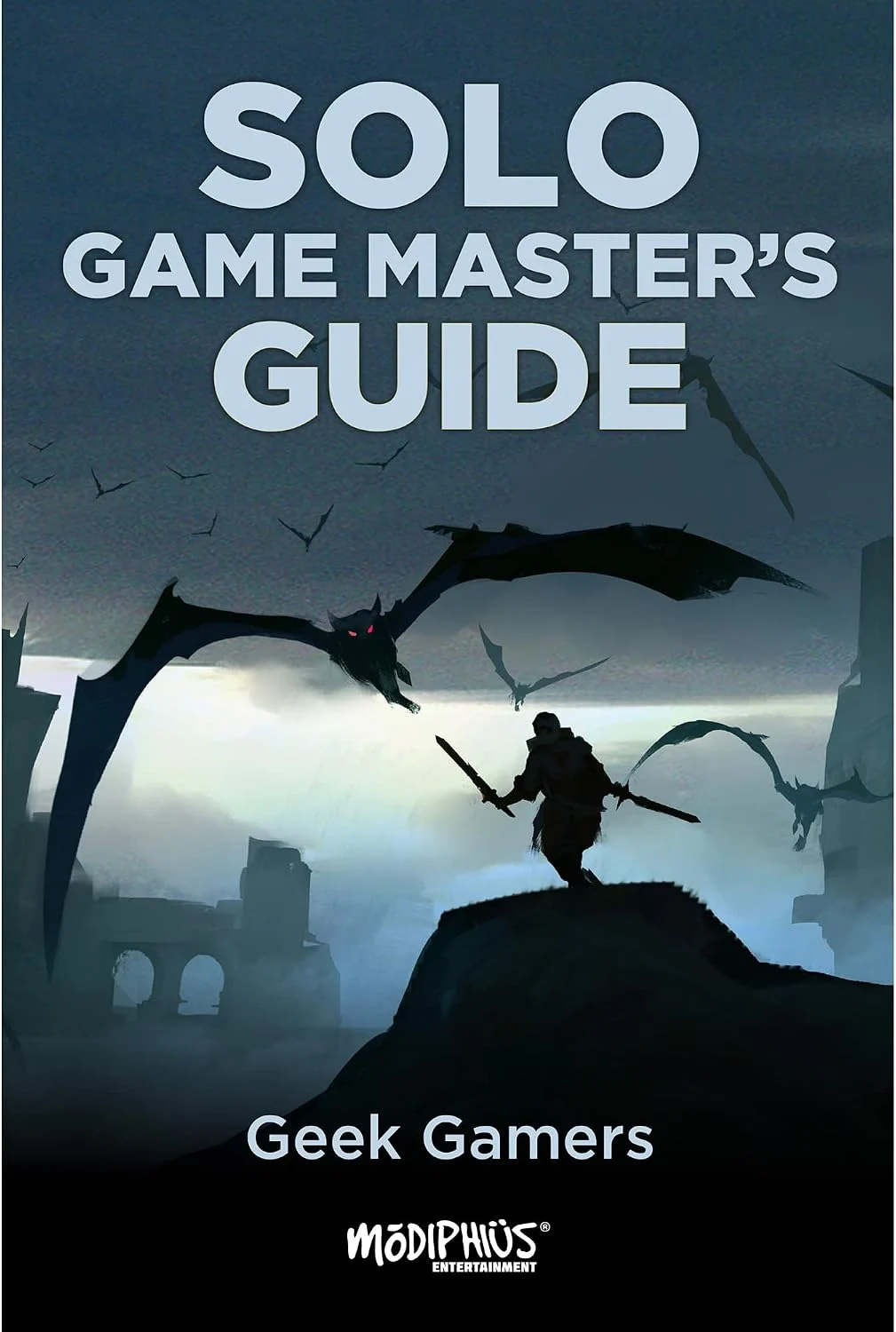
Solo Game Master’s Guide: Charting Your Own Course
While many solo RPGs are designed with built-in mechanics for solitary play, some players yearn to adapt their favorite group-oriented TTRPGs for individual adventures. This is where a resource like the Solo Game Master’s Guide becomes indispensable. It serves as a comprehensive toolkit, equipping players with the strategies and frameworks needed to navigate their own solo campaigns in any system.
The guide addresses a common challenge in solo play: how to generate unforeseen events, maintain narrative momentum, and avoid "meta-gaming" or hitting dead ends when there’s no GM to surprise you. It provides system-neutral tips and techniques for generating plot hooks, creating dynamic scenes, interpreting random results, and pushing the story forward. This often involves using oracles (tables or generators that provide ambiguous answers to player questions), random event tables, and structured scene frameworks.

Beyond general advice, the Solo Game Master’s Guide often includes specific suggestions and examples for adapting popular TTRPGs like Dungeons & Dragons, Pathfinder, or Call of Cthulhu for solo play. It empowers players to take control of their entire gaming experience, from character creation to world-building and adventure generation. For the dedicated solo player who wants maximum flexibility and creative control over their favorite game systems, this guide is an invaluable companion, transforming potential frustrations into boundless possibilities.
Lost in the Dark: A Descent into Amnesia and Ancient Evils
For those who enjoy a blend of mystery, exploration, and the looming threat of ancient evil, Lost in the Dark delivers a compelling narrative experience. This solo RPG thrusts players into a perilous situation: waking in a mysterious cave with no memory, the quest for survival immediately intertwines with the search for identity and a forgotten past.
The core premise of Lost in the Dark is one of disorienting amnesia. Players begin their journey disoriented and alone within a sprawling cave system. As they explore, interacting with the environment and making crucial decisions, fragments of memory slowly return, piecing together the protagonist’s identity and the circumstances that led them to this dire situation. The cave itself holds secrets, revealing remnants of a long-lost temple dedicated to a lawful good goddess, hinting at a past calamity and a deeper, more insidious threat.
The gameplay focuses on exploration, resource management, and narrative progression. Each discovery in the cave not only illuminates the environment but also uncovers vital clues about the player character’s history and the ancient evil stirring within. The tension mounts as the player races against time, realizing that their mentor is battling this malevolent force and that their regained memories are crucial to turning the tide. Lost in the Dark is a masterclass in atmospheric storytelling, blending personal discovery with high-stakes fantasy, making for an immersive and often poignant solo adventure.
The Voices Behind the Stories: Industry Perspectives and Creator Philosophies
While direct "official responses" from individual game creators weren’t provided in the source material, a general understanding of the solo RPG design philosophy can be inferred from the community and the nature of these games. Creators of solo RPGs often share common goals and perspectives:

- Accessibility and Low Barriers to Entry: Many designers prioritize creating games that are easy to learn and play, often requiring minimal components (a die, a deck of cards, a pencil and paper). This approach aims to welcome new players to the TTRPG hobby and make it accessible to those who might feel intimidated by complex rulebooks or social group dynamics.
- Player Agency and Emergent Narrative: A core tenet is empowering the player to be the primary driver of the story. Instead of a GM dictating events, solo RPGs use prompts and randomizers to create surprising turns, allowing the player to interpret these elements and weave them into a coherent, personal narrative. The mantra "play to find out" is central to this design.
- Catering to Diverse Needs and Moods: Designers recognize that players seek different experiences. Some want intense combat, others deep introspection, and still others a lighthearted escape. Solo RPGs are often crafted with a specific emotional or thematic goal in mind, providing options for quiet reflection, thrilling suspense, or creative world-building.
- Focus on the Interior Journey: Without the need to entertain a group, solo RPGs often delve deeper into the character’s internal world, their thoughts, fears, and growth. This allows for a more personal and often more profound role-playing experience.
- The Challenge of GM-less Design: Creating an engaging solo experience without a human GM is a unique design challenge. Developers spend considerable effort crafting robust oracle systems, compelling prompts, and clear structures that can generate varied and interesting outcomes, ensuring replayability and preventing the player from feeling "stuck."
These philosophies collectively contribute to a vibrant ecosystem where innovation is celebrated, and the player’s individual experience is paramount.
The Future of Solitary Adventures: Implications for the TTRPG Landscape
The accelerating popularity of solo RPGs carries significant implications for the broader tabletop role-playing game industry and beyond. This isn’t just a fleeting trend but a foundational shift in how people engage with interactive storytelling.
Firstly, diversification and accessibility will continue to be key drivers. As more people discover the joy of solo play, demand for games catering to every imaginable genre, mood, and complexity level will grow. This will lead to an even wider array of niche solo RPGs, from educational simulations to highly abstract narrative experiments. Furthermore, solo RPGs lower the barrier to entry for TTRPGs, making the hobby more accessible to individuals who might not have a local group, struggle with social anxiety, or simply prefer a private, introspective gaming experience. This expands the TTRPG demographic considerably.
Secondly, technological integration is poised to play a larger role. While many solo RPGs thrive on physical components, digital tools—from sophisticated random generators and virtual dice rollers to AI-powered oracle systems and interactive journaling platforms—will enhance the solo experience. Imagine an AI companion offering narrative prompts or even generating detailed non-player characters on the fly, tailoring the experience to the player’s evolving story.
Thirdly, solo play will likely influence traditional TTRPG design. Elements proven successful in solo games, such as robust randomizers, modular adventure design, and emergent narrative structures, could be increasingly incorporated into group-oriented TTRPGs. This could lead to more flexible systems that are easier to adapt for smaller groups or even for periods of solo play within a larger campaign.

Finally, the rise of solo RPGs underscores a broader cultural trend: the increasing value placed on personal enrichment and creative outlets that fit into busy, individualized lifestyles. Solo role-playing offers a unique blend of escapism, creative expression, and mental engagement that can be deeply satisfying. It challenges the traditional definition of "role-playing," proving that powerful stories and profound experiences can be forged in the quiet solitude of one’s own imagination. The lone adventurer, once a rare sight, is now a powerful force shaping the future of tabletop gaming.