
Eurydice I: The Unseen Architect of Macedonian Power
The earliest known queen of ancient Macedonia to wield significant political influence, Eurydice I (c. 410 – before 343 BCE), stands as a monumental figure whose strategic acumen laid critical groundwork for the Argead dynasty’s eventual dominance. As the mother of Philip II and grandmother of Alexander the Great, her actions in a volatile period of Macedonian history were instrumental in securing the future of a lineage that would transform the Hellenic world.
Main Facts
Introduction to Eurydice I: The Foundational Queen
Eurydice I emerges from the often-obscure annals of ancient Macedonian history not merely as a royal consort, but as a pivotal political actor. Born into the royal house of Lynkestis, a kingdom fiercely independent of early Macedon, her life would intertwine with the Argead dynasty through her marriage to King Amyntas III (c. 420-370/369 BCE). This union was not one of simple convenience but a calculated move within a treacherous political landscape. Eurydice’s most profound legacy, however, lies in her direct progeny: her three sons, Alexander II, Perdiccas III, and most notably, Philip II, all ascended the Macedonian throne. Through Philip II, she became the grandmother of Alexander the Great, making her a direct ancestral link to two of history’s most formidable conquerors. Her impact, recognized and honored posthumously, established a precedent for the active role of royal women, setting her apart as a classical model for the powerful Hellenistic queens who would follow, many of whom were her own descendants.
A Dynastic Cornerstone
In an era largely dominated by male figures, Eurydice I broke barriers, demonstrating an unprecedented level of political agency. Her influence, particularly after the death of her husband, Amyntas III, proved decisive in navigating the perils of succession and foreign aggression that plagued the Macedonian court. Her capacity for strategic thinking and direct intervention in dynastic affairs ensured the survival and eventual triumph of her sons. This pivotal role transformed her from a mere queen into a dynastic cornerstone, providing stability and direction at a time when the Argead line faced existential threats. The subsequent rise of Macedonia under Philip II and Alexander the Great, from a regional power to a hegemonic force, cannot be fully understood without acknowledging the foundational contributions of Eurydice I, whose early interventions safeguarded the very individuals who would achieve such unparalleled greatness.
Chronology
Early Life in Lynkestis: A Kingdom on the Periphery
Eurydice was born into the royal house of Lynkestis, a powerful yet relatively small kingdom nestled to the west of early Macedonia. While her precise birthdate remains a subject of scholarly debate, estimates place it between 410 and 407 BCE, with some scholars, like Elizabeth Donelly Carney, suggesting as late as 404 BCE. Her birthplace was almost certainly the main urban center of Lynkestis, a realm renowned for its rugged terrain and independent spirit. Her maternal grandfather, Arrhabaeus (died c. 399 BCE), was the ruler of Lynkestis and, according to the geographer Strabo, a member of the Bacchidae family – an exiled Corinthian faction who had established control over Upper Macedonia’s local populace. This ancestry hints at complex, overlapping roots between the ruling houses of Lynkestis and Macedonia, setting the stage for future alliances and conflicts.
Her father, Sirras (or Sirrhas), was a distinguished commander whose ethnic background is debated among historians, with proposals ranging from Illyrian to Lynkestian or even maternally Macedonian. What is certain is his critical role in the Lynkestian victory at the Battle of Lynkestis in 423 BCE. This conflict erupted when Arrhabaeus challenged the expansionist ambitions of Perdiccas II (reigned c. 454-413 BCE), the then-king of Macedonia, who sought to annex Lynkestis amidst the broader turmoil of the Peloponnesian War. Sirras is credited with a crucial diplomatic and military coup, potentially persuading powerful Illyrian forces, through existing familial or military ties, to switch their allegiance at the last moment. This strategic defection turned the tide against the Macedonians, securing Lynkestian independence and highlighting the precarious balance of power in the region. It was likely around this period, or shortly thereafter, that Arrhabaeus solidified the alliance between Lynkestis and Illyria by marrying his daughter, Irra, to Sirras, an alliance that proved remarkably effective against Macedonian subjugation attempts.
Strategic Union: Marriage to Amyntas III
Against this backdrop of inter-kingdom rivalries and shifting alliances, King Amyntas III of Macedon, facing his own set of daunting challenges, formally sought the hand of Princess Eurydice of Lynkestis in marriage around 390 BCE. Amyntas III’s reign began amidst profound instability. He ascended the throne around 393/2 BCE by assassinating his relative, King Pausanias, putting an end to nearly a decade of political chaos and regicide that followed the murder of Archelaus I. This period of internal strife left Macedonia vulnerable to external threats. Amyntas III himself was briefly driven from his throne by an Illyrian invasion, only to regain it within a year with the aid of a Thessalian army led by Medius of Larissa, head of the influential Aleuads.
Recognizing the imperative for robust alliances, Amyntas III embarked on a calculated diplomatic campaign. He forged a partnership with the Olynthians, vital for securing commercial access via their port, Olynthus. He then sought an alliance with Thrace, attempting to marry King Kotys I’s daughter. Though this particular union did not materialize, as she was already betrothed to the Athenian commander Iphicrates, Amyntas III skillfully adapted by adopting Iphicrates as his son, thereby establishing strong ties with both Athens and Thrace. Marrying Eurydice of Lynkestis was the final, crucial piece in this intricate puzzle of strategic alliances. This marriage not only neutralized a long-standing adversary on his western border but also brought the formidable lineage of Lynkestis into the Argead fold, providing a much-needed measure of stability and legitimacy to his often-contested rule.
The Queen Mother and Political Turmoil
From her union with Amyntas III, Eurydice I bore three sons who would all eventually rule Macedonia: Alexander II (c. 388-367 BCE), Perdiccas III (c. 384/5-359 BCE), and the renowned Philip II (c. 383/2-336 BCE). She also likely had a daughter, though her historical presence is less clear. Amyntas III died peacefully around 370/369 BCE, a rarity for Macedonian kings, leaving behind a kingdom that, while still vulnerable, had benefited from his efforts to stabilize its economy and political structure.
Little is known about Eurydice’s life before her husband’s death, but the sparse evidence suggests a woman of intellect and foresight. Plutarch, in his essay On the Education of Children, records that Eurydice sent a gift to the Muses, expressing gratitude for her literacy education alongside her children. This detail is significant, as reading and writing skills were privileges reserved for the elite in the ancient Greek world, particularly for men. While Macedonian royal men received varying degrees of education, the extent of women’s schooling was more ambiguous. However, scholars widely agree that Macedonian royal women often acquired a substantial education, recognizing its utility for administrative tasks or for assuming power in the frequent absence or sudden death of their husbands. Eurydice’s literacy thus marks her as a forerunner, highlighting an early recognition of the practical and symbolic power of education for royal women in Macedon.
However, Eurydice’s skills were soon tested far beyond the realm of scholarly pursuits. As queen mother to her eldest son, Alexander II, she was plunged into a maelstrom of political chaos almost immediately upon his succession. The kingdom faced renewed Illyrian invasions, while powerful Macedonian noble families fractured, supporting either the new king or rival contenders. Numerous "throne-hunters" intensified their efforts to usurp power, creating an environment of profound instability.
Crisis and Intervention: The Iphicrates Appeal
Among the most prominent challengers were Ptolemy of Aloros and Pausanias. Historical accounts from Roman historian Justin and the Athenian orator Aeschines offer starkly contrasting narratives of Eurydice’s role during this period. Justin’s account paints Eurydice as a scheming adulteress, allegedly plotting with Ptolemy of Aloros to murder Amyntas III, later marrying her son’s assassin, and installing him as regent for Perdiccas III while Philip II was taken hostage by the Illyrians. This sensationalized portrayal has largely been rejected by modern scholarship, which instead emphasizes Eurydice’s political influence and strategic maneuvering.
The critical evidence for Eurydice’s political prowess comes from Aeschines’ speech, On the Embassy. In this address, Aeschines recounts his successful persuasion of Philip II to reconsider his expansionist goals concerning Athens. He invoked a powerful memory:
"I described to him our traditional friendship… I reminded him of services of which he himself had been both witness and recipient. For shortly after the death of Amyntas, and of Alexander, the eldest of the brothers, while Perdiccas and Philip were still children, when their mother Eurydice had been betrayed by those who professed to be their friends [Ptolemy of Aloros?], and when Pausanias was coming back to contend for the throne, an exile then, but favoured by opportunity and the support of many of the people, and bringing a Greek force with him, When Iphicrates had come into this region… said I, ‘your mother Eurydice sent for him, and according to the testimony of all who were present, she put your brother Perdiccas into the arms of Iphicrates, and set you upon his knees—for you were a little boy—and said, ‘Amyntas, the father of these little children, when he was alive, made you his son, and enjoyed the friendship of the city of Athens; we have a right therefore to consider you in your private capacity a brother of these boys, and in your public capacity a friend to us.’" (Aeschines, On the Embassy, 2.26-28)
Although Aeschines likely exaggerated Philip’s age, portraying him as a helpless child (when he was probably in his mid-teens) to enhance the dramatic effect and emphasize Athens’s past benevolence, this account remains invaluable. It is a near-contemporary testimony to Eurydice’s stunning competence during a moment of profound crisis. Her appeal to Iphicrates, a respected Athenian general, was a masterstroke of diplomacy, leveraging past alliances and personal ties to secure protection for her vulnerable sons. This intervention was crucial in safeguarding the lives of Perdiccas and Philip, ensuring the continuity of the Argead line.
Later Years and Enduring Influence
Following Eurydice’s reported appeal to Iphicrates, Perdiccas III and Philip II were likely sent to safety under Athenian protection. In 365/4 BCE, Perdiccas III, having come of age, returned to Macedonia and exacted revenge, killing Ptolemy of Aloros. Perdiccas III ruled until 359 BCE, when he tragically fell in battle against the Illyrians. Philip II, ignoring the customary right of succession for his young nephew, swiftly declared himself regent and, shortly thereafter, seized the throne. Most historians interpret Philip’s rapid ascension as a testament to the enduring influence of his lineage: being the son of Amyntas III and the powerful Queen Eurydice I still carried immense weight, often taking precedence over strict inheritance rules.
Eurydice’s date of death remains unknown. After her dramatic intervention with Iphicrates, she largely disappears from historical records. It is unclear whether she lived to witness the full extent of her sons’ reigns, particularly Philip II’s consolidation of power and his subsequent transformation of Macedonia. Scholars generally assume she was no longer alive by 343 BCE, the date of Aeschines’ speech, as the orator would likely have urged Philip to consult his mother for more details if she were still living. However, her influence persisted, echoing through the grand gestures of her descendants.
Supporting Data
Historical Sources and Interpretations
Our understanding of Eurydice I is largely pieced together from fragmented classical sources, primarily the Roman historian Justin, the Athenian orator Aeschines, and the essayist Plutarch, alongside geographical notes from Strabo. These sources, however, offer divergent and sometimes contradictory portrayals. Justin’s narrative, for instance, casts Eurydice in a negative light, depicting her as an ambitious and morally dubious figure engaged in an adulterous affair with Ptolemy of Aloros and complicit in regicide. This portrayal aligns with a broader tendency in Roman historiography to sensationalize and moralize about foreign queens.
In contrast, Aeschines’ account, while politically motivated, presents Eurydice as a courageous and astute queen mother, skillfully navigating a crisis to protect her children. Plutarch’s brief mention of her literacy further humanizes her, showcasing an intellectual dimension often overlooked for women of her era. Modern scholarship, particularly the extensive work by Elizabeth Donelly Carney on Macedonian women and power, largely rejects the scandalous claims against Eurydice. Instead, historians now emphasize her demonstrable political acumen, strategic alliances, and crucial interventions that stabilized the Argead dynasty. The scholarly consensus highlights that Eurydice’s actions were driven by a profound understanding of Macedonian politics and a fierce dedication to her sons’ survival, rather than personal ambition or illicit affairs. These contrasting interpretations underscore the challenges of reconstructing the lives of powerful women from ancient sources, often filtered through the biases of male historians.
Material Evidence: Inscriptions and Monuments
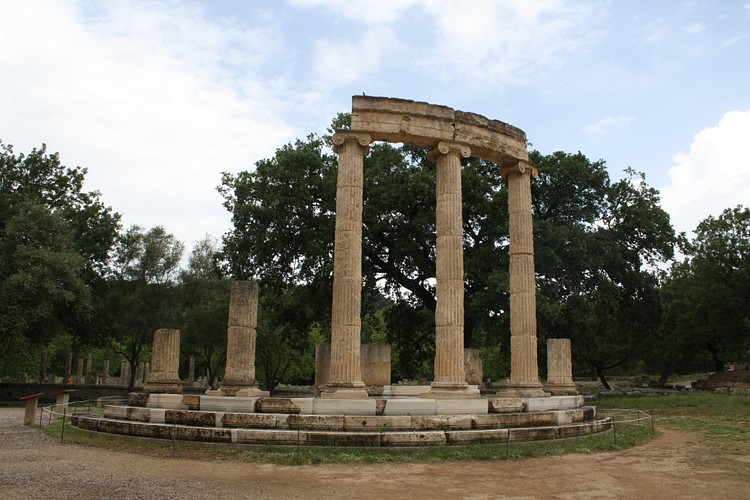
Eurydice I’s lasting significance is not solely confined to textual references; it is also cemented in material culture. Perhaps the most prominent testament to her legacy is her inclusion in the Philippeion at Olympia. This monumental circular sanctuary, begun by Philip II to commemorate his victory at Chaeronea (338 BCE) and completed by Alexander the Great after his father’s assassination (336 BCE), housed five chryselephantine statues. These depicted Philip II and his wife Olympias, alongside his parents, Amyntas III and Eurydice I, and Alexander the Great himself. While the statues are lost, Eurydice’s name remains visible on one of the surviving pedestals. Her placement among these towering figures, including two of the most famous rulers in history, signifies her undisputed status within the Argead dynastic pantheon, a rare honor for a queen of her time. It was a clear "official response" from her grandson, validating her importance to the family’s legacy.
Further archaeological discoveries provide intimate glimpses into Eurydice’s identity. Two dedicatory inscriptions to Eukleia, a goddess associated with Artemis and protector of maidens, were unearthed in 1982 and 1990 at the archaeological site of Vergina. Carved on marble pedestals, they read simply: "Eurydice, daughter of Sirras." While initially inferred to be offerings made around 390 BCE in preparation for her marriage, a third inscription with the same wording, found in 1983 on a reused pedestal at the nearby village of Palatitsia, is thought to be from a much later date. This later inscription has led some scholars to suggest that Eurydice may have had reasons to reassert her maiden (unmarried) identity at a later stage in her life. Regardless of the precise dating, these inscriptions are noteworthy for their emphasis on her autonomous identity as "daughter of Sirras," rather than defining her solely in relation to her husband, the king. This self-introduction, rare for royal women of her era, highlights a conscious projection of individual agency and lineage.
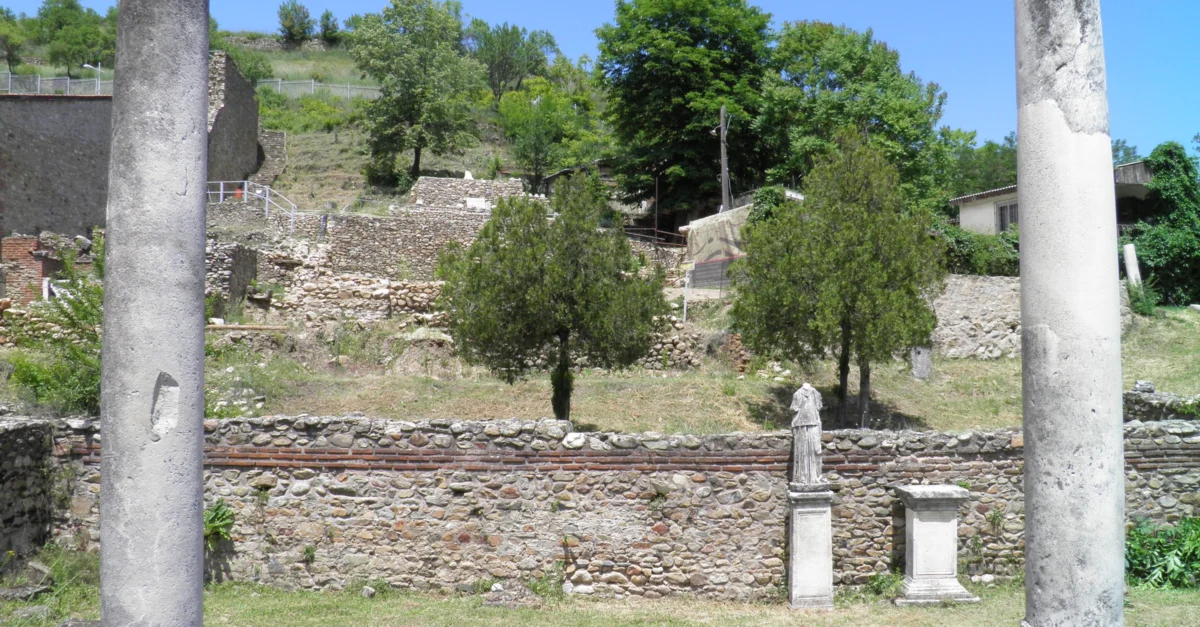
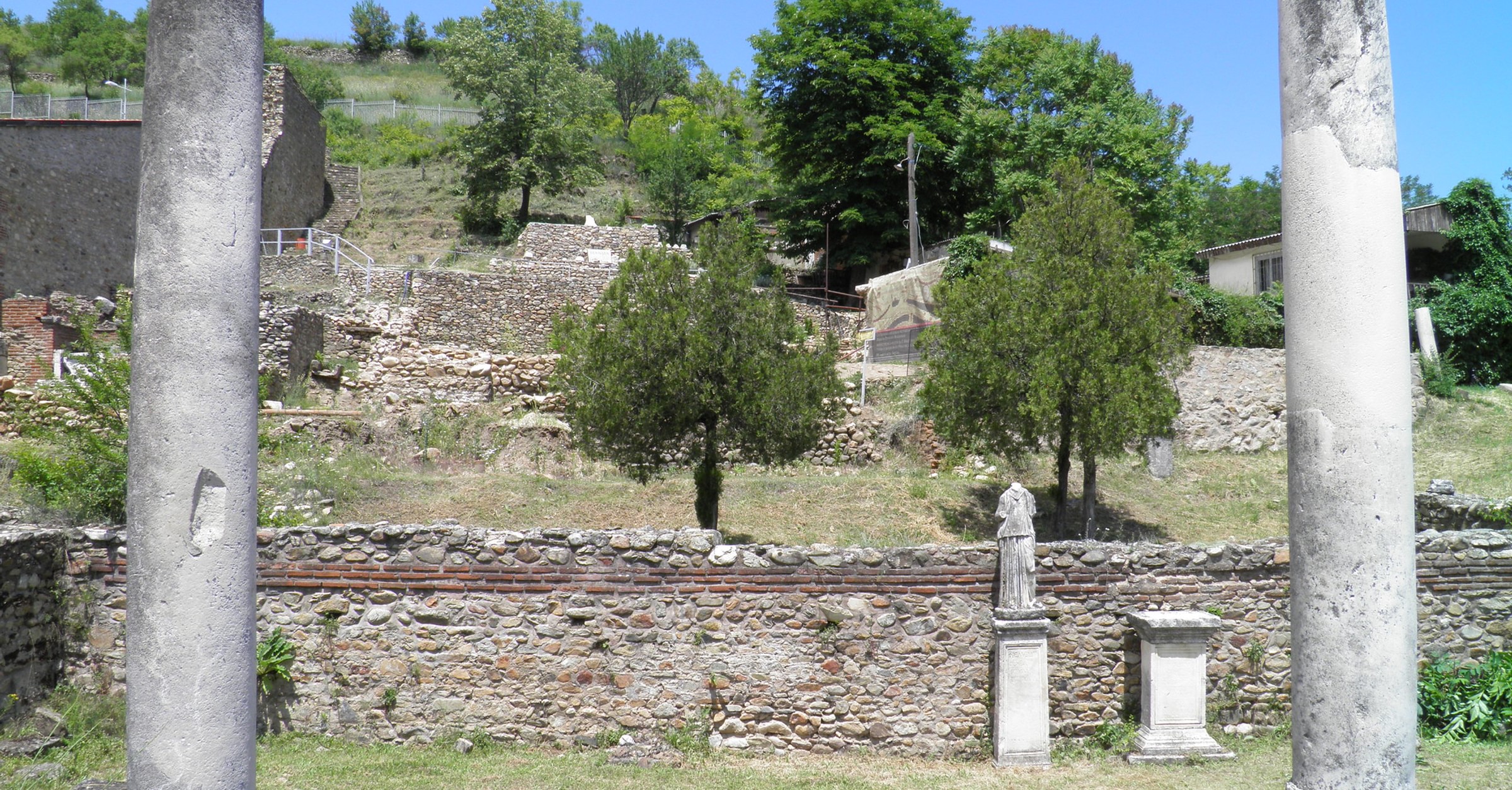
Finally, Philip II’s decision to develop and rename his mother’s birthplace, the Lynkestian capital, as Heraklia Lynkestis around 358 BCE, served as a powerful material tribute. This act not only honored his mother but also strategically integrated the formerly independent Lynkestis firmly into the Macedonian kingdom, symbolically acknowledging Eurydice’s ancestral roots while asserting Argead dominion.
The Significance of Literacy
Plutarch’s anecdote about Eurydice sending a gift to the Muses as a token of gratitude for her literacy education alongside her children is more than a charming detail; it is a critical piece of supporting data for understanding her unique position. In the ancient Greek world, literacy was a marker of status and often power, predominantly reserved for men, especially those in elite positions. For a woman, particularly a royal one, to possess reading and writing skills was unusual and highly advantageous.
While the exact curriculum of her education is unknown, her literacy would have provided her with practical skills invaluable for managing household affairs, administering estates, engaging in diplomatic correspondence, or even understanding official documents. Beyond the practical, her education carried symbolic weight. It signaled intellectual capacity, foresight, and an ability to engage with the world beyond traditional female spheres. In a court riddled with intrigue and constant shifts in power, the ability to read and write could have been a tool for acquiring information, forming independent judgments, and communicating discreetly. It underscores the idea that Eurydice was not merely a decorative queen but an informed and capable individual, prepared to take matters into her own hands when political exigencies demanded it, thus reinforcing her role as a "forerunner" in the education of Macedonian royal women.
Official Responses
Royal Endorsement and Public Recognition
The "official responses" to Eurydice I’s life and legacy were predominantly expressed through the actions of her celebrated son and grandson. Philip II’s development of Heraklia Lynkestis, her ancestral capital, was a significant act of royal endorsement. By investing in and renaming this city, Philip not only commemorated his mother but also symbolically integrated her Lynkestian heritage into the broader Macedonian identity he was forging. This act served as a public acknowledgement of her importance and perhaps a strategic move to solidify his own legitimacy by honoring his powerful maternal lineage.
Alexander the Great’s decision to include Eurydice’s statue in the Philippeion at Olympia stands as the ultimate royal validation. This monument, dedicated to Zeus and commemorating a decisive military victory, was a powerful statement of Argead supremacy. To place Eurydice alongside his divine ancestors, his parents, and himself was an extraordinary gesture, elevating her to a status typically reserved for divine figures or male monarchs. It explicitly positioned her as a foundational figure in the dynastic narrative, cementing her role as a respected matriarch whose contributions were deemed essential to the family’s rise.
Aeschines’ public praise, though delivered in a diplomatic context, also served as a form of official recognition. By recounting Eurydice’s courageous appeal to Iphicrates, Aeschines not only aimed to persuade Philip but also implicitly affirmed Eurydice’s reputation as a clever and resourceful queen. This public tribute, preserved in a significant Athenian speech, ensured that her heroic actions would resonate beyond the Macedonian court, further solidifying her image as a queen who actively shaped history. These combined gestures from her most famous descendants—material constructions, monumental art, and public oratory—constitute a powerful official narrative that unequivocally celebrated Eurydice I’s enduring legacy.
Setting a Precedent for Queenship
Eurydice I’s life and actions undeniably set a crucial precedent for the role of women in the Macedonian royal court, particularly for queenship. Before her, royal women’s influence was largely confined to domestic spheres or informal backroom dealings. Eurydice, however, openly intervened in matters of state, securing alliances and directly protecting the future of the dynasty. Her ability to navigate and influence the male-dominated political landscape of Macedonia demonstrated that queens could be active agents of power, not merely passive consorts.
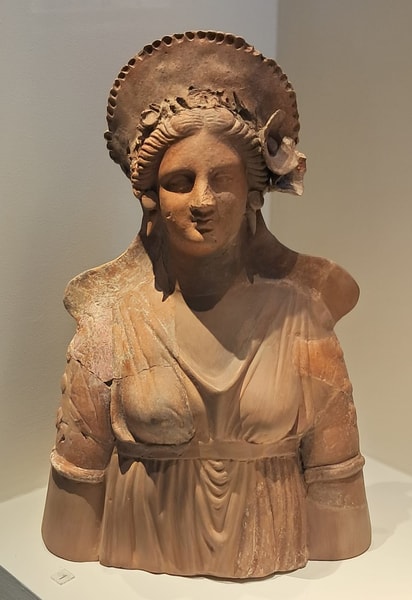
This shift became increasingly apparent in the Hellenistic era, where Macedonian and successor kingdoms saw a proliferation of powerful queens. Several of these figures were Eurydice’s own successors and descendants within the House of Argead: Olympias (Philip II’s wife, Alexander the Great’s mother), Cynane (Philip II’s daughter, a warrior princess), Adea-Eurydice (Cynane’s daughter, who briefly ruled), Thessalonike of Macedon (Philip II’s daughter), and Cleopatra of Macedon (Philip II’s full sister and queen regent). These women, many of whom served as regents or commanded armies, exercised varying degrees of authority and autonomy, directly reflecting the path paved by Eurydice I. Her interventions established a blueprint for royal female agency, proving that a queen’s support, or at least her consent, was indispensable for maintaining power. Her legacy thus contributed significantly to the evolving and increasingly prominent role of royal women in the Hellenistic world.
Implications
The Dawn of Female Political Agency
Eurydice I represents a pivotal moment in the history of female political agency in the ancient world, particularly within the Macedonian context. Her actions transcended the traditional boundaries of royal women’s roles, demonstrating an ability to not only survive but also to actively shape the destiny of a kingdom in crisis. Before Eurydice, Macedonian queens were largely overshadowed by their male counterparts, with their influence often subtle and unrecorded. Her bold appeal to Iphicrates, her reported literacy, and her strategic marriage alliances illustrate a queen who was not afraid to leverage her position, intellect, and familial connections for the survival and advancement of her lineage.
This marked the dawn of a new era where queens could be recognized for their political acumen and direct intervention, rather than solely for their reproductive capabilities or symbolic presence. She transformed the role of the queen from a largely passive figure into an active political player, paving the way for the more assertive and autonomous Hellenistic queens who would later emerge, many of whom, significantly, were her direct descendants. Her life challenges the traditional "male-dominated" narrative of ancient history, asserting the presence of powerful women who operated at the highest echelons of power.
Shaping the Argead Dynasty
The direct implication of Eurydice I’s interventions was nothing less than the safeguarding and shaping of the Argead dynasty itself. Her marriage to Amyntas III, a strategic alliance that brought stability to a volatile throne, was merely the beginning. Her most critical contribution lay in ensuring the survival and eventual ascendancy of her sons, particularly Philip II. In the tumultuous period following Amyntas III’s death, when rival claimants and foreign invaders threatened to dismantle the kingdom, Eurydice’s decisive action in appealing to Iphicrates for the protection of young Perdiccas and Philip proved instrumental. Had her sons not been protected, the course of Macedonian history, and indeed world history, would have been dramatically different.
Her powerful Lynkestian lineage and strategic marriage alliances implicitly validated the Argead succession, especially for Philip II, whose claim might otherwise have been weaker or more contested. The honoring of her memory by both Philip II and Alexander the Great was not merely an act of filial piety; it was a strategic reinforcement of their own legitimacy, tying their monumental achievements to a strong, foundational matriarch. Eurydice I’s legacy thus became an integral part of the Argead mythos, contributing to the stability and dynastic pride that fueled Macedonia’s imperial ambitions.
A Reassessment of Ancient History
Eurydice I’s story necessitates a critical reassessment of how ancient history, particularly that of Macedonia, has been traditionally written and understood. For too long, the contributions of women, especially those beyond the most famous figures like Olympias, have been marginalized or dismissed as secondary. Eurydice’s narrative, pieced together from fragmented sources and reinterpreted through modern scholarship, reveals a complex figure who defied the conventional expectations of her time.
Her life serves as a powerful reminder that "male-dominated" historical narratives often obscure the significant agency and influence wielded by women in ancient societies. Scholars like Elizabeth Donelly Carney have been instrumental in bringing figures like Eurydice I to light, challenging biases in classical historiography and demonstrating the vital roles women played in politics, diplomacy, and dynastic survival. Eurydice I is not just a historical anomaly but a symbol of the hidden power structures and individual strengths that often shaped the course of ancient civilizations, urging us to look beyond conventional narratives to uncover the full spectrum of historical actors. Her story enriches our understanding of queenship, political survival, and the evolving role of women in shaping the ancient world.


Leave a Comment