"Freak War" Unleashes a Quirky Card Game Revolution: Blending Pokémon Evolution with Party Game Chaos
FOR IMMEDIATE RELEASE
LONDON, UK – [Insert Current Date] – In an era saturated with complex tabletop experiences and often derivative party games, a refreshing new contender has emerged, promising to redefine the casual trading card game (TCG) landscape. "Freak War," a brainchild from cartoonist Nate Galbraith, known as sketchnate, is poised to captivate players with its unique blend of monster evolution, rapid-fire gameplay, and outlandish humor. Dubbed a "party-game TCG," Freak War aims to distill the thrilling essence of card battles into an accessible format, eschewing the steep learning curves and intricate deck-building often associated with the genre.
The game, which has already surpassed its initial crowdfunding goals on Kickstarter, is drawing comparisons to iconic titles such as the strategic monster battles of Pokémon and the unpredictable, quick-witted chaos of Exploding Kittens. However, its core appeal lies in its ingenious simplification of mechanics, making TCG fun available to virtually anyone, regardless of their prior experience with card games. With its vibrant, peculiar artwork and a commitment to immediate, engaging play, Freak War is not merely another card game; it’s a statement piece challenging the conventions of modern tabletop entertainment.
Main Facts: A Hybrid Beast for the Casual Gamer
At its heart, Freak War is an innovative card game designed for rapid, engaging play among groups of friends and family. Conceived by cartoonist Nate Galbraith, the game boldly fuses elements from some of the most beloved and accessible card games in history, creating a truly distinctive experience. Players will immediately recognize the influence of Pokémon in the creature evolution mechanics and distinct card layouts, while the unpredictable, high-stakes nature of Exploding Kittens shines through in its array of game-altering effects. Underlying these modern inspirations is the foundational simplicity of the classic playing card game "War" (or "Battle"), providing a straightforward combat resolution system that is easy for newcomers to grasp.
The primary objective of Freak War is to be a low-barrier-to-entry TCG. Unlike traditional trading card games that often demand extensive knowledge of card synergies, meta-game analysis, and considerable time investment in constructing optimal decks, Freak War offers an immediate plug-and-play experience. Players can simply shuffle a deck, split the cards amongst themselves, and dive directly into battle. This deliberate design choice addresses a common point of friction for many potential TCG players: the perceived overwhelming complexity and the significant time commitment required to become proficient.
Despite its emphasis on accessibility, Freak War does not shy away from offering strategic depth for those who seek it. While the default mode encourages spontaneous play, the option to build custom decks is available for players who prefer a more tailored and strategic approach. This dual functionality ensures that the game can cater to a broad spectrum of players, from casual gatherings looking for light entertainment to more dedicated card game enthusiasts seeking a fresh challenge. The game supports up to four players right out of the box, with provisions for even larger groups, making it an ideal choice for diverse social settings.
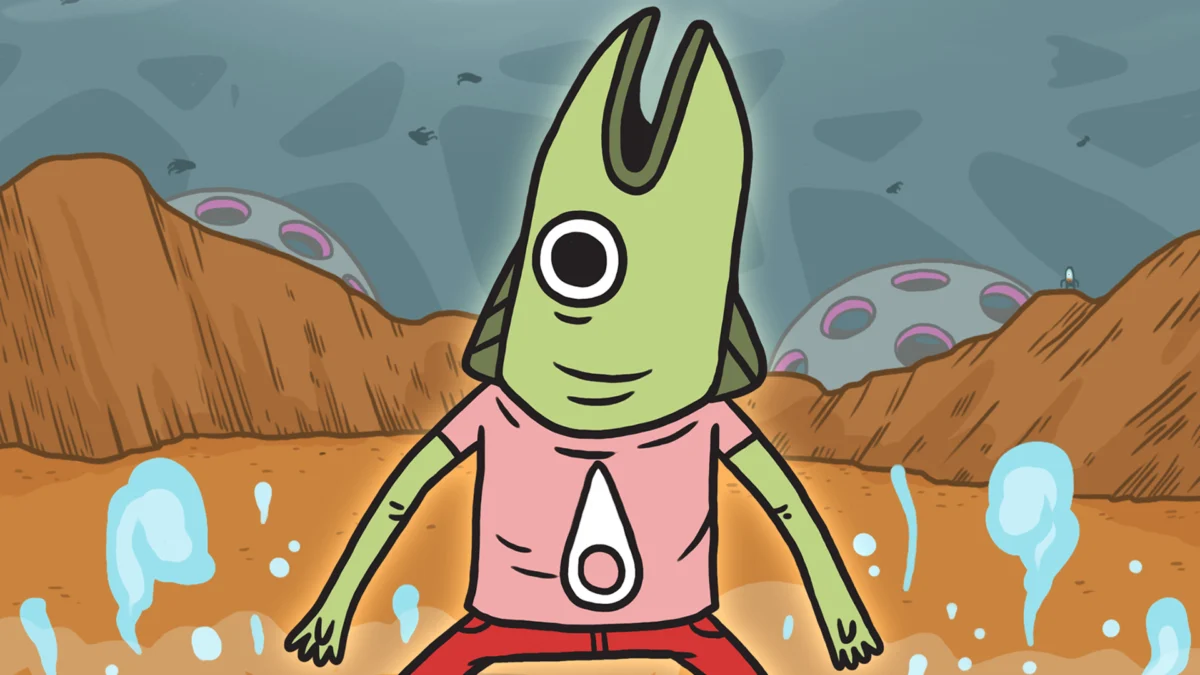
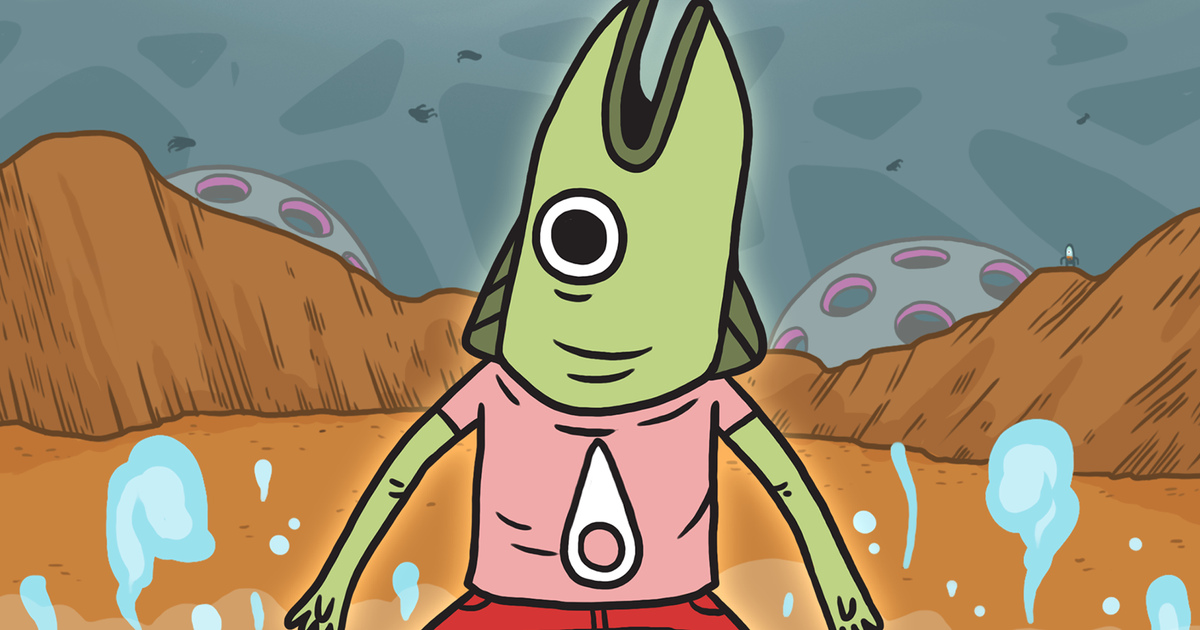
The visual identity of Freak War is as central to its appeal as its mechanics. Galbraith’s distinctive cartooning style brings to life a universe populated by bizarre, mutated creatures – a result of an enigmatic "second sun" that has transformed familiar animals into fantastical beings. This unique aesthetic, coupled with the game’s lighthearted, often meta-referential humor, distinguishes Freak War from the more serious or conventional fantasy themes prevalent in many card games. It promises not just a game, but a charming, whimsical experience filled with laughter and unexpected twists.
Chronology: From Playground Inspiration to Crowdfunding Success
The genesis of Freak War can be traced back to a serendipitous observation by creator Nate Galbraith. As a cartoonist and keen observer of play, Galbraith witnessed children attempting to engage in Pokémon-style battles using nothing more than a deck of Uno cards. This simple, yet telling, scene sparked a crucial insight: there was a clear desire among younger players, and likely casual gamers of all ages, for the engaging monster-versus-monster combat found in TCGs, but without the inherent complexities that often act as a barrier to entry. The children’s makeshift game highlighted a yearning for accessible, imaginative play that traditional TCGs, with their intricate rulebooks and strategic nuances, couldn’t readily satisfy for a casual audience.
Galbraith’s initial response was to suggest a game of "War," the classic playing card game renowned for its extreme simplicity and rapid-fire resolution. This pivotal moment served as the foundational bedrock for Freak War. The core mechanic of "War" – simultaneously playing cards and comparing values – offered the immediate, head-to-head confrontation that the children (and Galbraith himself) found so appealing. However, merely replicating "War" wouldn’t capture the desired depth and personality.
It was at this juncture that Galbraith began to layer on the distinctive elements that would define Freak War. He integrated the concept of evolving monsters, directly inspired by Pokémon, adding a dynamic progression to the creatures on the cards. To inject unpredictability and strategic twists, he drew inspiration from the "take-that" mechanics and chaotic card effects popularized by games like Exploding Kittens. Finally, he overlaid his unique artistic vision onto this mechanical framework, populating the cards with a menagerie of bizarre and endearing creatures. This iterative design process, moving from basic inspiration to layered complexity and distinctive aesthetics, gradually shaped Freak War into its current form.
Following a period of development and refinement, Sheltonshire Games, Galbraith’s creative outlet, launched the Kickstarter campaign for Freak War. The crowdfunding initiative, with a modest goal of $10,000, quickly resonated with the gaming community. The campaign’s rapid success, surpassing its target well ahead of schedule, serves as a powerful testament to the game’s innovative concept and widespread appeal. It clearly struck a chord with players eager for a fresh, accessible, and entertaining card game experience. The Kickstarter campaign is slated to conclude on June 13th, with the game itself projected to be delivered to backers in June of the following year, perfectly timed for summer holidays and social gatherings. This timeline reflects a methodical approach to production and fulfillment, aiming to bring Galbraith’s vision to players worldwide.
Supporting Data: Unpacking the Mechanics and Lore of Freak War
Freak War’s gameplay is a masterclass in elegant simplicity, masking surprising layers of tactical depth and anarchic fun. The core loop revolves around players simultaneously revealing creature cards, with the highest "attack level" typically claiming victory. This fundamental mechanic, borrowed from the classic game of War, ensures that new players can grasp the basic premise within moments. However, the game quickly diverges from its minimalist ancestor through a rich tapestry of special abilities, modifiers, and diverse play modes.
Diverse Gameplay Modes for Varied Preferences:
The game offers two primary modes, "War" and "Battle," allowing players to tailor the experience to their preferred level of chaos or strategy.
- War Mode: This mode embodies pure, unadulterated spontaneity. Players simply flip the top card of their shuffled deck, introducing an element of thrilling unpredictability. It’s perfect for quick, lighthearted sessions where strategic planning takes a backseat to luck and the joy of unexpected outcomes. The focus here is on immediate reactions and the unfolding narrative of random draws.
- Battle Mode: For those who prefer a more considered approach, Battle mode allows players to choose a card from their hand, introducing a significant strategic layer. This mode encourages players to weigh their options, anticipate opponents’ moves, and manage their hand effectively, making it appealing to players who enjoy a degree of tactical decision-making without the overwhelming complexity of traditional TCGs.
Both modes can be further customized with optional "King of the Hill" and team rules, expanding the game’s versatility and replayability. "King of the Hill" could introduce a dynamic objective, where players vie for control over a central card or area, while "team rules" foster collaborative play, adding a social dimension beyond individual victories.
The Thrill of Evolution and Modifiers:
A central pillar of Freak War’s engaging design is the concept of creature evolution, directly inspired by Pokémon. Certain cards allow creatures to "evolve" into more powerful forms, often depicted with grander artwork and higher attack values. This mechanic introduces a sense of progression and excitement, as players watch their humble creatures transform into formidable combatants. Beyond evolution, a robust system of modifier cards ensures that no two battles feel quite the same. These modifiers can be played to boost the strength of a player’s own creature, reduce an opponent’s attack level, or introduce a myriad of other disruptive effects. Examples include the straightforward "Super Sword" and "Super Duper Sword" for direct power boosts, alongside more cunning cards that allow players to swap cards with rivals, cancel active modifiers, or even flip coins for a chance at an unexpected power surge. This "take-that" element, reminiscent of Exploding Kittens, ensures constant interaction and keeps players on their toes.
The "Draw" Mechanic and Victory Conditions:
In instances where two players reveal creatures with identical attack levels, a "draw" scenario unfolds, adding a unique tension to the game. Both players discard a card before facing off again with another creature, escalating the stakes until a clear winner emerges. The ultimate victory condition is straightforward yet compelling: the player who manages to claim all cards from their opponents’ decks emerges victorious. All cards won in battle are added to a player’s "win pile," which are then reshuffled into their active deck, creating a dynamic ebb and flow of resources and ensuring that even a player facing defeat can potentially stage a comeback.
A Universe of Weird and Wonderful Lore:
Nate Galbraith’s distinctive artistic vision is brought to life through a rich, whimsical lore centered around the emergence of a "second sun." This celestial anomaly serves as the catalyst for the mutation of familiar animals into the "freaks" that populate the game’s cards. The creature designs are a highlight, showcasing Galbraith’s imaginative flair. Players will encounter:
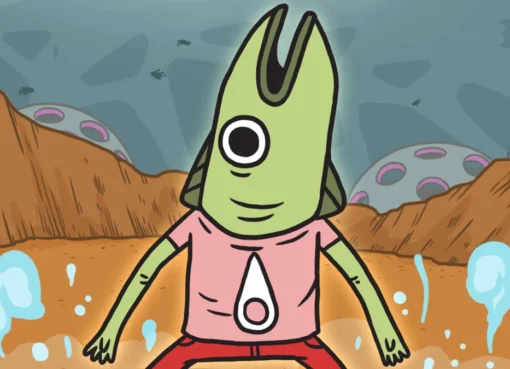
- Muscly Fishpeople: A bizarre yet endearing aquatic humanoid.
- A Time-Traveling Tiger: Suggesting temporal shenanigans and perhaps unique abilities tied to past or future states.
- A Partying Platypus: Infusing humor and a carefree spirit into the combat.
- A Dog with a Goldfish Bowl for a Head: A wonderfully absurd visual that epitomizes the game’s quirky charm.
- A Sad Bee: Injecting a touch of pathos and potentially an unexpected ability.
- A Man Cat: Playfully meta, described as "basically a bloke in a cat costume," blurring the lines between creature and human.
These creatures are not merely static images; many possess playful, often "meta" effects that directly interact with the game state or even the real-world environment. For instance, the "scrap-loving Fly Guy" gains power if there’s uneaten food near the players, a delightful touch that encourages environmental interaction and adds to the game’s party appeal. This blend of imaginative lore, distinctive art, and interactive card effects creates a cohesive and thoroughly entertaining package.
Official Responses: The Creator’s Vision and Community Validation
While "official responses" in the traditional sense of corporate statements or press conferences are less applicable to an indie game’s Kickstarter campaign, the creator’s articulated vision and the overwhelming community reception serve as powerful affirmations of Freak War’s value proposition. Nate Galbraith’s design philosophy is an implicit official response to the perceived gaps in the current tabletop gaming market. His intent, clearly communicated through the game’s mechanics and promotional materials, is to democratize the TCG experience. He seeks to offer the exhilarating battles and strategic depth that define the genre, but crucially, without the often-prohibitive effort required for extensive rule memorization or arduous deck construction.
Galbraith’s decision to blend the accessible combat of "War" with the engaging progression of Pokémon and the unpredictable fun of Exploding Kittens is a deliberate statement. It’s an "official response" to the desire for a game that can be picked up and played immediately by anyone, from seasoned gamers to complete novices. The inclusion of optional deck-building for more strategic players, alongside the default grab-and-play approach, further underscores this commitment to broad accessibility and player choice. This thoughtful design ensures that Freak War isn’t just a niche product but a versatile offering capable of fitting into various gaming scenarios.

Furthermore, the resounding success of the Kickstarter campaign stands as the most compelling "official response" from the global gaming community. Surpassing its modest $10,000 crowdfunding goal significantly and rapidly is not merely a financial achievement; it is a clear validation of the game’s concept and its perceived market need. The collective backing from hundreds, if not thousands, of individuals demonstrates a widespread enthusiasm for Freak War’s unique blend of humor, accessibility, and engaging gameplay. This community endorsement effectively signals that Galbraith’s vision resonates deeply with a diverse audience hungry for innovative, lighthearted, and truly fun card games. It confirms that many players are indeed "tired of many copy-paste or just downright gross party games," as the original article implies, and are actively seeking alternatives that offer genuine creativity and enjoyable mechanics. The crowdfunding success thus transforms the game from a personal project into a community-supported phenomenon, solidifying its place as a highly anticipated release.
Implications: Shaping the Future of Casual TCGs and Party Games
The emergence and early success of Freak War carry significant implications for the broader landscape of casual trading card games and party games. Its innovative design approach has the potential to influence future game development and reshape player expectations.
Redefining Accessibility in TCGs: Freak War’s most profound implication lies in its challenge to the traditional TCG model. By demonstrating that the core thrill of monster battling and card interaction can be achieved without requiring extensive rules mastery or pre-game deck construction, it sets a new benchmark for accessibility. This could inspire other designers to strip away unnecessary complexity, opening the TCG genre to a much wider audience that has historically been intimidated by the high barrier to entry. This expansion of the player base could lead to a renaissance in casual TCGs, fostering a more inclusive gaming environment.
The Power of Hybrid Genres: The game’s successful fusion of Pokémon-esque evolution, Exploding Kittens’ chaos, and the simplicity of War highlights the fertile ground found in hybridizing established genres. This synergistic approach proves that combining beloved elements from disparate games can create something entirely novel and appealing. It suggests a future where game designers are less constrained by rigid genre definitions and more encouraged to experiment with cross-pollination, leading to a more diverse and innovative market.
Art and Humor as Core Gameplay Elements: Nate Galbraith’s distinctive cartooning and the game’s inherent humor are not just cosmetic; they are integral to Freak War’s identity and play experience. The weird creatures, the meta-game effects (like the Fly Guy), and the overall goofy aesthetic contribute directly to the "party game" atmosphere. This emphasizes that strong, unique art direction and a clear comedic voice can be as crucial to a game’s success as its mechanics, particularly in the casual segment. It encourages a move away from generic themes towards more characterful and memorable artistic expressions.
Sustainability and Expansion Potential: The mention of "a bunch of different packs filled with dozens more creatures" hints at a robust future for Freak War. The modular nature of card games, especially those with a creature-collecting element, lends itself perfectly to expansions. New packs could introduce new creature types, unique modifiers, or even entirely new gameplay mechanics, ensuring longevity and continued player engagement. This potential for ongoing content could establish Freak War as a durable franchise within the casual gaming space, rather than a fleeting novelty.
Impact on Social Gaming: As a party game, Freak War is designed to facilitate social interaction and shared laughter. Its quick rounds, easy-to-learn rules, and capacity for multiple players make it an ideal choice for gatherings. In a world increasingly seeking engaging alternatives to screen-based entertainment, Freak War offers a refreshing, tactile, and highly interactive option that encourages face-to-face fun. Its family-friendly nature, devoid of the potentially "gross" or "copy-paste" humor often found in other party games, positions it as a go-to choice for diverse age groups.
In conclusion, Freak War is more than just a new card game; it represents a thoughtful evolution in the casual gaming sphere. By meticulously blending familiar mechanics with innovative design and a distinct artistic flair, Nate Galbraith has created a product that not only fills a market gap but also sets a compelling precedent for the future of accessible, engaging, and genuinely fun tabletop experiences. Its journey from a simple playground observation to a successfully crowdfunded phenomenon underscores a significant shift in what players seek from their card games: immediate enjoyment, surprising depth, and a whole lot of weird, wonderful charm.