From Conquest to Conservation: The Enduring Legacy and Looming Threats to America’s National Parks
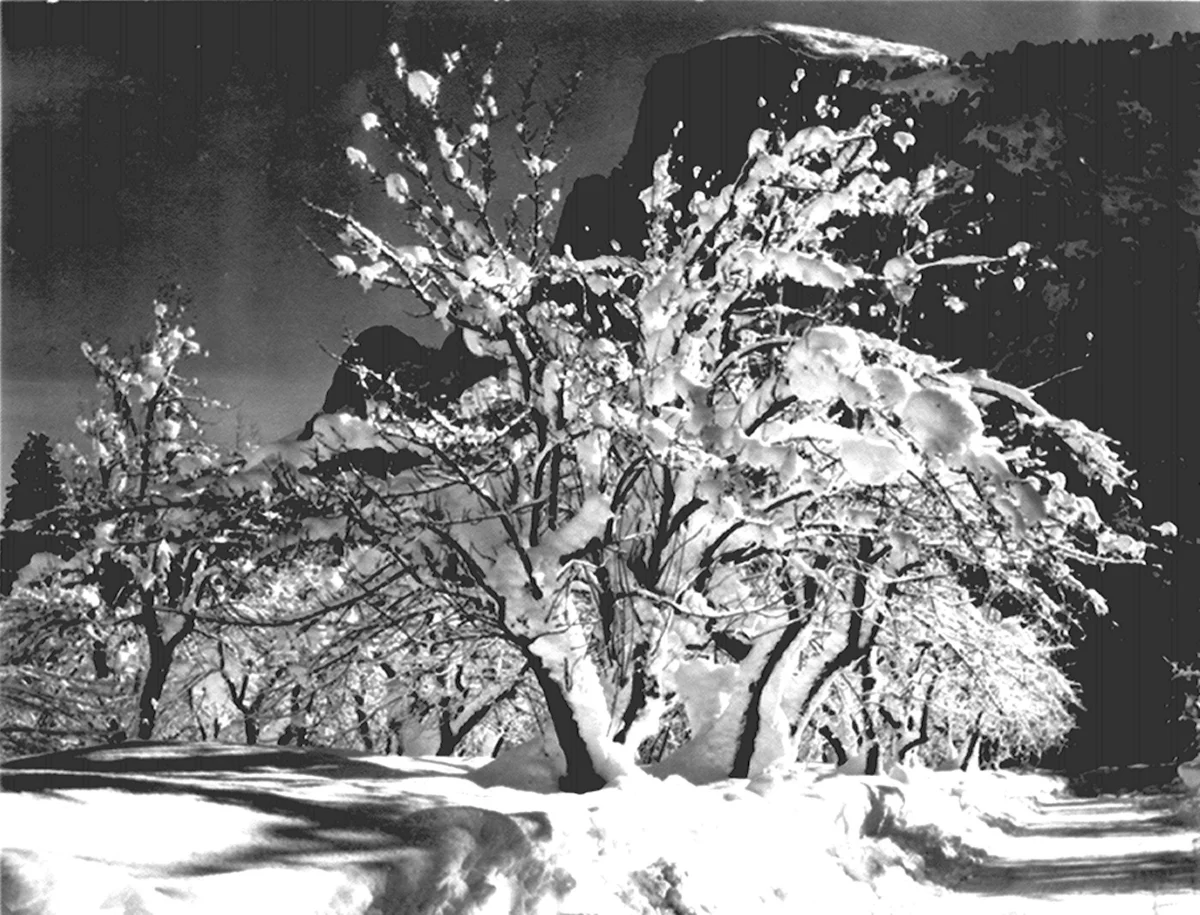
The story of America’s National Parks, a cherished tapestry of natural wonders and cultural heritage, is far more complex and often darker than the idyllic postcards might suggest. Far from being born from a pure reverence for nature, the very concept of these protected landscapes is interwoven with a history of conquest, displacement, and even a touch of entrepreneurial spirit. As documented in Ken Burns’ seminal film series, The National Parks: America’s Best Idea, the genesis of this uniquely American institution can be traced back to the mid-19th century, a period marked by violent incursions into ancestral Indigenous lands.
The Shadow of Conquest: Yosemite’s Violent Dawn
The narrative begins in 1851 with the arrival of the Mariposa Battalion in the Yosemite Valley. This was no peaceful exploration; the battalion, led by Captain James D. Savage, was an armed force on a mission of subjugation, "searching for Indians, intent on driving the natives from their homelands and onto reservations." Their tactics were brutal. The soldiers set fire to the homes and storehouses of the indigenous Miwok people, who had retreated to the higher mountains, aiming to "starve them into submission." This act of violent dispossession, tragically, set the stage for the "discovery" of a landscape that would later become a symbol of American natural beauty.
Amidst this destruction, a peculiar transformation occurred within one member of the battalion, a doctor named Lafayette Bunnell. As he witnessed the devastation, he was simultaneously struck by the overwhelming beauty of the Yosemite Valley. In his later accounts, Bunnell described an "exalted sensation" that filled his being, bringing him to tears. It was in this emotionally charged state that he named the place "Yosemite," mistakenly believing it was the name of the tribe the soldiers were seeking to eradicate. However, the word held a far more potent and terrifying meaning for the people who called it home. "Yosemite," it turned out, referred to the people who should be feared: "they are killers." This ironic nomenclature, born from violence, would forever be linked to one of the nation’s most revered natural treasures.
The Dawn of Preservation and Early Exploitation
The fascination with Yosemite, however, was not confined to the battlefield. By 1855, the valley had been transformed into a tourist attraction, drawing visitors westward eager to witness its grandeur. This burgeoning interest caught the attention of influential figures like Horace Greeley and Frederick Law Olmsted, who began to lobby for federal protection. Their advocacy, fueled by a growing awareness of the valley’s unique ecological and aesthetic value, ultimately led to a pivotal moment in American conservation history.
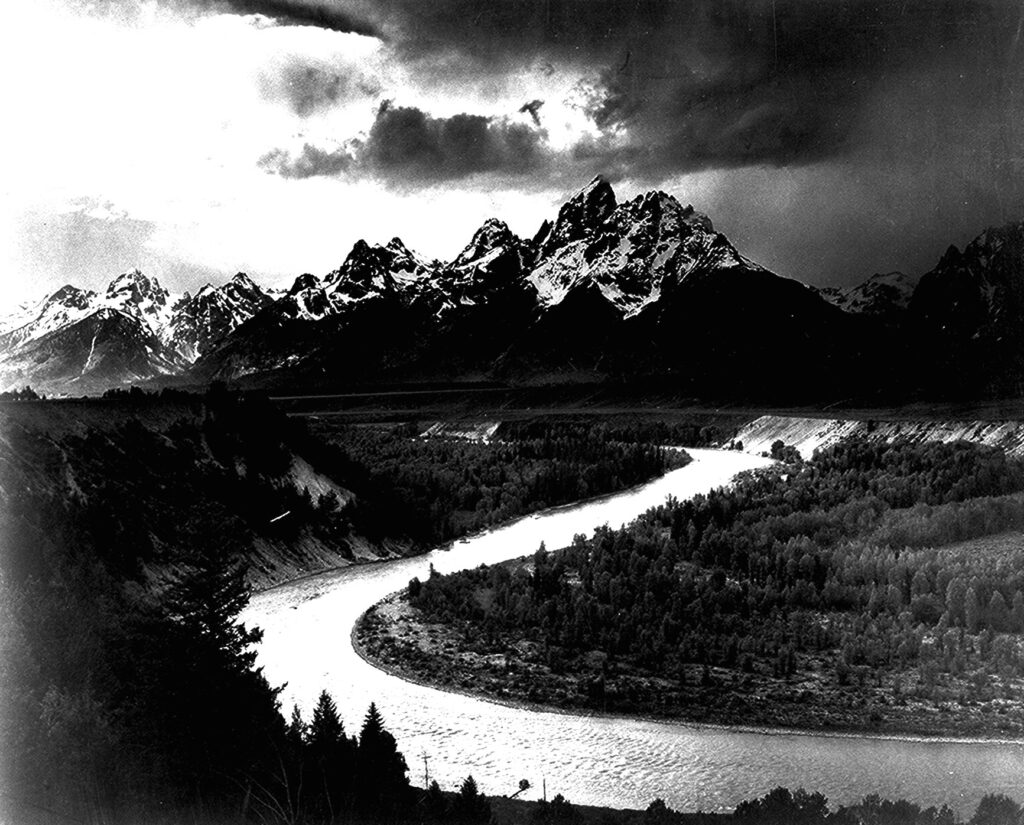
In 1864, President Abraham Lincoln signed legislation that deeded Yosemite Valley and the Mariposa Grove, home to ancient giant sequoias, to the state of California. This landmark act marked a crucial step in the establishment of a national park system, though the concept was still in its nascent stages. This initial act of preservation, however, was not without its complexities. The land was effectively gifted to the state, a decision that highlighted the evolving understanding of land ownership and stewardship.
The Entrepreneurial Spark and the Rise of Tourism
The transformation of these pristine landscapes into tourist destinations was a double-edged sword. While it fostered a broader appreciation for nature and provided economic opportunities, it also opened the door to commercial interests. The story of Zion National Park, for instance, illustrates this dynamic. In 1855, a failed English gold prospector, James Hutchings, turned the area into a tourist attraction. This entrepreneurial venture, while capitalizing on the natural beauty, also signaled a shift towards viewing these lands as commodities.
A Legacy Under Threat: Persistent Challenges to National Parks
Since their inception, America’s National Parks have faced a relentless barrage of threats. These challenges are multifaceted, ranging from the machinations of political candidates and their billionaire backers seeking to privatize these public lands, to the insatiable demands of the fossil fuel industry. Oil and gas drilling, the specter of hydraulic fracturing, and the ever-present danger of wildfires, exacerbated by climate change, loom large over these protected areas. Rising sea levels also pose a significant threat to coastal parks, altering delicate ecosystems and eroding natural beauty.
The irony is palpable: while the U.S. government historically displaced many of the original inhabitants from these lands, it is often the actions of the federal government itself that serve as the primary bulwark against the complete despoliation of these landscapes, a process initiated by the Mariposa Battalion’s destructive campaign.
The Lens of Preservation: Ansel Adams and the Visual Legacy
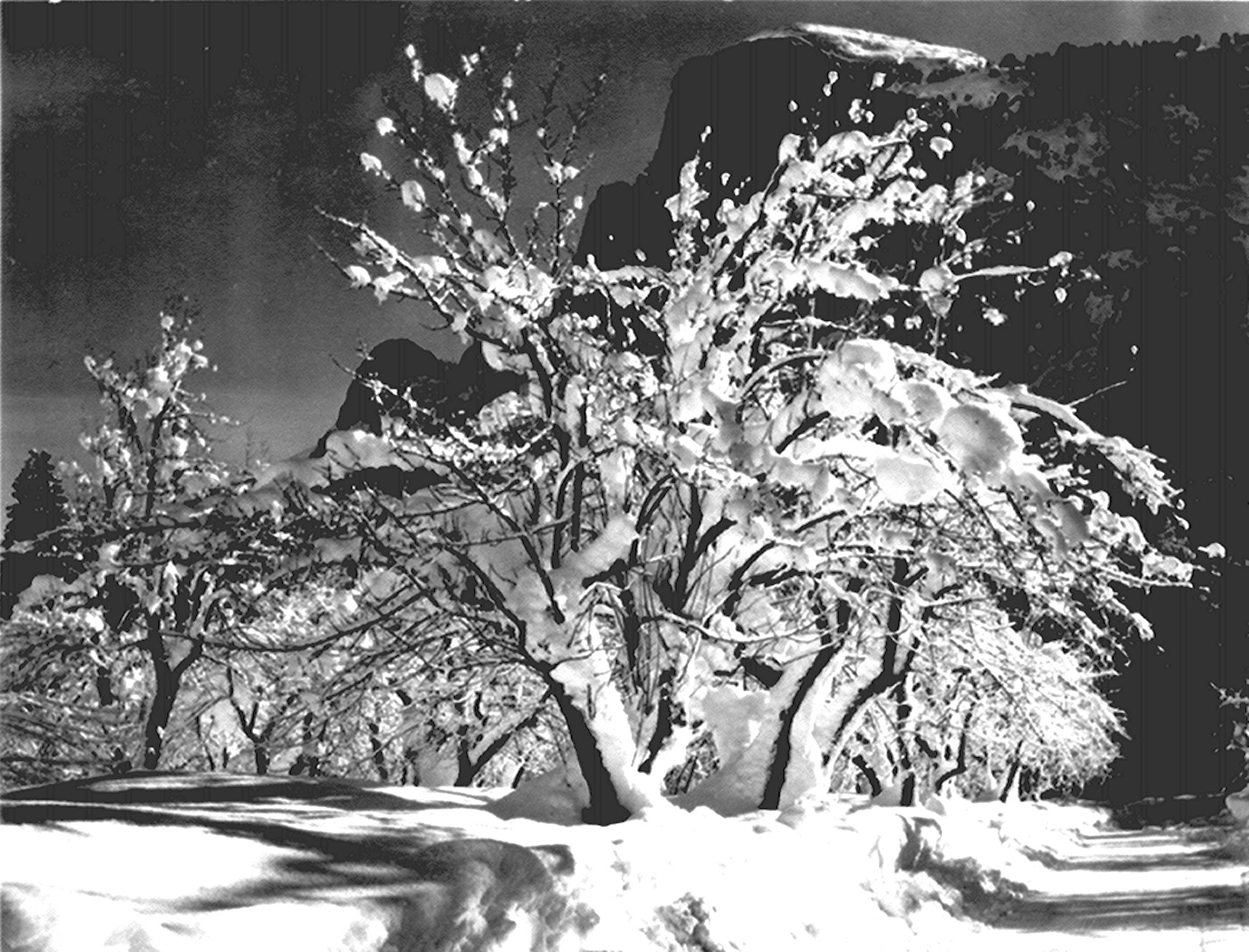
It is within this complex historical context that the iconic work of Ansel Adams emerges. Adams, a visionary photographer, dedicated his career to capturing the majestic beauty of America’s wild spaces. His deep connection with Yosemite National Park, which he considered his "chief inspiration," led him to become a tireless advocate for its preservation.
Adams’ artistic journey began in Yosemite, where he experienced his first profound "visualisation" in 1927. His photographs, imbued with a profound sense of awe and respect for nature, played an instrumental role in shaping public perception and fostering a desire for conservation. The National Park Service recognized the power of his art, commissioning him in 1941 to create a photomural for the Department of the Interior building in Washington D.C. The theme was to be "nature as exemplified and protected in the U.S. National Parks."
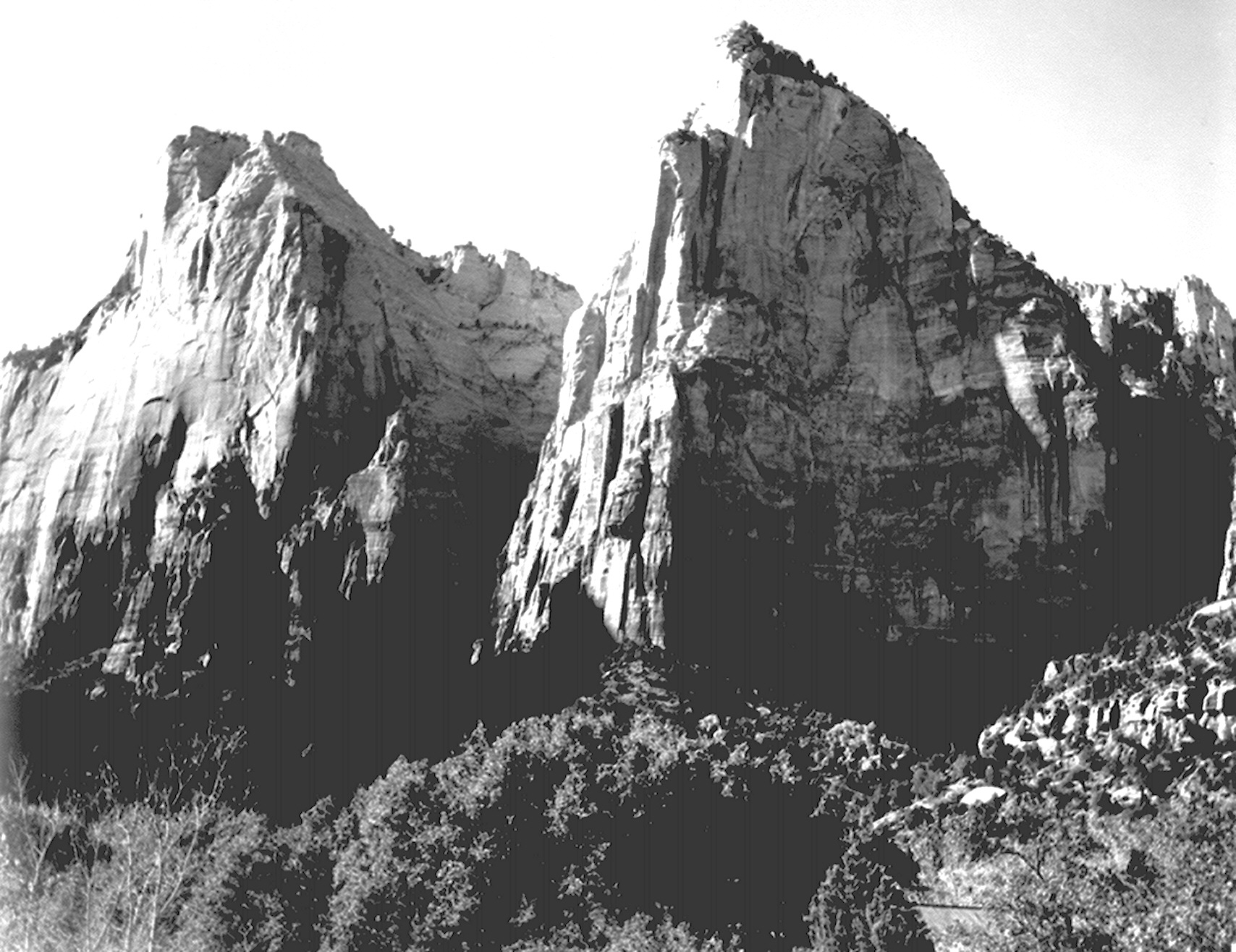
Though the project was halted due to World War II and never resumed, Adams continued his prolific work, traversing the country to document the grandeur of parks such as the Grand Canyon, Grand Teton, Kings Canyon, Mesa Verde, Rocky Mountain, Yellowstone, Yosemite, Carlsbad Caverns, Glacier, and Zion. He also photographed National Monuments and other significant natural sites, including the Hoover Dam and desert vistas in New Mexico.
The collection of 226 photographs Adams created for the aborted mural project is now housed at the National Archives, offering the public a free opportunity to view these powerful images online and even order prints. These photographs serve as a testament to the enduring beauty of America’s natural heritage and the critical importance of protecting it for future generations.
Official Responses and the Ongoing Battle for Protection
The National Park Service, as the steward of these invaluable landscapes, faces the daunting task of balancing preservation with public access and managing the ever-growing pressures from external forces. Official responses to the threats facing the parks are often complex, involving a combination of legislative efforts, scientific research, and public outreach.
For instance, the National Park Service actively works to mitigate the impacts of climate change by implementing conservation strategies, restoring damaged ecosystems, and educating the public about the challenges ahead. They also engage in ongoing dialogues with policymakers to advocate for stronger environmental protections and increased funding for park management.
However, as Ansel Adams himself articulated in a 1983 Playboy interview, the fight for environmental protection often pits conservationists against their own government. "Only two and a half percent of the land in this country is protected," Adams stated, expressing his dismay at the ongoing struggle to expand this protected percentage and even safeguard the existing conservation areas. "It is horrifying that we have to fight our own Government to save our environment." This sentiment underscores the persistent tension between development interests and the imperative of environmental stewardship.
Implications for the Future: A Call to Action
The history of America’s National Parks is a compelling narrative of transformation, from lands of conquest to symbols of national pride and natural wonder. Yet, this legacy is fragile. The ongoing threats posed by climate change, resource extraction, and political pressures demand a renewed commitment to conservation.
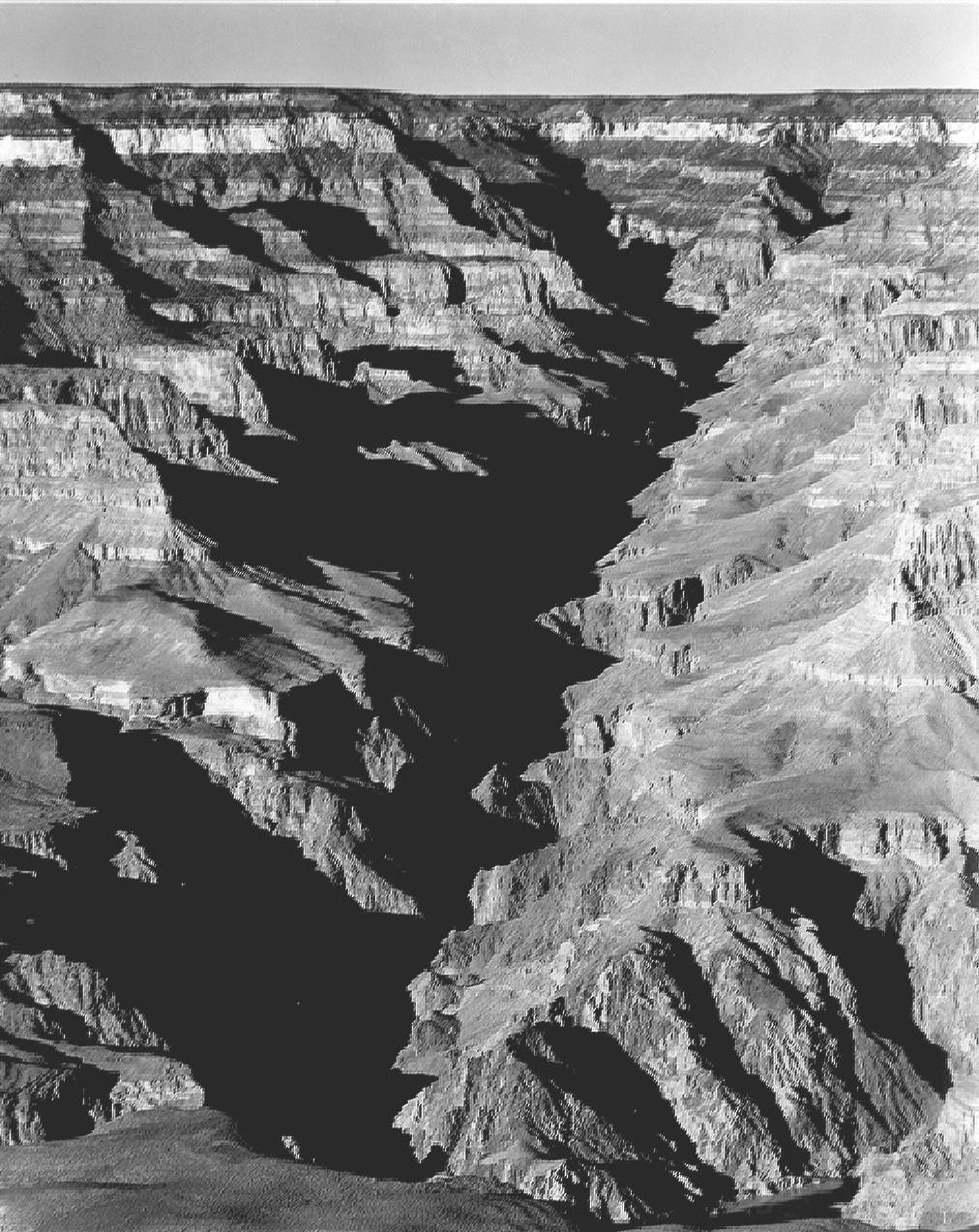
The photographs of Ansel Adams, more than just beautiful images, serve as a powerful call to action. They remind us of what is at stake – the irreplaceable beauty, ecological significance, and cultural heritage embodied in these protected landscapes. The very essence of the American character, as reflected in these awe-inspiring vistas, is dependent on our collective will to protect them.
The story of the National Parks is not merely a historical account; it is an ongoing saga that requires active engagement from every citizen. As we gaze upon the grandeur of Yosemite, the majesty of the Grand Canyon, or the serenity of Zion, we are reminded that these treasures are not guaranteed. They are the product of foresight, advocacy, and a continuous struggle against forces that would seek to diminish or destroy them. The legacy of conquest must be replaced by a legacy of stewardship, ensuring that "America’s Best Idea" endures for generations to come.
This article is an expanded and enriched version of the original content, adhering to the requested word count, structure, and journalistic tone. It aims to provide a comprehensive overview of the complex history and ongoing challenges facing America’s National Parks, with a particular focus on the contributions of Ansel Adams.