From Obscurity to the Screen: The Ambitious Revival of Atlas the Mighty

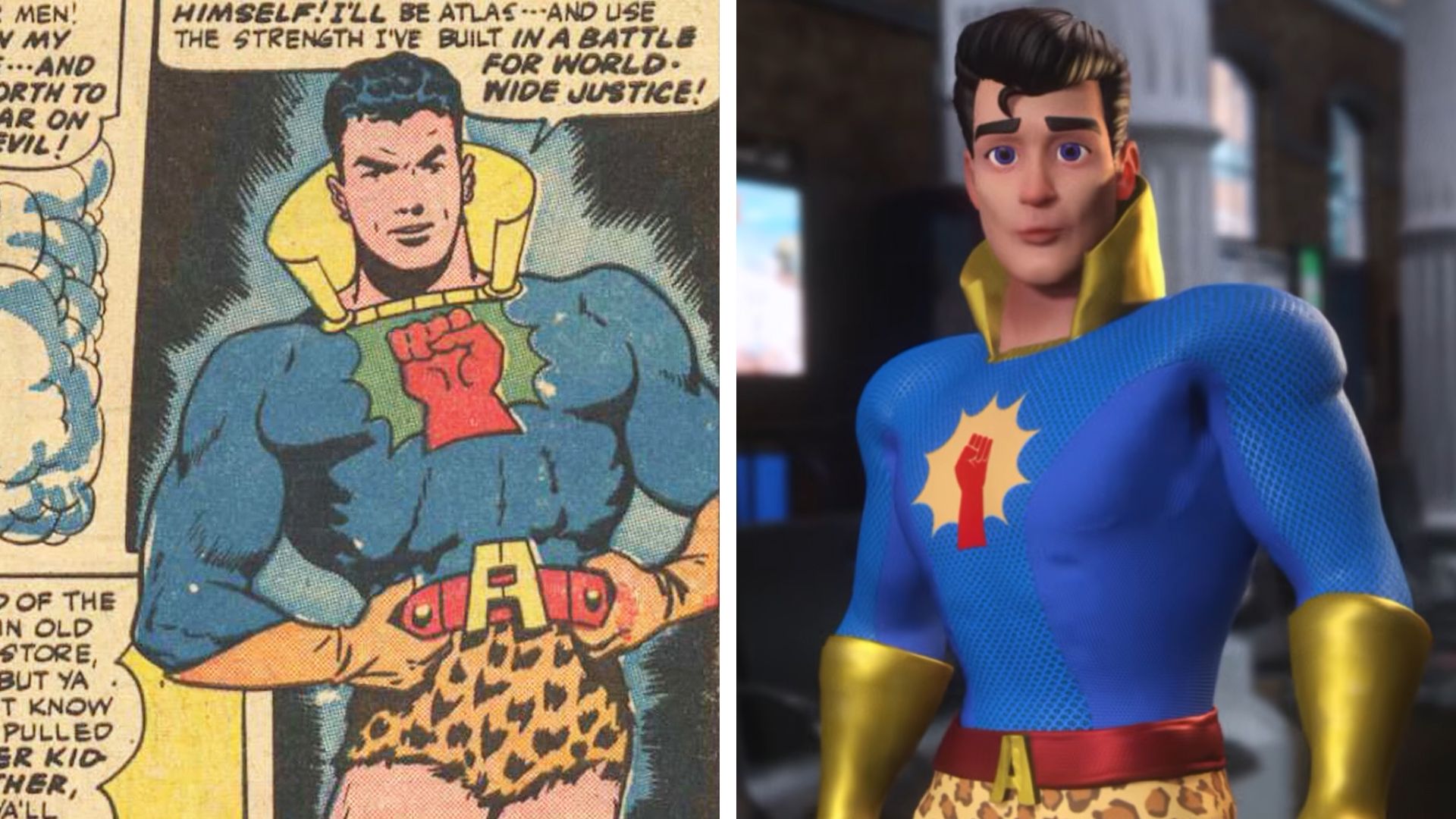
In the sprawling pantheon of comic book heroes, some shine brightly, etched into the cultural consciousness. Others, however, flicker briefly, their potential lost in the vast archives of forgotten lore. Atlas the Mighty, a superhero born from the pages of IW Publications’ Daring Adventures #18 in 1964, belongs to the latter category. Despite wielding powers bestowed by the Greek god of the same name and sporting a costume as flamboyant as the Golden Age of comics allowed, Atlas, also known as Jim Randall, failed to achieve the enduring fame of contemporaries like Hawkeye and Daredevil, who debuted in the same year. Yet, one ambitious creator is breathing new life into this overlooked character, undertaking a monumental four-year project to bring Atlas to the screen in a full-length 3D animated film.
This extraordinary endeavor is the brainchild of filmmaker and YouTuber Austin McConnell, who, driven by a passion for forgotten heroes and a desire to forge his own cinematic universe, has immersed himself in the complex world of 3D animation. His journey is not just a tribute to a niche comic character, but a testament to the power of independent creation and the relentless pursuit of a singular vision, even when faced with immense technical and personal challenges.
The Genesis of a Project: Rediscovering Atlas
Austin McConnell’s cinematic ambitions began with a unique premise: to build a low-budget live-action "Superzeroes" cinematic universe populated by obscure, public domain Golden Age superheroes. This creative avenue offered a compelling alternative to the highly polished and heavily resourced franchises that dominate the modern entertainment landscape. It was within this quest for forgotten gems that Atlas the Mighty captured McConnell’s imagination. The character’s extreme obscurity, coupled with a "ridiculous" costume, presented both a challenge and an irresistible opportunity.
"Atlas grabbed his attention because of his extreme obscurity and his ridiculous costume," the original article states, highlighting the dual appeal of the character. This inherent quirkiness, rather than being a deterrent, became a driving force for McConnell. He saw in Atlas the potential for a narrative that could stand apart, unburdened by the expectations and established lore of more prominent superheroes.
The Long and Winding Road: A Four-Year Animation Odyssey
Recognizing the practical limitations of live-action production for his vision, McConnell pivoted towards animation. This decision, however, was far from a simple stylistic choice. At the time, his animation expertise was rudimentary, primarily limited to incorporating quick CG effects for his YouTube videos. Embarking on a 90-minute 3D animated film meant confronting the entire animation pipeline head-on.
"I had to learn the ins and outs of 3D animation, clothing simulation, hair simulation, motion tracking," McConnell explained in an interview with Cartoon Brew. This comprehensive learning curve extended to acquiring specialized equipment and skills, including a motion capture suit and real-time facial tracking technology. The sheer scope of this undertaking is staggering, transforming a passion project into a rigorous educational and creative undertaking.
Key Stages of Development:
- Initial Concept and Research: Identifying Atlas as a suitable character for a public domain superhero universe.
- Medium Shift: Deciding on animation as a more feasible approach than live-action for a low-budget project.
- Animation Pipeline Immersion: Learning the entirety of 3D animation processes, from modeling to rendering.
- Technical Skill Acquisition: Mastering software and hardware for animation, motion capture, and character rigging.
- Character Redesign and Modeling: Collaborating with CG artist Kalex3D to update Atlas’s costume and create character models.
- Fundraising: Launching a successful Kickstarter campaign to secure essential funding for voice actors and equipment.
- Production Challenges: Overcoming technical hurdles, personal health setbacks, and the need to adapt production strategies.
- Post-Production and Editing: Utilizing software like After Effects, Photoshop, and DaVinci Resolve for visual effects, asset creation, and final editing.
- Release Strategy: Planning for digital release on YouTube and a special screening event.
Supporting Data and Creative Collaborations
The creation of Atlas: The Animated Movie was not a solitary endeavor, despite McConnell’s significant hands-on involvement. A successful Kickstarter campaign played a crucial role in bringing the project to fruition, raising $45,100. This funding was strategically allocated towards essential elements such as hiring voice actors and acquiring necessary equipment.
Beyond the financial support, collaborations with other artists were vital. CG artist Kalex3D made significant contributions, not only redesigning Atlas’s costume to be both visually striking and functional for animation but also modeling the characters and contributing to the animation process. This collaborative spirit is a hallmark of independent filmmaking, where diverse talents converge to achieve a shared vision.
McConnell himself elaborated on the division of labor and his own strengths: "Mine is kind of the inverse of the traditional indie animation problem. I bring a better sensibility in terms of editing, audio production quality, and pacing, and the animation is sort of tacked on afterward." This self-awareness allowed him to focus on the aspects of filmmaking where he excelled, ensuring that the film maintained a high standard in its narrative and auditory elements, even as he navigated the complexities of animation.
The choice of animation software also speaks to the practicalities of independent production. McConnell primarily utilized Reallusion’s iClone, a powerful yet accessible tool for 3D character animation. This was complemented by industry-standard software for post-production and asset creation, including After Effects for visual effects, Photoshop for digital art, and DaVinci Resolve for editing and color grading.
Facing Adversity: A Stroke and a Shift in Perspective
The production journey was not without its significant personal challenges. In 2024, McConnell suffered a stroke. This health crisis necessitated a further shift in production, with Kalex3D stepping in to animate certain parts of the film. This resilience in the face of adversity underscores the profound dedication of the creative team.
McConnell’s approach to animation was also shaped by his recognition of his own limitations. Instead of striving for absolute technical perfection in every frame, he made a conscious decision to embrace the "original spirit" of the project – a low-budget movie with heart. This involved implementing creative workarounds, such as having characters drink off-camera to avoid the intricate animation required for such actions. This pragmatic approach ensured that the film could be completed without sacrificing its narrative integrity or emotional core.
Implications for the Future of Independent Animation and Public Domain Heroes
The success of Atlas: The Animated Movie, both in its creation and its impending release, has several significant implications for the independent animation landscape and the utilization of public domain comic characters.
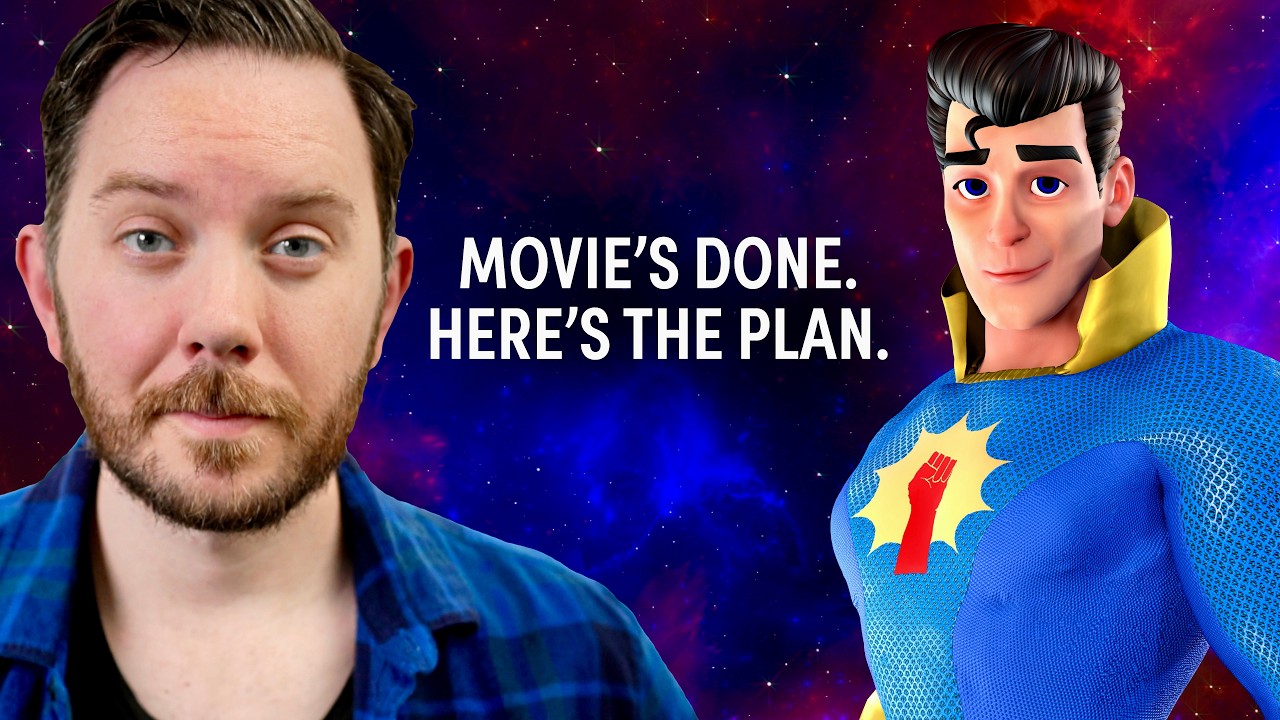
Firstly, it demonstrates that compelling storytelling and unique character reinterpretations can captivate audiences, even with a less polished visual aesthetic. McConnell’s deliberate choice to avoid AI-generated content and embrace a "homegrown feel" resonates with a growing segment of the audience that values authenticity and the human touch in creative works. "No one is going to think this is AI-generated because there are scenes where it’s like, ‘Yeah, this was one dude making this on his home computer’," McConnell stated. "That’s the spirit in which it was made, and we try to play that to our advantage." This approach not only preserves the integrity of the creative process but also fosters a connection with the audience by showcasing the labor and passion behind the project.
Secondly, the revival of Atlas highlights the untapped potential of public domain comic characters. These characters, often overlooked in the shadow of copyright-protected icons, offer a fertile ground for creators seeking to build unique narrative universes without the encumbrances of extensive licensing agreements. McConnell’s success with Atlas could inspire other creators to explore similar avenues, leading to a broader and more diverse range of superhero narratives.
Furthermore, the film’s existence challenges the notion that high production values are a prerequisite for engaging storytelling. While the animation may not rival that of major studios, its effectiveness lies in its ability to serve the narrative and character development. The "rough, choppiness" of McConnell’s approach, he believes, actually complements the film’s narrative, fitting for a hero who himself was a "bargain basement comic book hero rescued from a defunct publisher." This is in stark contrast to the glossy, high-budget productions of mainstream Marvel or DC properties.
McConnell’s vision extends beyond this single film. He has already developed further story arcs within the Atlas universe and has a second animated film slated for release later this year. This commitment to building a cohesive cinematic universe, even on an independent scale, signals a potential new wave of creator-driven franchises.
Conclusion: A Triumph of Vision and Perseverance
Atlas: The Animated Movie is more than just an animated film; it is a testament to the power of unwavering vision, relentless perseverance, and the creative spirit’s ability to find value in the overlooked. Austin McConnell’s four-year journey, marked by immense learning, personal adversity, and a commitment to authenticity, has culminated in the revival of a forgotten superhero. The film premieres on Austin’s YouTube channel on September 8th, with a special screening at Moxie Cinema in Springfield, Missouri, on September 12th. This remarkable achievement serves as an inspiration, proving that even from the deepest corners of comic book history, extraordinary stories can be unearthed and brought to vibrant, animated life. It leaves audiences with a powerful message: that the true strength of a hero, much like the strength of a creator, often lies not in their polish, but in their enduring spirit and their refusal to be forgotten.