From Rhythm to Rhinestones: Ichigoichie’s "Tactichord: Glam Strategy" Trades Beats for Battles

David Ventura, a veteran of Japan’s innovative rhythm game scene, is charting a new course with Ichigoichie’s upcoming title, "Tactichord: Glam Strategy." Moving away from the percussive precision of his past work on cult classics like Gitaroo Man and Elite Beat Agents, Ventura and his indie studio are diving headfirst into the strategic depths of turn-based tactics, all wrapped in the flamboyant, over-the-top aesthetic of 1980s glam metal.
While the studio’s name, Ichigoichie, evokes the Japanese philosophy of "one opportunity, one encounter," their latest endeavor aims to craft a lasting impression not through fleeting moments of musical mastery, but through calculated battlefield maneuvers and unapologetic theatricality. This strategic pivot, however, isn’t without its challenges.
"That’s always like the albatross around our neck that we have to battle with," David Ventura admits, referring to the lingering association with rhythm games. "Rhythm is really not a component of our games, but if I do say music, of course people think Guitar Hero." This perception hurdle is compounded by the fact that Ichigoichie’s previous titles, such as the intricate puzzle/strategy hybrid Backbeat, have been perceived as somewhat niche and demanding. With Tactichord: Glam Strategy, the team has made a conscious decision to embrace a more familiar gameplay loop, drawing inspiration from established tactical titans like the XCOM series.
Despite the genre shift, the development team has ingeniously leveraged the core technology built for their prior game, Backbeat. This technological continuity extends to the narrative, with Tactichord serving as a thematic prequel of sorts, exploring the origins of characters previously seen in Backbeat.
The Genesis of Glam: From Villains to Virtuosos
The narrative roots of Tactichord are firmly planted in the conceptual groundwork laid during the development of Backbeat. Ventura explains, "When we were working on Backbeat we were talking about the story and the characters, and we thought it would be interesting to see its world from the eyes of the villains, who don’t see themselves as the villains." This intriguing premise led to the development of Diane’s origin story, a concept so compelling that it secured funding from Creative Europe, an EU grant specifically designated for story-heavy games.
This narrative focus is a significant departure from the more abstract or puzzle-driven themes of their earlier work. Tactichord aims to weave a compelling tale, and the visual presentation has been meticulously crafted to support this ambition. While the game reuses Backbeat’s graphics engine and an isometric camera angle familiar to fans of the genre, Ichigoichie has injected a significant dose of visual flair. Character dialogue portraits have been enlarged by a substantial 40%, and crucial narrative beats are conveyed through vibrant, hand-drawn comic book panels, adding a distinct artistic dimension to the storytelling.
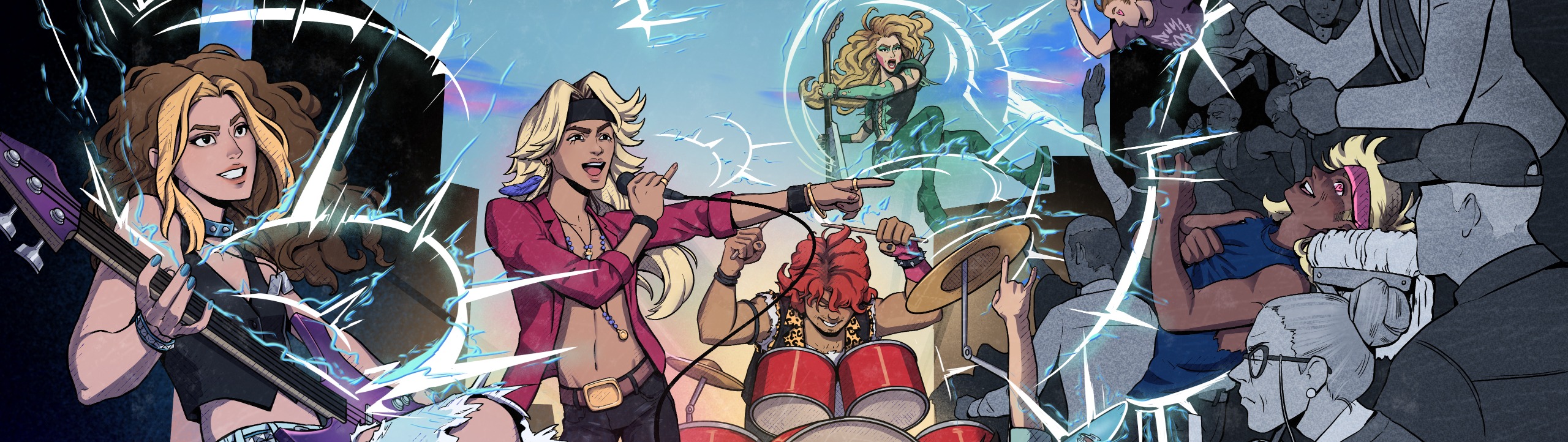
The enhanced presentation is not merely for aesthetic appeal; it’s intrinsically tied to the game’s core theme: the unbridled excess and flamboyant spectacle of glam metal. The world of Tactichord is steeped in the music and persona of this iconic genre, and the visuals are designed to immerse players in that extravagant reality.
A Symphony of Strategy and Style: Gameplay Mechanics
At its heart, Tactichord: Glam Strategy is a turn-based tactical RPG. Players will command a roster of characters, each with unique abilities and backstories, navigating grid-based battlefields. The strategic depth lies in unit positioning, ability management, and exploiting environmental factors. However, what truly sets Tactichord apart is the seamless integration of its glam metal theme into every facet of the gameplay.
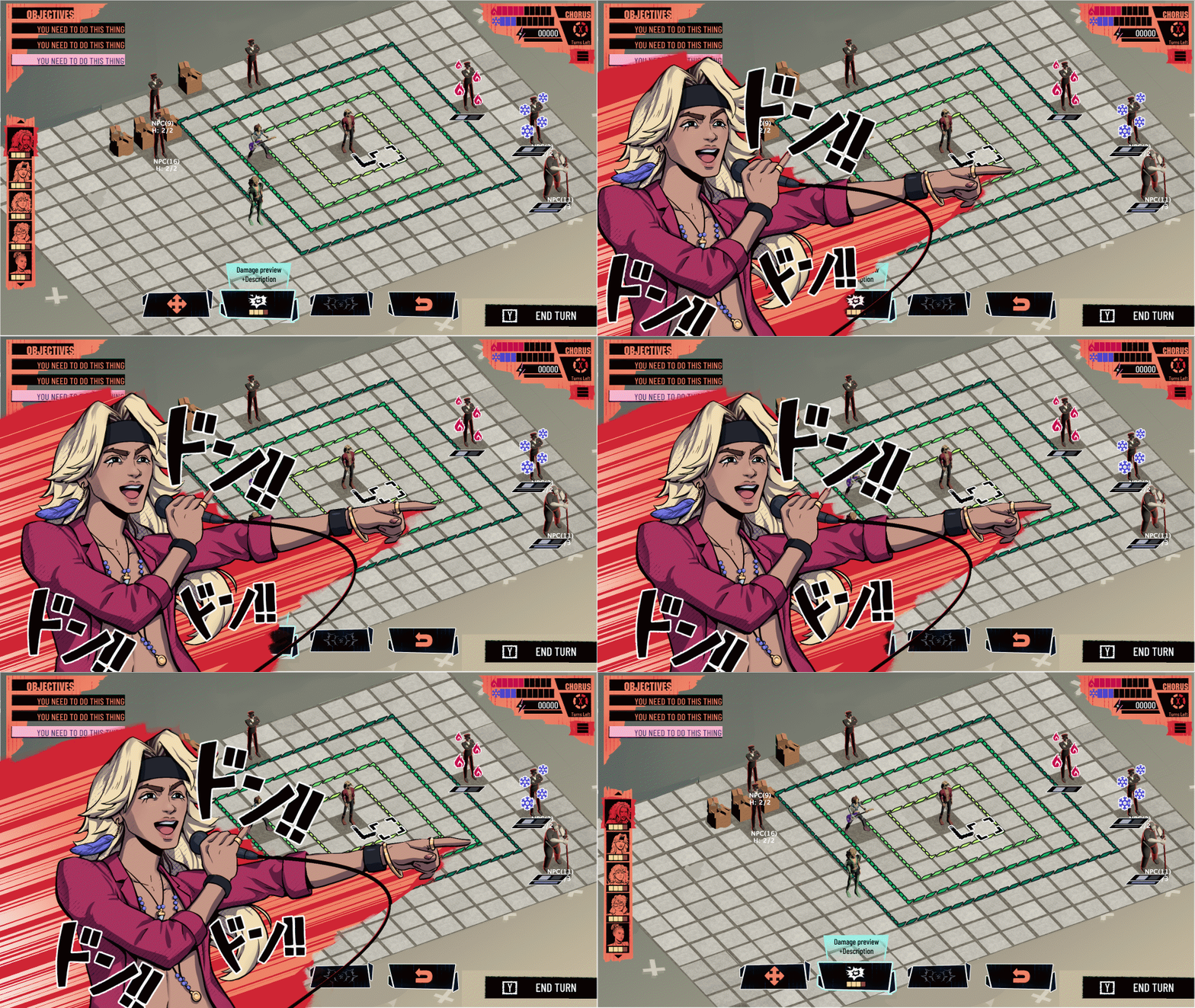
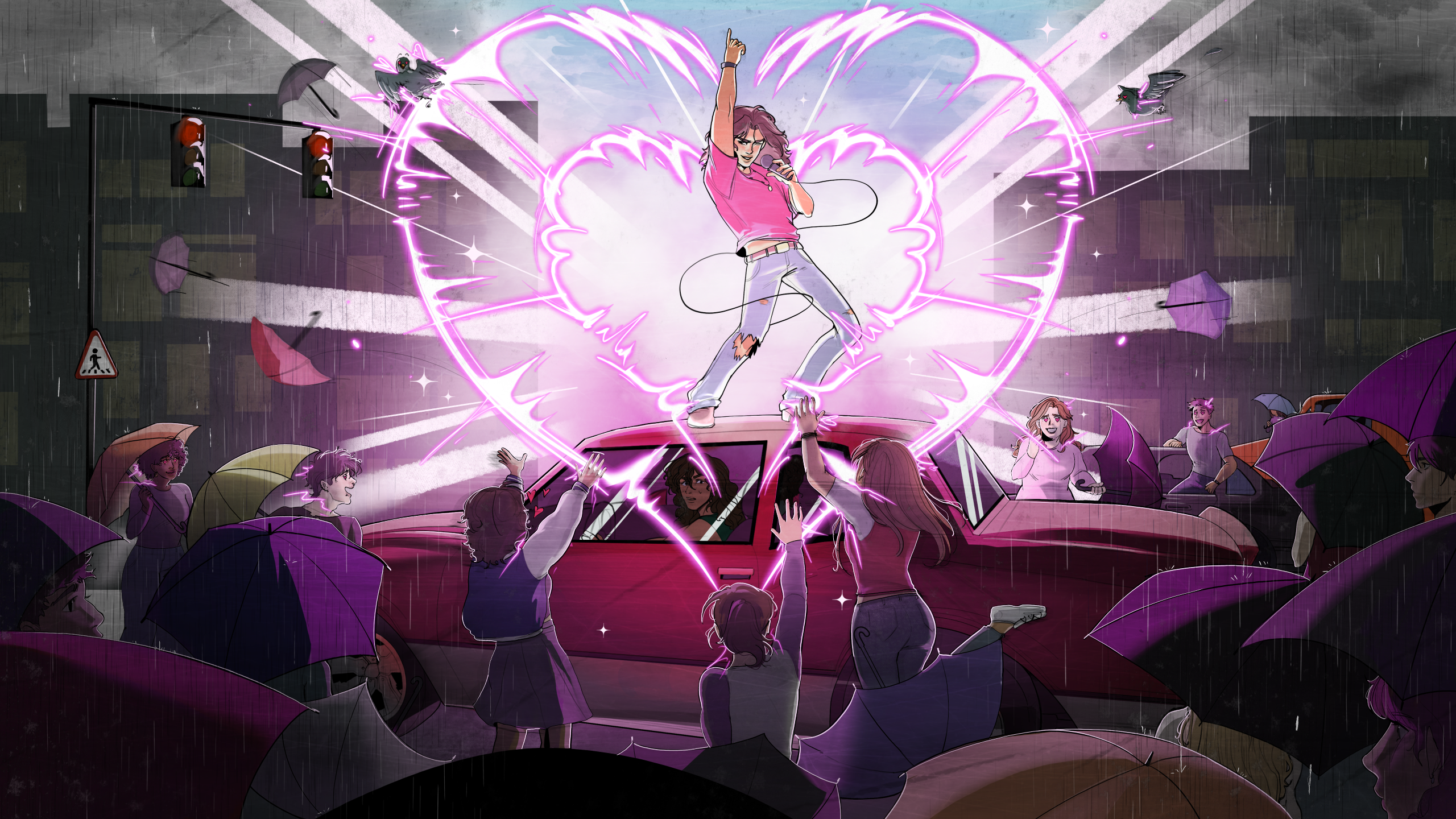
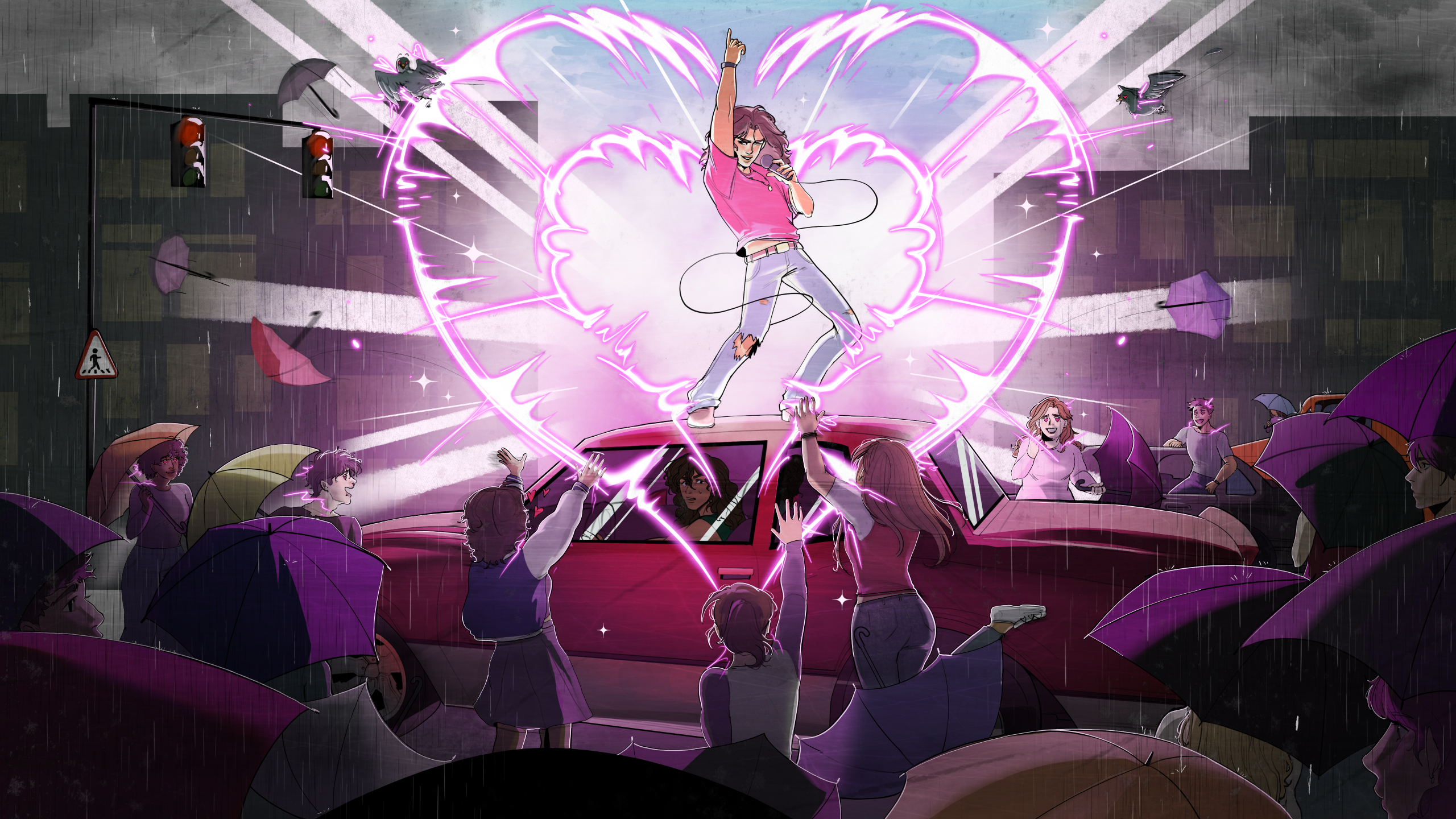
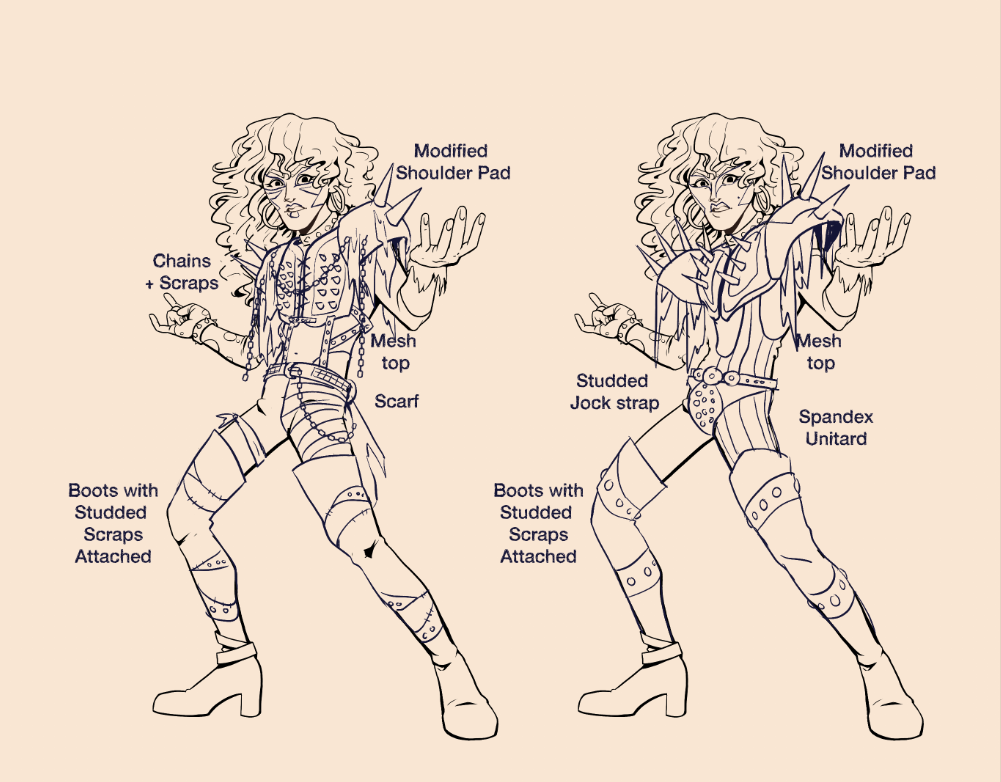
"A lot of the music in the game is paying homage to a lot of those glam metal bands," Ventura shares with evident affection. He elaborates on the character design, citing Joey as a prime example: "Joey is kind of a combination of David Lee Roth, the front man of Van Halen, and Joey Tempest from the band Europe, with giant blond hair, completely full of themselves, and doing all these crazy stunts while strutting around on stage." This commitment to capturing the essence of glam metal extends to the visual design, with characters sporting outlandish costumes and performing exaggerated, theatrical moves.
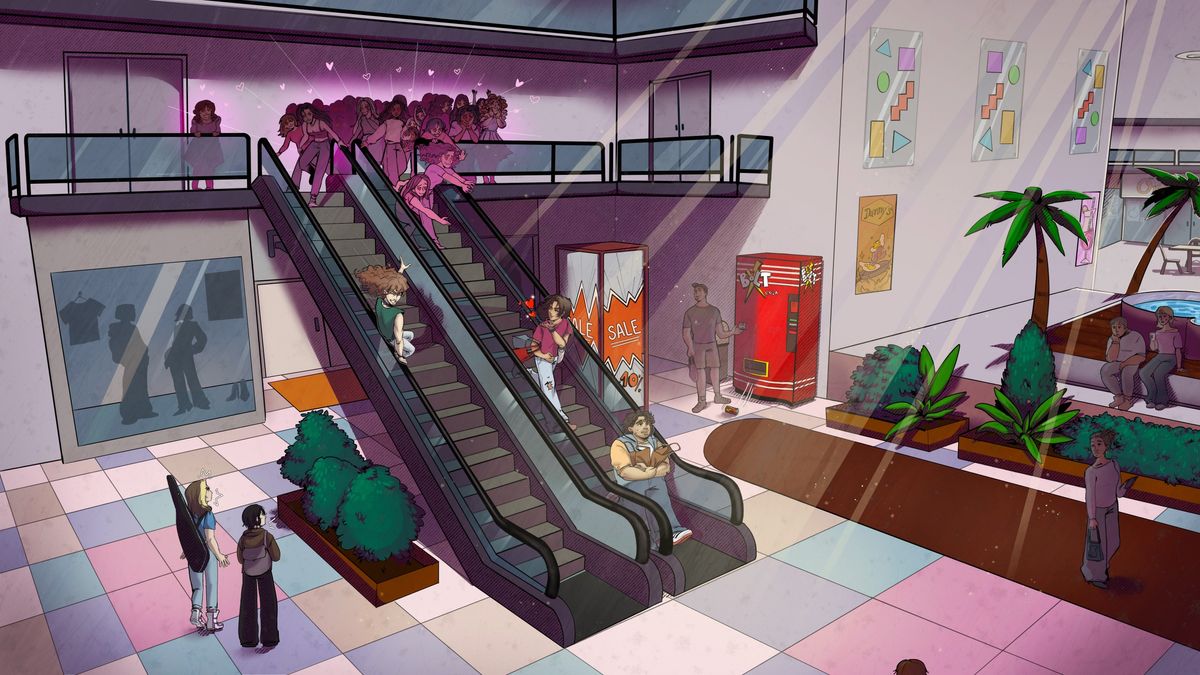
The game is set in 1990, a period when glam metal’s mainstream dominance was waning, yet its cultural impact remained significant. This temporal setting allows the developers to explore the genre’s inherent theatricality while also acknowledging its retrospective perception. Ventura notes, "he’s also aware that others might look at glam metal retrospectively as just a bit cringe." This self-awareness is woven into the narrative, with some enemies appearing as skeptical youths who don’t appreciate the band’s flamboyant style. In a charming twist, ‘defeated’ enemies don’t perish but are instead transformed into adoring fans, underscoring the power of the band’s performance and the game’s tongue-in-cheek approach.
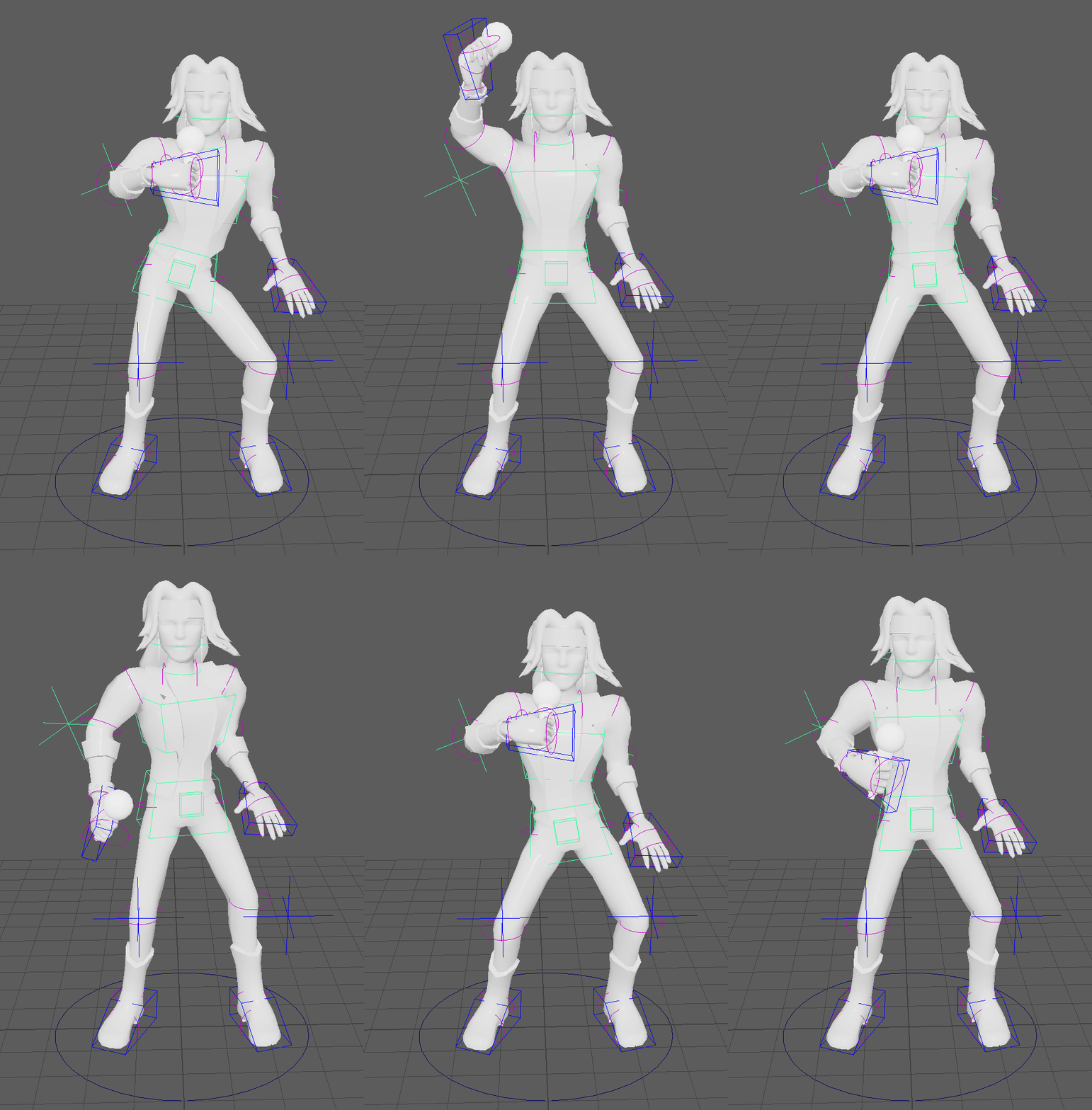
Tactichord doesn’t shy away from the genre’s iconic aesthetics. Ventura teases that as the story progresses, players will witness their band members don "crazier costumes, crazier dance moves and crazier song lyrics." This narrative progression is mirrored in the gameplay. Alongside the tactical combat, players will engage in selecting lyrics that will eventually form the basis of original songs, complete with music videos that pay homage to the era’s most memorable glam metal productions.
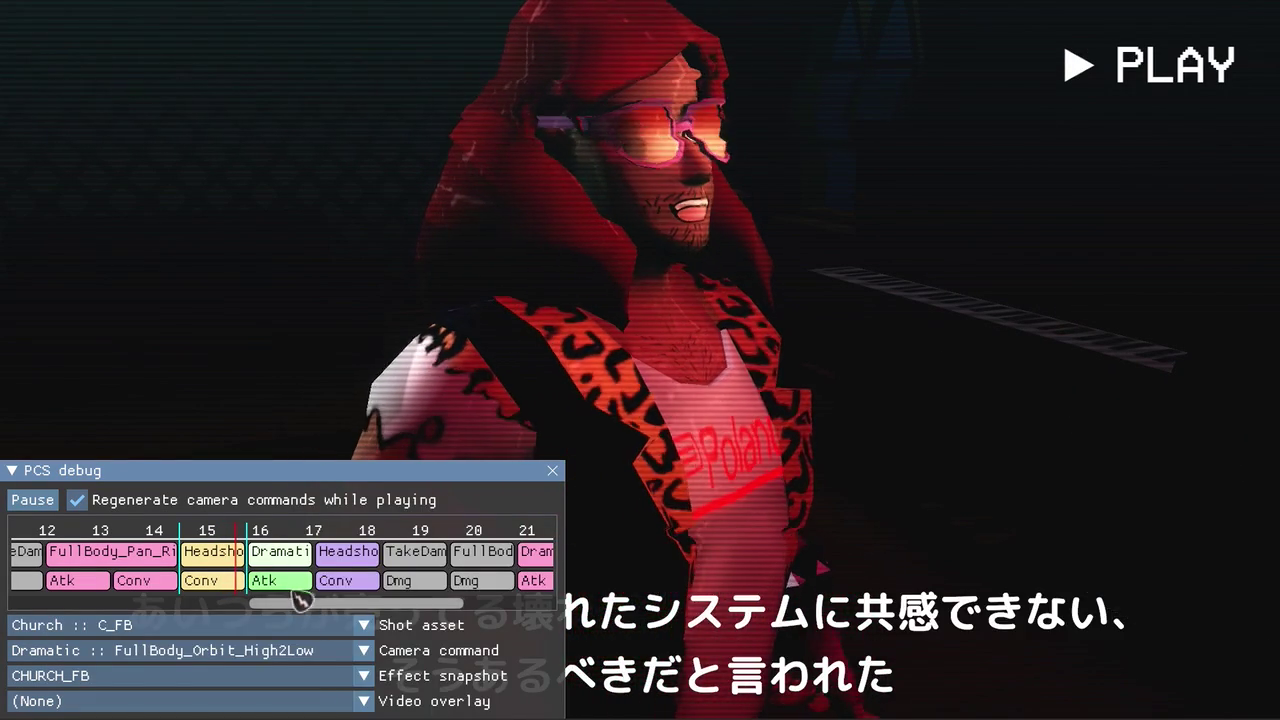
The visual presentation of these musical interludes is as meticulously crafted as the combat. "There’s an automatic camera that chooses different shots based on what the character has done, like punching someone or using a special move," Ventura explains. The environments themselves are dynamic and thematic, featuring "different kinds of sky boxes where there’s flames, or a hurricane coming across." The color grading further enhances the retro feel, with elements of solarization mimicking the built-in effects of 1980s camcorders, creating a vibrant, often inverted, color palette.
Visual Alchemy: Low-Poly Charm Meets High-Octane Spectacle
While the character models in Tactichord adopt a low-poly aesthetic, a design choice that benefits from the distant, isometric perspective typical of tactical games, the development team has employed clever visual strategies to elevate the presentation. "The models are exactly the same and the textures are the same, but there’s certain angles with certain kinds of lighting that are flattering to that low poly style, and others where you need to break it up so that you don’t pay too much attention to the low-poly nature of the characters," Ventura explains. This nuanced approach to lighting and camera work ensures that the low-poly charm is embraced rather than hidden.
The team has also ingeniously revisited a technique from their rhythm game days to animate character facial expressions. "We have different kinds of sky boxes where there’s flames, or a hurricane coming across. The colour grading also changes all the time. There’s some solarization which is mimicking camcorder built-in effects from the 80s where everything turns white and pink and inverts all the colours." This "texture flip book" method, reminiscent of Gitaroo Man‘s character animations, involves sequencing different texture cells to create expressions like smiles, frowns, and open mouths. "It’s done entirely with textures with different cells, so when characters talk, they have expressions like smiling or mouth closed or open, eyes up and down, and then we program a sequence of them together. I think it looks pretty nice and adds bits of flavour that we didn’t have before."
This deliberate incorporation of visual elements from their past projects demonstrates a thoughtful evolution of Ichigoichie’s design philosophy. While Tactichord may not be a rhythm game in the traditional sense, its visual DNA carries the spirit of Ventura’s earlier successes.
A Strategic Encore: Release and Accessibility
Tactichord: Glam Strategy is slated for release on PC, with a demo currently available on Steam, offering players a chance to experience the unique blend of strategic combat and theatrical flair before the full launch. This accessibility allows players to dive into the game’s world and get a taste of its distinct gameplay loop and aesthetic.
The journey from the precise beats of rhythm games to the strategic clashes of Tactichord represents a bold and exciting evolution for Ichigoichie. By embracing their heritage while venturing into new territory, David Ventura and his team are poised to deliver a game that is as strategically engaging as it is visually spectacular, proving that sometimes, the most compelling opportunities arise from embracing the unexpected. The fusion of tactical gameplay with the over-the-top charm of glam metal promises a truly unique and memorable gaming experience.