Fungalpunk Fiction’s Ascent: Adrian M. Gibson Navigates the Sophomore Slump with "A Murder Most Fungal"
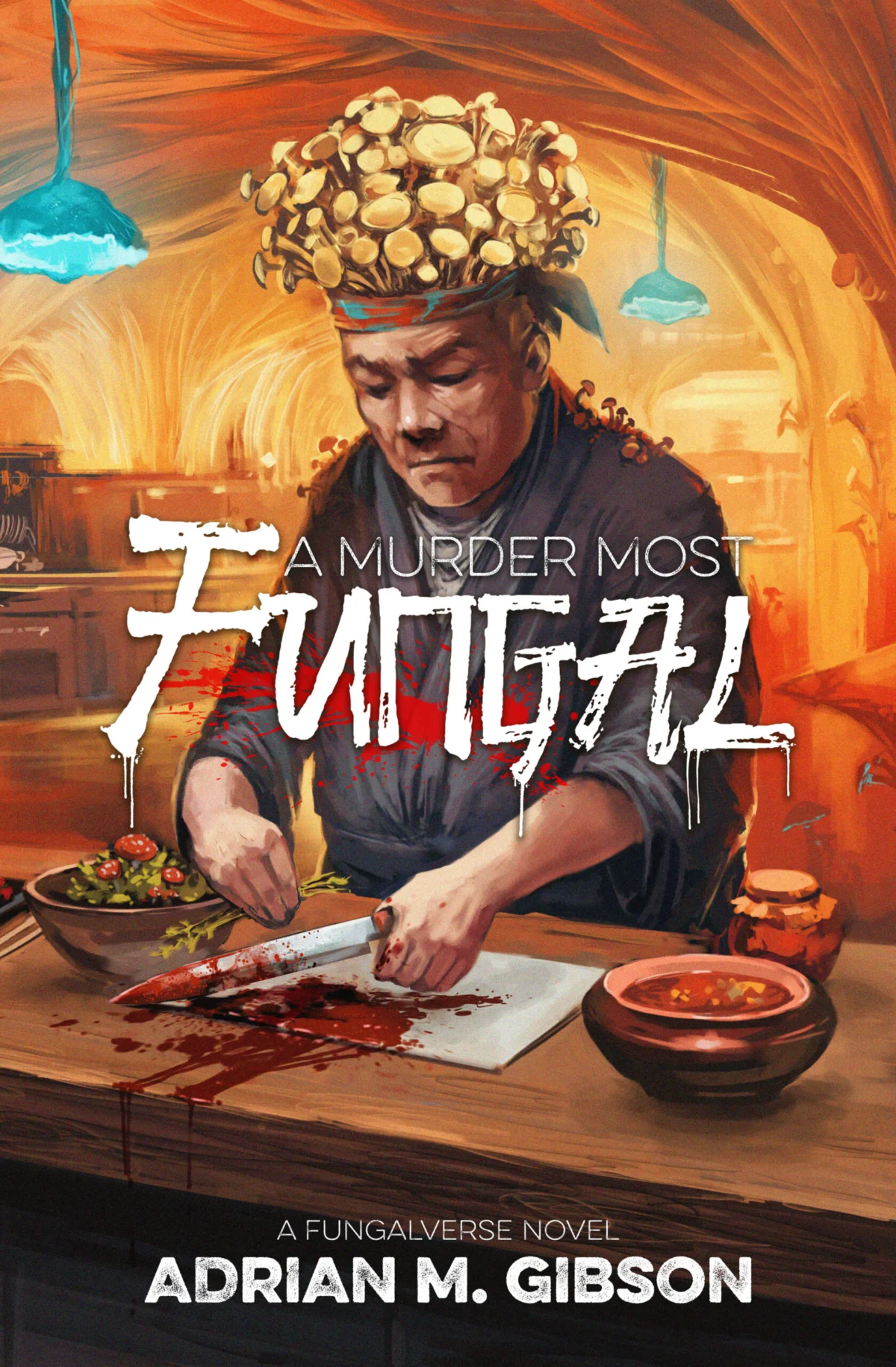
Neo Kinoko, a city where the aroma of exotic fungi mingles with the tension of occupation, is once again the backdrop for Adrian M. Gibson’s distinctive brand of speculative fiction. His latest novel, "A Murder Most Fungal," plunges readers back into the intricate, and often perilous, world of his Fungalverse, several months after the devastating "Fuyu Massacre." This standalone narrative, a departure from a direct sequel, explores themes of survival, culinary artistry, and the dark undercurrents of power, all while the author himself navigates the formidable landscape of writing a second major work after a successful debut.
Gibson’s first novel, "Mushroom Blues," garnered significant critical acclaim, including numerous awards and a second-place finish in Mark Lawrence’s tenth Self-Published Fantasy Blog-Off (SPFBO). This success, while celebrated, presented a unique challenge for the author: the dreaded "sophomore slump." In a candid reflection, Gibson details the immense pressure, self-doubt, and creative hurdles he encountered while attempting to follow up his breakout success. "A Murder Most Fungal" stands as a testament to his perseverance, demonstrating a conscious effort to evolve his approach to storytelling and publishing.
The Plot: A Chef’s Descent into a Deadly Gastronomic Game
"A Murder Most Fungal" transports readers to the "mushroom metropolis" of Neo Kinoko, a city grappling with the aftermath of the "Fuyu Massacre." The Hāpponese capital is under a tight foreign military occupation, with whispers of revolution and civil unrest permeating the air. Amidst this turmoil, the narrative centers on Pocho Jiro, a once-lauded makizushi chef now bound by circumstance to serve as the personal chef—and indentured servant—to Duncan MacArthur, the Coprinian Military Governor of Hāppon.
The story ignites when Pocho becomes entangled with dangerous fungal gangsters. This entanglement forces him into an impossible situation: assassinate Governor MacArthur, or witness the brutal death of his beloved sister. The novel promises a high-stakes, Michelin-star-worthy tragedy, where the art of cuisine becomes inextricably linked to a desperate struggle for survival. Comparisons to the culinary precision of "Jiro Dreams of Sushi," the frenetic energy of "The Bear," and the gripping tension of Hong Kong crime thrillers hint at a narrative that is both deeply atmospheric and relentlessly paced.
The Author’s Journey: Overcoming the Sophomore Slump
Gibson’s reflection on the writing process for "A Murder Most Fungal" offers a rare glimpse into the psychological challenges faced by authors after a successful debut. He openly admits that his initial ambitious publishing timelines crumbled under the weight of reality.
The Pressure of Expectation
"Just before I published my debut novel, Mushroom Blues, I had all these grand, ambitious publishing plans," Gibson writes. "I told myself, ‘I’ll write and release book two by X date, and then do book three by Y date, et cetera et cetera.’ But, well… all of that fell apart faster than a goddamn fungus grows after a rainstorm." He elaborates on the phenomenon of "The Sophomore Slump," acknowledging that despite mental preparation and discussions with other authors, the actual experience was far more profound.
The success of "Mushroom Blues," which sold thousands of copies and garnered significant awards, created a high bar. "I set the bar pretty fucking high for my first go at this," Gibson states, "so the aftermath of my debut was riddled with starts and stops, ideas that burst into my brain, only to fizzle away after a few self-conscious pages." He grappled with existential questions: "Was Mushroom Blues a fluke? Would I be able to write a good book again? What the hell am I even doing?" These internal doubts made the prospect of a second book feel "more and more distant, even unattainable."
Reclaiming Creativity Through Standalone Narratives
A pivotal realization for Gibson was that he needed to break away from the perceived obligation of writing a direct sequel. "I was too caught up in the perceived requirements of being a debut self-published author," he explains, "and I let my entrepreneurial pursuit override the fact that I’m a creator first and foremost." He discovered that writing a standalone side story, rather than a direct continuation, was the key to reigniting his creative spark. "A Murder Most Fungal" represents this successful pivot, proving that he could indeed finish and publish another novel by liberating himself from the direct expectations of his first.
The Peril of Perpetual Marketing
Gibson also identifies relentless marketing of his debut novel as a significant factor contributing to his creative burnout. "I didn’t stop marketing Mushroom Blues for a year-and-a-goddamn-half," he admits. "I was so wrapped up in making that book a success that I created this tunnel vision scenario for myself, where nothing felt as important as the thing that already existed." This prolonged focus on an existing product, he realized, was actively hindering the creation of new work.
The turning point came when his marketing efforts began to plateau, and his creative instincts screamed for attention. "I realized I couldn’t market this book forever, and the best marketing I could and should do was write and publish the next book," he asserts. This realization led to a period of "serious self-reflection" and a renewed focus on the act of writing itself, prioritizing creativity over constant promotion.
Thematic Explorations in "A Murder Most Fungal"
Beyond the author’s personal journey, "A Murder Most Fungal" delves into several compelling thematic elements that enrich its narrative and worldbuilding.

Food as a Worldbuilding Nexus
Gibson’s deep appreciation for food and cooking becomes a central pillar of "A Murder Most Fungal." He found that by centering the story around food, particularly in the context of a fungal society, he unlocked profound insights into their culture. "Food is a fundamental pillar of most any culture," Gibson notes, "and it can reveal so much about a people once it becomes cuisine."
He explains how cuisine can serve as a "culinary chronicle," offering readers glimpses into a society’s geography, available resources, social structures, and even systems of governance and control. The way food is handled and distributed, the language and stories that revolve around eating, and the transmission of recipes through generations all contribute to a layered understanding of a fictional world. "Food is a literal feast of worldbuilding opportunities," he concludes, emphasizing how subtle details about food can "add to their immersion and engage their imaginations in the possibilities of this world."
The Kitchen as a Crucible of Drama
The setting of a restaurant kitchen, initially a source of hesitation for Gibson due to its confined nature, proved to be an unexpectedly fertile ground for high-stakes drama. He likens kitchens to "the modern-day equivalent of a pirate ship," where a diverse group of individuals is thrown together under immense pressure to produce high-quality work.
"It’s a narrative goldmine!" Gibson exclaims, highlighting the potential for intense camaraderie, trauma bonding, and complex interpersonal dynamics, including sexual tensions and internal conflicts. He draws inspiration from various media, from the comedic genius of "Ratatouille" and the fiery intensity of Gordon Ramsay’s shows to the quiet perfectionism of "Jiro Dreams of Sushi" and the anxiety-inducing family struggles of "The Bear." This exploration of kitchen dynamics underscores how even seemingly mundane environments can become stages for profound human drama.
The Unsettling Allure of Fungal Body Horror
A recurring fascination for Gibson is the genre of body horror, particularly as it relates to fungi. He finds the visceral and unsettling nature of the human body being deformed and altered by fungal infections captivating. "I love how these organisms can infect the body, making changes from the inside out, until suddenly it becomes this grotesque eruption of mold and mushrooms manipulating flesh and bone," he describes.
Drawing inspiration from the immersive fungal horror of "The Last of Us" and the psychological explorations of Jeff VanderMeer’s Southern Reach Trilogy, Gibson integrates this obsession into his fungalpunk fiction. "A Murder Most Fungal" takes this fascination to new, disturbing heights, especially given the novel’s focus on food. The author hints at a climactic integration of culinary elements and fungal body horror, promising a "truly fucked up body horror extravaganza."
Supporting Data and Authorial Background
Adrian M. Gibson is an established figure in the Canadian SFF scene. Beyond his writing, he is a podcaster, book designer, illustrator, and tattoo artist. He co-hosts the SFF Addicts podcast with M. J. Kuhn and Greta Kelly, featuring in-depth interviews with authors and writing masterclasses. He also serves as the Publishing Project Manager at Grimdark Magazine, overseeing their novella line. Currently residing in Quito, Ecuador, with his family, Gibson’s multifaceted career demonstrates a deep engagement with the literary and creative world.
His debut novel, "Mushroom Blues," achieved significant commercial and critical success, selling thousands of copies and earning numerous accolades. Its performance in the SPFBO competition, a prestigious event for self-published fantasy novels, further solidified its impact. "A Murder Most Fungal" is positioned as a significant follow-up, demonstrating Gibson’s commitment to expanding his Fungalverse and his ability to evolve as a storyteller.
Official Responses and Future Implications
While there are no "official responses" in the traditional sense for a literary work, the author’s own reflections serve as a powerful commentary on the creative process and the challenges of sustained output in the publishing industry. Gibson’s candid discussion of the sophomore slump and his strategies for overcoming it provides valuable insights for aspiring authors and a deeper appreciation for the craft of writing.
The implications of "A Murder Most Fungal" extend beyond its immediate narrative. It signifies a maturation in Gibson’s approach to his career, demonstrating a healthier balance between creative pursuits and the business of publishing. By prioritizing his creative spirit and finding innovative ways to tell stories—such as through standalone narratives and thematic exploration—Gibson is likely to continue producing engaging and impactful fiction. His willingness to share his struggles and triumphs also fosters a sense of community and transparency within the authorial world, encouraging others to persevere through their own creative challenges. The continued development of the Fungalverse, now with a deeper understanding of its cultural nuances through food and a more refined approach to dramatic settings, promises further rich storytelling possibilities for readers.