Bridging the Multiverse: How ‘Spider-Man: Brand New Day’ Marks a New Era for the MCU
The Marvel Cinematic Universe (MCU) is standing on the precipice of its most significant creative pivot since the conclusion of the Infinity Saga. As summer 2026 approaches, the buzz surrounding Spider-Man: Brand New Day has reached a fever pitch, not merely because it continues the journey of Tom Holland’s Peter Parker, but because it represents the definitive fulfillment of a decade-old promise: the seamless integration of Marvel’s television and cinematic landscapes.
For years, the phrase "it’s all connected" served as a hopeful mantra for fans of the MCU’s small-screen offerings. However, as Spider-Man: Brand New Day prepares to hit theaters, that connection is no longer a marketing slogan—it is the narrative backbone of a film that promises to redefine the stakes for the world’s most famous web-slinger.
Main Facts: A Hero Isolated
Spider-Man: Brand New Day serves as the direct sequel to the 2021 blockbuster Spider-Man: No Way Home. The film finds Peter Parker in a position of unprecedented vulnerability. Following the climax of No Way Home, in which Doctor Strange (Benedict Cumberbatch) cast a spell to make the world forget Peter Parker’s existence to save the multiverse, the titular hero is truly alone. He has no Stark-funded technology, no Avengers clearance, and, most poignantly, no support system of friends or family.
The core premise of Brand New Day focuses on the psychological and physical fallout of this isolation. Unlike previous entries in the "Home" trilogy, where Peter was often criticized for being "Iron Man Jr." or overly reliant on mentors, this film places him in the crosshairs of a rampaging Hulk—a conflict that suggests the traditional "hero-mentor" dynamic has been replaced by a "hero-versus-power" struggle.
The most significant revelation, however, is the confirmed inclusion of Jon Bernthal as Frank Castle, better known as the Punisher. This marks the first time a character originating from the "Defenders-era" Netflix shows will play a pivotal, plot-driving role in a solo Spider-Man film, effectively merging the gritty, street-level realism of the TV shows with the high-octane spectacle of theatrical releases.
Chronology: The Long Road to Integration
To understand the weight of Brand New Day, one must look at the fractured history of Marvel’s media strategy.
The Television Experiment (2013–2019)
The journey began in 2013 with Agents of S.H.I.E.L.D., which brought Clark Gregg’s Phil Coulson back from the dead. While the show initially mirrored the events of Captain America: The Winter Soldier, the bridge between the two mediums quickly became a one-way street. The movies ignored the shows, leading to a period of "soft canon" where fans were unsure if the events of Daredevil, Jessica Jones, or Luke Cage actually mattered to the broader MCU.
The Disney+ Transition (2021–2024)
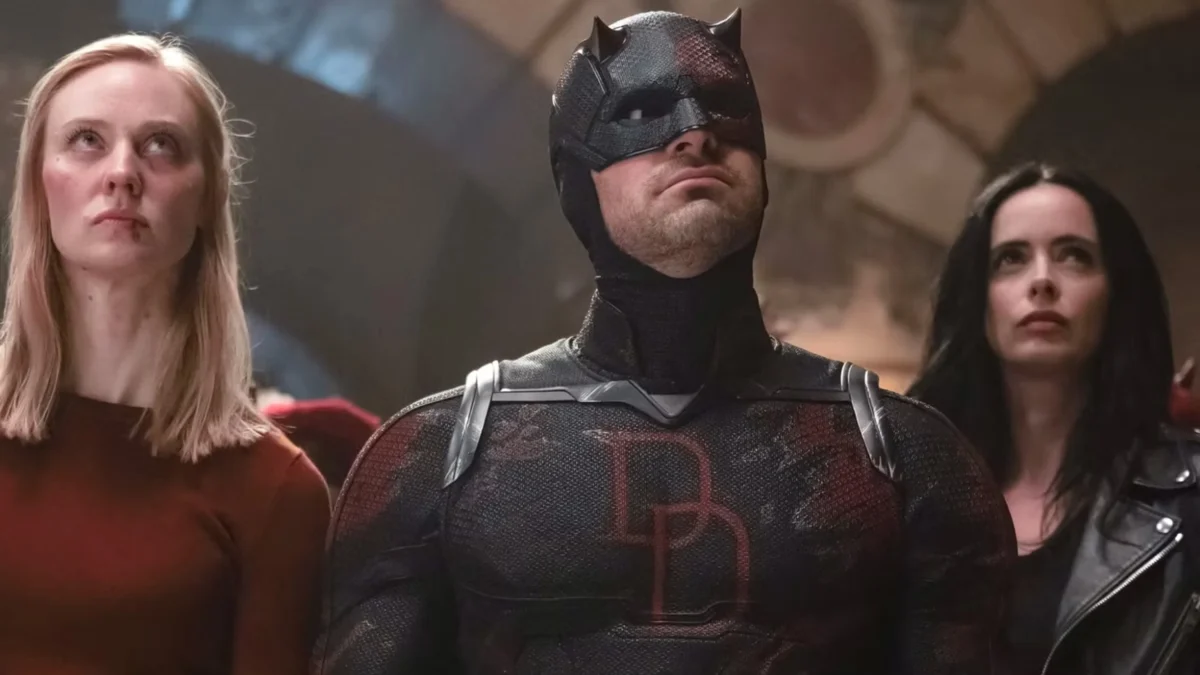
With the launch of Disney+, Marvel Studios took direct control of television production. Shows like WandaVision and Loki were explicitly tied to the films. During this era, we saw the first hints of the old "Netflix" characters returning, with Charlie Cox’s Matt Murdock making a brief cameo as Peter Parker’s lawyer in No Way Home and Vincent D’Onofrio’s Kingpin appearing in Hawkeye.
The Bridge: ‘The Punisher: One Last Kill’ (2025)
The immediate precursor to Brand New Day is the special presentation The Punisher: One Last Kill. This project served as a bridge, transitioning Frank Castle from a vengeful vigilante into a character who, while still brutal, operates with a newfound sense of heroic purpose. The ending of this special directly sets the stage for Frank Castle’s arrival in New York City just as Peter Parker is struggling to maintain order in a city that has forgotten him.
Supporting Data: The Power of Street-Level Heroics
The shift toward a more grounded, TV-integrated Spider-Man film is backed by both critical trends and audience demand. While the "Multiverse Saga" has seen massive financial success, there has been a documented "superhero fatigue" regarding world-ending cosmic threats.

- Box Office Context: Spider-Man: No Way Home earned over $1.9 billion worldwide, proving that Peter Parker is the MCU’s most bankable asset. However, audience surveys following Ant-Man and the Wasp: Quantumania indicated a desire for more "personal" and "tangible" stakes.
- The ‘Daredevil’ Factor: Daredevil: Born Again has consistently ranked as one of the most anticipated Disney+ series, demonstrating that the appetite for the "Defenders" characters remains high. By bringing the Punisher into Brand New Day, Marvel is leveraging a pre-existing, loyal fan base that spans over a decade.
- The Hulk Anomaly: The inclusion of a rampaging Hulk provides the "spectacle" required for a summer tentpole. Historically, Spider-Man and Hulk have had iconic clashes in Marvel Comics (such as Amazing Spider-Man #119), and utilizing a "savage" version of the Hulk allows the film to explore the physical limitations of a solo Peter Parker who no longer has the luxury of calling the Avengers for backup.
Official Responses: A Unified Vision
While Marvel Studios remains notoriously tight-lipped regarding specific plot beats, Kevin Feige, President of Marvel Studios, has dropped several hints regarding this new direction during recent press junkets.
In a recent interview regarding the future of the "Street-Level" MCU, Feige noted, "Peter Parker is the heart of New York City. As we move into this next chapter, it’s only natural that he crosses paths with the other figures who inhabit those alleys and rooftops. We’ve spent years building these different corners of the universe, and Brand New Day is where those corners finally meet."
Creative leads on the project have also emphasized that the Punisher’s inclusion is not a "glorified cameo." Script consultants have indicated that Frank Castle serves as a foil to Peter’s moral compass. Where Peter is struggling with his identity and the ethics of being a forgotten hero, Frank offers a darker, more pragmatic view of justice, forcing Peter to decide what kind of hero he will be in this "Brand New" world.
Implications: A New Blueprint for the MCU
The release of Spider-Man: Brand New Day carries implications that extend far beyond the 2026 box office. It signals a fundamental change in how Marvel Studios intends to manage its massive library of characters.
1. The End of the "Canon" Debate
By making the events of The Punisher (both the Netflix series and the recent special) essential viewing for Brand New Day, Marvel is effectively canonizing the entire Defenders saga. This opens the door for characters like Jessica Jones, Luke Cage, and Iron Fist to transition into the films without the need for cumbersome "re-origin" stories.
2. Marketing Synergy
This film represents a new marketing blueprint. By requiring context from Disney+ specials and legacy streaming shows, Marvel is creating a "circular economy" of content. Viewers go to the theater to see Spider-Man, which drives them back to the streaming service to watch The Punisher and Daredevil, which in turn builds hype for the next theatrical installment.
3. A Grounded Future
Brand New Day suggests that the future of the MCU may be split into two distinct tracks: the "Cosmic/Multiversal" track (led by the Avengers and Fantastic Four) and the "Urban/Street-Level" track (led by Spider-Man and Daredevil). This allows the franchise to tell diverse types of stories—ranging from psychological thrillers to space operas—under one brand umbrella.
4. The Solo Hero Arc
Perhaps most importantly for the character of Peter Parker, this film represents the final "graduation" of the hero. By stripping away the Avengers’ support and forcing him to interact with uncompromising figures like the Punisher while fending off a powerhouse like the Hulk, Marvel is finally giving fans the "independent" Spider-Man they have craved since 2016.
Conclusion
Spider-Man: Brand New Day is more than just a sequel; it is a corrective measure and a bold step forward. It acknowledges the rich history of Marvel’s television efforts while pushing its most popular cinematic hero into uncharted territory. As Peter Parker swings through a New York that doesn’t know his name, he is no longer just a "neighborhood" hero—he is the bridge between two worlds, proving that in the MCU, everything—finally—is connected.