
Global Comics Industry Report: Awards, Legacies, and the State of the Medium (May 2026)
The first week of May 2026 has proven to be a watershed moment for the global comics industry, marked by a rare convergence of high-prestige recognition, the passing of several foundational pioneers, and significant shifts in administrative gatekeeping for the medium’s most storied awards. From the announcement of the Pulitzer Prizes to the release of comprehensive industry surveys, the week’s developments reflect a medium that is simultaneously mourning its past and aggressively asserting its future as a vital tool for journalism, social commentary, and literary exploration.
Main Facts: A Week of High-Stakes Recognition
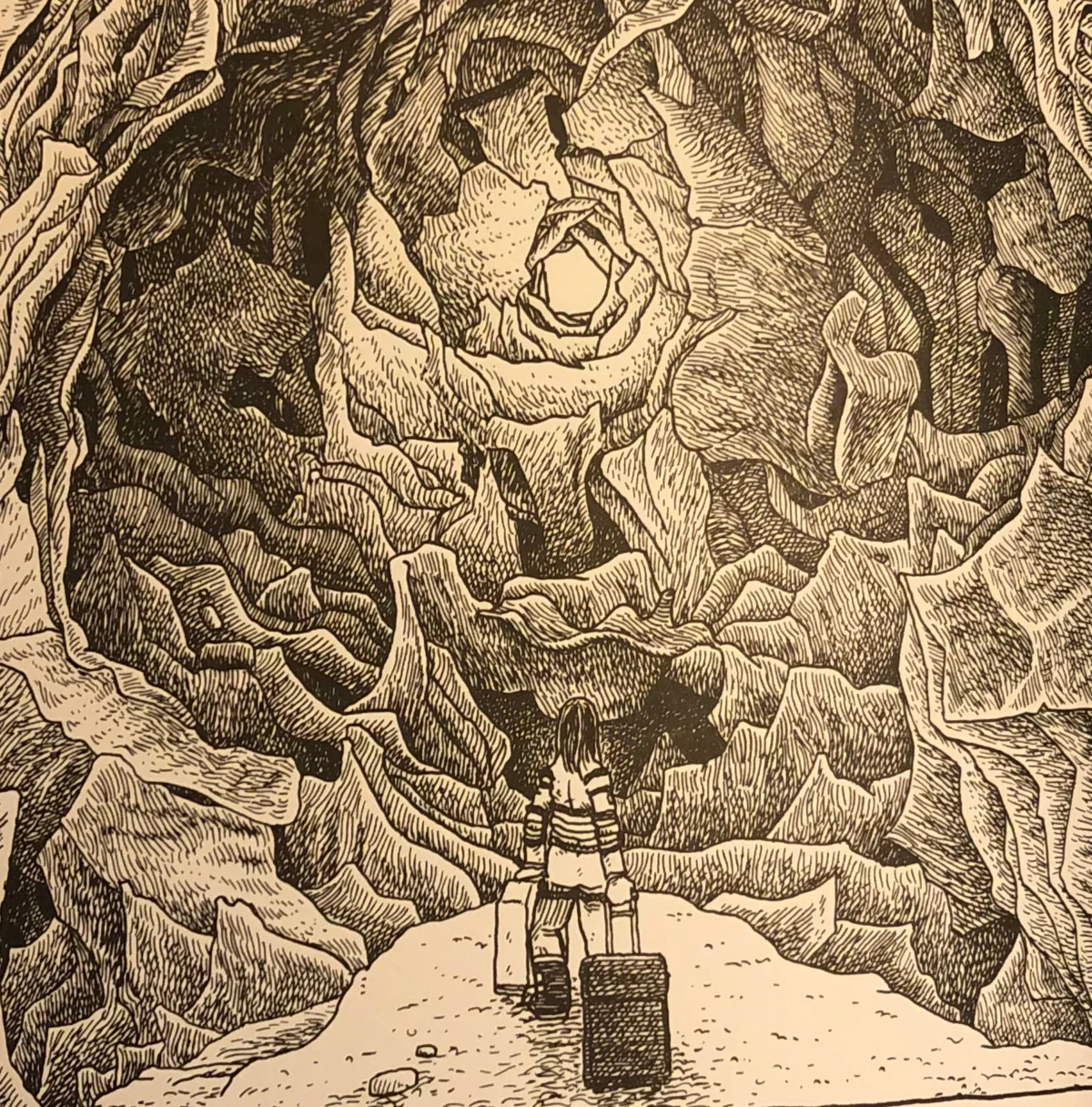
The headline of the week is the announcement of the Pulitzer Prizes, where the category of Illustrated Reporting and Commentary has once again solidified the comic medium’s role in serious investigative journalism. The Prize was awarded to Anand RK, Suparna Sharma, and Natalie Obiko Pearson for their work on trAPPed, published by Bloomberg. The piece was cited for its harrowing and visually innovative exploration of modern labor and systemic traps. The finalist pool—including Adolfo Arranz, Peter Kuper, and the Reuters team of Poppy McPherson, Devjyot Ghoshal, and Han Huang—demonstrates the increasingly global and high-stakes nature of non-fiction cartooning.
Simultaneously, the industry is grappling with the administrative evolution of the Will Eisner Comic Industry Awards. The committee recently announced a significant change to the voting process for 2026. Prospective voters must now apply for consideration before nominees are announced, with a registration deadline of May 13. This shift has sparked debate among professionals regarding accessibility and the potential for a more insular voting bloc, contrasted against the need for more rigorous verification of professional credentials in an expanding digital landscape.
Furthermore, the industry is in a state of mourning following the loss of four titans of the form: underground pioneer Frank Stack, Japanese gekiga master Yoshiharu Tsuge, feminist satirist Nicole Hollander, and mainstream architect Gerry Conway. Their near-simultaneous passing has prompted a global retrospective on the evolution of comics from the mid-20th century to the present.
Chronology of the Week: May 1 – May 8, 2026
The news cycle began in earnest on May 1, as the National Newspaper Awards and the National Headline Awards announced their winners, highlighting the enduring power of editorial cartooning. Michael de Adder took home the top prize for Illustrated Commentary at the National Newspaper Awards, while Jeff Koterba secured first place at the National Headline Awards.
By May 4, the focus shifted to the independent and alternative scenes. Cartoonists United (formerly the Cartoonist Cooperative) released the nominees for the 2026 Minicomic Awards, spanning genres from horror to sci-fi. This was followed by the announcement of the Doug Wright Award nominees, celebrating the best in Canadian cartooning, and the induction of Emily Hearn, Mark Thurman, and Arch Dale into the "Giants of the North" Hall of Fame.
On May 6 and 7, the critical community weighed in on a massive influx of new releases. The Comics Journal (TCJ) and AIPT published deep-dive reviews into everything from Alan Moore’s early 2000 AD work to modern manga translations like Asumiko Nakamura’s Hibana.
The week concluded on May 8 with the publication of the UK Comics Creator Survey and the opening of the US Comics Worker Survey. These documents provide a data-driven look at the economic realities of making comics in 2026, a year still feeling the ripple effects of shifting retail models and digital saturation.
Supporting Data: Critical Reception and Industry Insights
The Legacy of the Pioneers
The "longreads" of the week have been dominated by the legacies of those lost. Frank Stack (known by his pseudonym Foolbert Sturgeon) was remembered as the man who brought a "Texas twang" and a subversive, often blasphemous edge to the underground with The Adventures of Jesus. Colleagues like Denis Kitchen noted that Stack’s work was defined by an utter lack of concern for external approval, a trait that allowed him to maintain tenure as an educator while remaining a radical artist.
The passing of Yoshiharu Tsuge at 88 represents the end of an era for Japanese comics. Tsuge’s Nejishiki (Screw-Style) remains one of the most studied works of manga in history. Zack Davisson, writing for TCJ, noted that Tsuge often laughed at the academic over-analysis of his work, preferring to let the "destitute simplicity" of his mountain-village settings speak for themselves.
Critical Highlights
In terms of contemporary releases, critics have highlighted a trend toward "narrative rhythm" and "social claustrophobia."
- Joana Mosi’s Physical Education: Reviewed by Megan Durnford, the book was praised for its depiction of Lisbon’s gentrification, capturing how young Portuguese residents feel alienated in their own "trendy" city.
- Alan Moore’s Future Shocks: Tom Shapira’s review of this archival collection notes that even in his earliest years, Moore possessed a "storytelling clarity" that outpaced veterans, proving that his mastery of the page was evident long before Watchmen.
- Gemma Correll’s Anxietyland: Multiple outlets, including NPR and Boing Boing, focused on Correll’s ability to find humor in mental illness without providing a "tidy conclusion," reflecting a modern preference for authenticity over easy resolution.
Official Responses and Industry Sentiment
The response to the Eisner Awards’ new voting registration policy has been mixed. While the committee frames the move as a way to ensure the integrity of the professional vote, some independent creators have expressed concern that the pre-nomination deadline (May 13) may exclude younger or international creators who are not yet plugged into the "official" award channels.
On the retail front, the ICv2 interviews with Andrew Falkenhainer (Cromulent Comics) and Mike Dreese (Newbury Comics) provide a snapshot of a bifurcated market. While local comic shops are "surviving their first year" through grit and community building, larger chains like Newbury Comics are reporting successes by diversifying their stock and resisting the "nickel and diming" of Amazon’s pricing models.
In Canada, the unveiling of a new statue of Mafalda in Montreal serves as an official cultural bridge. The sculpture by Pablo Irrgang celebrates Quino’s iconic Argentinian character, signaling the city’s commitment to recognizing comics as a global, rather than purely regional, heritage.
Implications: The Future of the Medium
The data from the UK and US Comics Worker Surveys will likely dominate industry discussions for the remainder of the year. Early reports suggest that while the "prestige" of comics is at an all-time high (evidenced by the Pulitzer win), the "livability" for mid-list creators remains precarious. The surveys aim to provide a quantitative basis for better labor standards and royalty transparency.
The industry is also seeing a "realism arms race" in sci-fi and game-influenced comics. In his interview with Space, Ben Mauro discussed how Japanese and French influences are pushing comic aesthetics toward a level of detail previously reserved for film design. This suggests a future where the line between "concept art" and "narrative comic" continues to blur.
Finally, the trend of price-speculation in the manga market—recently highlighted by YouTuber Logan Paul’s foray into high-end One Piece and Dragon Ball collecting—presents a double-edged sword. While it brings massive financial attention to the medium, critics like Ryan Epps warn that it risks turning artistic milestones into mere "hustle" assets, potentially alienating the core readership that values the stories over the resale value.
As the industry closes the books on this intense week in May 2026, it stands at a crossroads: honoring the raw, unpolished subversion of the underground pioneers while navigating a professional landscape of high-level journalism, rigorous academic study, and complex global economics. The medium has never been more respected, but as the creator surveys suggest, the battle for its sustainable future is far from over.


Leave a Comment