Hara Castle: A Crucible of Faith and Rebellion in Feudal Japan
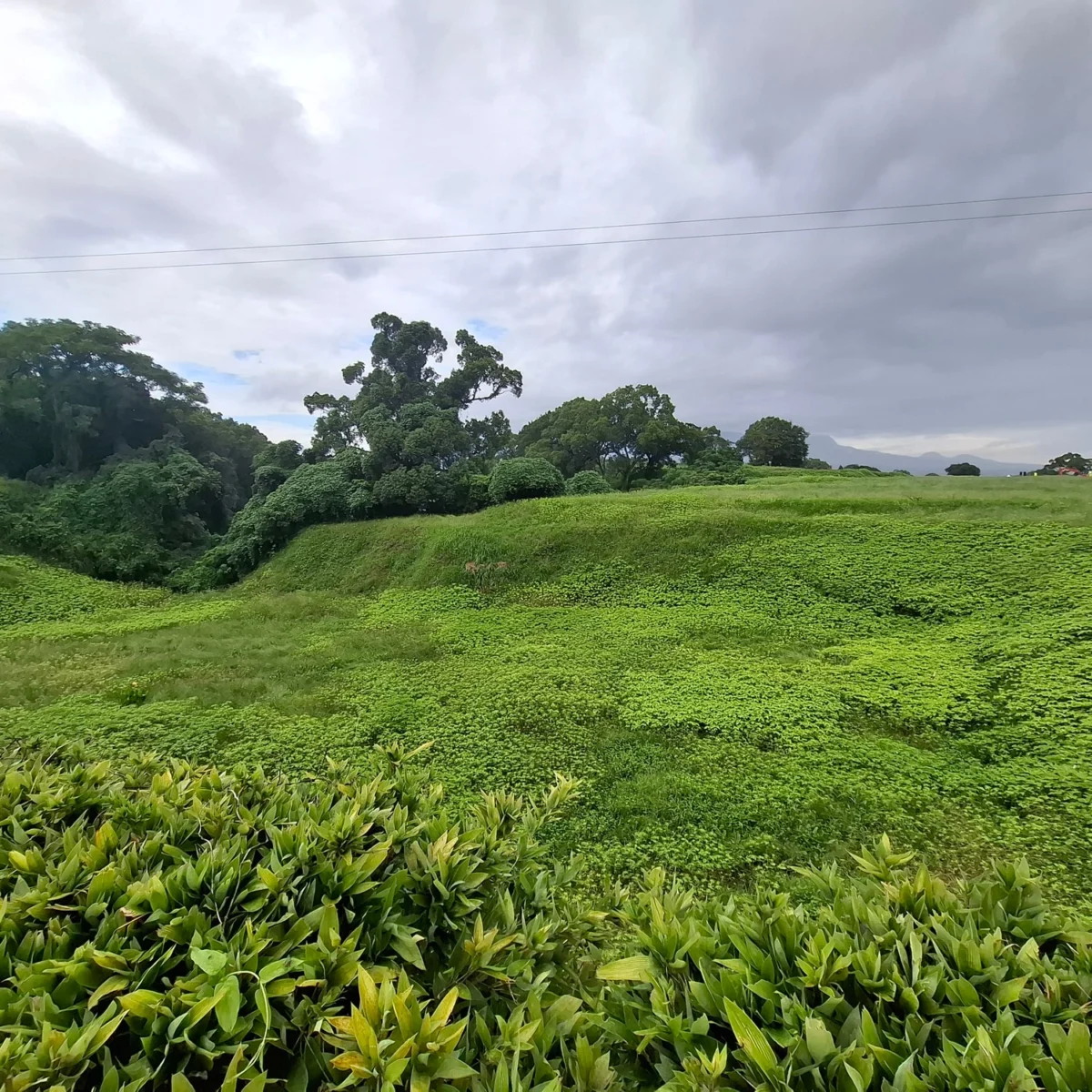
Nagasaki Prefecture, Japan – Nestled on a hillside overlooking the tranquil Ariake Sea, the ruins of Hara Castle stand as a silent, yet powerful, testament to one of the most tumultuous periods in Japanese history. Once a formidable bastion of a powerful daimyo clan, then a symbol of state oppression, and finally, the desperate last refuge for thousands of Christian rebels, Hara Castle’s dramatic story culminated in the brutal Shimabara Rebellion of 1637-1638. Today, recognized as a UNESCO World Heritage site as part of the "Hidden Christian Sites in the Nagasaki Region," it serves as a poignant reminder of faith, resistance, and the enduring consequences of a nation’s struggle with foreign influence and internal dissent.
Main Facts: The Enduring Legacy of Hara Castle
Hara Castle, originally established in 1496, evolved from a subsidiary fortification to a significant regional stronghold under the Arima clan. Its strategic position on Kyushu’s southern island, east of Nagasaki, made it a critical defensive asset. However, its fate took a drastic turn in the early 17th century when it was deliberately dismantled by the Matsukura daimyo to consolidate power and resources for the construction of Shimabara Castle, in line with the Shogunate’s "One Castle Per Province" edict.
The castle’s apparent insignificance was shattered in late 1637 when it became the epicentre of the Shimabara Rebellion. Led by the charismatic 16-year-old Amakusa Shiro, an estimated 30,000 to 40,000 predominantly Christian peasants and former samurai sought refuge within its dilapidated walls, transforming the ruins into a makeshift fortress against the overwhelming forces of the Tokugawa Shogunate. The ensuing siege was a brutal, four-month standoff that ended in a devastating massacre, marking a pivotal moment in Japan’s history of religious persecution and isolation. Today, the archaeological remains offer a tangible link to this dramatic past, drawing visitors to reflect on the profound human stories embedded in its soil.
Chronology: From Fortification to Final Stand
The Arima Clan’s Strategic Stronghold (Late 15th – Early 17th Century)
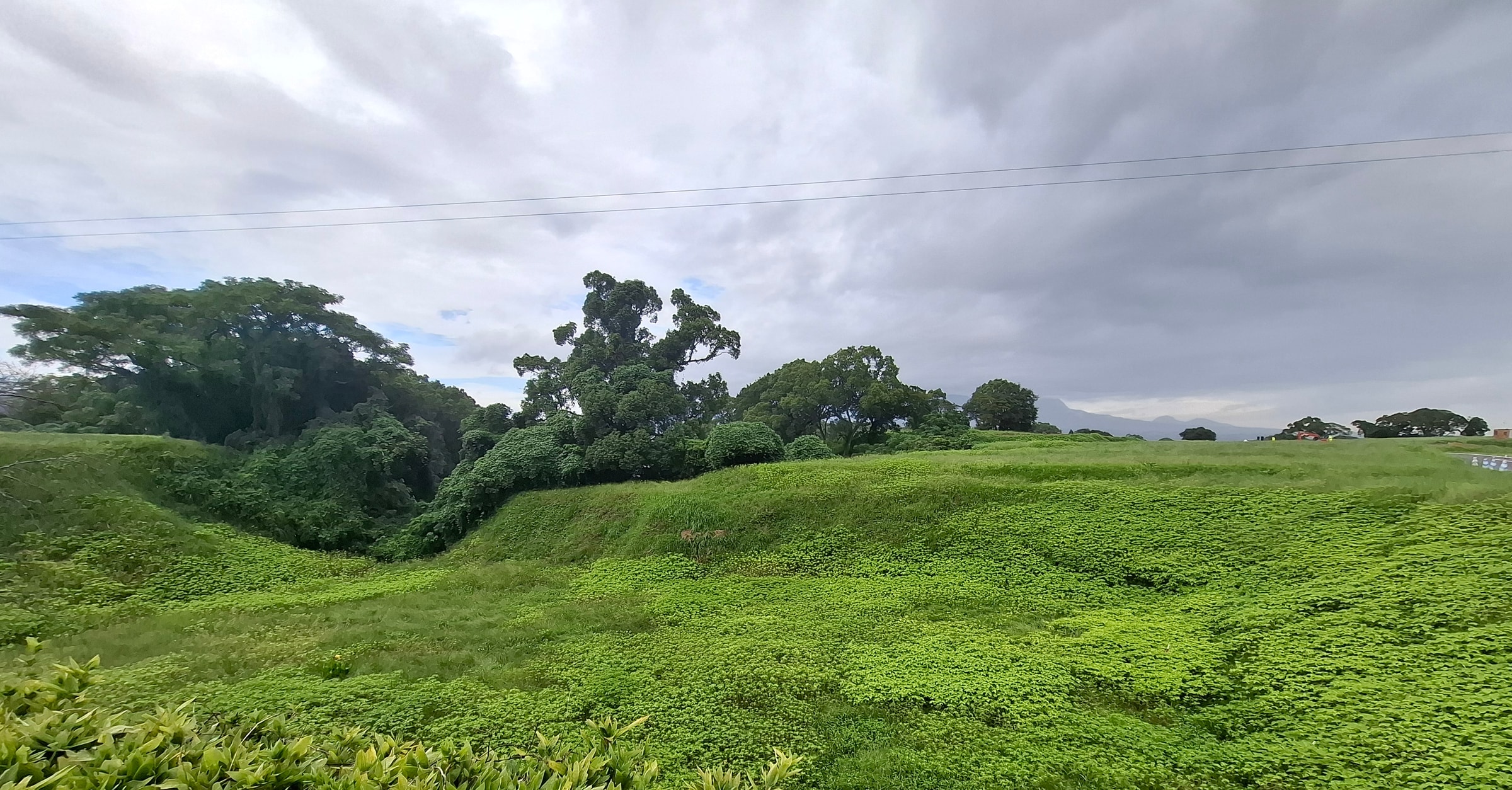
The origins of Hara Castle trace back to 1496, when Arima Takazumi, then daimyo of the Hinoe domain (later known as the Shimabara domain), commissioned its construction. Positioned on a strategic hillside coastline bordering the Ariake Sea, approximately five kilometres from the primary Hinoe Castle, Hara Castle was conceived as a vital supporting fortification. Its location, naturally defensible, afforded control over crucial sea lanes and surrounding territories, making it an integral part of the Arima clan’s regional power projection. The castle’s initial design would have incorporated traditional Japanese defensive architecture, though records from this early period are sparse.
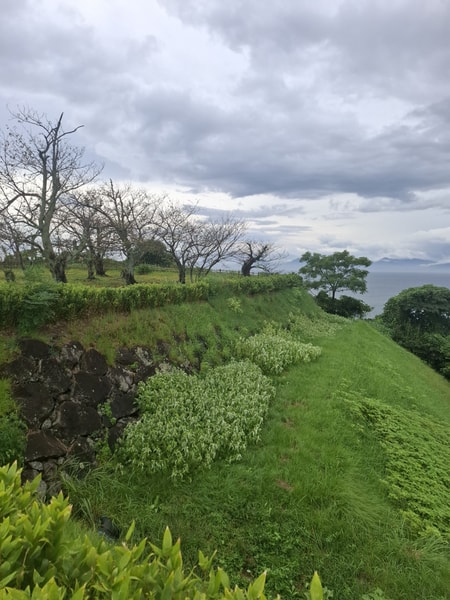
The castle underwent significant transformation between 1599 and 1604 under the patronage of Arima Harunobu, a descendant of Takazumi. Harunobu’s ambitious upgrades elevated Hara Castle to the status of the domain’s primary stronghold. These enhancements were extensive, introducing robust stone walls, intricate dry moats, and reinforced gates and yagura (watchtowers) that epitomized the advanced castle-building techniques of the late Sengoku period. The redesigned complex featured a multi-layered defensive structure, including the honmaru (main bailey), ninomaru (second bailey), and sannomaru (third bailey), along with various outer baileys such as Amakusamaru. Crucially, a imposing tenshu (keep) was also erected within the main bailey, symbolizing the daimyo‘s authority and providing a formidable final defensive point.
Beyond its architectural significance, Hara Castle under Harunobu became intertwined with the burgeoning influence of Christianity in Japan. Initially a staunch opponent, Harunobu famously converted to Christianity, adopting the baptismal name João, and was a prominent figure in the early Japanese Christian community, notably baptised by the revered Jesuit priest Alessandro Valignano. This personal conversion mirrored a broader trend in the region, where many locals embraced the new faith. Ironically, the very fortifications Harunobu painstakingly built, designed to protect his domain, would later prove instrumental in enabling Christian rebels to withstand a prolonged shogunate siege. A tragic parallel also exists: both Harunobu and the future rebels met their end by shogunate order, highlighting the volatile nature of religious and political power in feudal Japan. His son, Arima Naozumi, inherited the domain, but under the explicit directive of the formidable Shogun Tokugawa Ieyasu, renounced his Christian faith and initiated the persecution of Christians, leading to persistent unrest that ultimately saw him voluntarily transferred out of Shimabara, paving the way for Matsukura Shigemasa.
The Matsukura Era: Oppression and Abandonment (Early 17th Century)
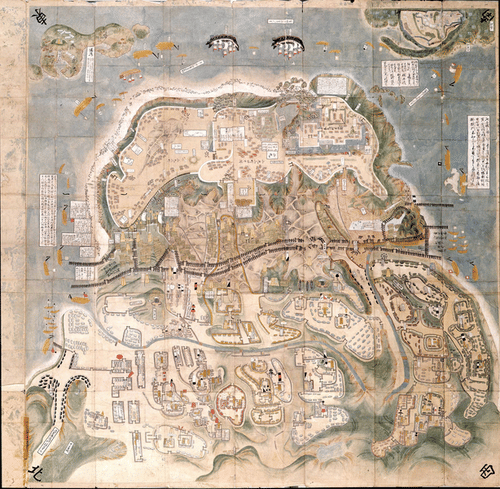
The arrival of Matsukura Shigemasa in Shimabara marked a new, more oppressive chapter for the region. In 1618, Shigemasa embarked on an ambitious and costly project: the construction of Shimabara Castle. This grand edifice, a symbol of his authority and a testament to his lavish tastes, would ultimately stand until the mid-1870s, only to be meticulously rebuilt in the 1960s as a modern museum. Shigemasa’s project, however, directly clashed with a crucial shogunate decree known as Ikkoku-ichijō (One Castle Per Province). Enacted in 1615 in the aftermath of the devastating siege of Osaka Castle, this law was designed to prevent daimyo from accumulating multiple centres of military power within their domains. The rationale was clear: by limiting each province to a single castle, the shogunate aimed to safeguard against potential regional uprisings and to consolidate its control over the feudal lords.
In strict adherence to this new mandate, Matsukura Shigemasa issued a fateful order: Hara and Hinoe Castles, the historic strongholds of the Arima clan, were to be abandoned and systematically dismantled. Their valuable resources—timber, stones, and other building materials—were repurposed and transported to fuel the construction of Shimabara Castle. This act of cannibalization stripped Hara Castle of its former glory. What remained were the immovable foundations, the deep dry moats, and the robust stone walls—features too difficult and time-consuming to entirely remove. The numerous buildings within its baileys were left to fall into disrepair, slowly succumbing to the elements. Hara Castle, once a vibrant military and administrative hub, faded into a desolate ruin, a shadow of its former self, seemingly insignificant until the fateful year of 1638.
Shigemasa’s reign, characterized by his extravagant expenditures on Shimabara Castle, was funded through exorbitant taxes levied on the local populace. His death in 1630 at the Obama Hot Springs passed the mantle of power to his son, Matsukura Katsuie. Katsuie not only continued his father’s oppressive taxation policies but intensified them. He also escalated the persecution of Christians, a policy driven by the Shogunate’s increasing xenophobia and determination to eradicate foreign religions. Compounding these burdens was a severe famine that swept through the domain, pushing the already impoverished peasants to their breaking point. The convergence of relentless religious persecution, crippling taxation, and widespread starvation created an unbearable climate of suffering, leading to growing acts of disobedience and resentment towards local administrators. These simmering tensions would inevitably boil over, igniting the tinderbox of the Shimabara domain into open revolt.
The Spark of Rebellion and the Retreat to Hara Castle (Late 1637 – Early 1638)
The confluence of Matsukura Katsuie’s severe policies—relentless Christian persecution, crushing taxes for his father’s grand castle, and the devastating impact of recent famine—created an unbearable living situation for the people of Shimabara. The peasantry, many of whom were secret Christians, found themselves with nothing left to lose. In late 1637, this powder keg exploded into a full-scale rebellion, a desperate uprising against a tyrannical daimyo and a hostile shogunate. This pivotal event would come to be known as the Shimabara Rebellion.
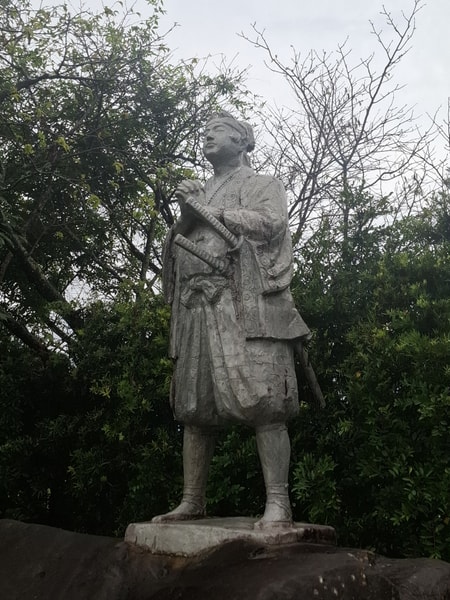
At the heart of this desperate revolt was a charismatic and enigmatic figure: Amakusa Shiro. A 16-year-old youth, his baptismal name Jerome, Shiro was imbued with messianic significance by his followers, who believed he possessed divine powers and was destined to lead them to salvation. His youth and fervent piety galvanized the disparate groups of peasants and disaffected rōnin (masterless samurai) who formed the core of the rebel force. Under his symbolic leadership, the dissidents initially achieved surprising successes against local shogunate forces, fuelled by their righteous anger and intimate knowledge of the terrain. However, the might of the Tokugawa Shogunate was vast and inevitable. As superior shogunate forces began to mobilize, the rebels, despite their initial victories, recognized the need for a defensible position.
In early 1638, facing overwhelming odds, the rebel army made a strategic retreat by sea, their destination: the abandoned Hara Castle. This dilapidated ruin, once stripped of its glory by Matsukura Shigemasa, offered a glimmer of hope as a natural fortress. Upon arrival, the rebels displayed remarkable ingenuity and resourcefulness. They systematically dismantled their vessels, repurposing every plank and timber to construct improvised defenses, reinforcing the castle’s crumbling walls and dilapidated structures. This act transformed the forsaken ruins into a formidable, albeit makeshift, stronghold. An estimated 30,000 to 40,000 rebels, a mix of men, women, and children, crammed into Hara Castle, constructing temporary shelters and campsites within its baileys. Behind these reinforced walls, they awaited their fate, knowing that a massive shogunate force, estimated at approximately 100,000 men, was steadily advancing towards them, determined to crush the rebellion once and for all.
Supporting Data: The Siege and its Aftermath
A Standoff Against Overwhelming Odds
The Shogunate’s response to the Shimabara Rebellion was swift and decisive, reflecting their zero-tolerance policy towards any challenge to their authority, especially one tinged with religious dissent. Itakura Shigemasa, a veteran general, was appointed to lead the massive punitive expedition, which eventually swelled to an overwhelming force of approximately 100,000 men – nearly three times the number of rebels entrenched within Hara Castle. The rebels’ choice of Hara Castle, with its back to the Ariake Sea, presented a double-edged strategic reality. While the sea effectively negated any assault from the rear, it also rendered escape virtually impossible, allowing the shogunate forces to completely envelop the castle from the landward side.
The motivation behind the rebels’ decision to fortify Hara Castle remains a subject of historical debate. Some historians argue that it was a conscious choice for a heroic last stand, a desperate act of martyrdom in the face of insurmountable odds. However, a more plausible interpretation suggests that the rebels held out hope for external assistance, particularly from fellow rebels on the Amakusa Island chain or sympathetic Christian communities in surrounding areas. This expectation, though ultimately unfulfilled, likely fueled their tenacious resistance. The shogunate, initially underestimating the rebels’ resolve and the castle’s latent defensibility, launched a series of direct assaults. They attempted to undermine the castle walls through tunneling operations, established artillery towers to bombard the besieged, and even enlisted the aid of a Dutch ship, De Ryp, to provide cannonade support from the Ariake Sea. Despite these varied tactics, the early attempts to breach Hara Castle’s walls proved largely ineffective, testament to the rebels’ desperate ingenuity and the castle’s inherent strength. The fierce resistance even claimed the life of the shogunate commander, Itakura Shigemasa, a significant blow to the morale of the besieging forces.
The Toll of Siege Warfare
As the siege dragged on, the shogunate commanders, now under the leadership of Matsudaira Nobutsuna, recognized that numerical superiority alone was insufficient against determined defenders entrenched in difficult terrain. They pivoted to a classic siege strategy: attrition. The objective shifted from direct assault to starving the rebels into submission. This tactic preyed on the rebels’ already precarious situation. Even before the siege began, the region had been gripped by famine, leaving the rebel forces with severely depleted food stores. Inside the castle, a desperate struggle for sustenance ensued. Rebels scavenged what they could from the immediate coastline and surrounding fields under constant threat from shogunate patrols.
A poignant symbol of their resilience was guzōni, a filling soup made from mochi (rice cakes) mixed with whatever other foods could be found. This simple, resourceful meal, still eaten in the area today, embodies the spirit of survival that defined the besieged. However, starvation was an inexorable enemy. As weeks turned into months, the rebels’ strength waned, their defenses weakened by hunger and disease. Finally, in late February 1638, after nearly four months of siege, the shogunate launched a coordinated, overwhelming assault. The starved and exhausted rebels, their numbers dwindling and their resolve broken by deprivation, could no longer hold their lines. The castle’s defenses collapsed, and shogunate forces poured in, unleashing a brutal massacre. Thousands of rebels were slaughtered indiscriminately, their bodies often buried where they fell, if not by the shogunate, then gradually by the sands of time. When the dust settled, Hara Castle was once again a ruin, its walls stained with blood, destined to remain largely as such to this day.
Accountability and Restoration
The brutal suppression of the Shimabara Rebellion sent shockwaves through the Tokugawa Shogunate, prompting a thorough investigation into its root causes. While the rebellion itself was crushed, the shogunate was keen to understand how such a massive peasant uprising could have occurred. The spotlight quickly fell on Matsukura Katsuie, the daimyo of Shimabara. It was determined that his extreme belligerence towards Christians, coupled with his oppressive overtaxation to fund his father’s lavish Shimabara Castle and his general misrule, had directly precipitated the revolt. Katsuie was found guilty of severe dereliction of duty and mismanagement.
The punishment was swift and unprecedented: Matsukura Katsuie was stripped of his power and status, and, in a truly extraordinary move for the Edo period (1603-1868), he was executed by beheading. This marked the only instance of a daimyo suffering such a fate during the entire Edo era, underscoring the shogunate’s absolute intolerance for any lord whose actions threatened the stability of the realm. His execution served as a stark warning to all other daimyo about the consequences of misgovernance and failing to maintain order within their domains.
Following Katsuie’s demise, Kōriki Tadafusa (1584-1656) was appointed as the new daimyo of Shimabara. His immediate task was to stabilize the devastated region and restore prosperity. Tadafusa adopted a conciliatory and pragmatic approach, a stark contrast to his predecessor. He quickly implemented policies designed to alleviate the suffering and rebuild the trust of the populace. These included granting significant tax relief to the impoverished peasants, offering pardons to former rebels who had survived, and actively promoting resettlement in the depopulated areas. Through these measures, Kōriki Tadafusa gradually managed to bring stability and a semblance of recovery to a domain scarred by rebellion and its bloody suppression.
Official Responses: The Shogunate’s Iron Grip
Re-evaluating Ikkoku-ichijō
The Shimabara Rebellion presented a direct challenge to the efficacy of the Ikkoku-ichijō ("One Castle Per Province") edict, a cornerstone of the Tokugawa Shogunate’s strategy for maintaining control over the feudal lords. The law’s primary intent was to prevent daimyo from accumulating multiple military strongholds, thereby curbing their capacity to project power independently or, more ominously, in opposition to the shogunate. The very idea was that by dismantling supplementary fortifications, acts of insurrection would be discouraged, proving difficult or even impossible without a lord’s centralized military might.
However, the events at Hara Castle dramatically exposed a critical loophole. Here, not a daimyo and his retinue, but a vast, desperate force of peasants and rōnin, had successfully held out against the formidable might of the shogunate for an extended period within an abandoned, ostensibly insignificant castle. This unanticipated defiance forced the shogunate to acknowledge that the edict, while effective in limiting daimyo power, did not account for the potential of an abandoned stronghold to be repurposed by a popular uprising. In the aftermath of the siege, the shogunate’s response was meticulous and symbolic: its men systematically knocked down and buried the remaining stone walls of Hara Castle. This wasn’t merely a cleanup operation; it was a powerful statement that the rebellion had been utterly crushed, and a physical guarantee that the fortification could never again be used as a bastion against shogunate authority.
Ultimately, it is difficult to argue that the Ikkoku-ichijō edict was a complete failure in this instance, given its specific primary purpose was to hinder a daimyo‘s power, not to eradicate every potential defensible structure. The rebellion’s sheer scale, involving tens of thousands of individuals, would have posed a formidable challenge even without the sanctuary of Hara Castle. However, the siege starkly revealed the edict’s limitations: while it successfully reduced the likelihood of a daimyo rebelling, it failed to eliminate the possibility of an abandoned stronghold, however dilapidated, being seized and utilized as a powerful symbol and strategic asset during times of extreme crisis and widespread discontent.
Deepening Isolation: Sakoku and Christian Persecution
The Shimabara Rebellion was a watershed moment that profoundly influenced the Tokugawa Shogunate’s domestic and foreign policies, particularly its stance on foreign religions and international relations. Even prior to the rebellion, the shogunate had initiated a policy of sakoku ("locked country"), gradually tightening its grip on foreign trade and interaction. The events at Hara Castle, however, served as a powerful and bloody justification for intensifying this isolationist policy. The sight of a massive, Christian-led rebellion, seen as potentially manipulated by foreign powers, solidified the shogunate’s conviction that foreign religions and governments posed an existential threat to Japan’s stability and sovereignty.
The immediate consequence was a dramatic escalation of Christian persecution. The rebellion provided the final impetus for the complete expulsion of the Portuguese from Japan’s shores in 1639, as they were perceived as the primary conduit for Christian influence. Trade was severely restricted, with only the Dutch and Chinese permitted limited access through the port of Dejima in Nagasaki, under stringent controls. Within Japan, the remaining Christian communities were driven deep underground, giving rise to the phenomenon of the Kakure Kirishitan (Hidden Christians). These tenacious believers adapted their faith to survive in secret, developing ingenious ways to practice their religion away from the prying eyes of shogunate officials. Sermons were conducted in hushed tones, often in remote locations, and religious symbols were ingeniously disguised as ordinary household items or traditional Buddhist figures, blending into the everyday fabric of Japanese life.
Over generations, cut off from external ecclesiastical guidance and forced to transmit knowledge primarily through oral tradition, the Kakure Kirishitan faith evolved significantly from its original form. Each isolated community developed unique interpretations and practices, leading to a rich tapestry of local traditions. When Japan finally opened its doors to the world during the Meiji Restoration in 1873 and religious freedoms were established, the world was astonished to discover that Christianity, in its hidden form, had survived. Approximately 30,000 Kakure Kirishitans emerged from hiding, revealing a testament to their unwavering faith and resilience. While many eventually reintegrated into mainstream Catholicism, some Japanese communities today continue to practice the ancient traditions of the Kakure Kirishitans, though their numbers continue to dwindle, representing a living, yet fading, legacy of a turbulent past.
Implications: A Site of Memory and Reflection
Hara Castle Today: A UNESCO World Heritage Site
Today, Hara Castle exists as a series of evocative ruins, an open-air museum where the echoes of history resonate profoundly. Far from being merely a collection of stones, the site is a powerful historical landscape, officially recognized in 2018 as part of the UNESCO World Heritage "Hidden Christian Sites in the Nagasaki Region." This designation underscores its global significance as a place where the struggle for religious freedom and the resilience of faith were brutally tested.
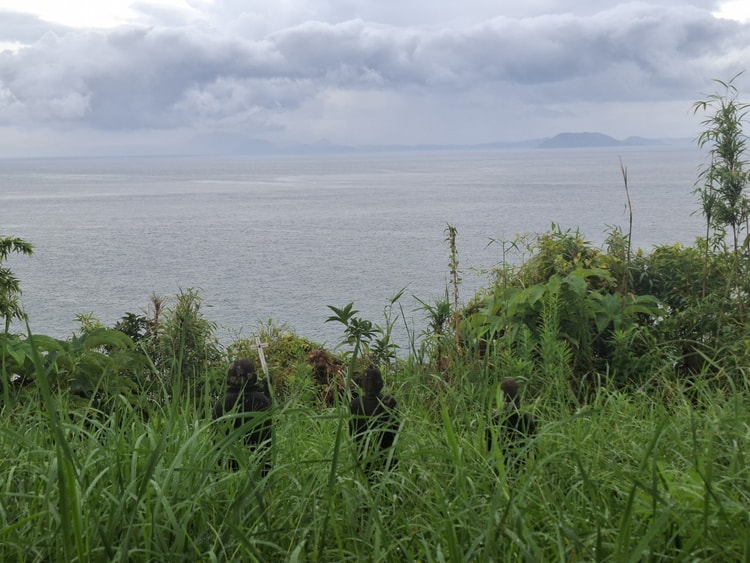
Visitors to Hara Castle are guided through its sprawling grounds by informative boards, available in both Japanese and English, which meticulously detail the castle’s construction, its various transformations, and its pivotal role in the Shimabara Rebellion. A modern VR experience offers a captivating glimpse into what the castle might have looked like in its prime, allowing contemporary audiences to visualize its former grandeur and strategic importance. From the elevated vantage point of the main bailey, one can gaze across the Ariake Sea towards Yushima, a distant island that holds particular historical significance – it was here that the rebel leaders are said to have met in secret to plot their desperate insurrection.
Further enriching the historical narrative is the nearby Arima Christian Heritage Museum. This institution serves as a comprehensive repository of the Shimabara Rebellion and the siege of Hara Castle. Through beautifully carved reliefs, immersive short documentary videos, intricate miniature figurine setups depicting key battle scenes, and a collection of period-specific artefacts, the museum vividly brings the dramatic events to life. A particularly poignant exhibit is the recreation of a burial site unearthed by archaeologists at Hara Castle. This display showcases the sword-chipped bones of rebels killed during the massacre, a visceral reminder of the human cost of the conflict. The numerous crucifixes also discovered during excavations further underscore the profound religious dimension of the rebellion and the unwavering faith of those who perished. The combination of the physical ruins and the museum’s curated narratives provides a multi-sensory journey into a pivotal moment of Japanese history