Headline: The $250 Million Subnautica Stand-off: Inside the Legal Battle Between Krafton and Unknown Worlds
Introduction: A Landmark Ruling in the Delaware Court of Chancery
In a decision that has sent shockwaves through the global gaming industry, the Delaware Court of Chancery has ruled in favor of the founders of Unknown Worlds Entertainment, the studio behind the critically acclaimed Subnautica franchise. The ruling marks the conclusion of the first phase of a high-stakes legal battle against the South Korean gaming giant Krafton Inc., best known as the publisher of PUBG: Battlegrounds.
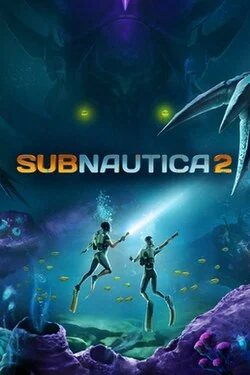
At the heart of the dispute is a staggering $250 million "earn-out" agreement—a performance-based payout stipulated during Krafton’s 2021 acquisition of the studio. The court found that Krafton attempted to circumvent its financial obligations by orchestrating the "for cause" dismissal of the studio’s leadership, including CEO Edward Gill. The judge’s scathing assessment of Krafton’s tactics has not only seen Gill reinstated to his position but has also extended the timeline for the earn-out, ensuring the founders have a fair opportunity to meet the milestones tied to the upcoming launch of Subnautica 2.
As the industry moves toward the second phase of litigation, which will determine the extent of monetary damages, the case serves as a cautionary tale regarding the fragility of M&A (mergers and acquisitions) agreements and the lengths to which parent companies may go to avoid "buyer’s remorse" when performance targets are actually met.
Main Facts: The $250 Million Dispute
The conflict centers on the terms of Krafton’s acquisition of Unknown Worlds in 2021. At the time, the deal was celebrated as a strategic masterstroke for Krafton, allowing the company to diversify its portfolio away from its heavy reliance on PUBG. The acquisition structure included an upfront payment followed by a massive earn-out provision totaling $250 million, contingent on the studio meeting specific development and financial milestones over several years.
However, as the development of Subnautica 2 progressed and the milestones became achievable, the relationship between the parent company and the subsidiary soured. The lawsuit, initiated by the founders of Unknown Worlds, alleged that Krafton engaged in a bad-faith campaign to trigger "for cause" terminations. Under the original contract, if the founders were fired "for cause," Krafton would be legally absolved from paying the $250 million earn-out.
The Delaware court’s initial ruling has fundamentally dismantled Krafton’s defense. The judge concluded that the firing of Edward Gill and his colleagues was a breach of contract, rather than a legitimate disciplinary action. The court has taken the extraordinary step of enjoining Krafton from interfering with Gill’s authority, specifically regarding the early access launch of Subnautica 2, which is viewed as a critical trigger for the disputed payments.
Chronology: From Acquisition to "Ouster"
October 2021: The Honeymoon Period
Krafton officially announces the acquisition of Unknown Worlds. The deal is framed as a partnership where the studio would maintain its creative independence while benefiting from Krafton’s global infrastructure. The $250 million earn-out is established as a "carrot" to ensure the core team remains focused on delivering a sequel that matches the success of the original Subnautica.
2022–2024: Development and Divergence
Development on Subnautica 2 begins in earnest. During this period, the gaming market undergoes significant shifts. Krafton faces increasing pressure from shareholders to maximize margins as the growth of the battle royale genre begins to plateau. Reports suggest that internal friction began to develop regarding the monetization strategy and the timeline for the Subnautica sequel.
Late 2025: The Purge
In a move that surprised the development community, Krafton abruptly announced the termination of CEO Edward Gill and several other founding members. Krafton cited "conduct detrimental to the company" and "failure to follow corporate directives" as the grounds for dismissal. By labeling these as "for cause" terminations, Krafton effectively moved to void the $250 million earn-out.
Early 2026: The Legal Counterstrike
The founders of Unknown Worlds filed a lawsuit in Delaware, the legal home for many corporate disputes involving U.S.-based subsidiaries. They alleged that the "cause" for their termination was fabricated to save Krafton a quarter of a billion dollars.

March 17, 2026: The Phase One Ruling
The Delaware Court of Chancery releases its discovery findings. The judge rules that Krafton’s actions were uncontractual. Edward Gill is reinstated, and the earn-out clock is paused/extended to account for the time lost during the "ouster."
Supporting Data: Analyzing the "For Cause" Strategy
The use of "for cause" termination to avoid financial liabilities is a known, albeit aggressive, tactic in corporate law. However, the discovery documents in this case reveal why the judge found Krafton’s actions so egregious.
- The Definition of "Cause": In most M&A contracts, "cause" is strictly defined as illegal activity, gross negligence, or a material breach of duty. The court found that Krafton’s complaints against Gill did not meet this threshold but were instead related to creative disagreements and the refusal of the founders to alter the earn-out terms mid-stream.
- The Financial Incentive: For Krafton, the $250 million payout represents a significant portion of their annual free cash flow. By eliminating the founders, Krafton would not only save the earn-out money but also gain total control over the Subnautica IP, allowing them to implement more aggressive monetization strategies (such as battle passes or microtransactions) that the founders reportedly resisted.
- The Reinstatement Order: It is rare for a court to force a parent company to reinstate a fired executive. The judge’s decision to do so indicates that the "ouster" was viewed as a direct attempt to "impede" the success of the game to ensure the earn-out milestones were never reached.
Official Responses: A Divided Front
Krafton Inc. Statement:
Following the ruling, a spokesperson for Krafton expressed disappointment with the court’s decision: "While we respect the legal process, we maintain that our actions were taken in the best interest of the studio’s long-term health and corporate governance. We are reviewing our legal options and remain committed to delivering a high-quality experience for Subnautica fans, regardless of internal administrative disputes."
Edward Gill and the Founders:
In a joint statement shared via legal counsel, the founders expressed relief: "We are gratified that the court saw through these transparent attempts to rewrite our agreement. Our priority has always been the Subnautica community and the integrity of the game we are building. We look forward to returning to work and ensuring that Subnautica 2 meets the high standards our players expect."
Industry Commentary:
Rami Ismail, a prominent voice in the independent development scene who shared the discovery documents, noted: "This is a massive win for developers. It sends a message to the giants of the industry that you cannot simply buy a studio, reap the benefits of their talent, and then discard the humans behind the work to balance your spreadsheets."
Implications: The Future of M&A in Gaming
The fallout from Krafton v. Unknown Worlds is likely to change how future acquisition deals are structured. There are three primary areas where this case will have a lasting impact:
1. The "Earn-out" Trap
Earn-outs are designed to align the interests of the buyer and the seller. However, this case highlights a fundamental flaw: if the earn-out is too large, it creates a perverse incentive for the buyer to sabotage the seller’s success. Future founders will likely demand more robust "anti-sabotage" clauses and clearer definitions of what constitutes "for cause" termination to prevent similar ousters.
2. Creative Independence vs. Corporate Control
The ruling specifically protects Gill’s authority over the "early access launch." This is a significant legal precedent. It suggests that when a studio is bought under the premise of "creative independence," the parent company cannot use administrative maneuvers to hijack the development process—especially when financial milestones are at stake.
3. Krafton’s Reputational Damage
Krafton has spent years trying to position itself as a global, developer-friendly publisher. This litigation severely tarnishes that image. Potential acquisition targets will now look at Krafton with extreme skepticism. The "messiness" described by Nicholas Lovell in his analysis suggests that Krafton’s "uncontractual" mechanisms have cost them more in reputational capital than the $250 million they sought to save.
Conclusion: The Road to Phase Two
While Phase One has reinstated the leadership of Unknown Worlds, the battle is far from over. The second phase of the litigation will focus on "wrongful impairment." The court will determine if Krafton’s interference has already damaged the development of Subnautica 2 and what monetary compensation is owed to the founders for the stress and professional damage caused by their wrongful termination.
For the fans, the reinstatement of Edward Gill is a hopeful sign for the quality of Subnautica 2. For the industry, it is a stark reminder that even in the high-stakes world of multi-billion dollar gaming conglomerates, the law still holds a place for the protection of the creators. The "Subnautica Stand-off" will be studied by legal experts and studio heads for years to come as the definitive case on the limits of corporate power in the creative arts.