The Case for a Cinematic Pivot: Why Lucasfilm Should Adapt ‘Lost Stars’ to Secure the Franchise’s Future
Main Facts: The Strategic Necessity of Claudia Gray’s Masterpiece
The Star Wars franchise currently finds itself at a narrative and commercial crossroads. Years after the conclusion of the sequel trilogy, the galaxy far, far away is grappling with a fragmented identity. While Disney+ has found varying degrees of success with series like The Mandalorian and Andor, the theatrical slate remains a source of industry speculation and fan anxiety. Projects have been announced and subsequently shelved, directors have cycled through development hell, and the looming shadow of "fan fatigue" persists.
In this climate of uncertainty, a compelling solution exists within the franchise’s own literary canon. Claudia Gray’s 2015 novel, Star Wars: Lost Stars, is widely regarded by critics and bibliophiles as one of the finest entries in the Disney-era expanded universe. Nominally categorized as Young Adult (YA) fiction, the novel provides a sophisticated, multi-layered exploration of the Galactic Civil War through the eyes of two star-crossed lovers: Thane Kyrell and Ciena Ree.
Adapting Lost Stars into a feature film or a high-budget limited series would offer Lucasfilm a rare "triple-threat" opportunity: it provides a fresh perspective on the beloved original trilogy era, it leverages an established and beloved IP with a built-in fanbase, and it targets the elusive Gen Z and Gen Alpha demographics through the proven "romantasy" and YA tropes that currently dominate global book sales.
Chronology: From the Great Canon Reset to the Current Development Limbo
To understand why Lost Stars is the right move now, one must look at the timeline of Star Wars storytelling over the last decade:
2014: The Clean Slate
Following Disney’s acquisition of Lucasfilm, the "Expanded Universe" was rebranded as "Legends," and a new, cohesive canon was established. This meant that every book, comic, and game moving forward would carry the same narrative weight as the films.
2015: The Emergence of ‘Lost Stars’
As part of the "Journey to Star Wars: The Force Awakens" publishing initiative, Claudia Gray released Lost Stars. While other novels focused on established icons like Leia Organa or Luke Skywalker, Gray introduced Thane and Ciena—two pilots from the planet Jelucan. The book was an immediate sleeper hit, praised for its emotional depth and its ability to weave its protagonists into the background of major cinematic events, from the destruction of the Death Star to the Battle of Jakku.
2017–2019: The Polarization of the Sequel Trilogy
The release of The Last Jedi (2017) and The Rise of Skywalker (2019) created a deep schism within the fandom. While the films were financial successes, they left a portion of the audience feeling alienated. During this period, the "A Star Wars Story" spin-off brand (Rogue One, Solo) was introduced and then curtailed following the underwhelming box office performance of Solo.
2020–Present: The Disney+ Era and Theatrical Stagnation
The focus shifted to streaming, where The Mandalorian revitalized the brand. However, the theatrical pipeline became clogged. Announced films from Patty Jenkins, Rian Johnson, and Kevin Feige have either been delayed indefinitely or canceled. Most recently, reports indicate that The Mandalorian and Grogu is carrying the heavy burden of returning the franchise to cinemas, amid concerns that the brand’s "event" status has diminished.
Supporting Data: The Power of YA and the Nostalgia Economy
The argument for a Lost Stars adaptation is supported by significant market trends and internal franchise data.
The Demographic Gap
Recent market research suggests that Star Wars faces a looming demographic challenge. While the franchise remains a juggernaut among Gen X and Millennials, it has not captured the hearts of Gen Z and Gen Alpha with the same fervor as the Marvel Cinematic Universe or gaming properties like Roblox and Fortnite. Lost Stars, with its focus on coming-of-age themes, forbidden romance, and the moral ambiguity of youth, is tailor-made to bridge this gap.
The "Romantasy" Boom
The publishing industry is currently being driven by "Romantasy"—a blend of romance and fantasy. Authors like Sarah J. Maas and Rebecca Yarros have proven that there is a massive, underserved market for high-stakes genre fiction centered on emotional intimacy. Lost Stars is effectively the Star Wars version of this trend. By focusing on the relationship between a Rebel defector (Thane) and a loyalist Imperial officer (Ciena), the story provides the "shipping" potential and emotional stakes that have historically been secondary to the franchise’s political and spiritual themes.
Critical and Peer Acclaim
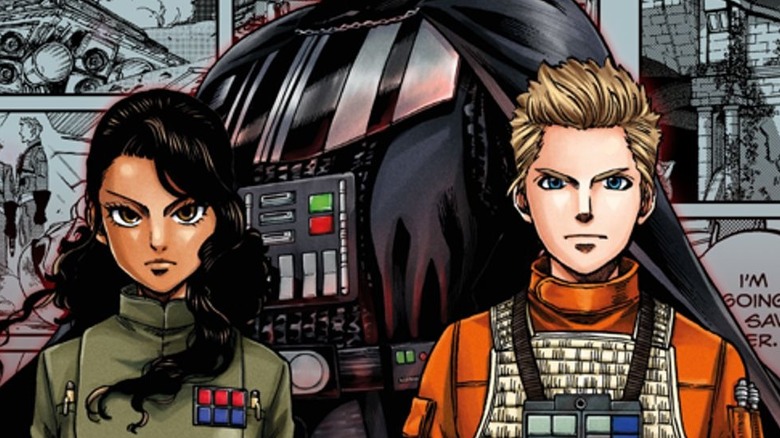
On platforms like Goodreads and Amazon, Lost Stars consistently maintains higher ratings than almost any other contemporary Star Wars novel. It has been adapted into a successful manga series, proving its visual potential and its ability to translate across different cultural mediums.
Official Context: Lucasfilm’s Historical Resistance to Direct Adaptation
Historically, Lucasfilm has been hesitant to produce direct page-to-screen adaptations. Unlike Marvel Studios, which frequently adapts specific comic book arcs (e.g., Civil War, Infinity Gauntlet), Lucasfilm prefers to treat its books as supplementary material.
Dave Filoni, Lucasfilm’s Chief Creative Officer, has occasionally integrated book elements into his projects. For example, the Tales of the Jedi animated shorts loosely adapted portions of E.K. Johnston’s Ahsoka novel. However, these are often "reimaginings" rather than faithful adaptations, sometimes even contradicting the source material to suit the needs of the screen.
Industry insiders suggest that Lucasfilm’s internal culture prioritizes original screenplays over literary adaptations to maintain "creative flexibility." However, this approach ignores the Hollywood "Golden Rule": some of the greatest cinematic successes are born from existing literature. From The Godfather to Harry Potter, having a proven narrative structure and established character arcs significantly reduces the "story risk" that has plagued recent Star Wars productions.
Implications: A New Model for Star Wars Cinema
If Lucasfilm were to greenlight a Lost Stars movie, the implications for the brand would be transformative.
1. The Revival of the "Human Scale" Story
Lost Stars works because it is a "boots on the ground" story. It doesn’t involve Jedi, Sith, or the fate of the Force. Instead, it deals with the human cost of war, the power of indoctrination, and the complexity of loyalty. This shift in scale would follow the successful path blazed by Andor, proving that Star Wars is at its best when it explores the grey areas of its universe.
2. Strategic Use of Nostalgia
The film would allow audiences to revisit the events of A New Hope, The Empire Strikes Back, and Return of the Jedi from a completely different vantage point. Seeing the destruction of Alderaan through the eyes of an Imperial officer who believes she is on the "right side" adds a chilling, necessary dimension to the lore. It satisfies the fan desire for the "classic" aesthetic while providing a narrative that is entirely contemporary.
3. A Sustainable Content Pipeline
By successfully adapting Lost Stars, Lucasfilm would open the door to a wealth of other high-quality novels. Books like Timothy Zahn’s Thrawn trilogy or the High Republic series could serve as a robust foundation for future films, moving away from the "mystery box" storytelling that has occasionally led the franchise into narrative dead ends.
4. Broadening the Genre
A Lost Stars adaptation would essentially be a wartime romance. By leaning into this genre, Lucasfilm can market to audiences who might not typically buy a ticket for a "space opera." It positions Star Wars not just as a sci-fi brand, but as a vessel for universal human stories.
Conclusion
The future of Star Wars depends on its ability to evolve without losing its soul. Lost Stars offers the perfect bridge between the old and the new. It is a story that respects the history of the galaxy while introducing characters who feel vital and relevant to a modern audience. For a studio currently searching for its next big hit, the answer may not be in a distant galaxy or a new timeline, but on the pages of a book that has been waiting for its cinematic moment for nearly a decade. Lucasfilm has the map; they simply need the courage to follow it.