High-Stakes Corporate Warfare: Krafton Faces Legal Defeat Over $250 Million Subnautica Earn-Out
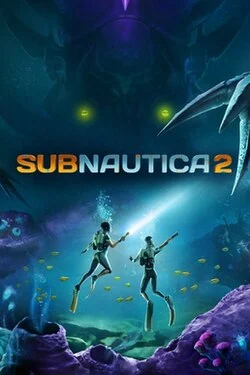
The high-stakes world of video game acquisitions has been rocked by a landmark ruling in the Delaware Court of Chancery. Krafton Inc., the South Korean conglomerate behind the global phenomenon PUBG: Battlegrounds, has lost the opening phase of a contentious legal battle against the founders of Unknown Worlds Entertainment, the studio responsible for the critically acclaimed Subnautica series.
At the heart of the dispute is a $250 million "earn-out" agreement—a performance-based incentive structure established during Krafton’s 2021 acquisition of the studio. The court’s initial findings suggest a narrative of corporate maneuvering and alleged bad-faith tactics, with Krafton accused of attempting to "weasel out" of its financial obligations by terminating the studio’s leadership under questionable circumstances.
Main Facts: The $250 Million Dispute
In late 2021, Krafton acquired Unknown Worlds Entertainment as part of an aggressive expansion strategy into Western markets. While the upfront purchase price was substantial, a significant portion of the deal’s total value was tied to "earn-outs." These are contractual provisions where the sellers (the founders) receive additional compensation if the acquired company meets specific financial or developmental milestones within a set timeframe.
The conflict erupted when Krafton moved to terminate the founders of Unknown Worlds, including CEO Edward Gill, claiming the dismissals were "for cause." By firing the leadership team under this designation, Krafton sought to nullify the $250 million earn-out, arguing that the founders’ departure—and the alleged misconduct leading to it—forfeited their rights to the payout.
However, the Delaware court has delivered a stinging rebuke to Krafton in the first phase of litigation. The presiding judge concluded that Krafton breached its contract by firing the employees without legitimate cause. Key takeaways from the ruling include:
- Reinstatement of Leadership: The court has ordered the reinstatement of CEO Edward Gill.
- Extension of Milestones: The timeline for the $250 million earn-out has been extended by the exact duration of Gill’s "ouster" to compensate for lost time.
- Injunction Against Interference: The judge explicitly enjoined Krafton from impeding Gill’s authority over the impending Early Access launch of Subnautica 2.
Chronology of the Conflict
2021: The Acquisition and the Promise of Autonomy
The relationship began with significant fanfare in 2021. Krafton, flush with cash from the success of PUBG, was looking to diversify its portfolio. Unknown Worlds, having achieved massive success with the Subnautica franchise, represented a "blue-chip" indie acquisition. The deal was structured to allow the studio to maintain its creative independence while providing Krafton with a foothold in the survival-exploration genre. The $250 million earn-out was the "carrot" designed to keep the original talent motivated through the development of the sequel.
2023–2025: Friction and Strategic Divergence
As development on Subnautica 2 progressed, internal friction reportedly began to mount. Industry insiders suggest that the pressure to meet the high-growth targets required for the earn-out created a rift between the studio’s creative-first philosophy and Krafton’s corporate expectations. Discovery documents suggest that as the milestones for the $250 million payout became increasingly achievable, Krafton’s management began seeking ways to mitigate the upcoming financial liability.
Late 2025: The "Ouster"
In a move that sent shockwaves through the industry, Krafton abruptly terminated Edward Gill and other key founders. The "for cause" justification was immediately challenged by the founders, who alleged that the move was a transparent attempt to seize control of the intellectual property while avoiding the final payment of the acquisition price.
March 2026: The Phase 1 Ruling
The founders filed suit in Delaware, a preferred venue for corporate disputes due to its sophisticated legal framework regarding mergers and acquisitions. In March 2026, the court released its discovery documents and initial judgment, siding heavily with the founders and setting the stage for a second, more damaging phase of litigation.
Supporting Data: The Mechanics of the Earn-Out
To understand the severity of this legal battle, one must look at the financial mechanics of modern gaming M&A. Earn-outs are often used to bridge the valuation gap between what a buyer wants to pay today and what a seller believes the company will be worth tomorrow.
In this case, the $250 million figure represented a massive portion of the total deal value. For Krafton, avoiding this payment would significantly improve the ROI of the acquisition on paper. For the founders, the earn-out represented the culmination of over a decade of work.
The discovery documents, highlighted by industry figures such as Rami Ismail, reveal a pattern of behavior that the court deemed "uncontractual." According to the filings:

- Metric Manipulation: There were allegations that Krafton attempted to shift internal resources or accounting practices in a way that would make hitting the earn-out targets mathematically impossible.
- Wrongful Termination: The court found no evidence of the "cause" required to terminate the founders under the specific terms of their employment agreements.
- Project Interference: Krafton’s attempts to alter the "Early Access" strategy for Subnautica 2 were viewed by the court as an attempt to "wrongfully impair" the earn-out potential.
Official Responses and Judicial Commentary
While Krafton has remained largely tight-lipped, issuing only standard statements regarding their "commitment to the Subnautica IP," the court’s language was far more direct.
The judge’s decision to reinstate Edward Gill is a rare and powerful "specific performance" remedy. In her ruling, the judge stated that Krafton’s actions were a breach of the "implied covenant of good faith and fair dealing," a cornerstone of Delaware contract law.
The court’s injunction is particularly notable: "Krafton is enjoined from… impeding Gill’s authority over the early access launch of Subnautica 2." This effectively strips Krafton of its ability to micro-manage the studio’s most important upcoming release, returning the reins to the man they attempted to fire.
The legal battle is far from over. The court noted that the second phase of the lawsuit will determine "whether Krafton’s actions wrongfully impaired the earnout, and whether any resulting money damages are owed." This means that even if the founders hit their targets, Krafton may still be liable for additional punitive damages or interest resulting from the disruption.
Industry Implications: A Warning for Future M&A
The Krafton vs. Unknown Worlds case serves as a cautionary tale for the entire video game industry, carrying implications that stretch far beyond these two companies.
1. The Erosion of Trust in "Independence"
When large publishers acquire indie studios, they almost always promise "creative independence." This ruling suggests that such independence is often fragile and can be weaponized during financial disputes. Future indie founders may look at the Krafton situation and demand more robust protections in their contracts, such as "guaranteed" payouts or more stringent definitions of what constitutes "for cause" termination.
2. The Perils of the Earn-Out Model
This case highlights the inherent conflict of interest in earn-out structures. The buyer has a financial incentive to see the targets missed, while the seller has every incentive to hit them. If a buyer begins to "regret" the price they agreed to pay—perhaps due to a shift in the global economy or the gaming market—the earn-out becomes the first target for cost-cutting.
3. Impact on Subnautica 2
For fans of the franchise, the legal drama is a double-edged sword. While the reinstatement of Edward Gill ensures that the original creative vision for Subnautica 2 remains intact, the "messy" nature of the dispute could impact morale at the studio. However, the court’s protection of the Early Access launch is a win for players, as it prevents corporate interference from potentially rushing or monetization-heavy changes that might have been forced by Krafton’s upper management.
4. Legal Precedent in Delaware
As the primary hub for US corporate law, this Delaware ruling will be cited in future M&A disputes. It reinforces the idea that "for cause" termination cannot be used as a convenient loophole to avoid debt or contractual obligations. It sends a clear message to conglomerates: the court will look past corporate jargon to the underlying intent of the actions.
Conclusion: A Reputation at Risk
For Krafton, the fallout of this case is not merely financial. The company, which has been attempting to position itself as a premier global publisher alongside giants like Sony, Microsoft, and Tencent, now faces a significant reputational hurdle. The perception that Krafton might "weasel out" of contracts could make future acquisitions significantly more expensive or even impossible, as talented developers may choose to sign with more reliable partners.
As the industry moves into the second phase of this litigation, all eyes will be on the "money damages" portion of the trial. If Krafton is found to have willfully sabotaged the studio’s performance to save $250 million, the final price tag for their "regret" could be much higher than the earn-out they tried to avoid.
In the end, the Subnautica founders have won a battle for their dignity and their roles. Whether they can win the war for the full $250 million remains to be seen, but the Delaware court has made one thing clear: in the business of games, playing foul has consequences.