The State of the Sequential Arts: Artistic Tributes, Technical Critiques, and the $5,000 Search for a National Treasure
By Journal Staff
Published: July 6, 2026
The landscape of American comic strips in the first week of July 2026 has proven to be a vibrant intersection of historical retrospection, technical debate, and a high-stakes search for lost cultural artifacts. From the celebratory patriotic displays of the Independence Day holiday to the nuanced color theory applied in Sunday funnies, the industry continues to reflect both the heritage of the medium and the evolving demands of a digital-first media landscape.
Main Facts: A Convergence of History and Technique
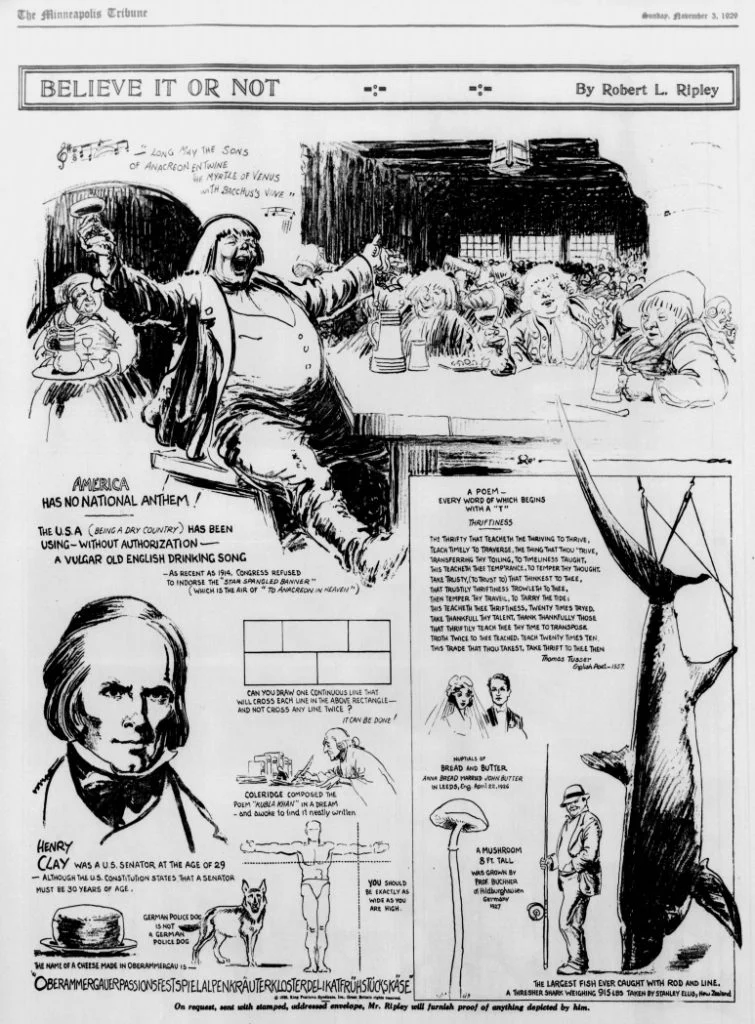
The early July cycle of comic syndication has been highlighted by several key developments that have captured the attention of historians and enthusiasts alike. Most notably, Ripley’s Believe It or Not! World Entertainment has issued a formal call to the public, offering a significant financial reward for a missing piece of American history: the original 1929 artwork that spurred the official adoption of "The Star-Spangled Banner" as the national anthem.
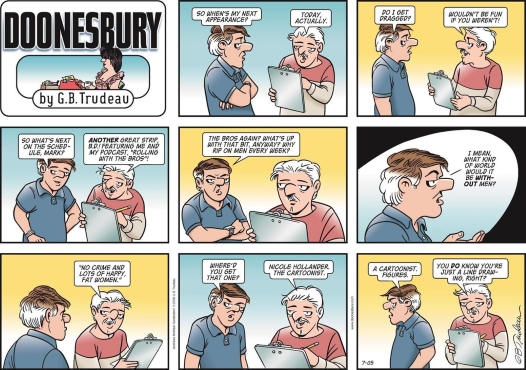
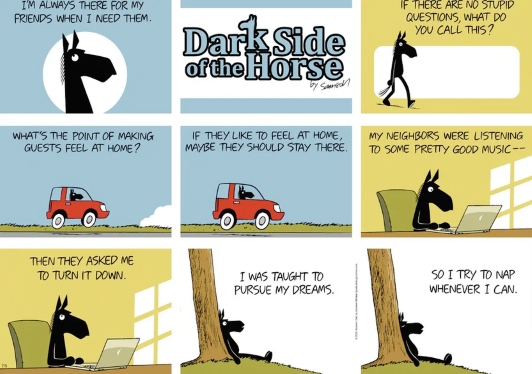
Simultaneously, the technical execution of Sunday layouts has come under scrutiny. Critics and industry observers, including prominent commentators like D.D. Degg, have noted a sophisticated—if occasionally inconsistent—use of color palettes in legacy strips such as Doonesbury and Dark Side of the Horse. These observations suggest a period of aesthetic experimentation among veteran cartoonists.
Furthermore, the holiday weekend saw a rare moment of near-universal acclaim for Ray Billingsley’s Curtis, which was lauded for its poignant and visually striking Fourth of July tribute. This comes amid a flurry of "switcheroos" and guest appearances across various strips, indicating a tight-knit community of creators who continue to pay homage to their predecessors, such as Nicole Hollander and Albert Uderzo.
Chronology: The July 2026 Comic Cycle
The events of the past week unfolded through a series of significant publications and announcements:

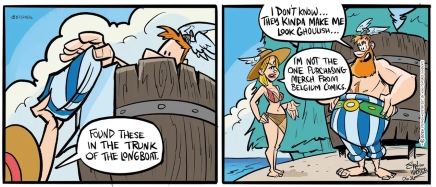
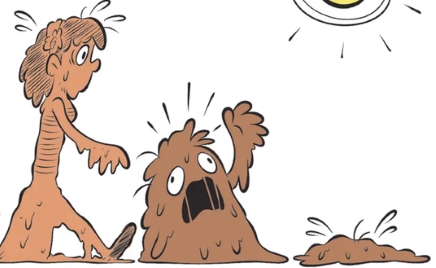
- June 30 – July 1, 2026: Mid-week strips featured a series of stylistic homages. The Saga of Brann Bjornson by Stephen Webster featured a visual nod to the legendary Asterix series, specifically the attire of Obelix. This was followed by Rosebuds by $upr Dee, which incorporated a transformation sequence referencing "The Heap," a classic swamp-creature character from the Golden Age of comics.
- July 4, 2026: Independence Day saw a variety of thematic strips. Ray Billingsley’s Curtis emerged as the standout, utilizing a sophisticated color scheme and a simplified, powerful message regarding the American experience. On the same day, Mike du Jour by Mike Lester published a strip that sparked immediate debate due to a historical inaccuracy regarding the film Casablanca.
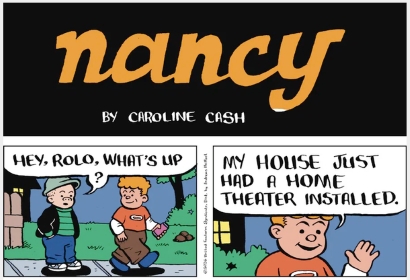
- July 5, 2026: The Sunday editions featured complex wordplay in Pearls Before Swine and Pluggers. Simultaneously, G.B. Trudeau’s Doonesbury continued its tribute to Nicole Hollander (the creator of Sylvia), while Nancy by Caroline Cash faced scrutiny over a potential character name misspelling.
- July 6, 2026: Ripley’s Believe It or Not! intensified its campaign to locate the 1929 "National Anthem" cartoon, confirming a $5,000 reward and lifetime admission passes for the finder.
Supporting Data: Artistic Analysis and Technical Critiques
The Evolution of Color Theory in Syndication
The Sunday, July 5 editions of Doonesbury and Dark Side of the Horse provided a case study in the complexities of modern comic coloring. Analysts noted that Doonesbury utilized an alternating blue and amber background scheme. While visually striking, technical critics pointed out that the title panel’s failure to adopt the amber color disrupted the uniform alternating pattern required for different print configurations.
Similarly, Dark Side of the Horse by Samson utilized a blue and ocher palette. Experts argue that for the "half-page" format, the placement of panels 4 through 7 required a specific sequence to prevent the clashing of background colors in the top tier. These technical nuances highlight the challenges cartoonists face when their work must be resized for various digital and print platforms.
Historical Errata and Editorial Oversights
The weekend was not without its controversies. In Saturday’s Mike du Jour, creator Mike Lester included a reference to Humphrey Bogart and Lauren Bacall as the primary duo in Casablanca. However, as film historians and readers quickly pointed out, the film famously stars Bogart alongside Ingrid Bergman. Lester later clarified that the "Bergman/Bacall switch" was an editorial oversight by his production team.
In the strip Nancy, a character referred to as the "rich kid" was identified with the name "Rolo." Long-time followers of the Ernie Bushmiller legacy noted that the character, traditionally known for his wealth and home theater, is historically spelled "Rollo" with two L’s. It remains unclear if this was an intentional "switcheroo"—a common trope in modern Nancy iterations—or a simple typographical error.
Official Responses: The Ripley Bounty
The most significant news regarding the preservation of comic history comes from the Ripley’s organization. On November 3, 1929, Robert Ripley published a panel asserting that the United States lacked an official national anthem, noting that "The Star-Spangled Banner" was merely a popular song set to the tune of an English drinking song, "To Anacreon in Heaven."
The public outcry following this cartoon was so immense that it led directly to President Herbert Hoover signing the bill into law on March 3, 1931.
The Official Statement from Ripley’s World Entertainment:
"Somewhere out there, the original artwork behind the Star-Spangled Banner cartoon may still exist. While the printed cartoon became historic, the original, hand-drawn Robert Ripley sketch mysteriously disappeared shortly after the stock market crash of 1929. We are offering a $5,000 reward and four lifetime passes to any individual who can lead us to the recovery of this missing piece of American history."
Historians believe the art may be in a private collection or tucked away in a regional newspaper archive, as it was originally published during a period of significant economic upheaval.
Implications: The Enduring Influence of the Comic Strip
The events of early July 2026 underscore several critical trends in the sequential arts industry:
1. The Intersection of Pop Culture and National Identity
The Ripley’s search reminds the public that comic strips have historically been more than mere entertainment; they have served as catalysts for legislative change and national discourse. The fact that a single cartoon panel could mobilize Congress in the 1930s serves as a testament to the medium’s persuasive power.
2. The Persistence of Legacy Tributes
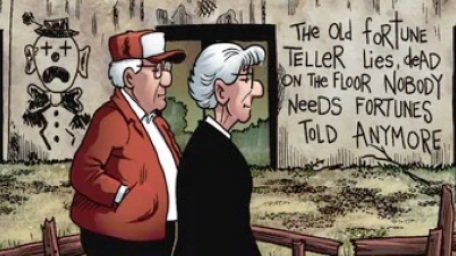
The continued references to Nicole Hollander, Albert Uderzo, and the Kinks (as seen in Crankshaft‘s use of the lyrics and notes to "Death of a Clown") demonstrate a deep sense of lineage. Modern cartoonists view themselves as part of a continuous historical thread, using their daily platforms to ensure that the creators who shaped the 20th-century aesthetic are not forgotten by 21st-century audiences.
3. Technical Challenges in the Digital Age
The critiques regarding color schemes in Doonesbury and Dark Side of the Horse reflect a broader industry struggle. As comics move from the standardized "Sunday Funnies" page to a myriad of mobile apps, websites, and social media feeds, the "architecture" of a comic panel must be more flexible than ever. Artistic choices in color and panel placement now have significant implications for how a story is "read" across different devices.
4. The Value of Editorial Rigor
The errors found in Mike du Jour and Nancy serve as a cautionary tale for the industry. In an era where information is instantaneous, the "young editor" (as Lester described) faces increasing pressure to maintain historical accuracy in a medium that often relies on nostalgia. These slips, while minor, often become the primary focus of the "Comics-sphere" commentary, overshadowing the artistic merit of the work.
Conclusion
As the industry moves past the mid-summer holiday, the focus remains on the "Finder’s Fee" for the Ripley original. The search for the 1929 cartoon represents a broader movement within the arts to reclaim and preserve the physical history of cartooning. Whether through the meticulous wordplay of Stephan Pastis or the vibrant, message-driven artistry of Ray Billingsley, the American comic strip remains a vital, if sometimes scrutinized, pillar of cultural commentary.
The "mileage may vary" for individual readers, but the collective impact of these daily panels continues to resonate nearly a century after Robert Ripley first challenged the nation to find its anthem.