High-Stakes Vertigo: Analyzing SumaLab’s Bold Pivot into Dieselpunk VR Racing
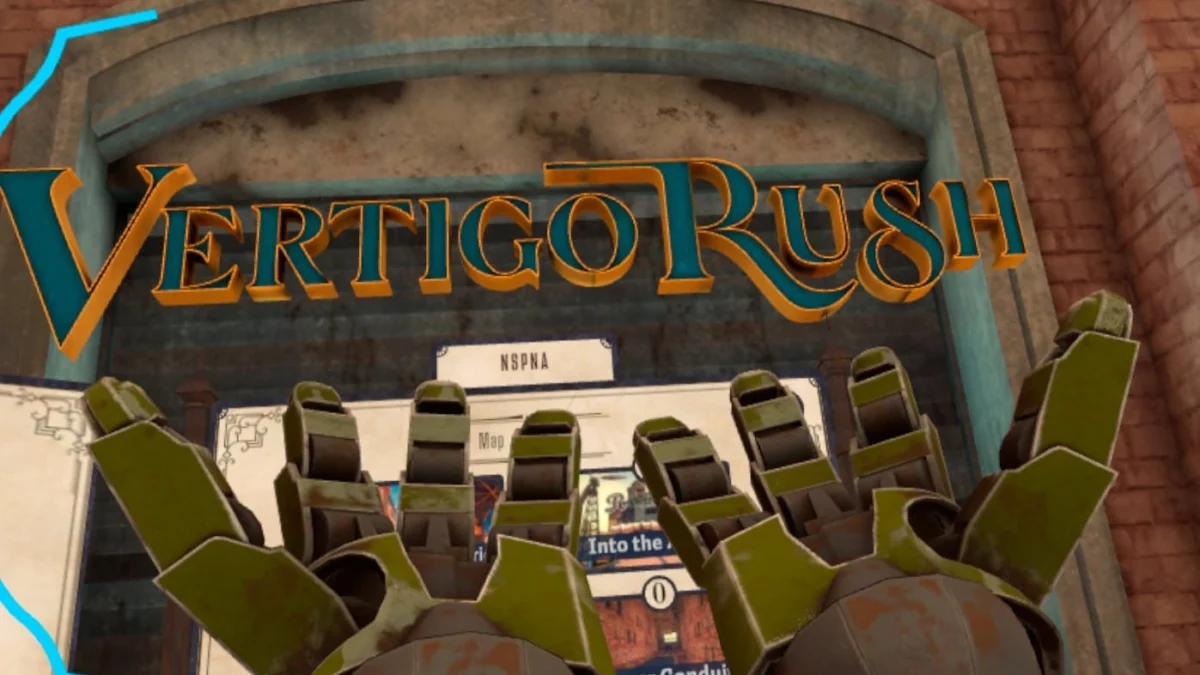
The virtual reality (VR) landscape is often defined by its pioneers—developers willing to experiment with locomotion and mechanics that would be impossible in traditional flat-screen gaming. SumaLab, the indie studio that garnered a cult following with the light-gun arcade-inspired Crisis Brigade (also known as VRigade) series, has officially stepped out of the shooting gallery and onto the racetrack. Their latest project, Vertigo Rush, has launched into Early Access on Meta Quest and Steam, promising a high-octane blend of dieselpunk aesthetics, parkour-inspired movement, and dizzying verticality.
However, as with many Early Access titles attempting to redefine a genre, Vertigo Rush currently finds itself at a crossroads between ambitious innovation and the mechanical friction that often plagues experimental VR locomotion.
1. Main Facts: The Core of Vertigo Rush
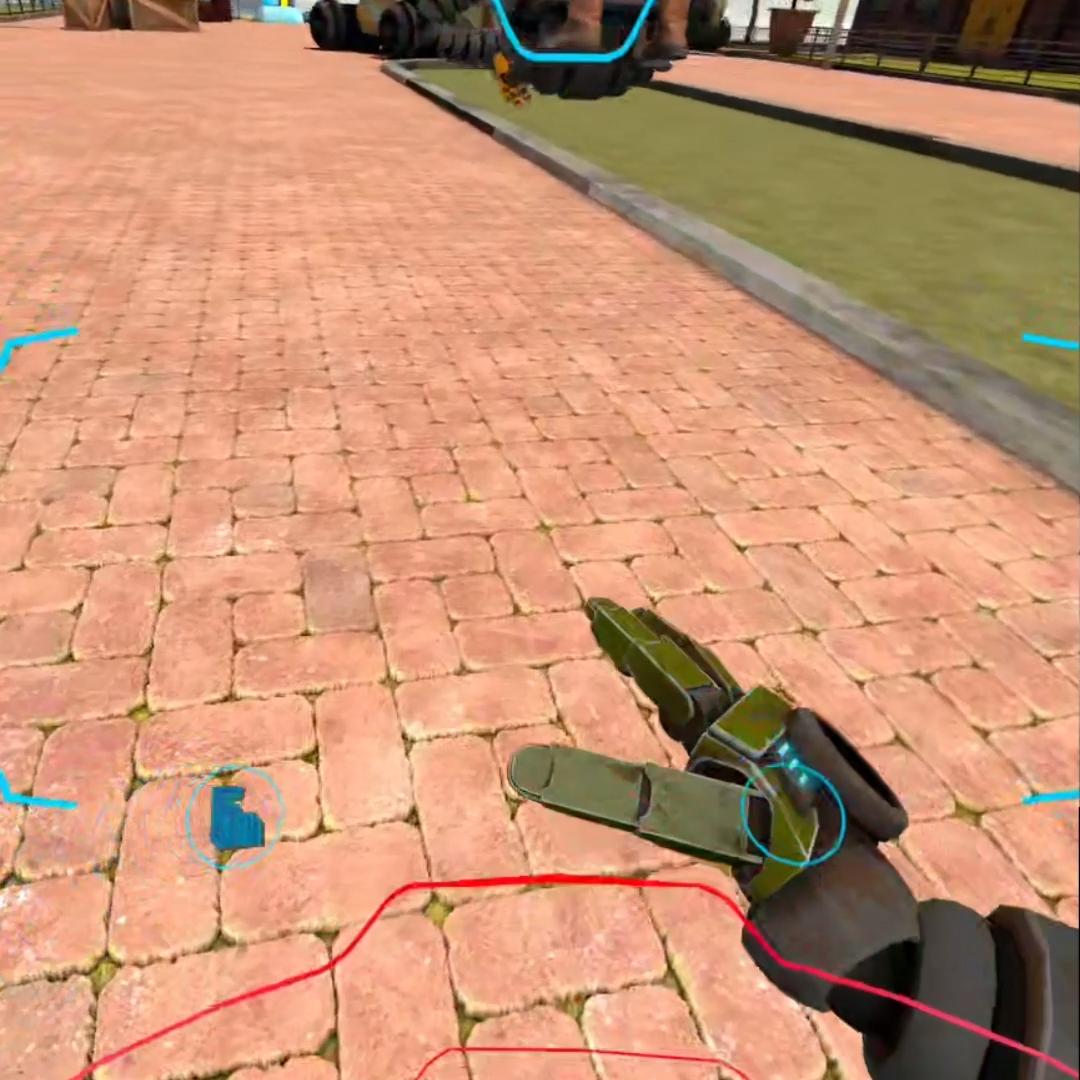
At its heart, Vertigo Rush is a parkour-adjacent racing game that eschews traditional steering wheels or joysticks in favor of a physically demanding arm-swinging locomotion system. This mechanic, popularized by titles like Gorilla Tag and Sprint Vector, requires players to physically pump their arms to generate momentum, mimicking the frantic stride of a runner.
Key Specifications:
- Vertigo Rush
- Developer: SumaLab
- Platforms: Meta Quest (Native), Steam VR
- Release Dates: July 1, 2026 (Quest); August 25, 2026 (Steam)
- Price Point: $14.99 (Early Access)
- Primary Locomotion: Arm-swinging, climbing, and vaulting.
- Thematic Aesthetic: Dieselpunk/Industrial Urbanism.
The game places players in the role of Jack, a "street urchin" pilot operating a "rust-bucket" robot. The narrative backdrop revolves around "The Derby," a high-stakes racing series held across treacherous urban courses. Accompanied by a support crew—specifically Sarah, a precocious engineer, and an enigmatic bearded mentor—players must navigate vertical labyrinths that challenge both their reflexes and their physical endurance.
2. Chronology: From Crisis Brigade to The Derby
To understand the trajectory of Vertigo Rush, one must look at the evolution of SumaLab. The studio built its reputation on the Crisis Brigade franchise, which focused on static, high-intensity cover-based shooting. These games were lauded for their simplicity and "pick-up-and-play" arcade feel.

The transition to Vertigo Rush marks a significant departure in design philosophy. While Crisis Brigade was about precision and staying still, Vertigo Rush is about constant, fluid motion.
- Development Phase (2024–2025): SumaLab began experimenting with physics-based movement, looking to capture the viral success of "arm-swinging" games while adding a layer of professional racing polish.
- Quest Launch (July 2026): The game debuted on the Meta Quest Store, targeting the standalone VR market where Gorilla Tag clones and movement-heavy games thrive.
- Steam Expansion (August 2026): The title moved to PC VR, offering higher graphical fidelity and reaching the enthusiast market.
- Current Status: The game remains in Early Access, with the developer actively seeking feedback to "tune the engine" of its core mechanics.
3. Supporting Data: Mechanics, Design, and Technical Hurdles
The Locomotion Dilemma
The defining feature of Vertigo Rush is also its most contentious. The arm-swinging system is designed to provide a sense of physical exertion and immersion. However, data from early player testing and critical reviews suggest a steep learning curve. Unlike Orion Drift, which provides a more forgiving buffer for player movement, Vertigo Rush demands high precision. A slight mistiming in the arm swing can result in a total loss of momentum—a "stalling" effect that can be devastating in a racing context.
Content and Replayability
In its current Early Access state, the game offers:
- Time Trial Mode: For solo players looking to master the intricacies of the tracks.
- The Campaign: Three "Cups," each consisting of three tracks (9 tracks total).
- Power-Up System: Classic arcade racer weaponry (homing projectiles, speed boosts, and traps).
While the level design is a highlight—utilizing verticality, branching paths, and rail-grinding sections—the quantitative data suggests the game is currently "light" on content. Skilled players have reported completing the campaign in under two hours, often winning races against AI opponents by margins exceeding 60 seconds.
The Cosmetic vs. Functional Divide
The game features a diverse roster of playable characters and robots. However, as of the current build, these differences are purely cosmetic. There are no statistical variations in speed, handling, or acceleration between the different "rust-buckets." This lack of specialization removes a layer of strategy that players typically expect from the racing genre, such as choosing a "heavy" robot for combat or a "light" one for speed.
4. Official Responses and Developer Intent
SumaLab’s design philosophy for Vertigo Rush was born from a "What If?" scenario. According to the developers, the goal was to subvert the "cool people in cool vehicles" trope of modern racing games. By mounting "bobble-headed children" on dieselpunk robots, they aimed for a whimsical, slightly chaotic aesthetic that contrasts with the intense physical demand of the gameplay.
On Locomotion and Polish:
The studio has acknowledged that the movement system is a "work in progress." In various community forums, the sentiment from the development team is one of iterative refinement. They view the Early Access period as a "tuning shop" where the community’s "friction points" can be identified and smoothed out.
On Accessibility and Comfort:
A significant point of discussion involves the game’s "Comfort Rating." Vertigo Rush is objectively high-intensity. It involves rapid vertical shifts, 360-degree movement, and high-speed turns. Currently, the game offers very limited comfort vignettes or peripheral blurring options. SumaLab’s official stance appears to be focused on the "hardcore" VR user first, though they have hinted at adding more accessibility features as the game moves toward its 1.0 release.
5. Implications: The Future of the VR Racing Genre
The release of Vertigo Rush carries several implications for the broader VR industry and for SumaLab as a developer.
The Evolution of "Active" VR
Vertigo Rush represents a shift toward "Active VR," where the player’s physical fitness and coordination are just as important as their button-pressing skills. If SumaLab can successfully bridge the gap between "finicky" and "skill-based" movement, they could set a new standard for parkour-style racing. However, the current "clunky" feel highlights the difficulty of perfecting physics-based locomotion.
The Family-Friendly Niche
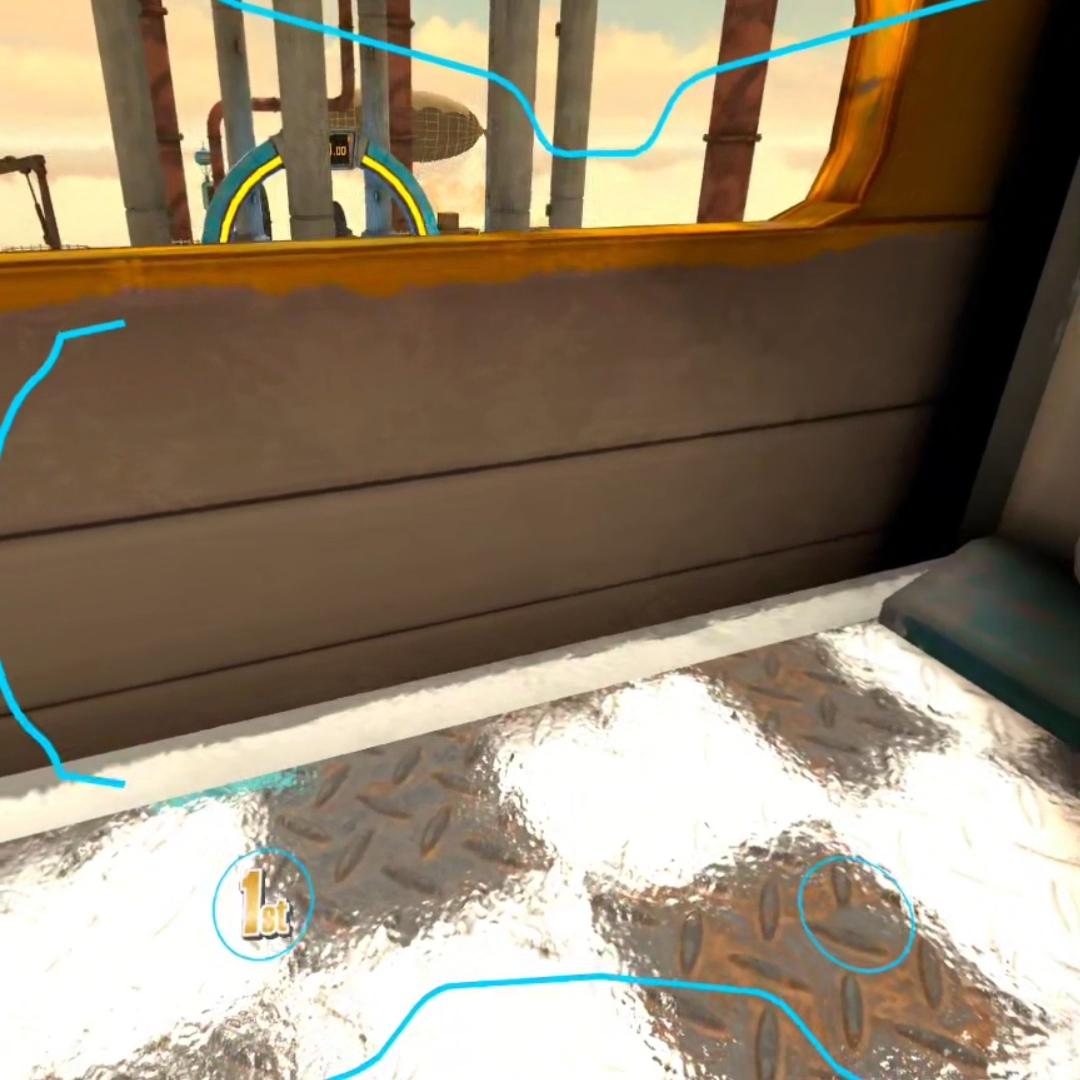
The inclusion of family sharing and a whimsical art style suggests that SumaLab is targeting a younger demographic—the "Gorilla Tag Generation." This is a savvy business move, as this demographic is currently the most active on the Meta Quest platform. However, the high difficulty ceiling of the movement system may alienate the very audience the art style attracts.
Early Access Risks
The primary risk for Vertigo Rush is the "first impression" factor. In a crowded marketplace, an Early Access title with weak AI and limited multiplayer (currently restricted to room codes rather than open lobbies) may struggle to maintain a player base. For a racing game, a healthy concurrent player count is the lifeblood of the experience. Without open matchmaking, the "Rush" in Vertigo Rush may feel lonely for those who don’t have a dedicated group of VR-equipped friends.
Final Assessment
Vertigo Rush is a daring experiment in genre-blending. Its level design is masterful, offering a sense of scale and verticality that few VR racers achieve. The aesthetic is charming, and the price point of $14.99 is appropriately modest for the current volume of content.
However, the game is currently a "diamond in the rough." To "stick the landing," SumaLab must address three critical areas:
- Locomotion Smoothing: Reducing the "fussy" nature of the arm-swinging to allow for more intuitive flow.
- Competitive Depth: Introducing AI that poses a genuine challenge and differentiating robot stats to encourage strategic play.
- Social Infrastructure: Implementing open lobbies and global leaderboards to foster a competitive community.
For now, Vertigo Rush is a fascinating look at what the future of VR racing could be—provided the developers can successfully tune the engine before the finish line. Families and VR veterans with "strong stomachs" will find much to enjoy here, but those seeking a polished, feature-complete experience may want to keep their robots in the garage for a few more months.