"Widow’s Bay": A Deep Dive into the Horror-Comedy Phenomenon Captivating Audiences
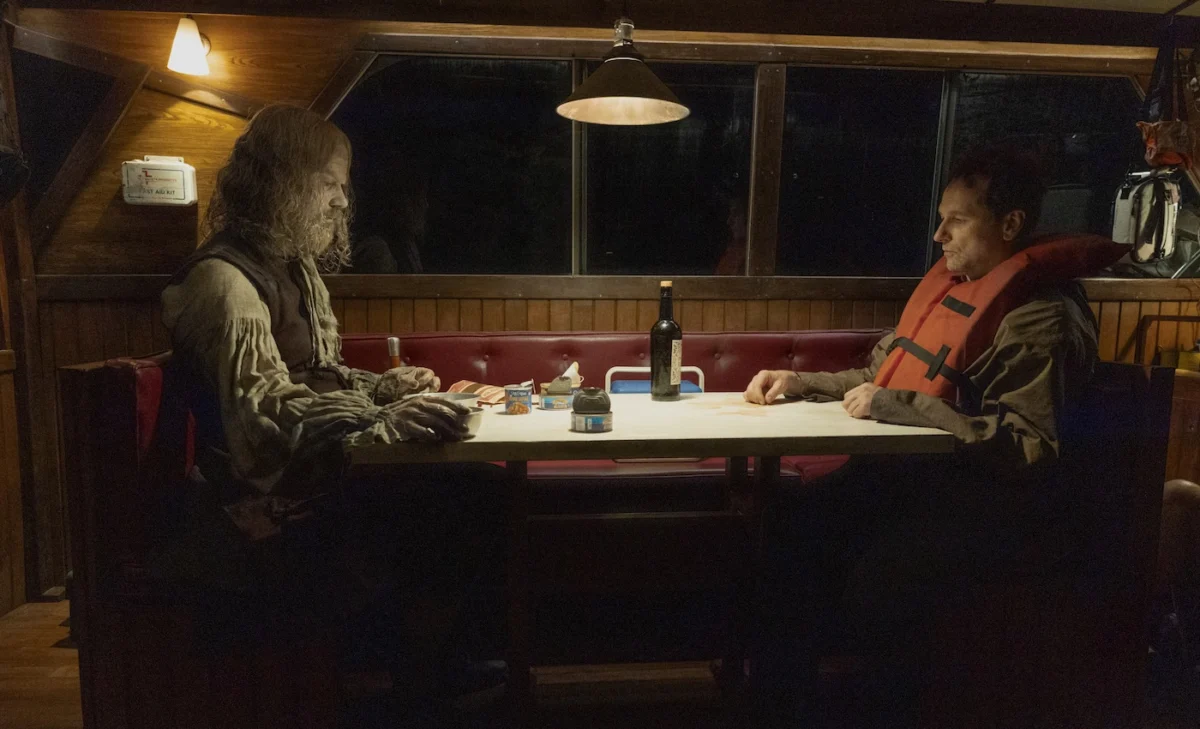
In recent months, a compelling new series has captured the attention of critics and audiences alike, quickly becoming a fixture in online discourse: Widow’s Bay. Hailed as a masterclass in genre-bending television, the show has swiftly cemented its status as a must-watch, prompting fervent discussions across social media platforms. Its unique blend of sharp comedy and genuinely unsettling horror has garnered significant praise, with many proclaiming it a standout production of the current decade. For those yet to discover this acclaimed series, a closer look reveals the myriad reasons behind its burgeoning success and its recent renewal for a second season by Apple TV.
The Genesis of "Widow’s Bay": A Creative Journey
At its core, Widow’s Bay is a meticulously crafted horror-comedy that deftly navigates the challenging tightrope between scares and laughter. The series’ distinctive tone is perhaps best encapsulated by its creator, Katie Dippold, who famously described it as akin to "the Babadook at a wine party." This evocative imagery perfectly illustrates the show’s ability to juxtapose the macabre with the absurd, creating an experience that is both genuinely funny and surprisingly terrifying.
Dippold, known for her writing and co-producing roles on the beloved sitcom Parks & Recreation, initially conceived the idea for Widow’s Bay as a spec script for that very show. This origin story is palpable throughout the series, particularly in episode five, "What to Expect on Your Trip," which radiates strong Parks & Rec vibes in its character dynamics and comedic timing. However, Dippold’s vision expanded beyond pure comedy, incorporating elements of the strange and unsettling.
The show’s genre fusion is often articulated through compelling comparisons: imagine the quaint charm of Parks & Rec colliding with the enigmatic mysteries of Twin Peaks; the community spirit of Schitt’s Creek meeting the paranormal investigations of The X-Files; the quirky Americana of Northern Exposure encountering the supernatural whimsy of Gravity Falls; the optimistic spirit of Ted Lasso confronting the bizarre horrors of Courage the Cowardly Dog; or the philosophical humor of The Good Place merging with the unsettling suburban legends of Eerie, Indiana. These comparisons highlight Widow’s Bay‘s intricate design, where the humor often amplifies the horror, and vice versa. Even in its most chilling moments, a thread of dark wit is expertly woven through, ensuring that the audience is never quite comfortable, but always entertained. Figures like the "Sea Hag" or the "Boogeyman" serve as prime examples, their very existence rendered simultaneously comical and deeply disturbing. For viewers sensitive to intense scares, it is advisable to be prepared for moments that will have you peeking through your fingers.
Crafting the World: Stellar Cast and Crew Behind the Scenes
The success of Widow’s Bay is undoubtedly bolstered by its exceptional ensemble cast and the formidable talent assembled behind the cameras.
A Galaxy of Talent
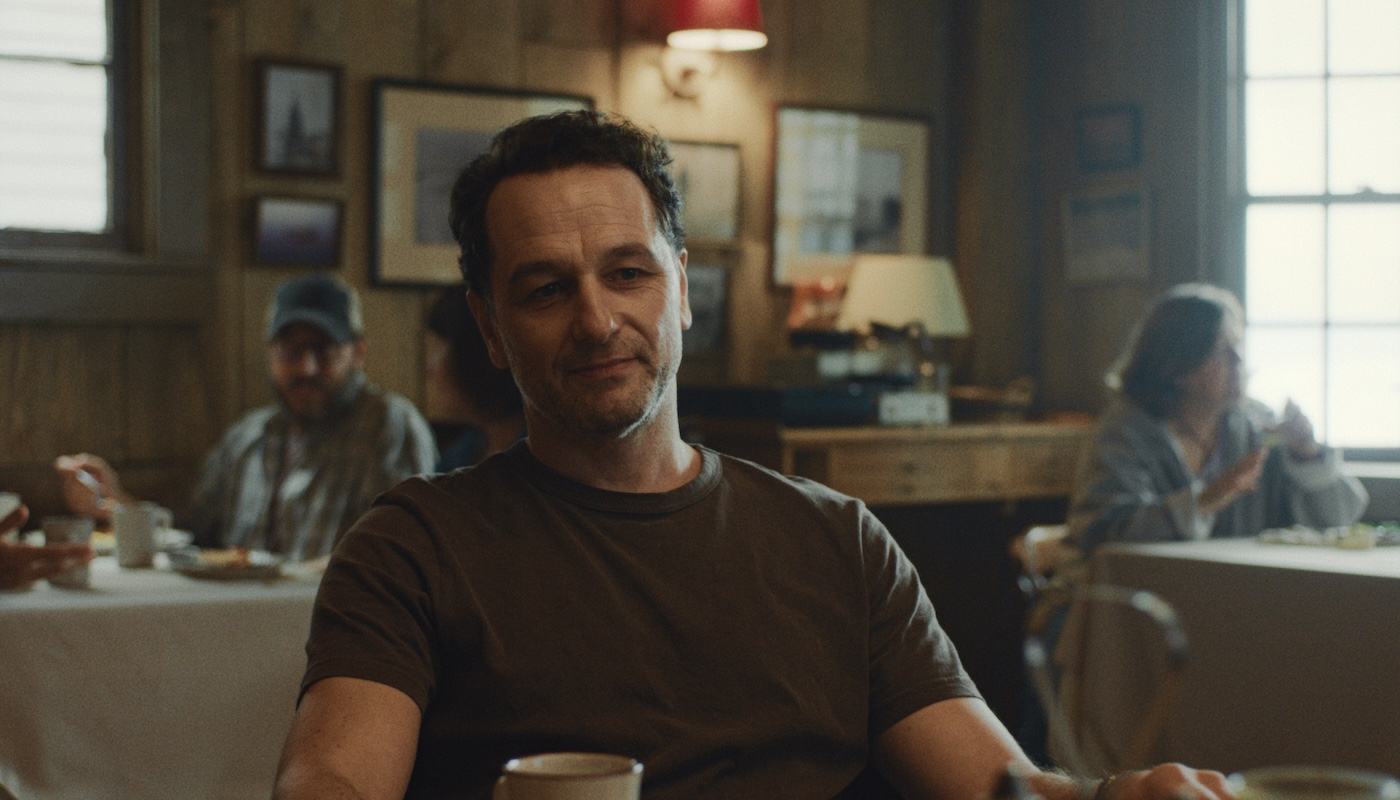
The series boasts a remarkable roster of actors, many of whom deliver career-defining performances. Matthew Rhys, renowned for his dramatic roles, takes on his first lead in a comedy, portraying the "straight man" with remarkable precision, grounding the escalating absurdity. Kevin Carroll offers a standout performance as the sheriff, whose initial reaction to the town’s strange occurrences is to simply "nope out" — a brilliant subversion of horror tropes. Stephen Root, Dale Dickey, Jeff Hiller, K Callan, Hamish Linklater, Chris Fleming, and Betty Gilpin all contribute to a rich tapestry of eccentric and memorable characters.
A particular highlight is Kingston Rumi Southwick, a relative newcomer who brings surprising depth and heart to the potentially stock character of Evan, the conflicted teenager. What truly sets this cast apart, beyond their individual talents, is their collective authenticity. In an industry often criticized for its idealized portrayals, the actors in Widow’s Bay embody a refreshing realism. They appear as genuine individuals, reminiscent of neighbors or coworkers, rather than manufactured archetypes. This grounded aesthetic is crucial for a show that ventures into the fantastical, providing a necessary "crunchy" realism that prevents the outlandish elements from becoming detached or unbelievable, even when confronted with a "clown killer."
The Architects of Atmosphere
The directorial team behind Widow’s Bay features an impressive lineup of industry veterans, including Hiro Murai, Andrew DeYoung, and Samuel Donovan, all recognized for their strong television directing careers. The inclusion of Ti West, acclaimed for his work on the X film series, further underscores the show’s commitment to delivering high-quality horror elements.
Beyond the directors, the show’s immersive atmosphere is a testament to the meticulous work of the entire crew. Music supervisor Toko Nagata, whose credits include collaborations on Mike Flanagan properties, masterfully curates perfect music cues that enhance both the comedic and terrifying moments. Composer David Fleming crafts incredible instrumentals that serve as a loving homage to classic horror film scores. From the cinematography that expertly frames unsettling visuals to the editing that builds suspense and comedic timing, the visual effects, casting, set and art design, costuming, and makeup – every department delivers consistently high-quality work. The dedication of the writers’ room, operating at peak performance, ensures that each script is a finely tuned engine of humor and dread. The collective effort and unparalleled dedication of every single person involved in the production are evident in the final, polished product.
Subtle Terrors and Hidden Layers: The Intricate Details
Widow’s Bay is a series meticulously designed for rewatching, rewarding attentive viewers with a wealth of hidden details and subtle nuances. Each subsequent viewing uncovers new layers, enriching the overall experience and deepening appreciation for the show’s intricate craftsmanship.
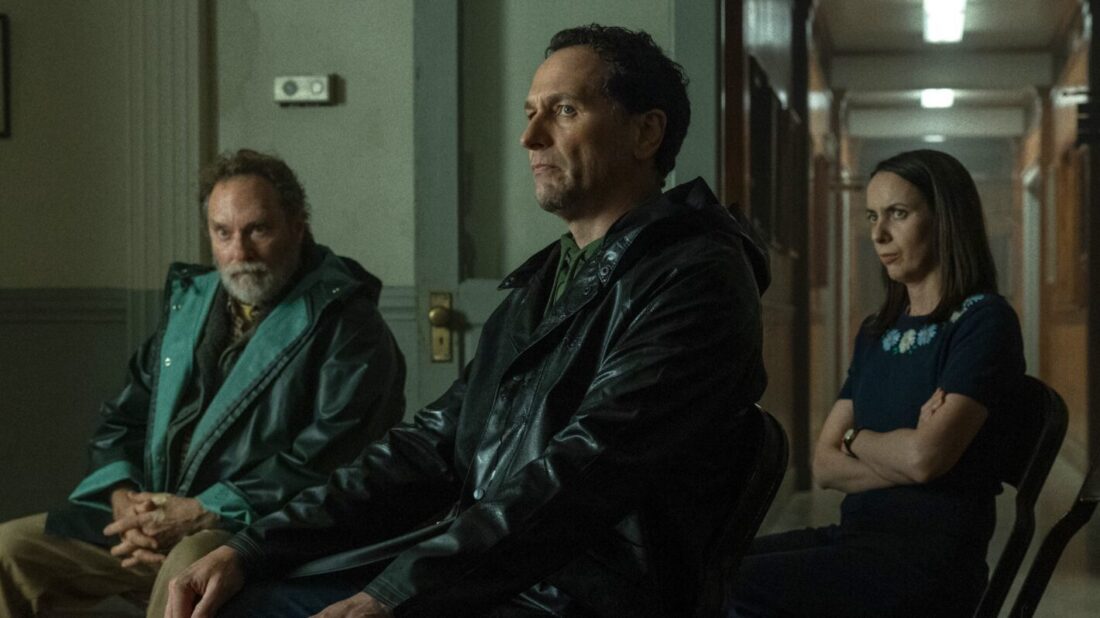
Observant viewers will notice ominous flickering lights that hint at supernatural presences, strange faces momentarily appearing in mirrors, and unsettling artwork adorning the walls, each contributing to the pervasive sense of unease. Beyond these visual cues, the show weaves in subtle character details that add to its texture. For instance, Matthew Rhys’s character employs a slightly different accent from the other island residents, a minor detail that speaks volumes about his outsider status.
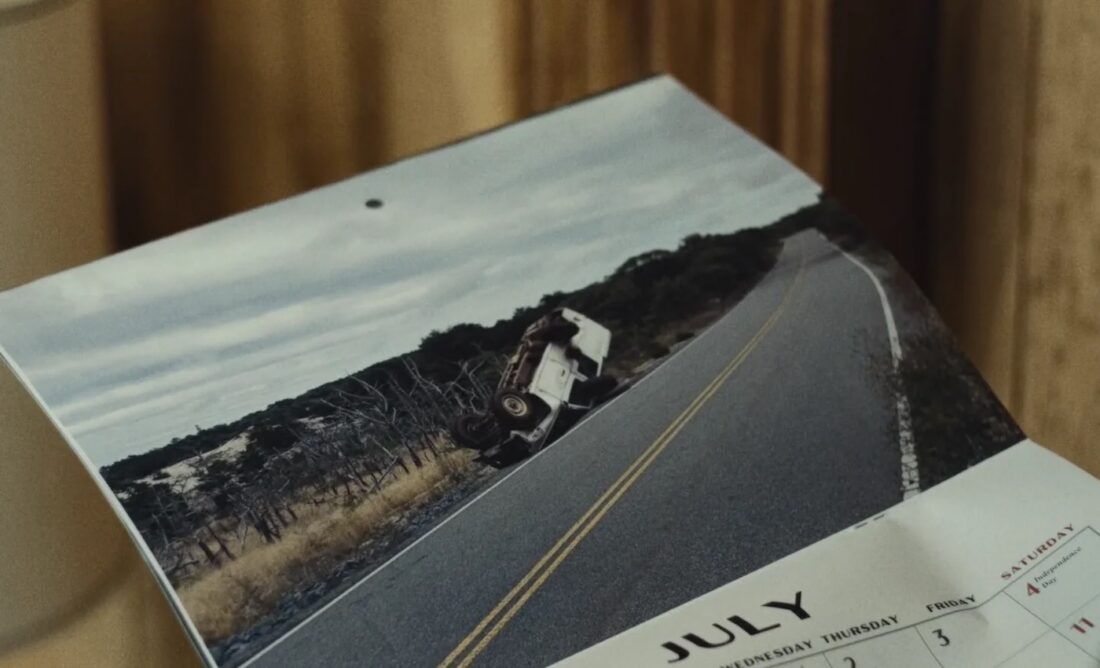
The narrative is also peppered with fascinating, blink-and-you’ll-miss-it elements that expand the lore or offer dark humor. A newspaper article detailing a priest’s death by whale, mysteriously labeled a "sacrifice," raises more questions than it answers about the island’s peculiar history. The subtle movement of Patricia’s mug off a book, or the unsettling detail of Tom’s wolf calendar featuring a car crash for the month of July, are small touches that contribute to the show’s immersive and slightly off-kilter world. These intricate details transform Widow’s Bay into a living, breathing entity, inviting viewers to explore its depths long after the credits roll.
A Masterclass in Dialogue: The Show’s Unforgettable Lines
The writing in Widow’s Bay is undeniably one of its greatest strengths, yielding an abundance of memorable and quotable lines. The entire cast delivers these lines with impeccable comedic timing and dramatic gravitas, deserving individual accolades for their nuanced readings. The dialogue frequently oscillates between sharp wit, understated absurdity, and chilling pronouncements, often within the same scene.
The show’s unique comedic voice shines through in exchanges such as:
- "Dead baby. Dead baby. Lesbian."
- "Except for the teeth."
- "I know you asked me to be supportive, but I have my qualms."
- "Once again, I’d like to remind everyone that it is not mandatory that you speak."
- "Alright, fuggos, let’s go."
- "There’s no rush to the augmentation of the soul, folks."
- "These jackrabbits had six kids, and some of them have a few of their own, but you know what they say, ‘A family that swims together, drowns together.’"
- Tom: "Have you ever heard of the trolley problem?" Ruth: "You mean back in ’42 when we tried to build one and all the workers disappeared?"
- "Not yet. Not yet. Not yet. RUN."
- "Old woman. Possibly damp. Faster than old woman should be!"
- "It’s perfectly safe to drive by the old hospital. You just can’t stop."
- "Can’t do anything right today."
- "I was just about to show Arthur the witch trial. Great source of pride. We caught ’em. We burned ’em."
- "But he got bit by an animal and became that animal."
These lines, delivered with a perfect blend of sincerity and deadpan humor, not only provide ample comedic relief but also often serve to underscore the show’s inherent strangeness and the bizarre logic of its world. They are instantly iconic, contributing significantly to the show’s rapidly growing cult following.
A Haunting Homage: The Rich Tapestry of Horror References
More than just a horror-comedy, Widow’s Bay functions as a profound love letter to the horror genre itself. The creators’ deep appreciation and critical understanding of horror cinema are evident in the myriad references woven into the fabric of the series. These homages manifest in various forms, from subtle visual cues and costume choices to direct thematic echoes of iconic moments and even meta-commentary on established tropes.
Viewers with a keen eye for horror will spot nods to classics like Jaws, Halloween, The Witch, The Village, Evil Dead, The Blair Witch Project, The Wicker Man, and The Exorcist. The influence of Alfred Hitchcock’s psychological thrillers and a significant portion of Stephen King’s extensive bibliography are also clearly discernible. These references are not merely superficial Easter eggs; they are thoughtfully integrated, often serving to deepen the narrative or provide incisive commentary.
A prime example is the character of Patricia, whose storyline frequently plays with "Final Girl" and "Scream Queen" archetypes, culminating in a particularly clever "slasher episode" that simultaneously celebrates and critiques the genre’s conventions. This intelligent approach demonstrates that the show’s creators possess not only an encyclopedic knowledge of horror but also a critical eye for its strengths and weaknesses, allowing them to both honor tradition and push its boundaries.
Beyond the Scream: Exploring Deeper Themes
Beyond its comedic brilliance and chilling scares, Widow’s Bay delves into profound thematic territory, offering a nuanced exploration of societal pressures, gender roles, and the complexities of human relationships.
Redefining Female Narratives
One of the show’s most commendable aspects is its portrayal of women, particularly those who are middle-aged or older. While a couple of teenage girls are present, the series largely focuses on adult women navigating life’s challenges and confronting societal expectations. We encounter women grappling with loneliness, haunted by the consequences of childhood choices, and others who defiantly thrive outside conventional social norms. The show subtly, yet powerfully, critiques the ways women are often defined (or dismissed) by men – typically by what they lack: youth, motherhood, marriage. The narrative consistently implies that the audience should bristle at such condescension.
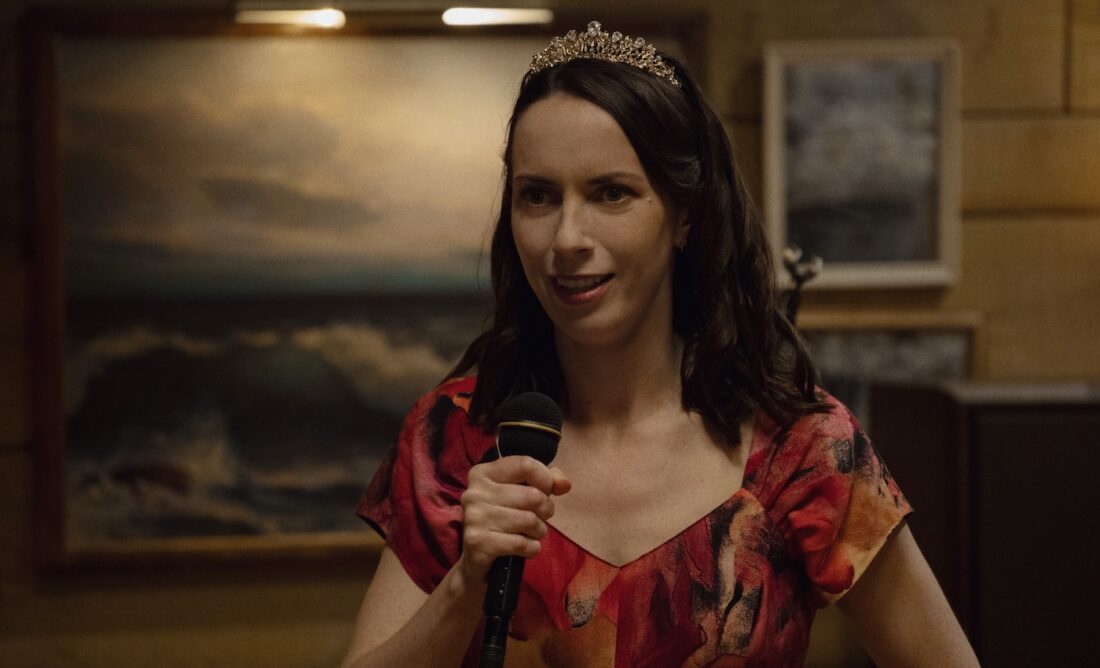
Traditional horror cinema frequently features mothers fiercely defending their children or attractive young women being pursued by monsters. In contrast, single, childless women in their forties are often relegated to villainous roles or depicted as pathetic figures. Widow’s Bay subverts these tropes, celebrating older women for exactly who they are, embracing their complexities and flaws without judgment. This progressive approach offers a refreshing and empowering perspective on female characters within the horror genre.
Navigating Masculinity in the Macabre
Another central theme explored with remarkable depth is the concept of "frightened men who will do desperate things," and the manifold implications such a premise brings. Fatherhood, with all its inherent joys, terrors, and occasional cruelties, stands as a pivotal element of the narrative. The series presents a spectrum of fathers and father figures grappling with masculinity and the often-toxic societal expectations placed upon them.
The dynamic between Tom, the island’s mayor, and his son, Evan, forms a critical emotional anchor. So much of Tom’s actions and motivations are intricately tied to this complicated paternal relationship. The writers skillfully peel back layers of their connection, continually shifting the audience’s understanding of their characters and the events that precede them. Tom’s character arc is particularly compelling; he begins the season embodying the dismissive mayor from Jaws, then veers into the tormented father figure reminiscent of The Shining, only to evolve into something far more intricate and compelling by the season’s conclusion. This nuanced exploration of male characters, their fears, and their attempts to navigate a perilous world adds significant weight to the series.
While the show excels in its character development, a minor point of critique can be directed at its demographic representation. The current cast is notably heavy on cisgender white male characters, with a lighter presence of BIPOC (Black, Indigenous, and People of Color) and queer characters. There is a hopeful anticipation among viewers that future seasons will embrace greater diversity within its ensemble.
The Island’s Secrets: Rich and Evolving Lore
The narrative backbone of Widow’s Bay is its exceptionally thoughtful and well-constructed lore. What initially might appear as a series of standalone "monsters of the week" episodes quickly reveals itself to be a deeply interconnected tapestry. By the season’s end, it becomes clear that each creature encountered not only propels the overarching seasonal plot but also serves as a catalyst for significant character development.
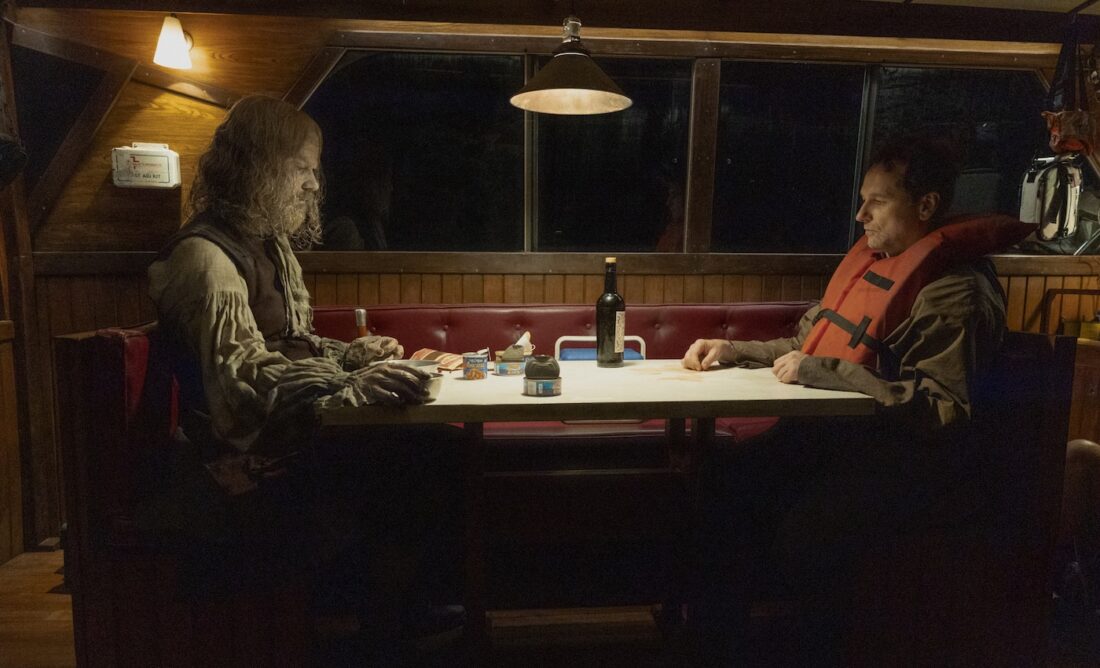
The monsters are ingeniously tailored to the specific characters who confront them, acting as both external threats and mirrors reflecting internal struggles. Simultaneously, these encounters meticulously unveil fragments of the island’s mysterious and ancient lore, slowly piecing together a terrifying origin story. This intelligent approach ensures that the fantastical elements are always grounded in character and narrative progression. With a second season confirmed, there is considerable excitement and anticipation for further lore encounters, particularly for characters like Rosemary, Dale, Bechir, and Evan, which promise to deepen the show’s mythology even further.
Looking Ahead: Season Two and Broader Impact
The overwhelming positive reception and critical acclaim for Widow’s Bay have been swiftly acknowledged by Apple TV, which has officially greenlit a second season. This early renewal is a testament to the show’s immediate impact and the platform’s confidence in its continued success. For prospective viewers, the knowledge that the series is not only beloved by fans but also fully supported by its network provides an additional incentive to dive into its captivating world.
Widow’s Bay is undeniably a production that fires on all cylinders. Its exceptional writing, stellar performances, masterful direction, and intricate world-building combine to create a truly unforgettable viewing experience. It is poised to be a strong contender for the top spot on many "Best TV of 2026" lists and is already securing its place among the top five series of the 2020s.
The show’s breakout success has also highlighted particular aspects that resonate deeply with audiences. The character of Patricia, for instance, has become a fan favorite, her compelling arc and memorable moments prompting an almost singular devotion among viewers. Her unique journey through the series is a significant draw, a testament to powerful character writing. Furthermore, a fascinating, albeit specific, observation has emerged regarding actor Hamish Linklater: "If I had a nickel for every time Hamish Linklater played a community leader who encountered a malevolent entity on a rundown New England island town, I’d have two nickels. Which isn’t a lot, but it’s weird that it happened twice." This quirky detail not only points to Linklater’s unique niche but also underscores the show’s cleverness and its connection to a rich tradition of New England gothic horror.
In conclusion, Widow’s Bay stands as a triumphant example of contemporary television, offering a fresh, intelligent, and thoroughly entertaining blend of genres. Its critical and popular success is well-earned, and its upcoming second season is eagerly awaited, promising further adventures into its darkly humorous and genuinely frightening world.