Locomochi: Redefining the "Cozy" Puzzle Genre Through Kinetic Logic and Minimalist Design

The indie gaming landscape has seen a significant resurgence in "cozy" titles—games designed to provide a stress-free, aesthetically pleasing experience without the pressure of high-stakes combat or punishing timers. Among the various sub-genres within this movement, train-based puzzle games have carved out a substantial niche. The latest entry to capture the attention of industry analysts and enthusiasts alike is Locomochi, a title that seeks to distinguish itself through a unique approach to movement, interaction, and narrative delivery.
Debuting its latest build at the prestigious Pocket Gamer Connects (PGC) Barcelona, Locomochi has transitioned from a quiet development project into a highly anticipated indie title. By blending traditional logic-based track puzzles with a wholesome aesthetic and a language-agnostic communication system, the game offers a fresh perspective on a familiar formula.
Main Facts: An Overview of Locomochi
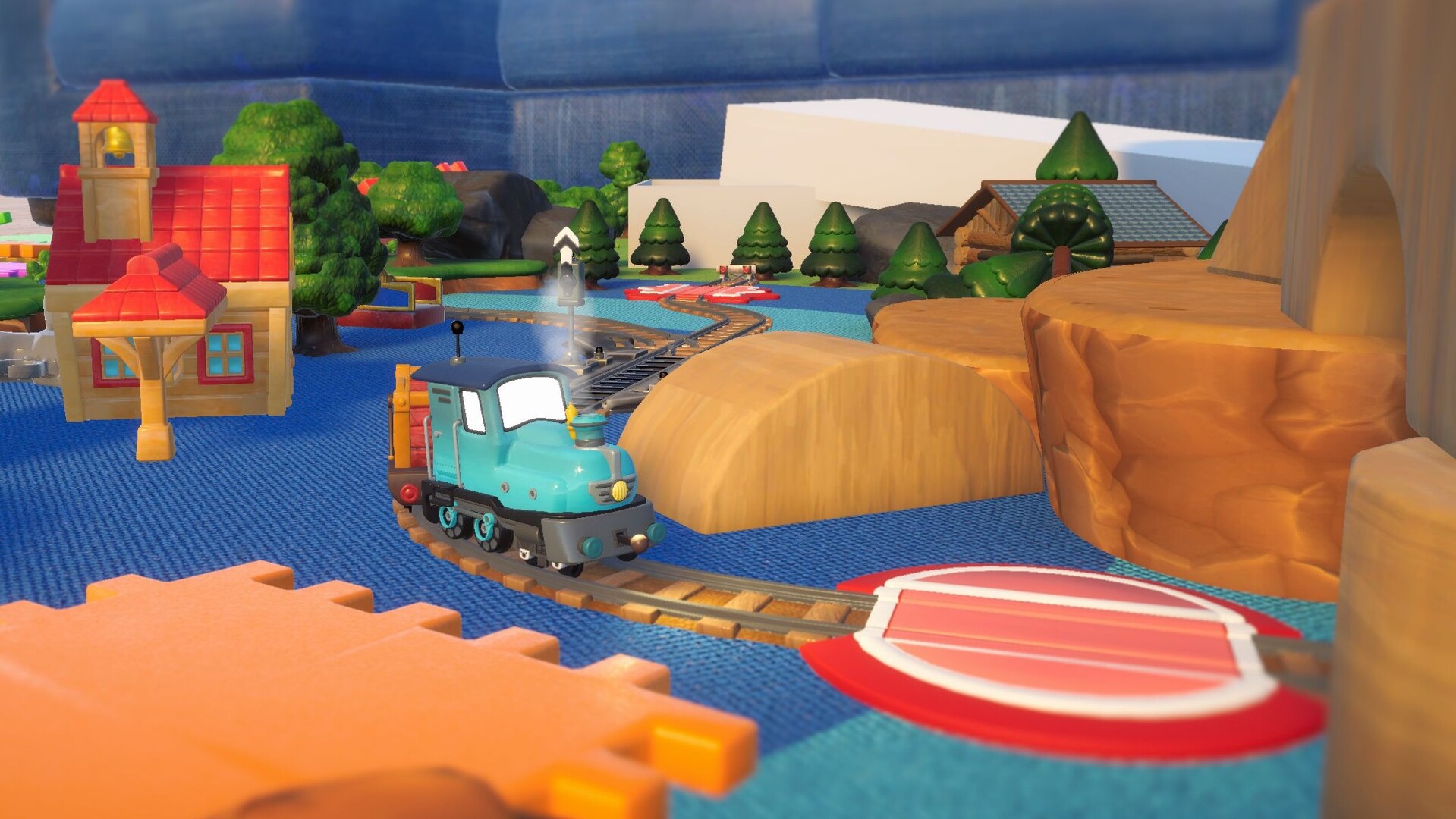
Locomochi is an upcoming puzzle game developed by Gamflix that places players in control of a whimsical locomotive traversing a series of increasingly complex environments. Unlike traditional train simulators that focus on management and logistics, Locomochi is a pure puzzle experience centered on spatial reasoning and mechanical manipulation.
The core gameplay loop involves navigating various train stations, connecting to specific carriages, and delivering them to designated locations. However, the game introduces several departures from the standard "point A to point B" puzzle structure:
- Omnidirectional Movement: Players are encouraged to drive both forward and backward, utilizing the rear of the engine as a primary connection point for wagons.
- Emoji-Based Narrative: In a move toward global accessibility, characters within the game communicate exclusively through emojis, removing language barriers and leaning into a visual-first storytelling method.
- Non-Linear Problem Solving: The game eschews the "one correct path" philosophy. Tracks feature interactive levers, hidden routes, and switches that allow for multiple solutions and experimental play.
- Stress-Free Environment: There are no timers, game-over screens, or "unwinnable" states. The focus is entirely on the "tinkering" aspect of puzzle-solving.
Currently, the game is slated for a PC release via Steam, where it has already opened its store page for community wishlisting.
Chronology: From Concept to Barcelona Showcase
The development of Locomochi follows a trajectory common among modern indie "breakout" titles, where initial mechanical experimentation eventually meets a polished aesthetic designed for a broad audience.
Early Development and Ideation
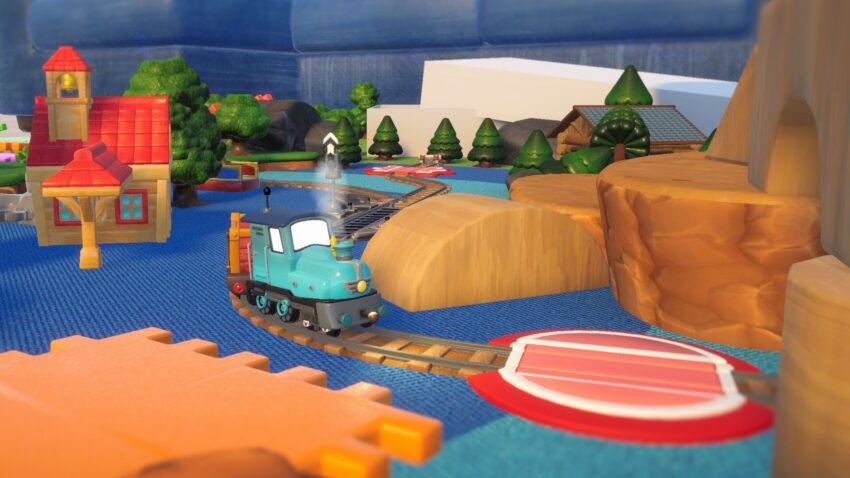
While the exact start date of development remains internal to Gamflix, the project emerged from a desire to iterate on the "train puzzle" sub-genre. Developers noted a saturation of rigid, grid-based rail games and sought to create something that felt more "kinetic" and tactile. The decision to use a "mochi-like" aesthetic—soft edges, vibrant but calming colors, and round character designs—was a deliberate choice to align with the growing "Wholesome Games" movement.
The Reveal Trailer
The public first caught a glimpse of the game through its reveal trailer, which highlighted the fluid animation of the train cars and the interactive nature of the environments. The trailer emphasized the "clicky" satisfaction of connecting carriages, a sensory detail that has become a hallmark of successful indie puzzles like Railbound or Unpacking.
Pocket Gamer Connects Barcelona
The most significant milestone in the game’s public life occurred at Pocket Gamer Connects Barcelona. PGC is a global series of conferences for the mobile and indie gaming industry, known for highlighting titles that bridge the gap between casual accessibility and deep mechanical engagement. Locomochi was showcased here to industry professionals and journalists, receiving praise for its intuitive controls and the surprising depth of its "backwards-driving" mechanic. This event served as the primary catalyst for the game’s current momentum, proving that its minimalist approach resonated with seasoned game critics.
Supporting Data: The Mechanics of Wholesome Engineering
To understand why Locomochi is generating buzz, one must look at the data-driven trends of the puzzle market. The "Cozy" tag on Steam has seen a 400% increase in usage over the last three years, and puzzle games that prioritize "flow state" over "frustration" consistently outperform their high-difficulty counterparts in the indie sector.
The Physics of Connection
In Locomochi, the train is not a static object but a dynamic chain. The game uses a physics-lite system where the weight and length of the train affect how a player must approach a switch or a siding. By allowing the engine to connect to wagons from both the front and the rear, the developers have effectively doubled the spatial possibilities of any given track layout. This "omni-connection" mechanic requires players to think three or four moves ahead, considering which end of the train will be free to pick up the next objective.
Environmental Interactivity
The levels in Locomochi are not merely static backgrounds. They are "digital dioramas" filled with:
- Toggleable Switches: Players must often drive past a goal to hit a switch that opens a gate, then reverse back to complete the delivery.
- Hidden Paths: Exploratory players can find alternative routes that, while not necessary for level completion, offer a more efficient or satisfying way to reach the station.
- Dynamic Obstacles: While not "hazards" in the traditional sense, environmental elements require the player to interact with the world beyond just the tracks.
Linguistic Universality
The use of emojis for dialogue is a strategic choice. According to market research, games that utilize non-verbal or iconic communication have a 30% higher "carry-over" rate into non-English speaking markets without the need for expensive localization. By using universally understood symbols (a heart for a successful delivery, a confused face for a blocked path), Locomochi ensures that its charm is not lost in translation.
Official Response: The Developer’s Philosophy
While Gamflix has remained focused on the production cycle, their presentation at PGC Barcelona and their Steam communications highlight a clear design philosophy. The developers have stated that Locomochi is intended to be a "palate cleanser"—a game that players can return to when they want to engage their brains without the cortisol spike associated with modern competitive gaming.
In responses to early playtester feedback, the team emphasized that the lack of a "fail state" was a non-negotiable pillar of the design. "We want the player to feel like they are playing with a high-quality wooden train set," a representative noted during the Barcelona showcase. This "toy-box" approach to game design is what separates Locomochi from the more clinical, math-heavy rail sims on the market.
Furthermore, the decision to launch on Steam first, despite the game’s obvious suitability for touchscreens, suggests a desire to capture the "core indie" audience before expanding to mobile platforms. This strategy allows the developers to refine the mechanical complexity of the puzzles using precise mouse-and-keyboard or controller inputs.
Implications: The Future of the Indie Puzzle Genre
The emergence of Locomochi carries several implications for the broader gaming industry and the indie development scene.
The "Cozy-fication" of Logic
Locomochi represents a broader trend where traditionally "dry" genres—like logistics, engineering, and programming—are being re-skinned with wholesome aesthetics. This expands the demographic for puzzle games, attracting players who might have been intimidated by the industrial or overly technical look of older train simulators.
The Importance of Industry Showcases
The success of Locomochi at PGC Barcelona underscores the vital role that B2B and hybrid conferences play for indie developers. In an era where the Steam storefront is crowded with thousands of monthly releases, physical showcases allow developers to garner the "human" buzz necessary to drive digital wishlists. For Locomochi, the positive word-of-mouth from Barcelona is the primary engine driving its Steam algorithm performance.
Steam Wishlisting as a Success Metric
As Locomochi currently lacks a firm release date, its primary goal is the accumulation of wishlists. In the current Steam ecosystem, reaching a threshold of 50,000 to 100,000 wishlists is often the difference between a "hidden gem" and a commercial hit. The game’s ability to convert its "wholesome" appeal into these metrics will be a case study for other small-scale developers.
Potential for Expansion
Given the modular nature of the game’s levels and the emoji-based communication, Locomochi is perfectly positioned for post-launch content. The "station-based" structure allows for the easy addition of new biomes, seasonal events, and community-created levels. If the game finds its audience, it could evolve from a standalone title into a long-term platform for "cozy" logic puzzles.
In conclusion, Locomochi is more than just another train game. It is a calculated, beautifully executed attempt to merge the tactile joy of physical toys with the intellectual satisfaction of logic puzzles. By removing the barriers of language and the stress of failure, Gamflix is on track to deliver an experience that resonates with the modern gamer’s desire for mindful, meaningful play. As it moves toward its eventual release, the industry will be watching to see if this little engine that could can indeed redefine the boundaries of the puzzle genre.