Pokémon’s 30th Anniversary: A Disappointing Dive into Nostalgia with the Polaroid Collaboration
Pokémon’s landmark 30th anniversary has been a vibrant celebration, marked by a flurry of high-profile collaborations designed to delight fans across the globe. While some partnerships have seamlessly blended the beloved franchise with relevant brands, the recent Pokémon x Polaroid instant camera collection has left many, including lifelong fans and photography enthusiasts, feeling underwhelmed. This in-depth analysis explores the perceived shortcomings of the collaboration, from design choices to missed opportunities, and examines its potential impact on the brand’s celebratory year.
The Pokémon franchise, a cultural phenomenon that has captivated generations, is currently basking in the glow of its 30th anniversary. This significant milestone has been an opportune moment for the brand to engage in a series of ambitious collaborations, aiming to tap into both its rich history and its enduring appeal. These partnerships have spanned a diverse range of industries, from high-end fashion and gaming accessories to educational institutions and, now, the nostalgic realm of instant photography.
Among these collaborations, several have been met with widespread acclaim. The partnership with the Natural History Museum, for instance, was a stroke of genius. By focusing on fossil Pokémon, it not only resonated with the scientific aspect of discovery inherent in the Pokémon world but also offered a unique educational angle. Similarly, the collaboration with Secretlab, a purveyor of premium gaming chairs, felt intrinsically on-brand, given Pokémon’s deep roots in the video game industry. These successful ventures set a high bar for subsequent collaborations, raising expectations for what the Pokémon brand could achieve when paired with complementary partners.
However, the recent unveiling of the Pokémon x Polaroid instant camera collection has unfortunately fallen short of these elevated expectations. While the prospect of combining the tactile charm of instant photography with the iconic imagery of Pokémon is inherently appealing, the execution of this particular collaboration has been met with criticism for its perceived lack of creativity and missed potential. This analysis will delve into the specific areas where the Pokémon x Polaroid collaboration has faltered, exploring the reasons behind fan disappointment and the broader implications for Pokémon’s anniversary celebrations.
The Promise and the Peril: A Look at the Pokémon x Polaroid Collaboration
The allure of instant photography, with its tangible prints and retro aesthetic, aligns perfectly with the nostalgic spirit of Pokémon’s 30th anniversary. Polaroid, a brand synonymous with instant photography and a rich history of its own, seemed like an ideal partner. The initial announcement of a collaboration between these two giants undoubtedly sparked excitement among fans who grew up with both Pokémon and the magic of Polaroid prints.
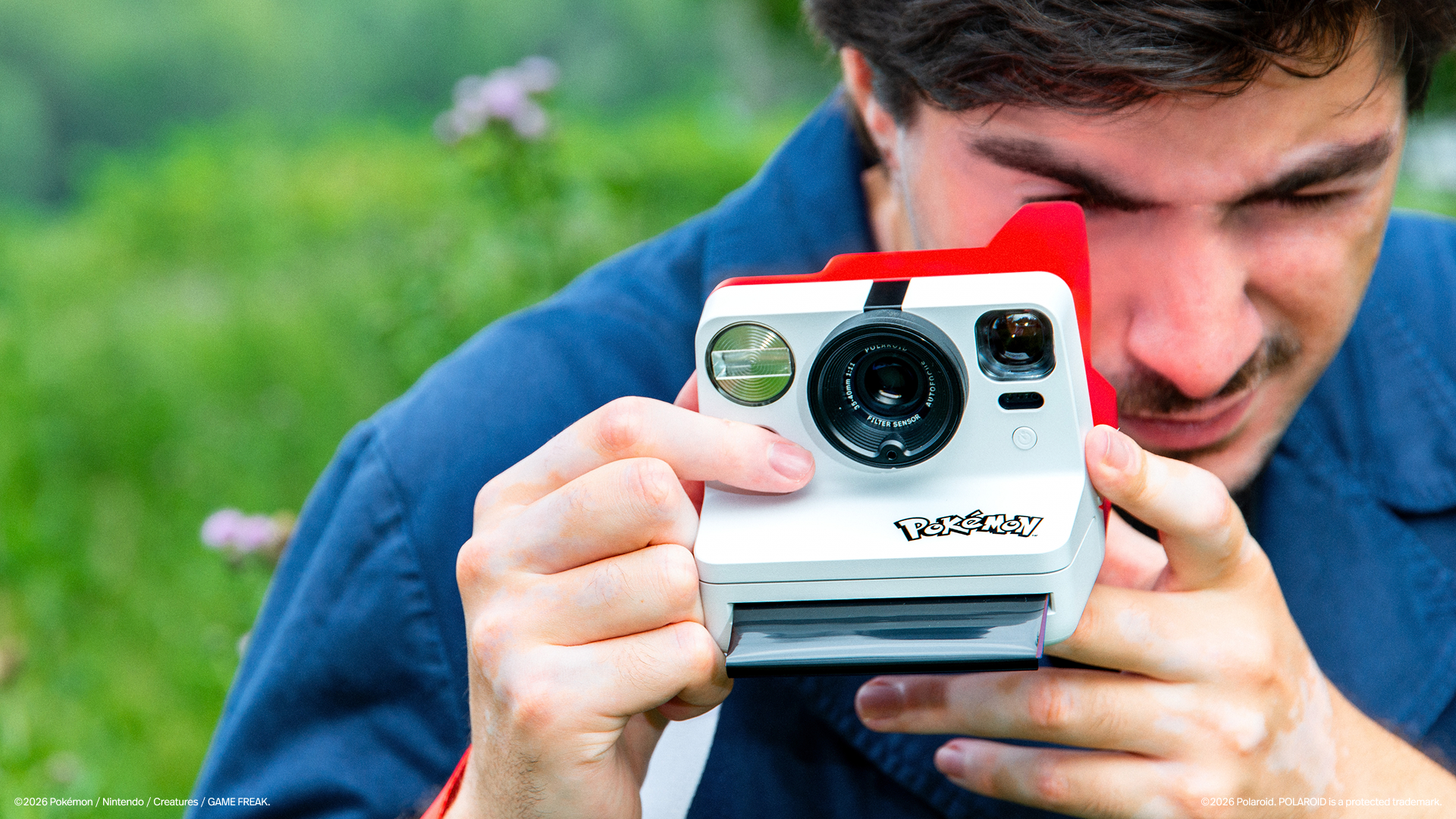
However, upon closer inspection, the collection appears to have prioritized convenience and broad appeal over innovative design and genuine fan engagement. The chosen camera models, particularly the Polaroid Go Gen 3 series, have been a point of contention. For a collaboration aiming to celebrate a legacy franchise, the compact and somewhat juvenile aesthetic of the Go series has been criticized for not fully embracing the grandeur and depth of the Pokémon universe.
Missed Opportunities: The Shadow of Pokémon Snap
A significant point of criticism revolves around the perceived oversight of the franchise’s own legacy in photography-related gaming. The author of the original article pointedly asks if the companies involved have forgotten about "Pokémon Snap," one of the most beloved and iconic games in the franchise’s history. This Nintendo 64 classic, and its more recent Nintendo Switch iteration, centered entirely around capturing in-game photographs of Pokémon in their natural habitats.
The potential for a seamless integration between the Polaroid camera and the Pokémon gaming ecosystem was immense. Imagine a scenario where players could transfer their in-game Pokémon photos to the Polaroid camera for instant printing, or conversely, print photos taken with the Polaroid directly onto their Nintendo Switch. Such a feature would have been a true celebration of the "snap" aspect of Pokémon, offering a tangible and interactive experience that bridges the digital and physical worlds. This direct connection to a beloved gaming mechanic was, in the eyes of many fans, a glaringly obvious missed opportunity.
The Rotom Revelation: A Ghost in the Machine?
Further fueling the disappointment is the suggestion that a more fitting Pokémon character could have been the centerpiece of the camera’s design. The popular Pokémon Rotom, known for its ability to inhabit and control various electronic devices and appliances, was a natural fit that seems to have been overlooked. Rotom’s versatile nature, allowing it to manifest in forms like a washing machine, fan, or even a lawnmower, makes it the perfect candidate for a technology-themed collaboration.
The idea of a Rotom-themed camera, perhaps with different modes or functionalities inspired by its various forms, would have been a far more creative and engaging proposition. This missed opportunity highlights a perceived lack of deeper engagement with the Pokémon lore and its potential for inventive product design. The author’s exasperated plea of "C’mon Pokémon… it was right there!" encapsulates the sentiment of many fans who felt the collaboration designers were not fully leveraging the rich tapestry of the Pokémon world.
Nostalgia’s Double-Edged Sword: Choosing the Right Vintage
The celebration of Pokémon’s 30th anniversary is inherently tied to nostalgia. While Polaroid itself evokes a strong sense of nostalgia for many, the specific models chosen for this collaboration have been questioned. The author suggests that for a project aiming to capture the essence of both Pokémon and vintage photography, a more iconic Polaroid model, such as the Polaroid Supercolour 635, would have been a more fitting choice.
The author’s personal ownership and appreciation for the "gorgeous" Polaroid Supercolour 635 underscores the argument that a camera with a more pronounced retro aesthetic would have amplified the nostalgic appeal of the collection. The Polaroid Go series, while functional, is perceived by some as too modern and less evocative of the golden age of instant photography that many associate with both Pokémon’s early days and Polaroid’s heyday.
A Closer Look at the Designs: Pikachu, Sylveon, and the Pokeball
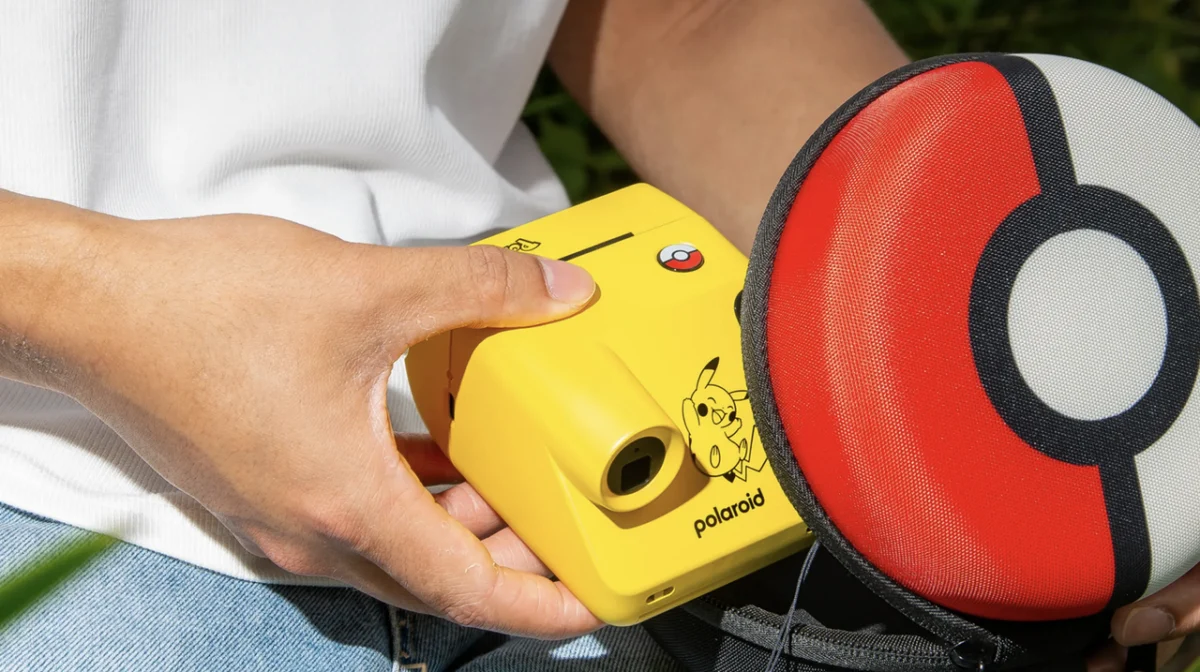
The Pokémon x Polaroid collection features three distinct camera editions: Pikachu, Sylveon, and a Pokeball design. While each aims to incorporate Pokémon elements, their execution has been met with mixed reactions.
The Pikachu Edition: Cute, But Lacking Depth
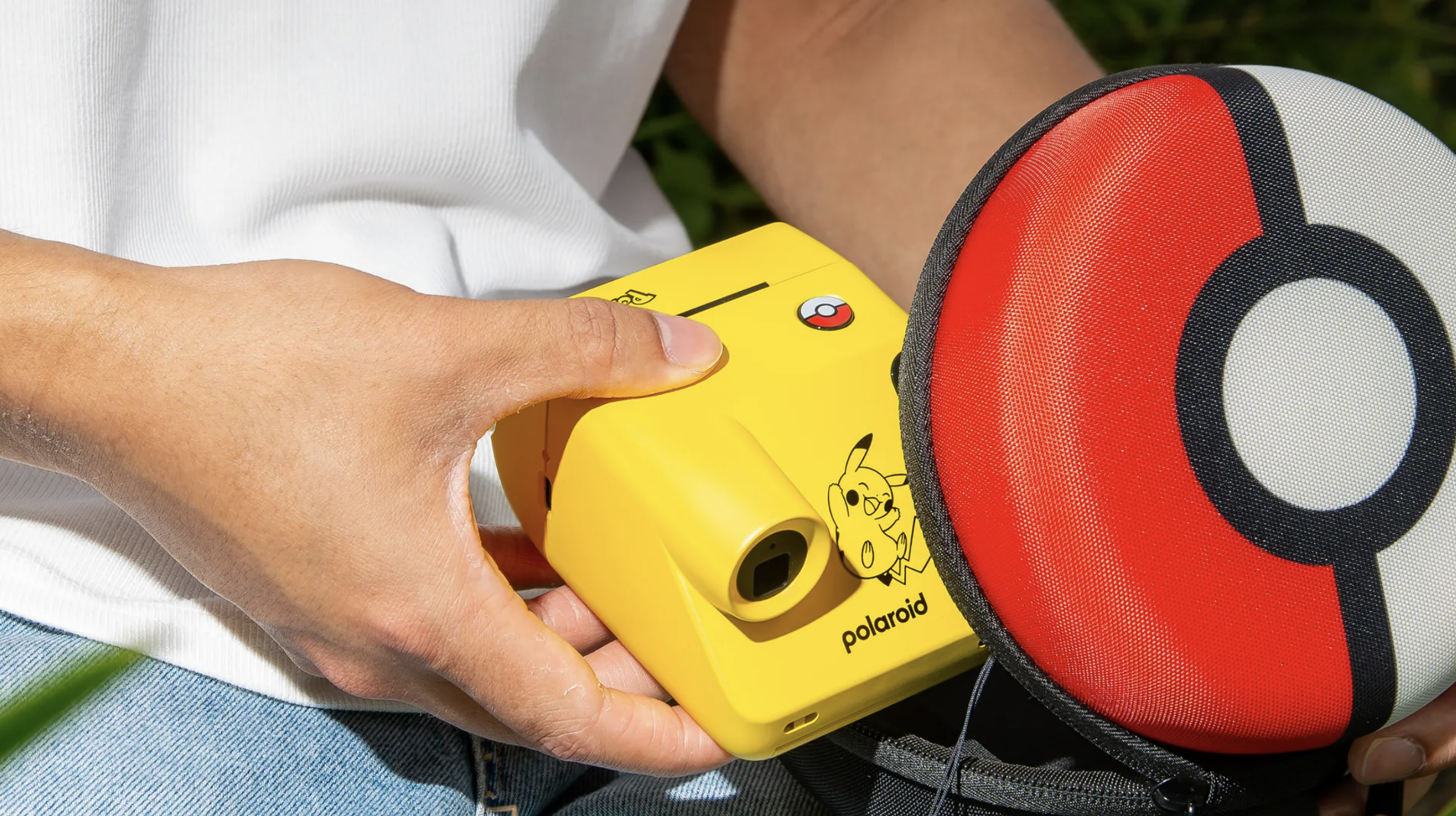
The Pikachu Edition Polaroid Go Gen 3 camera, while undeniably cute, has been criticized for its limited design features. The inclusion of a Pikachu tail strap and a Pokeball-shaped shutter button are acknowledged as positive touches. However, the overall design is seen as somewhat superficial, lacking the deeper thematic integration that a more dedicated fan might expect.
The author expresses a sentiment that this edition, while perhaps appealing to collectors, might feel "silly to use in public." This suggests a disconnect between the intended functionality of a camera and the perceived social acceptability of using a highly stylized, character-specific device. The desire for a more robust and less overtly "toy-like" aesthetic seems to be a common thread in the critique of these editions.
The Sylveon Edition: A Ribbon Too Far?
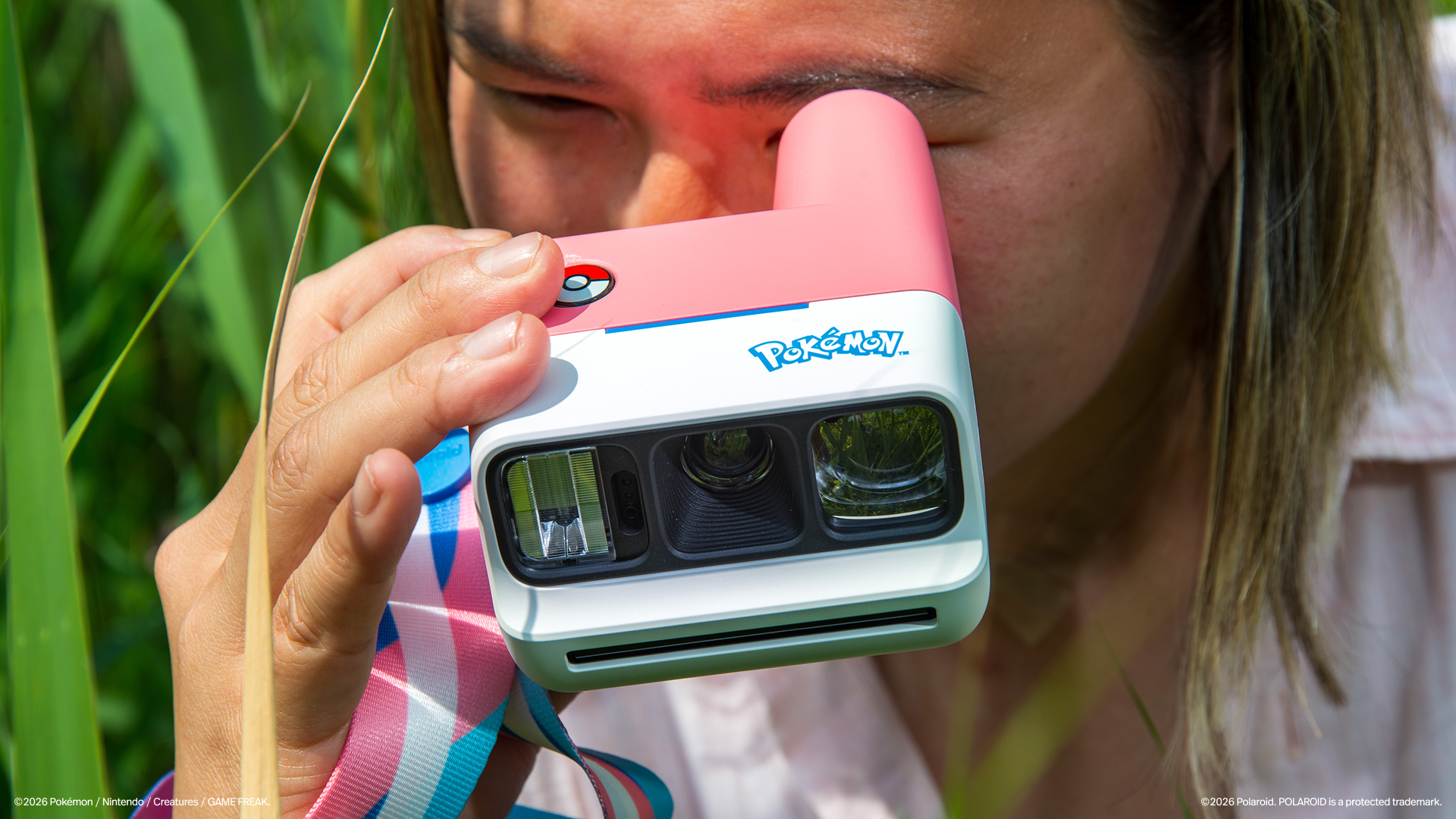
The Sylveon Polaroid Go Gen 3 camera has drawn particular criticism for its perceived laziness in design. The primary nod to Sylveon, a ribbon-like Pokémon, is the inclusion of a colored ribbon strap. This approach is seen as a minimal effort, failing to capture the essence of the Pokémon beyond a superficial accessory.
Suggestions for improvement include the addition of Sylveon-inspired ears on the camera body or even a bead charm, elements that would have more creatively integrated the character into the physical design of the device. This criticism highlights a desire for more imaginative and immersive design choices that go beyond simple color palettes and basic accessories.
The Pokeball Edition: A Clear Winner?
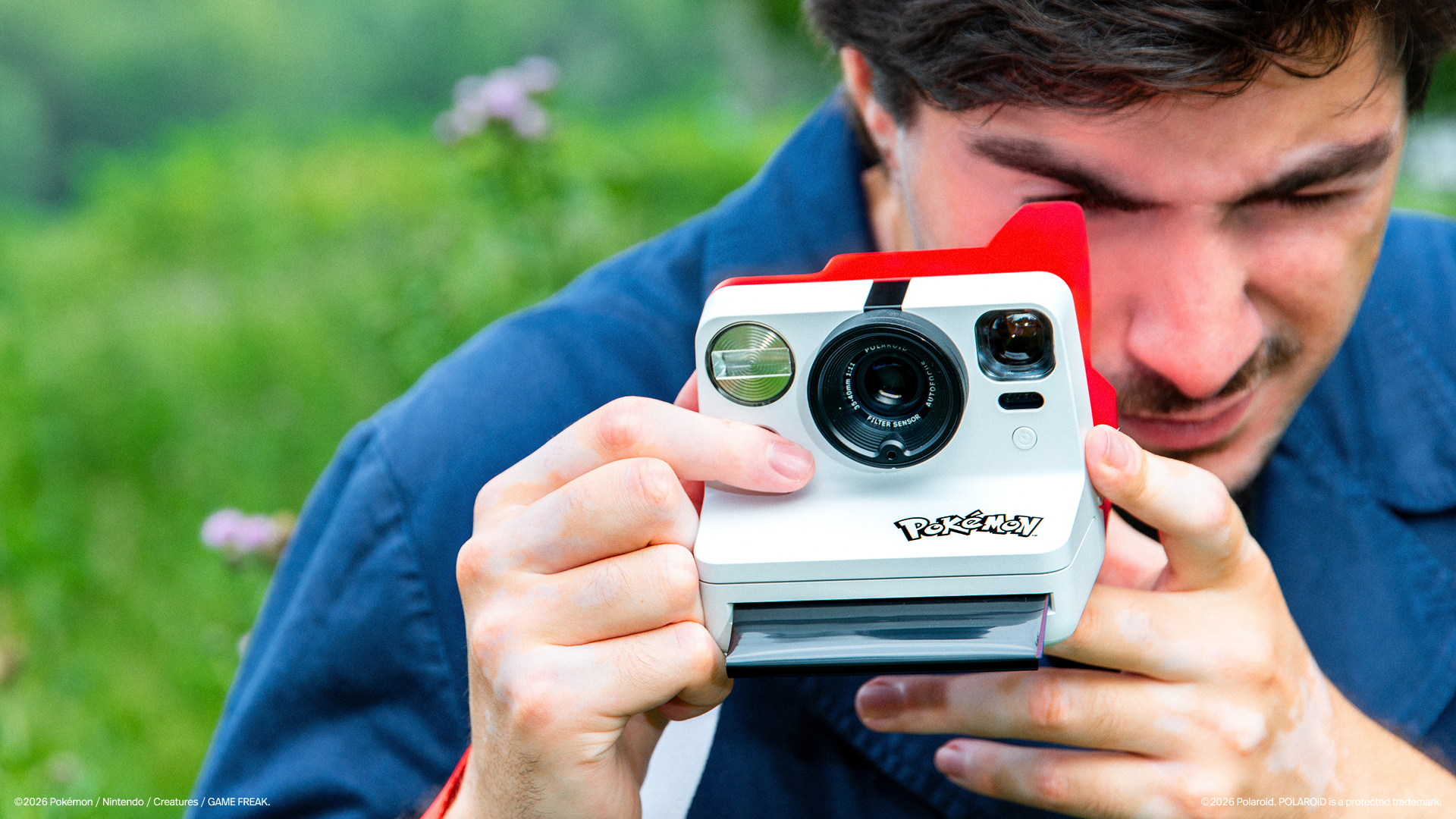
In contrast to the Pikachu and Sylveon editions, the Pokeball Edition has been met with more favorable reception. This model utilizes the slightly larger Polaroid Now Gen 3 camera, offering more design potential. The author praises the Pokeball theme, noting that the accompanying strap complements the camera "beautifully" rather than feeling like an afterthought.
This edition is seen as successfully leaning into the Pokeball theme without resorting to excessive subtlety, a critique leveled against the other two models. The Pokeball design, being a universally recognized symbol of the Pokémon franchise, appears to have provided a more solid and cohesive design foundation for the collaboration.
The Accessories: A Ray of Hope?
While the camera designs have been a source of contention, the accompanying Pokémon x Polaroid accessories have been largely well-received. The film designs, featuring collectable Pokémon silhouettes on the darkslides, are considered a highlight of the collection. The Pokeball-themed accessories, in particular, are seen as a perfect match for the overall aesthetic and theme of the collaboration.

This positive reception suggests that when the design team focused on elements that directly complement the core Pokémon branding, they were able to achieve a more satisfying result. The success of these accessories offers a glimmer of hope, demonstrating that the collaboration is not entirely without merit.
Supporting Data and Official Responses
As of the current reporting, official statements from The Pokémon Company and Polaroid regarding the specific criticisms of the design choices have not been extensively detailed. However, the initial press releases and product descriptions emphasize the celebration of nostalgia and the joy of capturing memories.
The pricing structure reveals a notable difference between the camera models. The Pokeball Edition, utilizing the larger Polaroid Now Gen 3, is priced at $139.99 / £129.99, while the more compact Pikachu and Sylveon Polaroid Go Gen 3 Editions are priced at $99.99 / £89.99. This price disparity likely reflects the difference in the camera bodies themselves, with the larger model offering more advanced features and a more substantial build.
Implications for Pokémon’s 30th Anniversary
The Pokémon x Polaroid collaboration, despite its perceived shortcomings, represents a significant moment in the franchise’s ongoing 30th-anniversary celebrations. While successful partnerships like the Natural History Museum and Secretlab collaborations have set a high standard, this particular venture highlights the challenges of balancing broad commercial appeal with deep fan engagement and creative innovation.
The criticism leveled against the Polaroid collection serves as a valuable lesson for future collaborations. It underscores the importance of:
- Deep understanding of the brand’s heritage: Leveraging iconic elements like "Pokémon Snap" and characters like Rotom can lead to more meaningful and engaging products.
- Creative design execution: Moving beyond superficial aesthetics to incorporate thematic elements in imaginative ways can elevate a collaboration from mundane to memorable.
- Target audience consideration: While broad appeal is important, understanding the nuances of the fanbase, including their appreciation for specific eras and gaming experiences, can lead to more resonant products.
Ultimately, the Pokémon x Polaroid collaboration, while not without its positive aspects, serves as a cautionary tale. It demonstrates that even with a beloved franchise and a venerable partner, a lack of thoughtful design and a failure to capitalize on unique opportunities can lead to a less-than-stellar outcome. As Pokémon continues its anniversary year, fans will undoubtedly be looking for more inspired and innovative collaborations that truly capture the magic and enduring legacy of the franchise. The hope is that this experience will inform future partnerships, ensuring that the remaining celebrations are as impactful and memorable as the Pokémon brand deserves.