The State of the Graphic Arts: Marvel’s Westward Migration and the Politics of Publishing
As the comics industry reaches its "spiritual halfway point" for 2026, the landscape is being reshaped by seismic corporate shifts, ethical controversies, and the passing of foundational legends. With the San Diego Comic-Con (SDCC) looming on the horizon, the past week has served as a microcosm of the tensions currently defining the medium: the tension between corporate streamlining and creative legacy, and the increasingly complex intersection of historical education and contemporary geopolitics.
Main Facts: A Week of Structural and Ethical Upheaval
The most significant industry news involves Marvel Comics, which officially announced its departure from its historic home in New York City. The "House of Ideas," a fixture of Manhattan since its inception as Timely Publications in 1939, will relocate its primary offices to Los Angeles to integrate more closely with Disney’s wider Marvel central headquarters. This move is accompanied by a major leadership shuffle: Stephen Wacker will succeed C.B. Cebulski as Editor-in-Chief, while Cebulski transitions to a Japan-based role focused on Marvel’s expanding manga initiatives.
Simultaneously, Dark Horse Comics finds itself at the center of a censorship debate. Allegations surfaced regarding the cancellation of a new edition of Rafael Medoff’s Cartoonists Against the Holocaust. Reports suggest the project was shelved after Medoff refused to include editorial commentary regarding recent Israeli state violence and the ongoing crisis in Gaza. Dark Horse has countered these claims, citing internal restructuring and scheduling conflicts as the primary drivers for the cancellation.
In the world of comics education and labor, a Change.org petition launched by artist Georgia Webber has cast a spotlight on the Sequential Artists Workshop (SAW). The petition alleges a lack of accountability from Executive Director Tom Hart and the Board of Directors following the abrupt termination of Webber’s teaching contract.
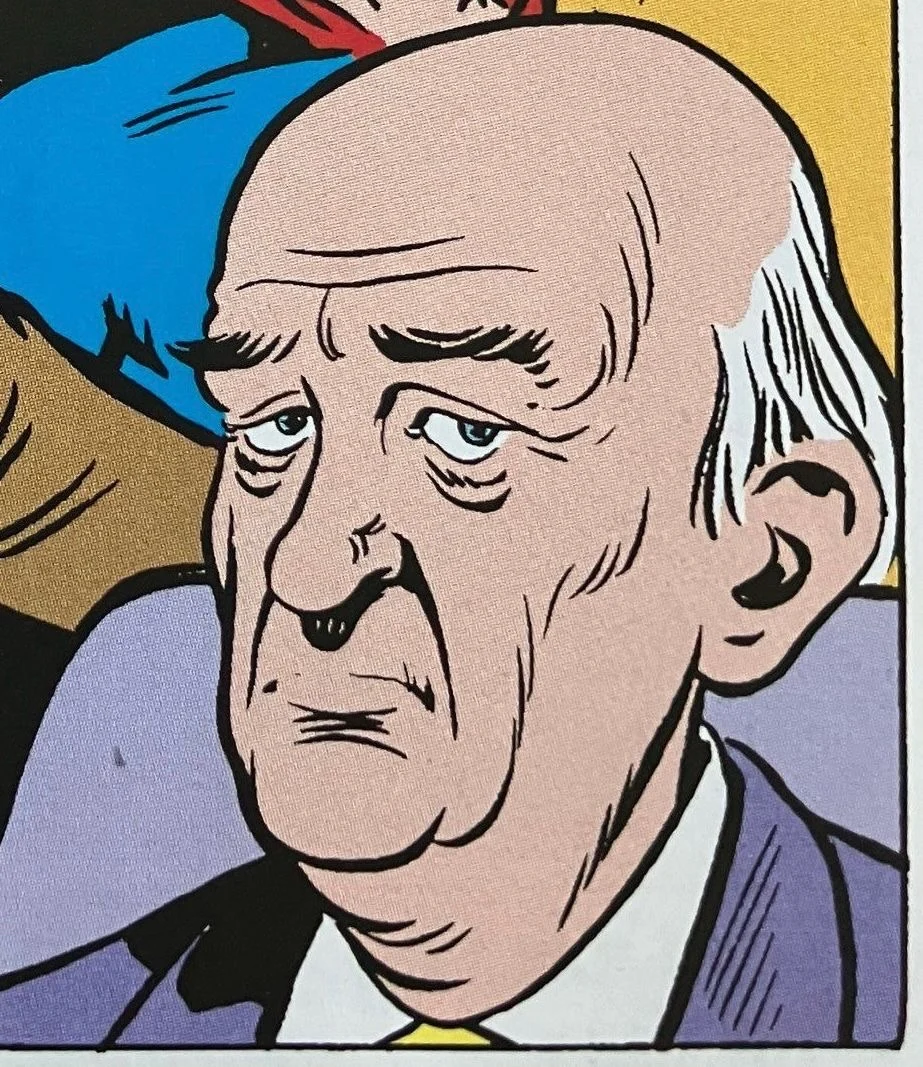
Finally, the industry mourns the loss of Pat Oliphant, the Pulitzer Prize-winning political cartoonist. Oliphant, whose career spanned over sixty years and defined the visual language of American political satire, passed away at the age of 90 due to age-related health issues.
Chronology: The July 2026 News Cycle
The events of the past week unfolded against the backdrop of a successful independent scene, contrasted by corporate contraction.
- July 10–12: The Peckham comics event in London concludes with record attendance, signaling a robust appetite for independent and creator-owned works despite broader economic pressures.
- July 12: Reports begin to circulate regarding the Dark Horse/Medoff dispute. The Daily Cartoonist and other outlets begin compiling op-eds as the community debates the role of publishers in framing historical narratives.
- July 13: The New York Times confirms the death of Pat Oliphant, triggering a wave of retrospectives on his acerbic wit and technical mastery of the editorial cartoon.
- July 15: The Hollywood Reporter breaks the news of Marvel’s relocation. The announcement follows an April report detailing an 8% reduction in Marvel’s workforce as part of a broader Disney "streamlining" effort.
- July 16: Industry veterans and critics begin analyzing the implications of Stephen Wacker’s appointment and the strategic pivot toward the Japanese manga market under Cebulski.
- July 17: The Comics Journal and other critical outlets release their weekly roundups, highlighting the contrast between the corporate "Westward Move" and the ongoing labor disputes in the nonprofit sector (SAW).
Supporting Data: Corporate Shifts and Critical Reception
Marvel’s Relocation and Personnel Changes
The move to Los Angeles is more than a change of zip code; it represents the final stage of Marvel’s integration into the Hollywood ecosystem. Since Disney’s acquisition of Marvel in 2009, the center of gravity has steadily shifted toward Burbank.
- Workforce Impact: The April 2026 layoffs affected approximately 8% of the staff, primarily in editorial and production roles.
- The Manga Strategy: C.B. Cebulski’s move to Japan is a calculated response to the massive global growth of manga. By placing a former EiC in Tokyo, Marvel signals an intent to move beyond mere licensing and into direct co-production and original "manga-first" content.
The Critical Landscape: Reviews and Retrospectives
While the corporate world shifted, the critical world focused on "Clown Logic" and "Metadoggoz."
- Retrospective Analysis: Anya Davidson, writing for TCJ, revisited the 40th anniversary of James O’Barr’s The Crow. Her essay serves as a rebuttal to historical criticisms of the work’s violence, arguing instead that the comic is a profound meditation on the inevitability of suffering.
- Contemporary Highlights: Bérénice Motais de Narbonne’s Metadoggoz (translated by Montana Kane) received high praise for its "shockingly mature" art and masterful use of negative space, proving that the black-and-white aesthetic remains a potent force in modern comics.
- Mainstream Evolution: DC’s Nightwing #140 and Dark Knights of Steel II #1 were highlighted by AIPT for their "perfect intensity" and "ambitious beginnings," suggesting that despite corporate reshuffling, the quality of flagship superhero titles remains a priority.
Official Responses and Publisher Counter-Claims
The controversy surrounding Cartoonists Against the Holocaust has elicited conflicting narratives from the parties involved.
The Medoff Camp: Claims have been made that the refusal to "contextualize" a book about the Holocaust with contemporary commentary on Gaza led directly to the book’s cancellation. This has sparked a fierce debate about "editorial intervention" versus "censorship."
Dark Horse Comics Official Statement: Dark Horse has officially denied that the cancellation was politically motivated. The publisher maintains that the decision was a result of "scheduling issues" and a broader internal restructuring. This restructuring has seen several high-profile departures and a consolidation of imprints over the last eighteen months.
The Sequential Artists Workshop (SAW): As of this report, the Board of Directors at SAW has remained silent regarding Georgia Webber’s petition. The petition, which calls for "a better Sequential Artists Workshop," highlights a breakdown in communication between the administration and its teaching staff. Executive Director Tom Hart has not issued a public rebuttal to the claims regarding the cancelled podcast project or the termination of Webber’s contract.
Implications: The End of an Era and the New Frontier
The events of this week carry profound implications for the future of the medium.
1. The Death of the New York Comic Hub
For nearly a century, New York City was the undisputed capital of the comic book world. With Marvel joining DC Comics in California, the "New York style" of editorial collaboration—historically characterized by proximity to the printing districts and the grit of the city—has officially transitioned into a corporate, studio-adjacent model. This may lead to a further homogenization of the "Marvel Style" as it aligns more closely with film and television production cycles.
2. The Geopolitics of Historical Memory
The Dark Horse controversy underscores a growing trend where publishers feel pressured to link historical educational materials to current political conflicts. This suggests a shrinking space for "neutral" historical reprints, as both creators and publishers navigate an increasingly polarized social landscape.
3. Labor and Accountability in Indie Spaces
The petition against SAW reflects a broader "reckoning" within the independent comics community. As small-press organizations grow and seek nonprofit status, they are being held to professional standards of transparency and labor rights that were previously ignored in the "DIY" era. The outcome of the SAW dispute will likely serve as a bellwether for other comics-focused educational institutions.
4. The Global Pivot
C.B. Cebulski’s relocation to Japan is perhaps the most forward-looking move of the week. It acknowledges that the future of the "graphic novel" is increasingly defined by Eastern aesthetics and distribution models. If Marvel successfully integrates its IP into the Japanese market through original manga production, it could fundamentally alter the global hierarchy of comic book publishing.
As the industry prepares to descend upon San Diego, these stories of migration, loss, and protest serve as a reminder that while the "spirit of the ginormo-event" remains, the foundations of the business are in a state of constant, often painful, evolution. The transition from the "spiritual halfway point" of the year into the frenzy of the convention season will likely see these tensions reach a boiling point.