The Tactile Avant-Garde: How SoHo’s Furry Puppet Studio Reclaims Surrealism through Foam and Fleece
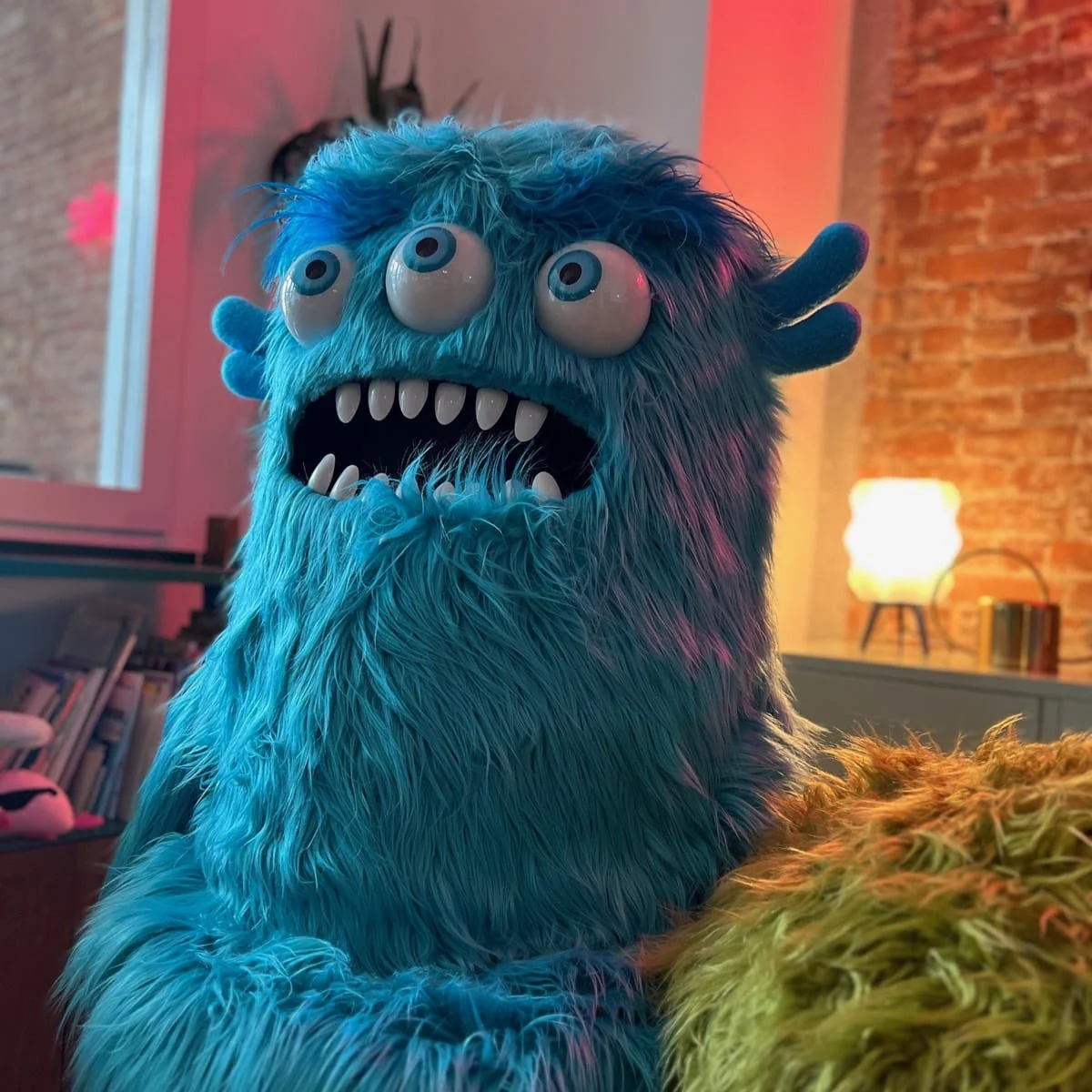
In an era dominated by generative pixels and seamless CGI, a nondescript studio on Broadway in SoHo, Manhattan, is staging a quiet revolution of the tangible. Furry Puppet Studio, a design house specializing in the hand-fabrication of custom creatures and puppets, operates at the intersection of high-end craftsmanship and psychological provocation. While the term "puppetry" often evokes notions of childhood whimsey, the work emerging from this studio—and the lineage it draws from—suggests a more profound classification: the puppet as a primary instrument of surrealist art.
By examining the studio’s portfolio alongside the experimental history of Jim Henson and the street-level "ambush surrealism" of Big Nazo, we can trace a narrative of how physical objects are used to breach the boundaries between the mundane and the marvelous.
Main Facts: The Artisans of the "Impossible"
Furry Puppet Studio, founded by Zack Buchman, has become a premier destination for directors and brands seeking "unusual work" that cannot be replicated by digital means. The studio’s output is characterized by a specific aesthetic tension: the creatures are undeniably artificial, yet they possess an ontological weight that demands the viewer acknowledge them as living entities.

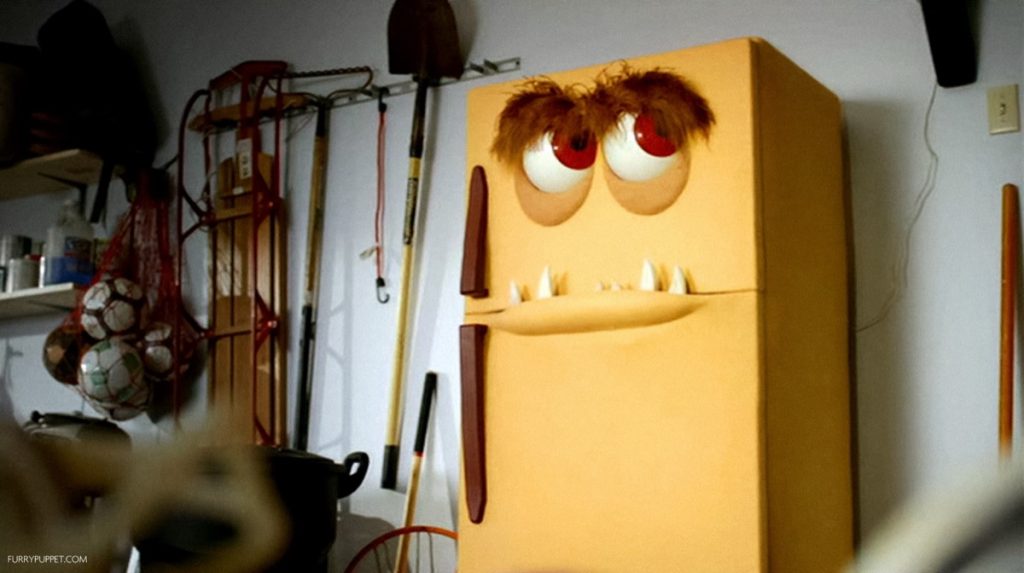
The studio’s operations are defined by a bespoke, in-house methodology. Unlike industrial fabrication shops, every creature begins as a solid block of foam. This foam is hand-carved by artisans—including a lead carver whom Buchman likens to a real-life Edward Scissorhands—using a process that allows for no "undo" function. Every cut is permanent, requiring a level of decisive confidence rarely seen in modern digital design. Once the form is established, it is wrapped in "Dream Fleece," a proprietary fabric manufactured exclusively by the studio to achieve a texture that absorbs light and suggests organic warmth.
The team behind these creations represents a cross-disciplinary fusion of engineering and high fashion. Notable among them is Polly Smith, a legendary costume designer and the co-inventor of the sports bra, whose expertise in structural garment design allows the studio to create puppets that move with the fluid complexity of human anatomy.
Key Projects and Cultural Impact
The studio’s catalog serves as a gallery of modern surrealism:
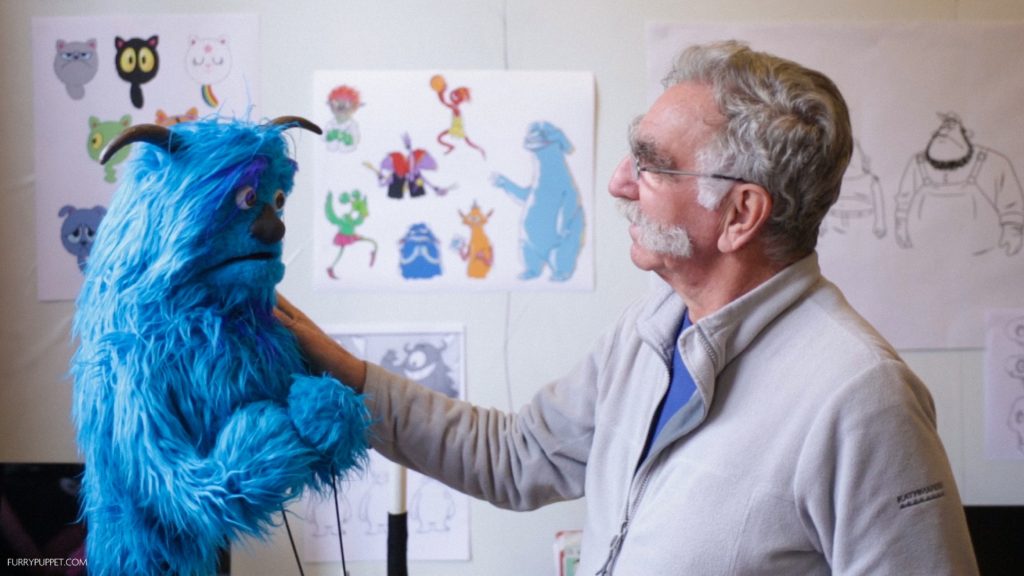
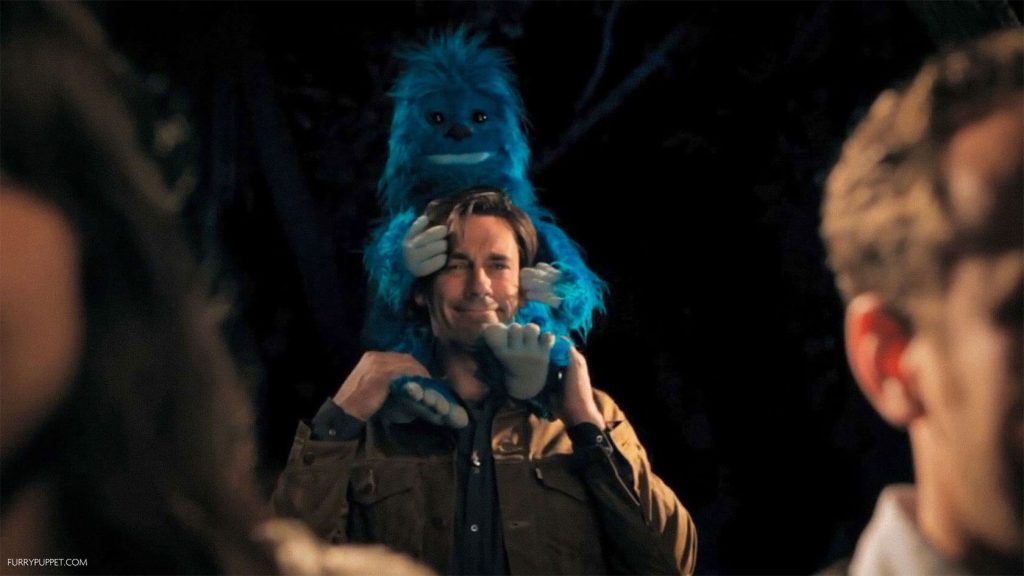
- The Yeti of the Night: For a Herman Düne music video, the studio created a blue, lovelorn yeti. In a scene featuring actor Jon Hamm, the creature’s power lies in its stillness—a "marvelous" intrusion into an ordinary roadside setting that remains unremarked upon by the human characters.
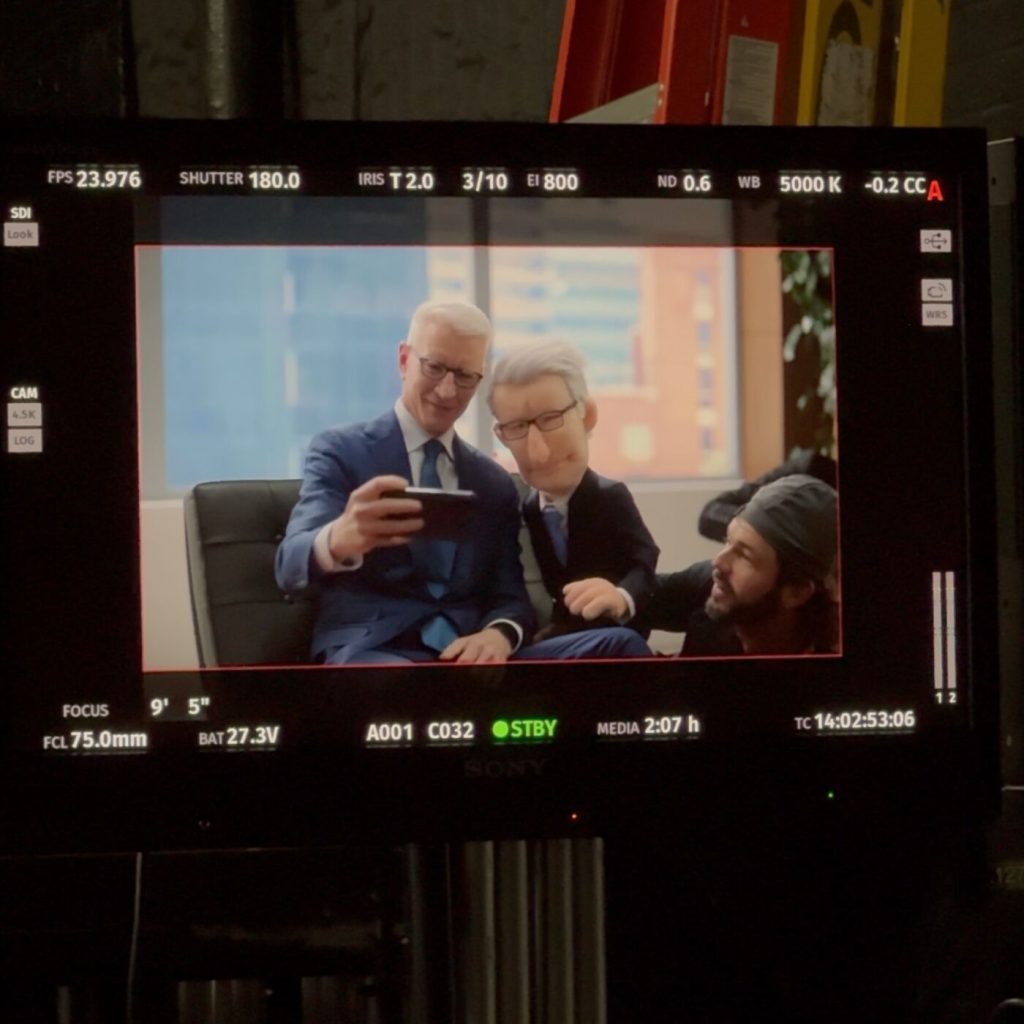
- The Doppelgänger Effect: For CNN’s New Year’s Eve broadcast, the studio produced puppet doubles of Anderson Cooper and Andy Cohen. These "foam twins" tapped into the Freudian concept of the uncanny, where the replica and the original share the same space, blurring the line between the person and the object.
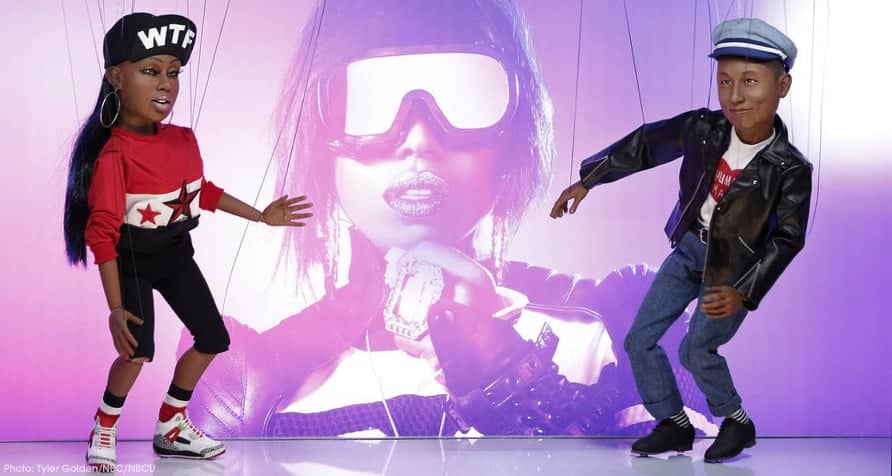
- Engineering Movement: For Missy Elliott and Pharrell Williams’ "WTF (Where They From)" music video, the studio reengineered the internal mechanics of marionettes so that professional street dancers could "drive" them, translating complex hip-hop choreography into the jerky, hypnotic movements of puppets.
Chronology: The Evolution of the Surrealist Puppet
To understand Furry Puppet Studio, one must look back at the avant-garde roots of the medium, specifically the work of Jim Henson and the emergence of Big Nazo.
1965: Henson’s Experimental Dawn
Long before Sesame Street, Jim Henson was an experimental filmmaker. In 1965, he released Time Piece, a nine-minute short film with no dialogue. Nominated for an Academy Award and screened at the Museum of Modern Art, the film utilized pure associative logic—clocks, heartbeats, and a gorilla on a pogo stick—to explore the passage of time. This established the puppet maker not as a children’s entertainer, but as a surrealist working in the tradition of Salvador Dalí and Luis Buñuel.
1982: The Dark Crystal and the Rejection of the "Safe"
Henson’s commitment to the "weird" culminated in The Dark Crystal. Dissatisfied with the studio’s desire to "sand down" the darker, more frightening elements of the film, Henson reportedly bought the rights himself to ensure the vision remained intact. This proved that the puppet could be a vessel for complex, adult-oriented surrealism.
1986: Big Nazo and the "Puppet Show Without a Stage"
In Providence, Rhode Island, Erminio Pinque, a RISD-trained illustrator, founded Big Nazo. Moving away from the controlled environment of the theater, Big Nazo took nine-foot-tall foam aliens into the streets. This was "public ambush" surrealism, designed to disrupt the ordinary flow of urban life with unannounced "creature dance parties."
2010s–Present: The SoHo Synthesis
Furry Puppet Studio has taken these disparate threads—Henson’s experimentalism and Big Nazo’s tactile boldness—and refined them for the high-definition era. They have moved the "uncanny" from the street corner to the global screen, providing the physical "proof" for campaigns by Apple and major musical artists.
Supporting Data: The Mechanics of the Uncanny
The success of these puppets is not accidental; it is rooted in the psychological phenomenon of the "Uncanny Valley," a term coined by roboticist Masahiro Mori in 1970.
| Element | Surrealist Function | Technical Implementation |
|---|---|---|
| The Eyes | The Hinge of Life | 3D-printed or hand-painted spheres, placed last to determine the creature’s "soul." |
| Dream Fleece | Tactile Reality | Proprietary textile manufacturing to eliminate the "plastic" look of commercial toys. |
| Foam Carving | Permanent Intent | Hand-sculpting from solid blocks to create unique, non-symmetrical features. |
| Mechanical Insides | The "Ghost in the Machine" | Custom-built joints and rods that allow for micro-expressions and human-like gestures. |
The studio’s work for Apple Japan illustrates the power of this data. For a two-year campaign, characters were carved in New York and shipped to Tokyo to be seated on public benches next to their human models. The goal was to achieve a perfect 1:1 ratio of presence, where the "copy" held as much visual weight as the "original."
Official Responses: Philosophy from the Bench
The practitioners of this craft view their work as a rejection of the "undo" culture of digital art. Zack Buchman often speaks about the "moment of the hinge"—the fractional adjustment of an eyelid or a pupil that transforms a piece of foam into a sentient-looking being.
"Everything happens in-house," Buchman notes, emphasizing the artisanal nature of the SoHo studio. He describes the goal as the instant "disbelief clicks off." This is not merely a technical milestone; it is the core objective of the Surrealist Manifesto: to resolve the previously contradictory conditions of dream and reality.
Erminio Pinque of Big Nazo echoes this sentiment, focusing on the beauty of the "wonderful failure." He argues that the accidents—the things that go wrong when a nine-foot foam monster interacts with a crowd—are where the true surrealist juxtapositions occur. This aligns with the surrealist concept of automatism, where the artist trusts the "accident" over the premeditated plan.
Implications: Why the Physical Object Matters in a Digital Age
The persistence of Furry Puppet Studio in the heart of SoHo—one of the world’s most expensive real estate markets—is a testament to the enduring value of the physical object. There are several implications for the future of art and media:
1. The Weight of Presence
As AI-generated imagery becomes indistinguishable from reality, the audience’s "bullshit detector" is becoming more acute. There is a subconscious recognition of "weight" and "mass" that CGI often struggles to replicate. A puppet like the Herman Düne yeti has a physical presence that grounds the surreal image in reality, making the "marvelous" feel more threatening or more poignant because it is actually there.
2. The Avant-Garde Instrument
The lineage from Henson to Furry Puppet confirms that the puppet is an avant-garde instrument that was simply "borrowed" by children’s television for a few decades. Its true power lies in its ability to manifest the uncanny, the doppelgänger, and the animated object—the very pillars of surrealist thought.
3. The Future of Fabrication
The studio’s reliance on "Dream Fleece" and hand-carving suggests that the future of high-end art may lie in "hyper-craft." As digital tools become democratized, the "no-undo" confidence of a master foam carver becomes a rare and highly sought-after commodity.
In conclusion, Furry Puppet Studio is not merely a vendor of props; it is a sanctuary for the surreal. By maintaining a room on Broadway filled with foam shavings, hand-sculpted eyes, and the "Dream Fleece" of the imagination, Zack Buchman and his team ensure that the marvelous continues to erupt into our ordinary world—one hand-carved creature at a time. For those seeking the "impossible," the catalog at furrypuppet.com serves as a reminder that the most convincing dreams are those you can actually hold.