Echoes of the Past: Unearthing the Power of Early Memories in Storytelling
The Kill Zone Blog – August 15, 2026 – In the intricate tapestry of human experience, memories serve as both anchors and compasses, guiding our present and shaping our future. For writers and readers alike, these internal archives hold immense power, capable of evoking profound emotions and sparking creative endeavors. Today, the Kill Zone Blog delves into the profound impact of our earliest recollections, posing a vital question: What is your foundational memory, and how has it woven itself into the fabric of your narrative?
The act of reading is inherently a journey through memory. As we immerse ourselves in fictional worlds, characters’ plights and triumphs often trigger a cascade of personal associations. A protagonist’s poignant loss might unearth the chilling fear of a child wandering astray in a crowded marketplace, or a narrative of romantic heartbreak could resonate with the lingering ache of a past dissolution. These visceral connections, born from our own life experiences, are what imbue literature with its potent emotional resonance.
This exploration is particularly resonant for the blog’s author, whose earliest, most vivid memory is a stark testament to the fragility of life and the enduring strength of familial bonds. The recollection, etched in the mind from the tender age of five, centers on a terrifying incident involving her younger sister.
A Childhood Trauma and its Enduring Legacy
The memory unfolds with a chilling clarity: the author, then a young girl, watched in horror as her two-year-old sister slipped on the icy pathway outside their home, striking her head with a sickening thud and falling unconscious. The immediate aftermath was fraught with panic. Their father, a figure of immediate rescue, rushed to his daughter’s side, cradling her limp form. The author and her six-year-old brother, gripped by a child’s primal fear, believed their sister had died, paralyzed by terror and too afraid to enter the house. The palpable relief that washed over them upon hearing voices – their mother, father, and the faint cries of their baby sister – signaled a return from the precipice of unimaginable loss. Seeing their sister sitting up in their mother’s arms was a moment of profound solace, a stark contrast to the terrifying void they had momentarily inhabited.

This traumatic event, though occurring in early childhood, has cast a long shadow over the author’s life and creative output. Thirty years after this harrowing incident, her sister did indeed pass away. The profound grief and the complex emotional landscape that accompanied this loss were not merely personal trials; they became deeply ingrained elements that have been explored and transmuted through her literary works. The author reveals that her sister’s passing, and the myriad memories associated with her life, have been infused into her novels in various, often subtle, ways. This deeply personal connection amplifies the significance of this earliest memory, especially as her sister’s birthday approaches, rendering the act of sharing this recollection even more precious.
The Creative Catalyst: Weaving Personal Threads into Narrative
The author’s personal narrative serves as a powerful illustration of how formative experiences, even those tinged with trauma, can become potent wellsprings for creative expression. The question posed to the Kill Zone readership extends beyond a simple reminiscence; it invites a profound examination of the writer’s craft and the deeply personal wellsprings from which it draws.
What is your earliest memory? This question, seemingly straightforward, demands introspection and courage. It asks us to revisit the nascent stages of our consciousness, to unearth those foundational impressions that may have shaped our perceptions and predispositions. These memories, whether they are bathed in the warm glow of childhood joy or shadowed by the stark realities of hardship, hold the raw material of our identities.
And how have you worked it into your story? This is the crucial follow-up, the bridge between personal experience and public art. For writers, the act of transforming lived experience into narrative is a process of distillation, interpretation, and artistic reconstruction. It involves selecting specific details, imbuing them with emotional weight, and integrating them seamlessly into a fictional framework. This can manifest in numerous ways:
- Direct inspiration: A scene or character in a novel might be a direct reflection of a remembered event, albeit fictionalized.
- Thematic resonance: The core emotions or themes of an early memory – fear, loss, love, resilience – might be explored through entirely different characters and circumstances.
- Sensory details: A specific smell, sound, or visual from a childhood memory might be used to create atmosphere or evoke a particular mood in a story.
- Character development: The psychological impact of an early memory can inform the motivations, fears, and desires of a fictional character.
The author’s personal connection to her sister’s memory, and its subsequent integration into her novels, highlights a fundamental truth about compelling storytelling: authenticity. When writers draw from their own reservoirs of experience, they imbue their narratives with a depth and truthfulness that resonates powerfully with readers. The vulnerability inherent in sharing such personal recollections can forge a profound connection, allowing readers to see their own humanity reflected in the author’s work.
The Broader Implications for Writers and Readers
The act of excavating and sharing these foundational memories has significant implications for both creators and consumers of literature.
For Writers:
- Unlocking Creative Potential: Engaging with early memories can serve as a powerful catalyst for overcoming writer’s block and generating fresh ideas. The raw emotion and vivid detail often present in these recollections can provide a rich source of inspiration.
- Deepening Characterization: Understanding the formative experiences that have shaped us can lead to the creation of more complex, nuanced, and relatable characters. By drawing on our own internal landscapes, we can imbue our fictional creations with a palpable sense of history and lived experience.
- Enhancing Emotional Impact: Memories are intrinsically linked to emotion. By tapping into these reservoirs, writers can craft scenes and narratives that evoke a powerful emotional response in their readers, fostering empathy and connection.
- Personal Growth and Healing: For some, the process of writing about challenging early memories can be a therapeutic journey, allowing for processing, understanding, and even healing.
For Readers:
- Facilitating Empathy and Connection: When readers recognize echoes of their own experiences in a story, it fosters a deeper sense of connection with the characters and the narrative. This shared humanity is a cornerstone of impactful storytelling.
- Providing New Perspectives: Even if a reader has not had a directly similar experience, the author’s exploration of a memory can offer new insights into human emotions, motivations, and the complexities of life.
- Sparking Personal Reflection: Reading about the impact of early memories can encourage readers to reflect on their own lives, their own formative experiences, and how these have shaped them.
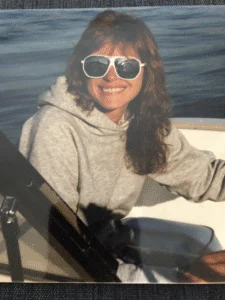
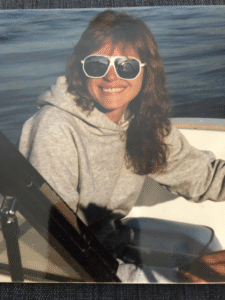
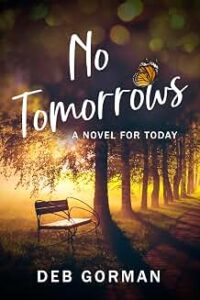
The author’s accompanying visual aids – the image of a child’s hand holding a toy, the poignant portrait of her sister, and the covers of her published works, "No Tomorrows" and "The Master’s Inn" – serve as tangible reminders of the deep wellspring of inspiration she draws from. These images, though presented without explicit detail in this context, likely represent visual anchors to those deeply embedded memories. The inclusion of her book covers suggests a direct correlation between her personal history and her published narratives, inviting readers to explore the thematic connections within her literary universe.
A Call to Reflection and Engagement
The Kill Zone Blog’s invitation to its readers is more than just a prompt; it is a collective act of remembrance and creative exploration. By sharing our earliest memories and the ways in which they have informed our stories, we contribute to a richer understanding of the human condition and the profound power of narrative. Whether a memory is pleasant or harsh, mundane or extraordinary, it holds the potential to connect us, to inspire us, and to remind us that even in the earliest moments of our lives, the seeds of our stories are sown.
The question remains open, an ongoing dialogue within the literary community: What is the echo of your earliest memory, and how has it found its voice in the stories you tell? The Kill Zone encourages its readers to delve deep, to unearth these foundational moments, and to share the extraordinary ways in which the past continues to shape our creative present. The journey into memory is a journey into the heart of what makes us human, and it is in sharing these journeys that we truly connect and inspire.