Onimusha: Way of the Sword – A Masterclass in Portable Samurai Action on the Switch 2

Capcom continues to impress with its unwavering support for the Nintendo Switch 2, demonstrating that even the most affordable current-generation console can deliver a compelling blockbuster experience. The latest testament to this is Onimusha: Way of the Sword, a visually stunning and mechanically refined action-adventure that harnesses the power of the versatile RE Engine. While the game is available on multiple platforms, including the more powerful PS5, the Switch 2 version emerges as a remarkable showcase, offering a high-quality experience that rivals its high-fidelity counterparts.
This deep dive will explore the intricate details of Onimusha: Way of the Sword‘s performance on the Switch 2, examining its technical achievements, gameplay evolution, and the strategic advantages it offers to players seeking an immersive samurai adventure on the go.
The Spectacle of Samurai Combat: Visual Fidelity and Performance on Switch 2
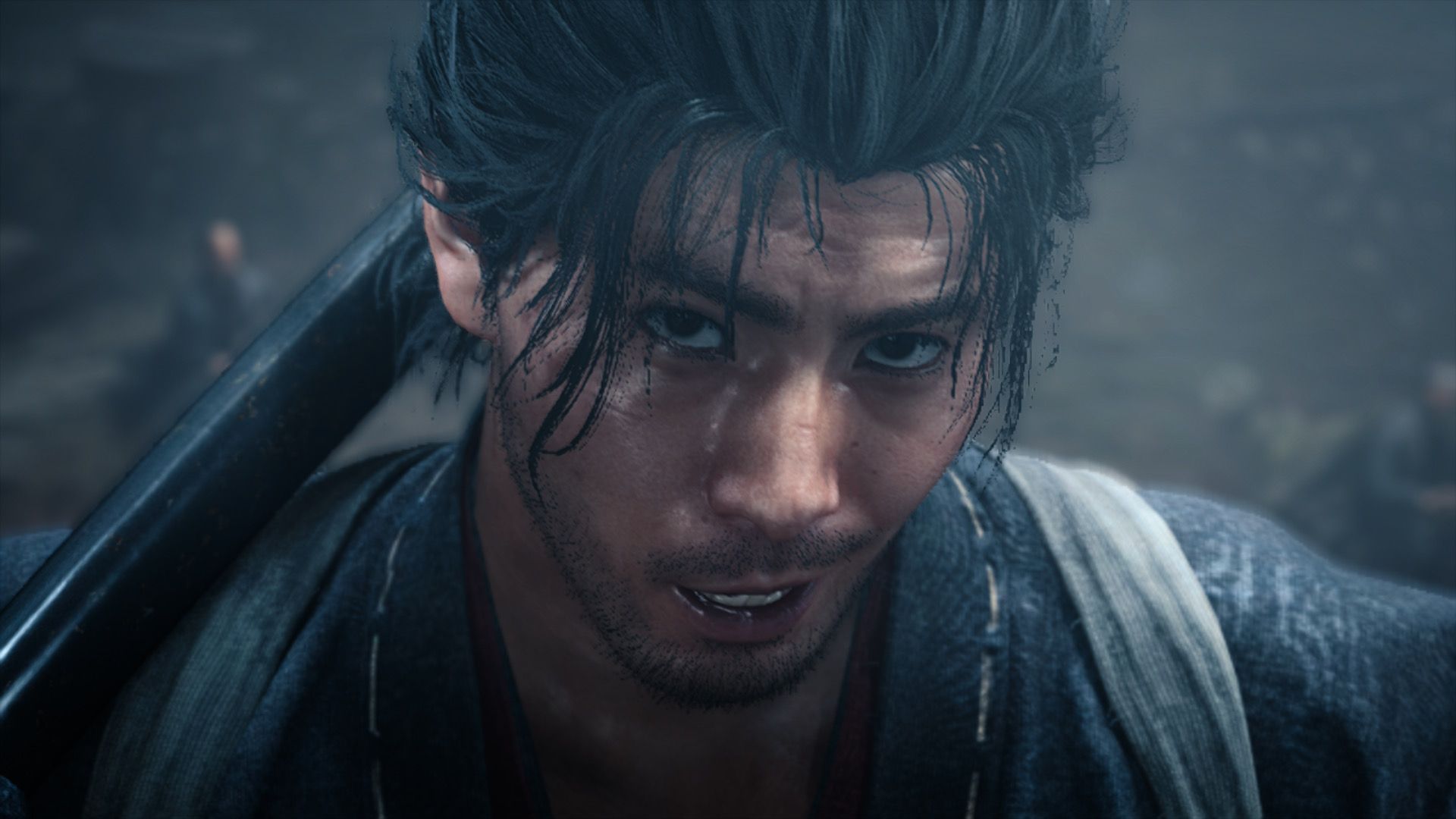
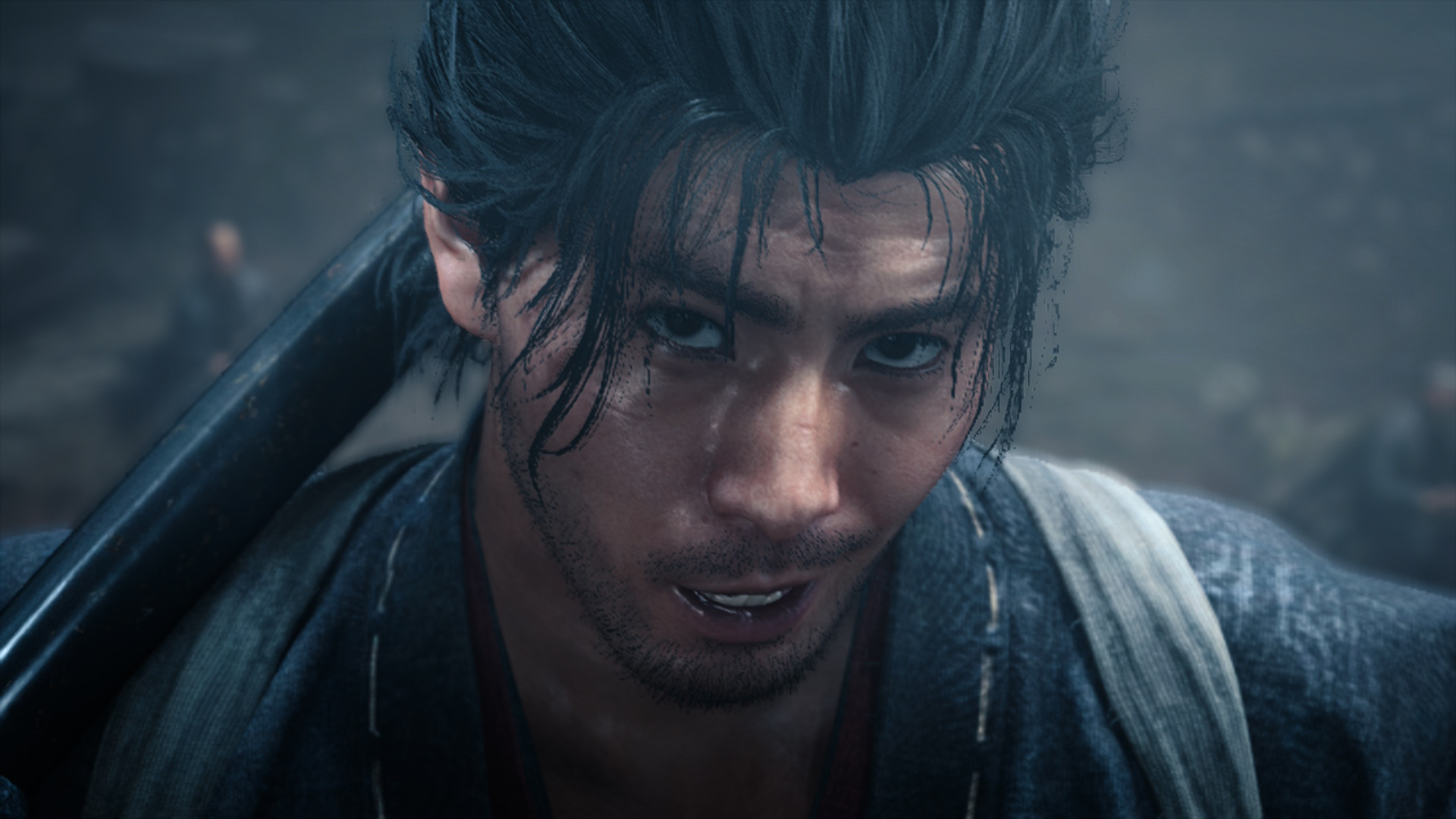
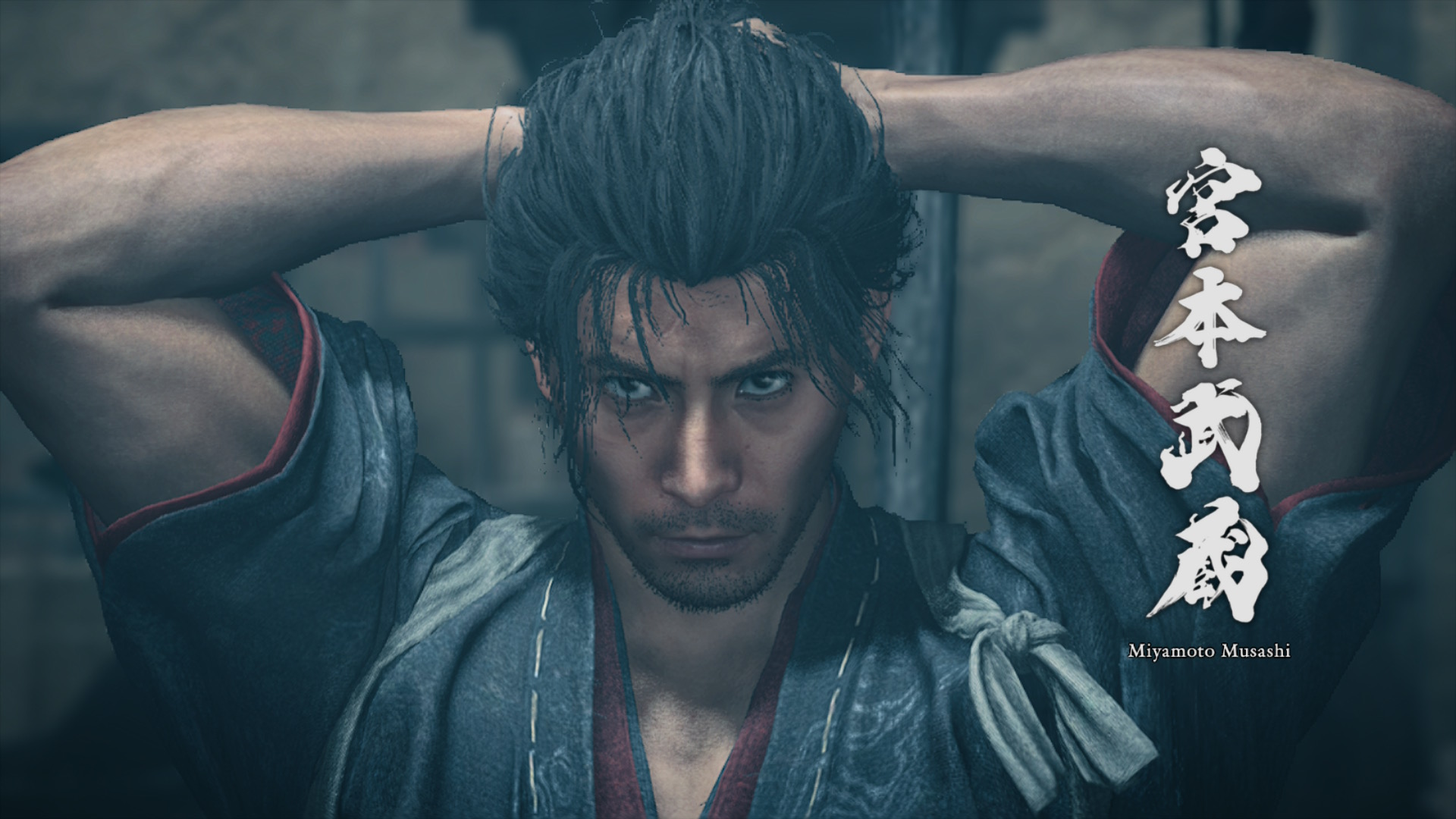
Capcom’s commitment to pushing the boundaries of what’s possible on the Switch 2 is nowhere more evident than in Onimusha: Way of the Sword. The game’s visual presentation is nothing short of breathtaking, a testament to the RE Engine’s capabilities. The character models, particularly that of the protagonist Miyamoto Musashi, are rendered with an astonishing level of detail. The developers have masterfully captured the essence of the legendary Japanese actor Toshiro Mifune, whose likeness has been meticulously modeled. This choice breathes life into Musashi, imbuing him with an expressive charm that harks back to Mifune’s iconic performances in classics like "Seven Samurai." The facial capture technology employed by Capcom is exceptional, allowing for nuanced expressions that convey a wide range of emotions, from swaggering confidence to intense focus during combat.
While the review period coincided with Gamescom, a major gaming convention, the portability of the Switch 2 allowed for a seamless transition between the home console experience and on-the-go gameplay. The quality of the in-game cinematics remains consistently high, even when Musashi is mugging for the camera or delivering a dramatic monologue. This visual fidelity is a significant achievement, especially considering the Switch 2’s comparative power limitations against its more robust rivals.
A Legacy Reimagined: The Evolution of Onimusha Gameplay
Onimusha: Way of the Sword is not merely a graphical upgrade; it represents a significant evolution of the beloved Onimusha formula. The core gameplay loop, which always made the act of sword swinging feel satisfying even in its earlier iterations, has been elevated to an entirely new level. The combat system is fluid, responsive, and deeply engaging.
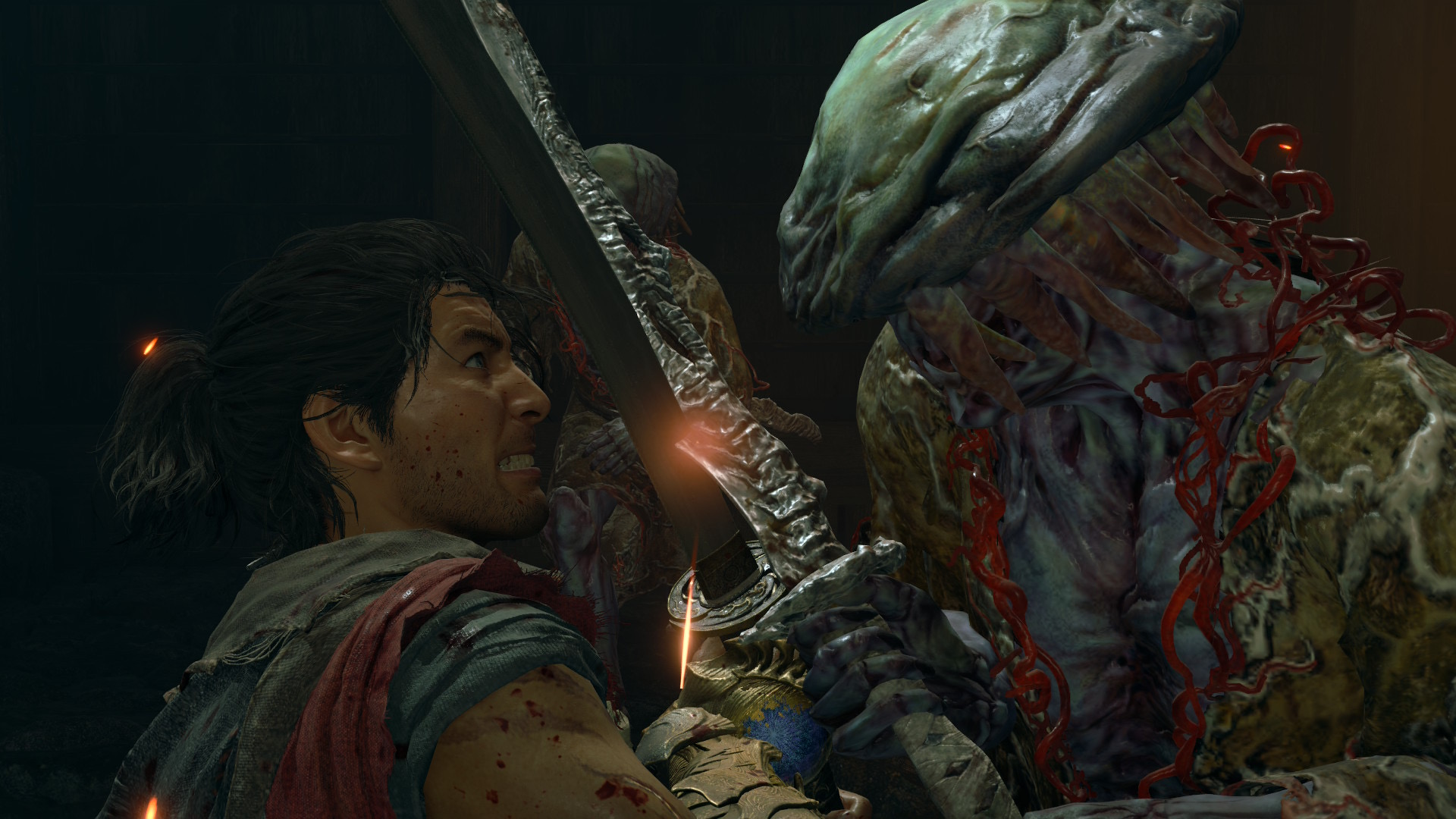
The developers have implemented a sophisticated parry system that rewards precise timing. When successfully executed, the camera dynamically zooms in, creating a cinematic flourish that emphasizes the player’s mastery. Beyond parrying, players can also time an instant-kill "Issen" counter, a satisfying reward for perfect defense. The visual feedback during combat is equally impressive. When locked in a blade clash, the animation seamlessly transitions, showcasing Musashi’s agility as he weaves out of stalemates to deliver devastating counter-attacks or brutal finishing blows. This emphasis on stylish and impactful combat sets Onimusha: Way of the Sword apart, offering a more refined experience than the often more deliberate and artistic swordplay seen in titles like "Ghost of Tsushima" or "Sekiro: Shadows Die Twice."
The Sweet Spot of Performance: Unlocked Framerate and 120Hz Display
A crucial element that elevates the combat experience on the Switch 2 is the game’s performance. While a locked 30 frames per second (FPS) might have been acceptable for some action titles, Onimusha: Way of the Sword offers an unlocked framerate that can reach up to 40 FPS. This may sound like a minor detail, but in an action game that demands precision, those extra frames make a substantial difference.
The fluidity of movement and the responsiveness of attacks are significantly enhanced, contributing to the overall "slickness" of the swordplay. While fluctuating framerates can sometimes be a concern in fast-paced games, the review experience suggests that Onimusha: Way of the Sword maintains a remarkably stable performance. This stability is likely attributed to the grounded nature of Musashi’s character and the typical one-on-one nature of the game’s most intense combat encounters, which do not involve excessive on-screen chaos.
Furthermore, the Switch 2’s native support for a 120Hz display plays a pivotal role in realizing the full potential of the unlocked framerate. This combination creates a visually smooth and immersive experience that is a joy to play, even for those who are typically sensitive to performance variations.
The Motion Control Conundrum: Innovation and Inconsistency
One of the more unique features introduced in Onimusha: Way of the Sword on the Switch 2 is its optional motion controls. Players can utilize the right Joy-Con to mimic sword slashes, with sideways movements corresponding to horizontal attacks and downward motions for vertical strikes. While this feature undoubtedly evokes memories of games like "The Legend of Zelda: Skyward Sword," it presents a mixed bag of innovation and inconsistency.
For what it’s worth, the motion controls are surprisingly responsive. The reviewer was able to successfully execute Issen counters with a well-timed swing, demonstrating the potential for skillful play. However, the implementation ultimately felt like more effort than was required for standard combat.
A more significant point of contention arises with the game’s gyro-aiming capabilities. While the motion controls for swordplay are available when holding the Joy-Cons as single controllers, the gyro-aiming for the bow is frustratingly absent when using a Pro Controller. This inconsistency in Capcom’s implementation of motion controls is not an isolated incident, as noted by the reviewer’s experience with the gyro aiming in "Resident Evil Village: Winters’ Expansion," which also presented an unusual control scheme. The hope remains that a future patch will address this limitation, allowing for a more comprehensive and intuitive use of motion controls across all controller configurations.
Pacing and Polish: The Enduring Appeal of Onimusha
While Onimusha: Way of the Sword‘s pacing might not reach the same level of tightly controlled intensity as some other action titles, its core gameplay loop remains incredibly compelling. The sheer enjoyment derived from the swordplay is so profound that players may find themselves engaging in boss rematches purely for the satisfaction of the combat, rather than solely for the in-game rewards. This speaks volumes about the quality of the mechanics and the overall polish of the experience.
The game’s ability to deliver such a satisfying samurai action experience on the Switch 2, a console that is more accessible than its competitors, is a significant achievement. It underscores Capcom’s prowess in leveraging the RE Engine to its full potential and its dedication to providing high-quality gaming experiences across a diverse range of platforms.
With further RE Engine showcases on the horizon, such as the highly anticipated "Dragon’s Dogma 2: Dark Arisen," Capcom’s current trajectory suggests a period of unparalleled success. Onimusha: Way of the Sword stands as a testament to this, offering a compelling blend of visual fidelity, refined gameplay, and impressive performance on the Nintendo Switch 2, solidifying its position as a must-have title for fans of the genre.
Availability and Conclusion
Onimusha: Way of the Sword is currently available on the Nintendo Switch 2, PlayStation 5, Xbox Series X/S, and PC. Its release across these platforms ensures that a wide audience can experience this meticulously crafted samurai adventure.
In conclusion, Onimusha: Way of the Sword on the Nintendo Switch 2 is more than just a port; it’s a statement. It demonstrates that with the right engine and a focused development approach, even a more affordable console can deliver a truly premium gaming experience. The game’s stunning visuals, engaging combat, and impressive performance on the Switch 2 make it a standout title, and a clear indicator of Capcom’s continued dominance in the gaming landscape.